12 Space-Saving Hacks for Your Narrow Living Room Dining Room Combo That Actually Work
If your living room dining room combo feels more like a hallway with furniture, welcome to the club. Narrow spaces test your patience, your layout skills, and sometimes your sanity. I have wrestled with chairs blocking walkways, sofas eating half the room, and dining tables that feel like they were squeezed in as an afterthought. The good news is this. A narrow living room dining room combo can feel open, stylish, and totally livable with the right strategy.
These space-saving hacks for a narrow living room dining room combo focus on real-life solutions. No showroom tricks. No impractical layouts. Just smart ideas that help your space breathe, function, and look intentional. Let’s fix the flow and make that long room finally work for you.
1. Use One Visual Anchor to Unite Both Zones
In a narrow living room dining room combo, chaos starts when each area competes for attention. The fix is simple but powerful. Use one visual anchor that ties both zones together. This could be a consistent color palette, matching wood tones, or a shared design style.
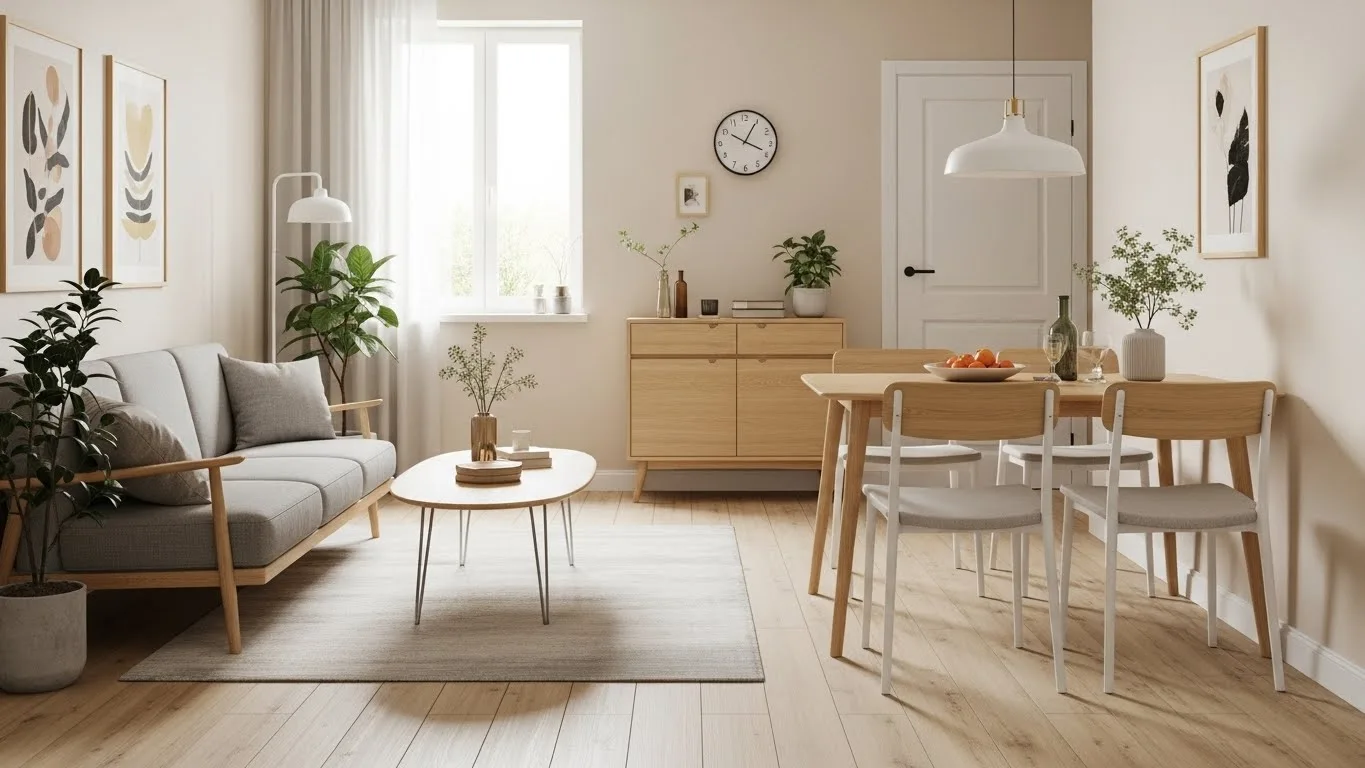
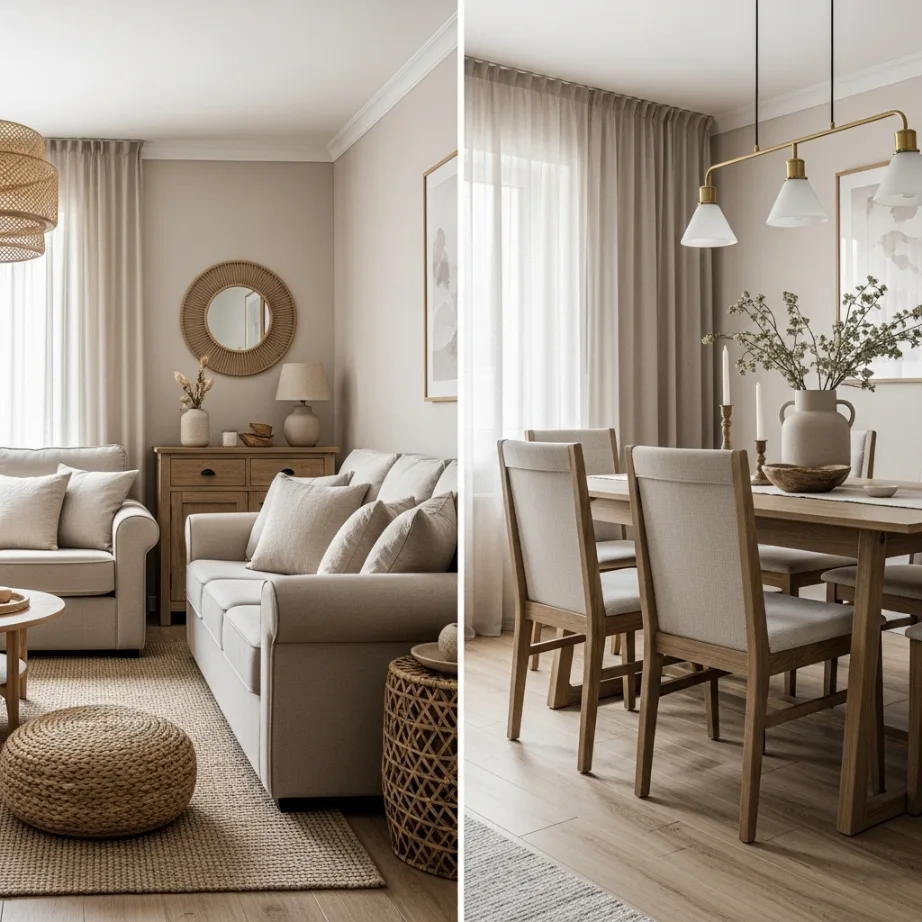
I like using one dominant neutral across both spaces, then layering textures to add interest. For example, if your sofa is warm beige, echo that tone in dining chairs or table decor. This keeps the room from feeling chopped up. When the eye flows smoothly from one end to the other, the room feels wider. IMO, unity matters more than filling every corner. A calm visual story makes even tight spaces feel intentional and expensive.
2. Choose Furniture With Exposed Legs
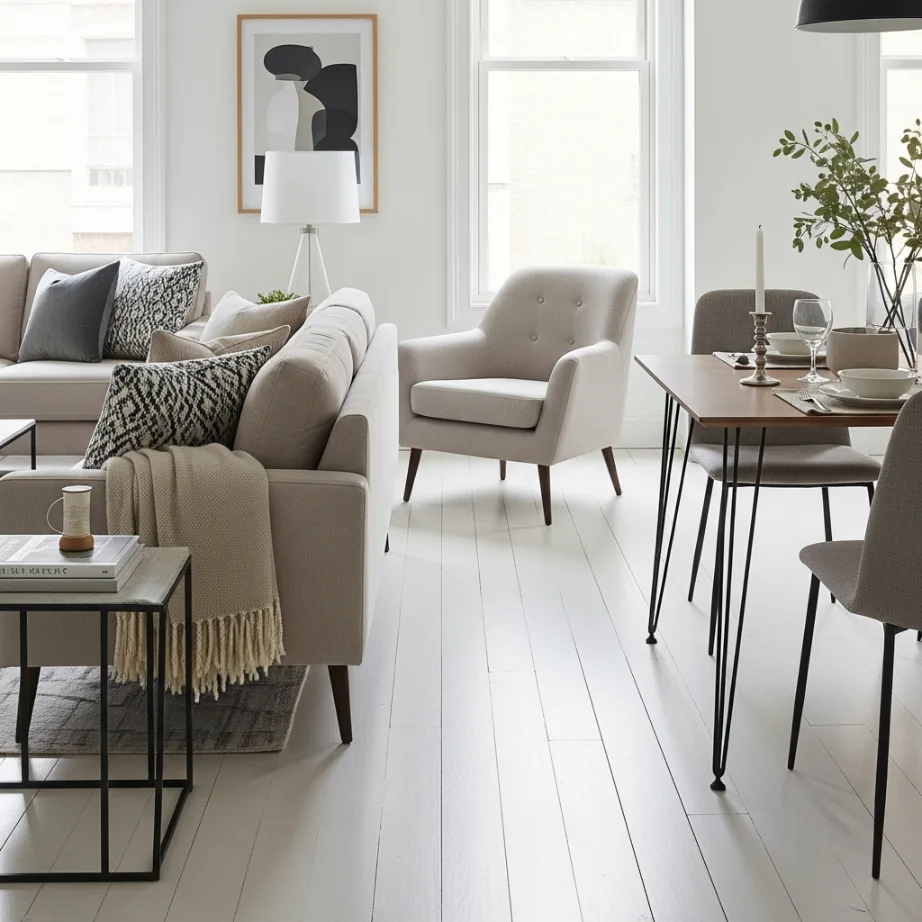
Heavy furniture kills narrow rooms fast. Pieces with exposed legs let light and air move underneath, which tricks the eye into seeing more space. Sofas, armchairs, and dining chairs with slim legs feel lighter and less bulky.
In my own space, switching from a skirted sofa to one with tapered legs instantly made the room feel wider. Glass or acrylic dining chairs also work wonders if you want a barely-there look. Avoid chunky bases and boxy silhouettes. The more floor you can see, the larger the room feels. This hack costs nothing if you are shopping smart from the start.
3. Go Vertical With Storage and Decor
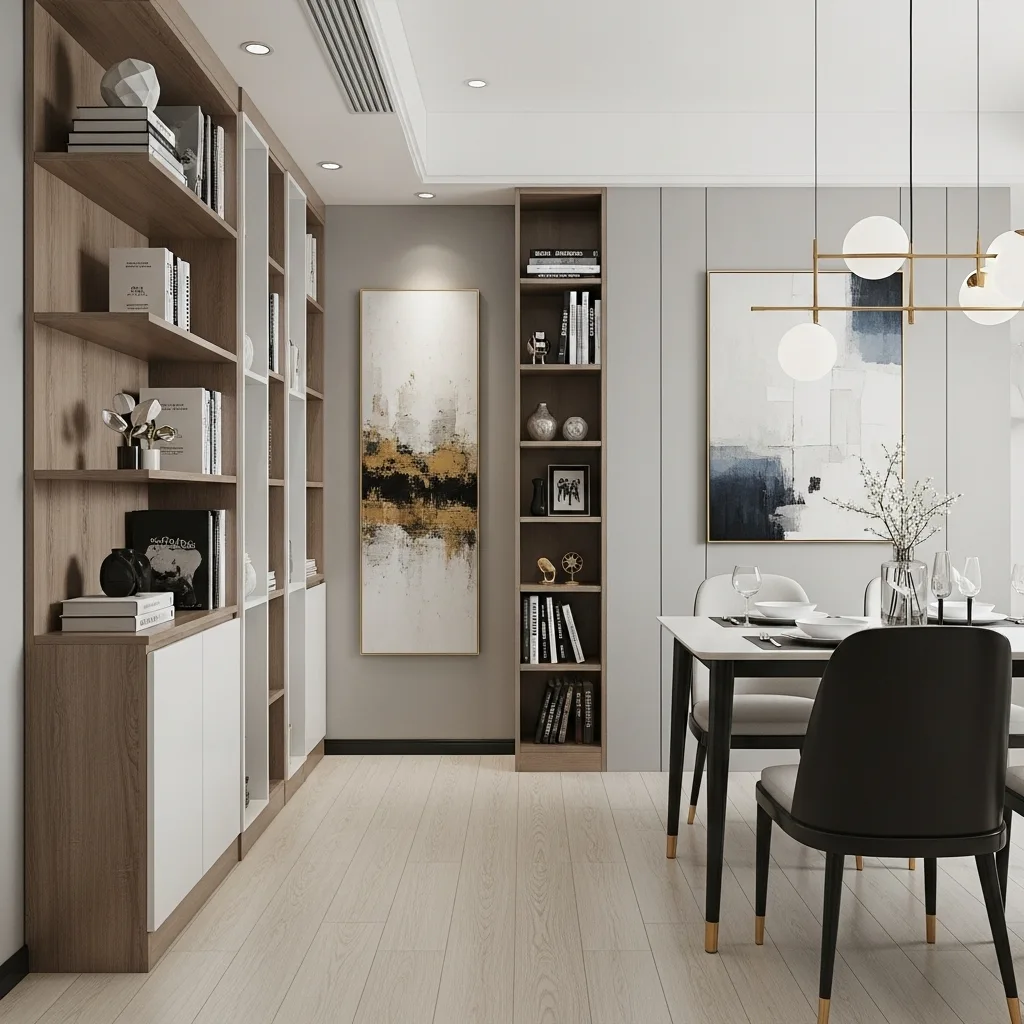
When floor space is limited, walls become your best friend. Vertical storage draws the eye upward and frees up valuable walking space. Tall shelving units, wall-mounted cabinets, or vertical art arrangements all help stretch the room visually.
In narrow combos, I love using slim bookcases or floating shelves instead of bulky sideboards. They store essentials without blocking movement. Vertical decor like tall mirrors or elongated wall art adds height and elegance. Just keep it light. Overloading walls can feel overwhelming fast. Balance is key here, not clutter.
4. Pick a Dining Table That Fits the Flow
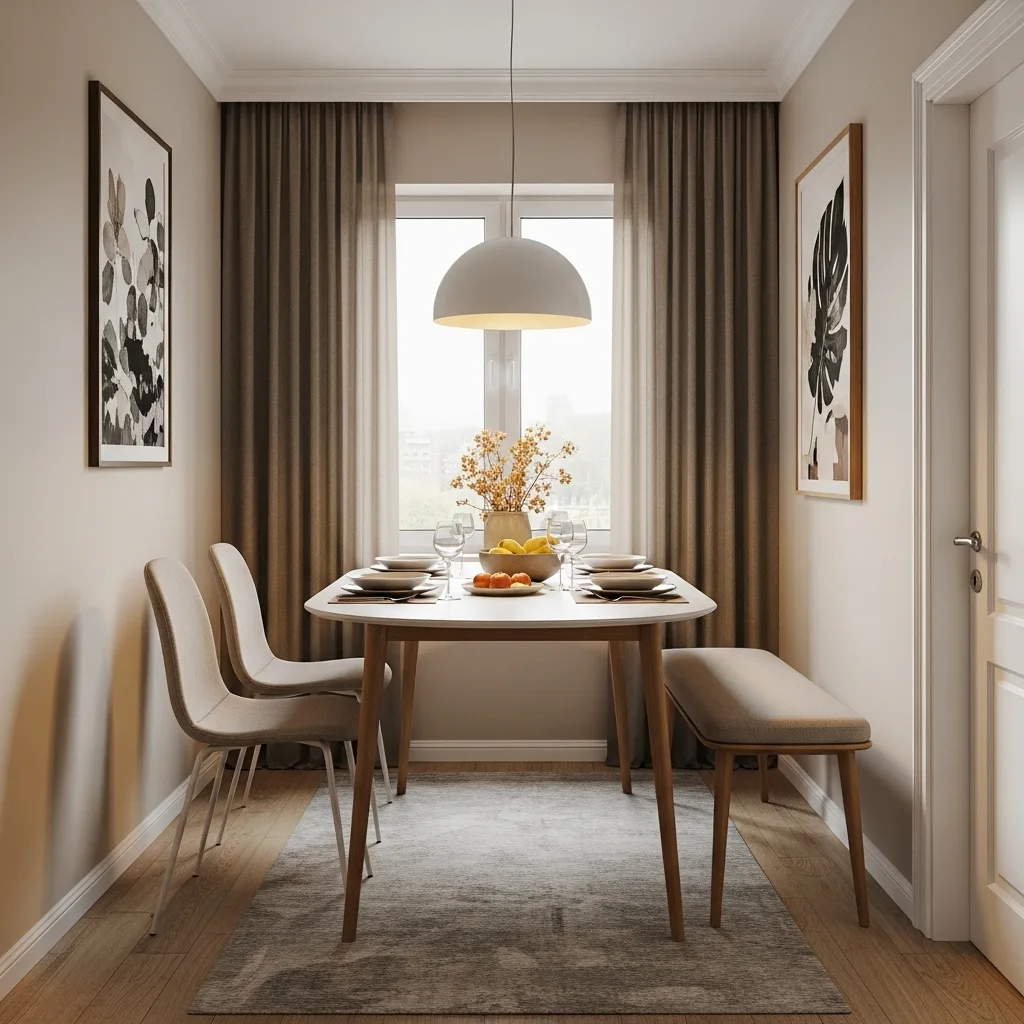
Your dining table should work with the room, not fight it. Round or oval tables are lifesavers in narrow spaces because they soften sharp edges and improve traffic flow. If space is really tight, consider a narrow rectangular table with slim legs.
Extendable tables are also brilliant. Keep them compact for daily life and open them only when guests come over. Bench seating on one side saves space and tucks neatly under the table. FYI, chairs with arms look great but steal precious inches. Skip them if space is tight.
5. Float Furniture Instead of Pushing Everything to Walls
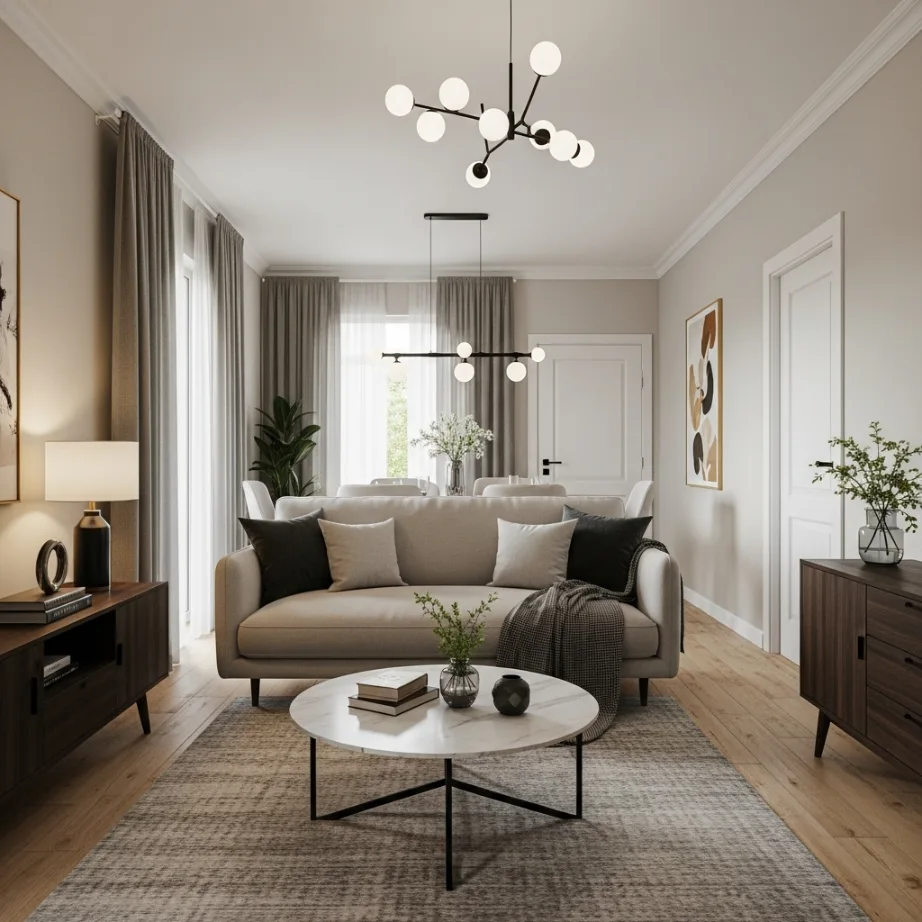
It sounds backward, but pushing all furniture against walls can make narrow rooms feel tighter. Floating pieces slightly away from walls creates breathing room and better flow. Even pulling the sofa a few inches forward can change everything.
In living dining combos, use the back of a sofa to define zones. Place it facing the living area with the dining space behind it. This creates structure without walls. Keep pathways clear and consistent. When movement feels natural, the room feels larger. It is all about flow, not stuffing furniture where it barely fits.
6. Use Rugs to Define Zones Without Walls
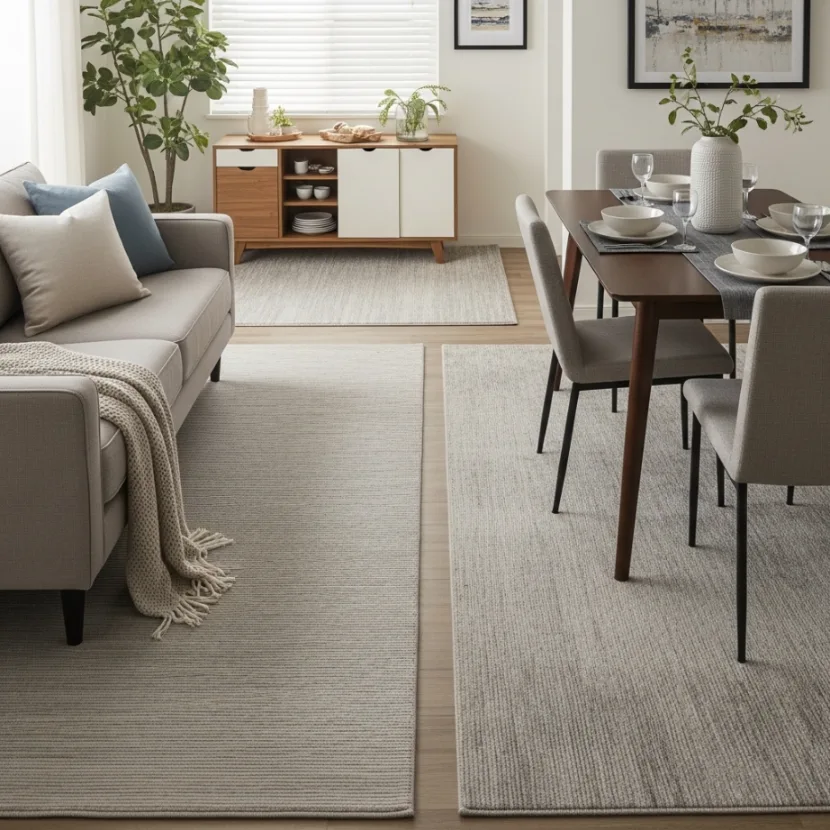
Rugs act like invisible room dividers. In a narrow living room dining room combo, they help define each area while keeping the space open. Choose rugs that fit each zone properly. Too small and they look awkward. Too big and they overwhelm.
I prefer low-pile rugs with subtle patterns. They ground furniture without adding visual noise. Use similar tones across both rugs so the room feels cohesive. This trick creates clear zones while keeping the space visually connected. It is simple, effective, and renter-friendly.
7. Choose Multi-Functional Furniture Pieces
Every piece in a narrow space should earn its place. Multi-functional furniture saves space and adds flexibility. Think storage ottomans, extendable dining tables, or benches with hidden compartments.
In my opinion, a storage bench near the dining area is gold. It works as seating, storage, and even a visual divider. Coffee tables with shelves or drawers keep clutter under control. When furniture does more than one job, the room feels smarter and less crowded. This hack alone can transform daily living.
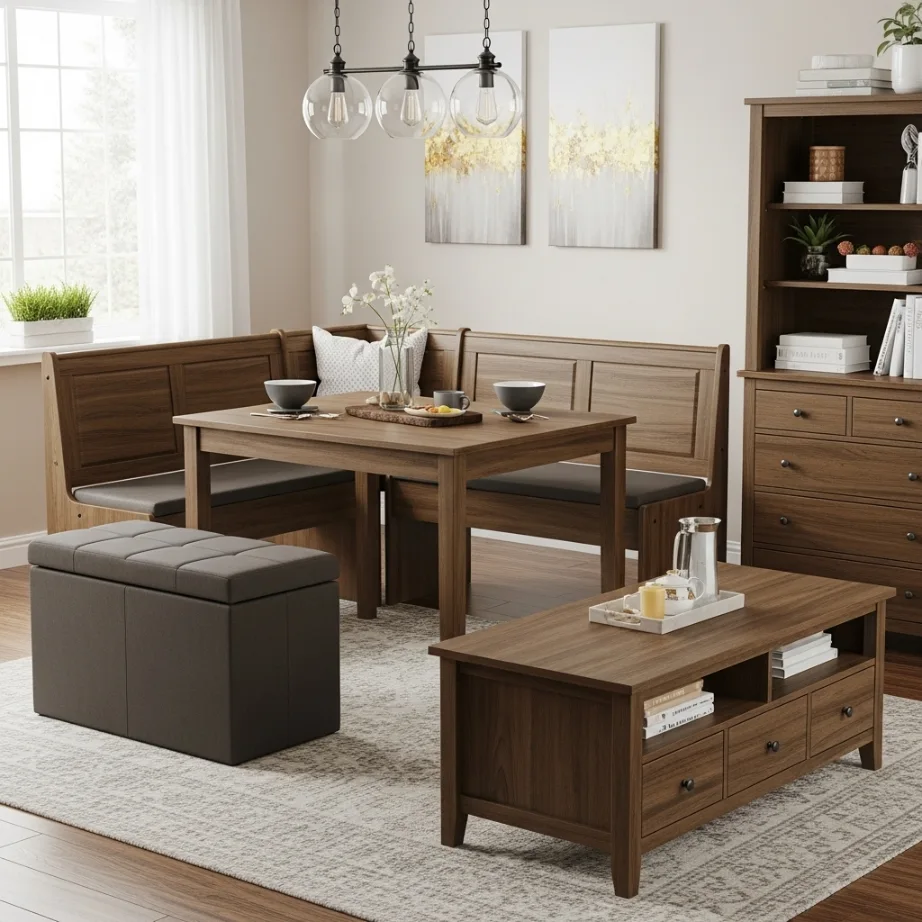
8. Keep the Color Palette Light but Warm
Light colors open up narrow rooms, but sterile white can feel cold. The sweet spot is light and warm. Soft creams, warm greiges, pale taupes, and light woods work beautifully in long spaces.
I like layering warmth through textures like linen, wood, and woven materials. This keeps the space cozy without closing it in. Avoid high-contrast color blocks that break the room visually. Consistency makes the space feel longer and calmer. And yes, you can still add personality through accents and art.
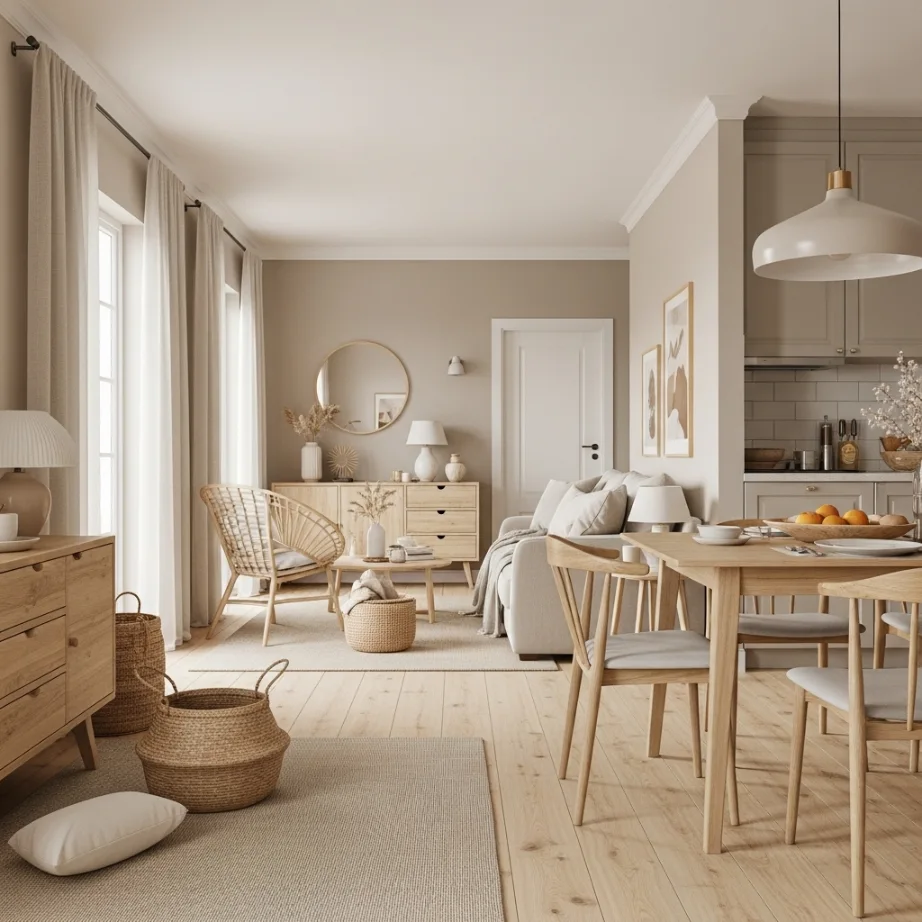
9. Use Mirrors to Expand the Space Visually
Mirrors are classic for a reason. In narrow living room dining room combos, they bounce light and make the room feel wider. Place a large mirror along one wall or behind the dining area to reflect light and movement.
Avoid small scattered mirrors that add visual noise. One or two larger pieces work best. Frameless or slim-framed mirrors feel cleaner in tight spaces. Just be mindful of reflections. You want light and openness, not constant TV glare staring back at you :/
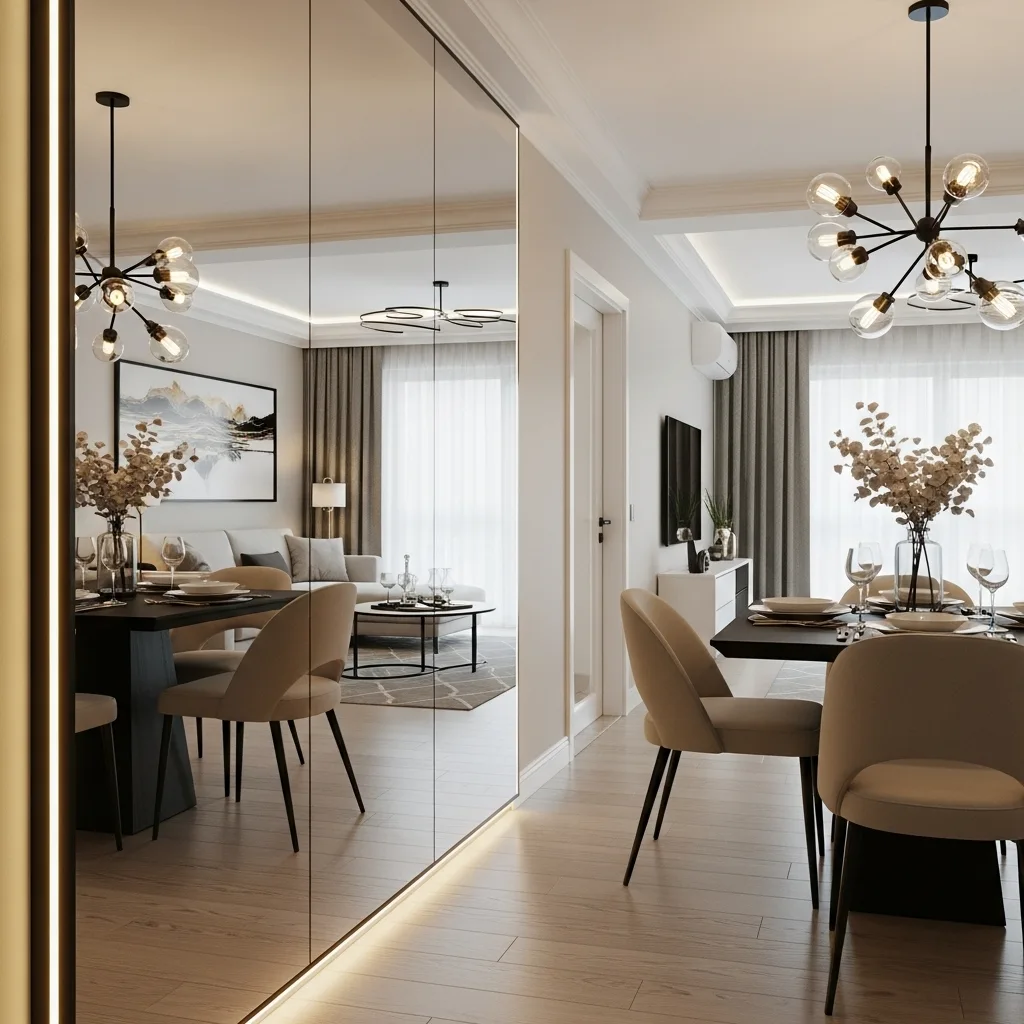
10. Rethink Lighting to Avoid Visual Clutter
Lighting can make or break a narrow space. Skip bulky floor lamps that eat up walking space. Wall sconces, pendant lights, or ceiling-mounted fixtures keep floors clear and add style.
In dining areas, a slim pendant centered over the table defines the zone beautifully. In the living area, use wall-mounted lamps or recessed lighting. Layering light keeps the room cozy and functional. Good lighting also distracts from the room’s narrow shape by creating warmth and depth.
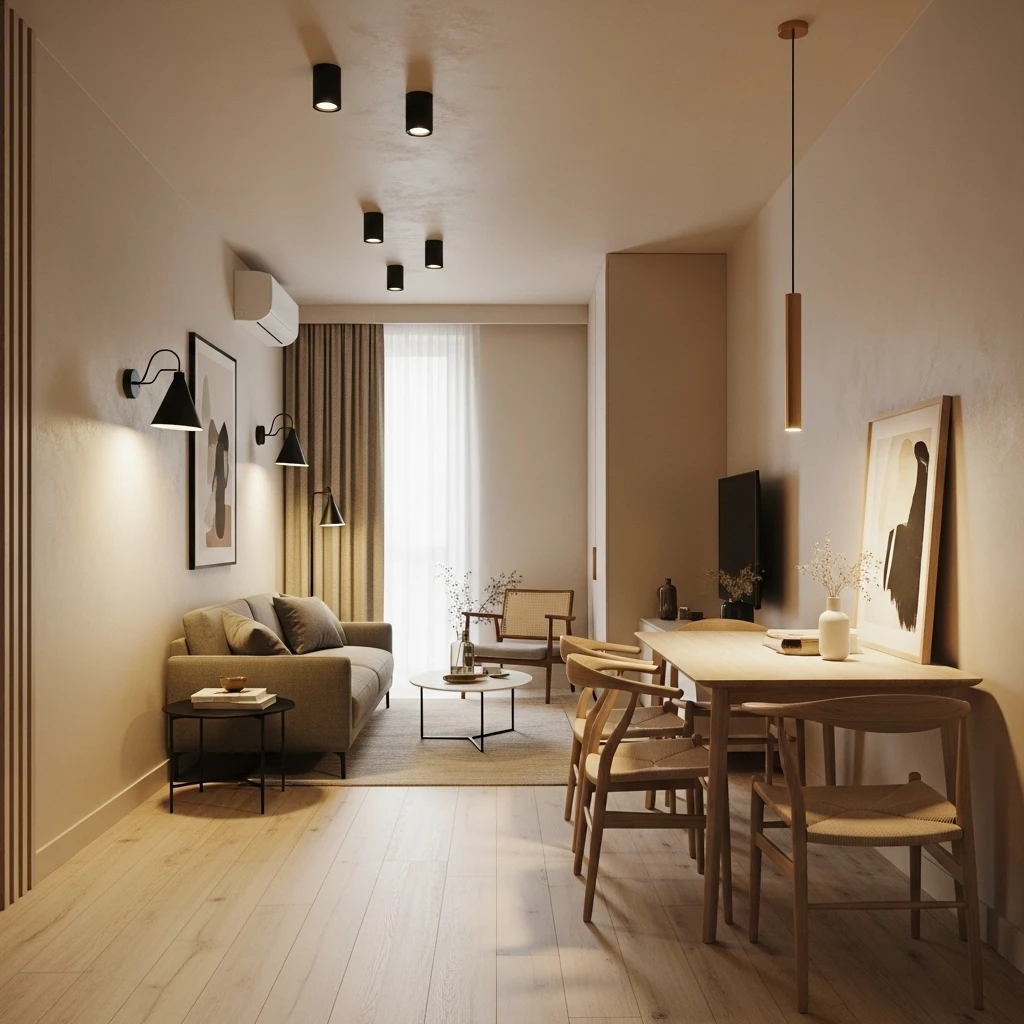
11. Scale Everything Down Just a Bit
Oversized furniture in a narrow combo room feels overwhelming fast. Slightly smaller-scale pieces keep the space balanced. This does not mean tiny furniture. It means proportionate furniture.
Choose sofas with slim arms, dining chairs without bulky frames, and tables with lighter profiles. Measure carefully before buying anything. I learned this the hard way after dragging in a sofa that looked great online but dominated the room. Scale matters more than style in narrow spaces.
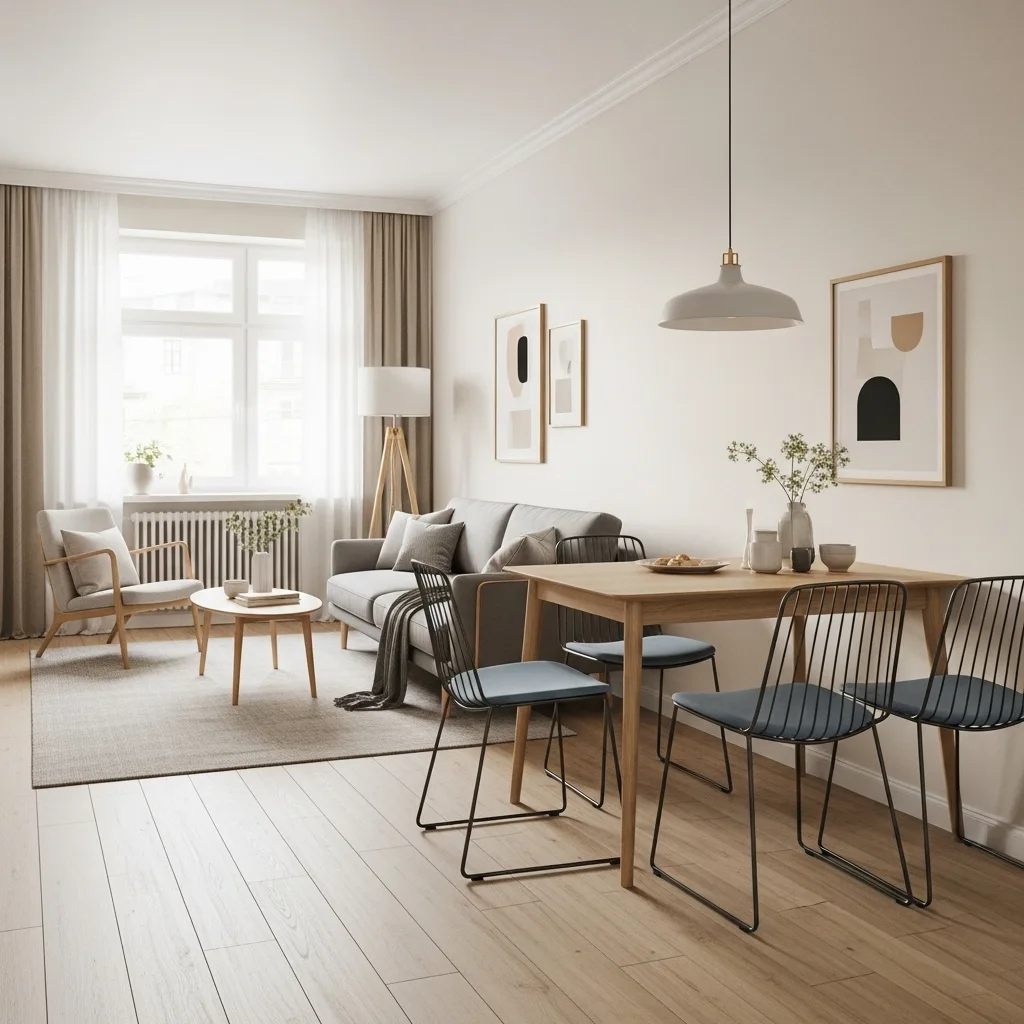
12. Edit Ruthlessly and Let the Room Breathe
The final hack is the hardest but most important. Edit your space. Narrow rooms show clutter instantly. Too many accessories, extra chairs, or unnecessary furniture pieces shrink the room visually.
Keep what you love and use. Let go of what just fills space. Leave some empty areas on purpose. Negative space makes rooms feel calm and intentional. When everything has room to breathe, the space feels bigger, lighter, and far more enjoyable to live in.
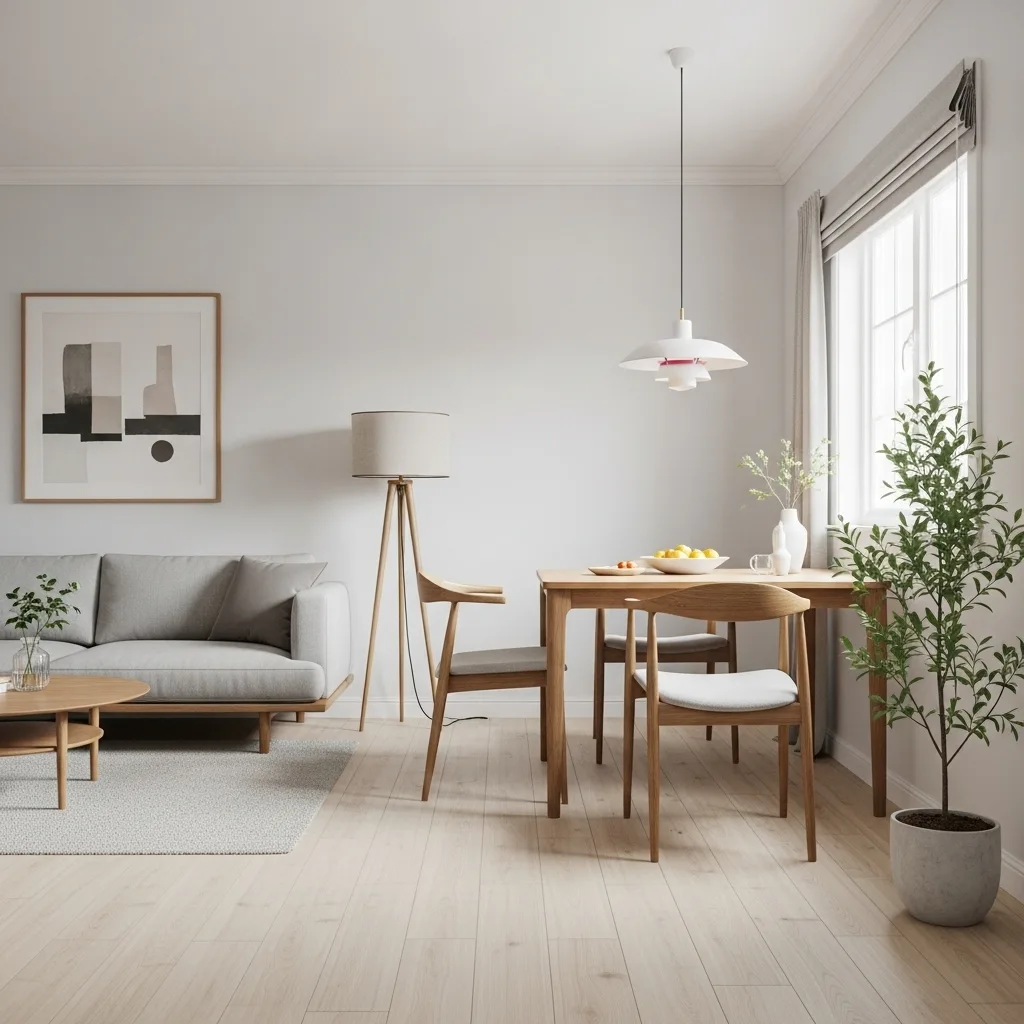
Conclusion
A narrow living room dining room combo does not have to feel cramped or chaotic. With smart furniture choices, thoughtful layouts, and a little restraint, you can turn that long space into a functional and stylish home. Focus on flow, scale, and purpose. And remember, perfection is overrated. Comfort and livability always win. If your room finally feels good to walk through, sit in, and live in, you nailed it.
FAQs
1. How do I arrange furniture in a narrow living room dining room combo?
Arrange furniture to follow the natural length of the room. Use the sofa to divide zones, keep walkways clear, and avoid blocking visual flow from one end to the other.
2. What is the best dining table for a narrow living dining space?
Round, oval, or narrow rectangular tables work best. Extendable tables and bench seating also help save space without sacrificing function.
3. Can I use a sectional in a narrow living room dining combo?
Yes, but choose a slim sectional with clean lines. Place it carefully so it defines the living area without blocking movement.
4. What colors make a narrow living room dining room combo look bigger?
Light, warm neutrals like cream, beige, and soft gray make narrow spaces feel more open while still feeling cozy.
5. How do I separate living and dining areas without walls?
Use rugs, lighting, furniture placement, and color consistency to define zones while keeping the space visually connected.