13 Gorgeous Spring Mantel Decorations That Feel Light, Fresh, and Effortlessly Styled
The mantel is one of those spaces that quietly controls the mood of an entire room. It sits at eye level, anchors the wall, and naturally draws attention whether the fireplace is in use or not. When spring arrives, the mantel becomes the perfect place to signal that seasonal shift. Lighter days, softer colors, and a sense of renewal all start here, often without changing anything else in the room.
What makes spring mantel decorating tricky is restraint. Too much decor makes it feel crowded. Too little makes it feel unfinished. The goal is not to decorate for a photo, but to create a mantel that feels good to live with day after day. Spring decor should feel airy, relaxed, and slightly imperfect, like it belongs there naturally.
Below are 13 gorgeous spring mantel decoration ideas designed to feel open-ended and lived-in. Each idea flows rather than wraps up, allowing the mantel to evolve through the season instead of feeling locked into one look.
1. Fresh Greenery as the Main Element
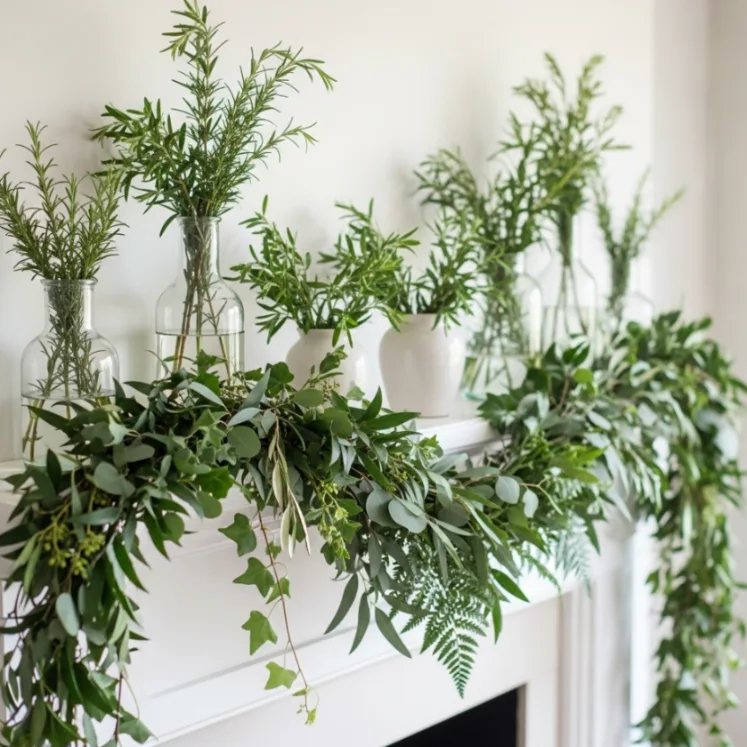
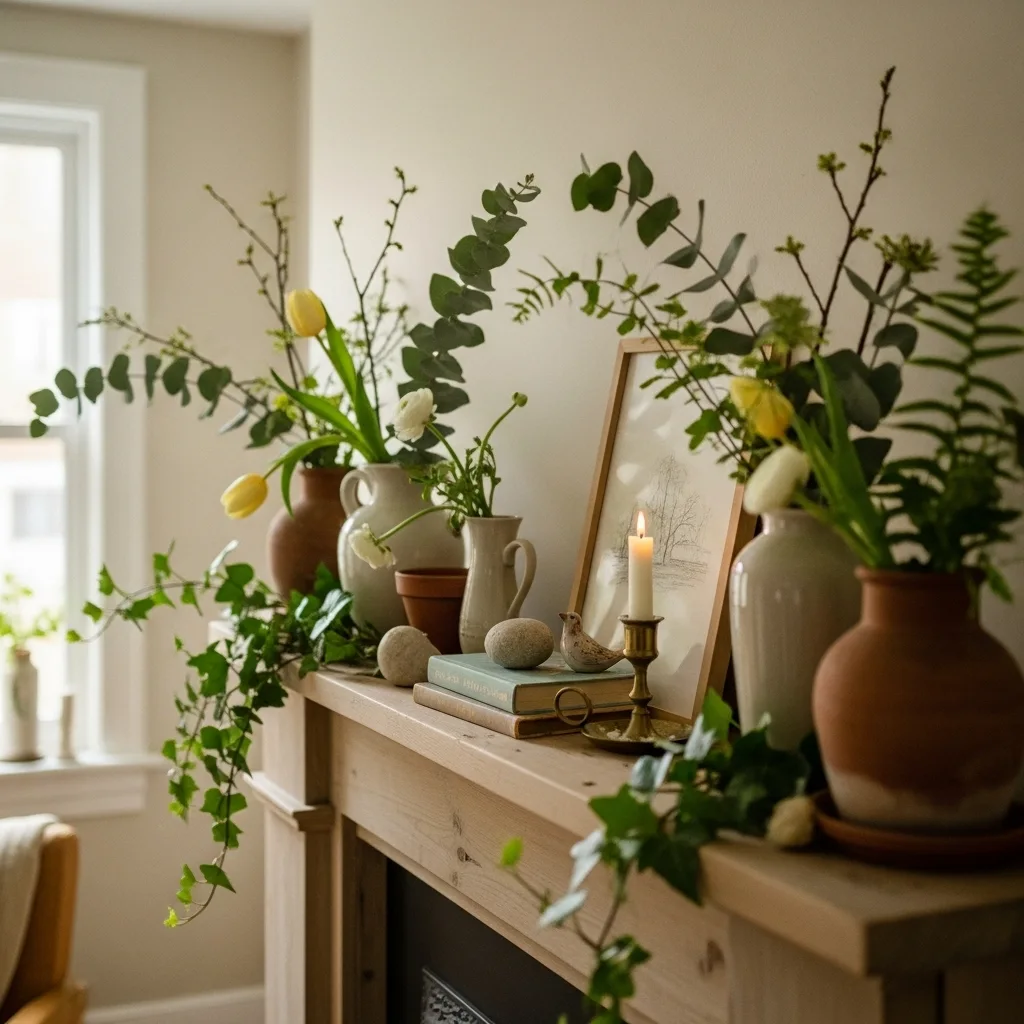
Greenery is one of the easiest ways to refresh a mantel for spring because it instantly adds life without adding visual weight. It softens the hard lines of the mantel and brings a sense of calm to the room.
A common approach is draping a simple greenery garland across the mantel or placing a few loose stems in ceramic or glass vases. The greenery does not need to be symmetrical or perfectly arranged. Letting it fall naturally keeps the look relaxed.
This idea continues to work as spring progresses because greenery never feels dated. You can layer more stems later or keep it minimal, allowing the mantel to breathe.
2. Layered Artwork Leaning Against the Wall
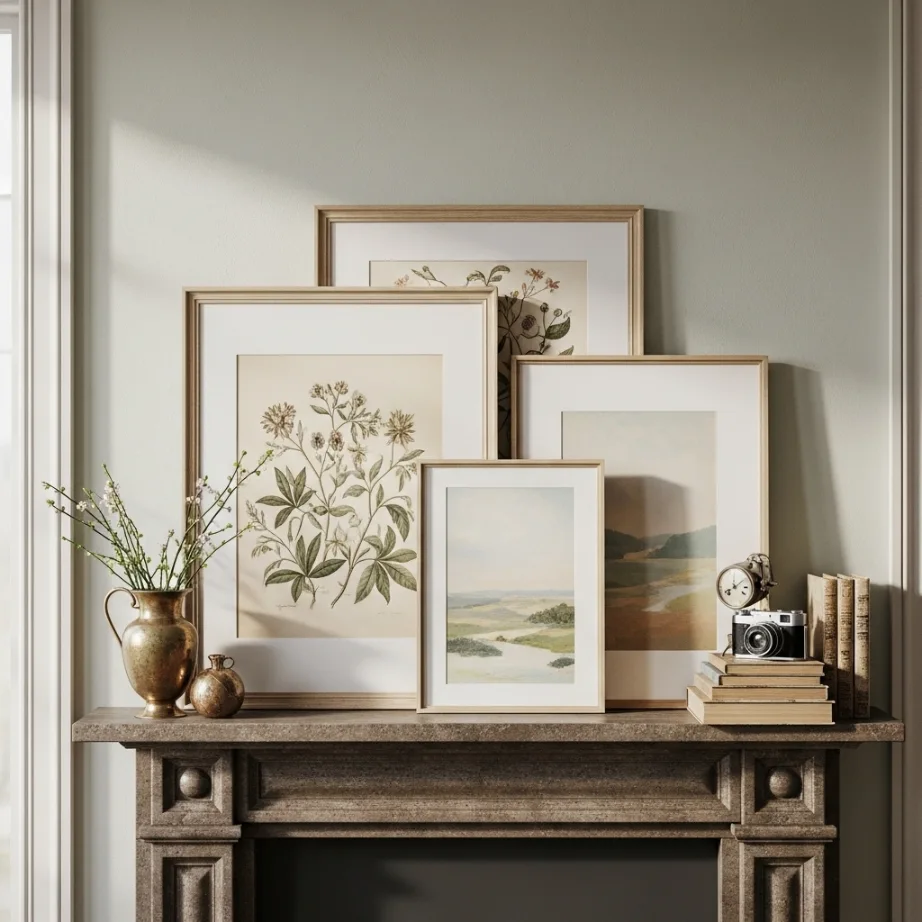
Leaning artwork instead of hanging it gives the mantel a casual, lived-in feel that works beautifully in spring. It avoids the stiffness of perfectly aligned frames and introduces softness.
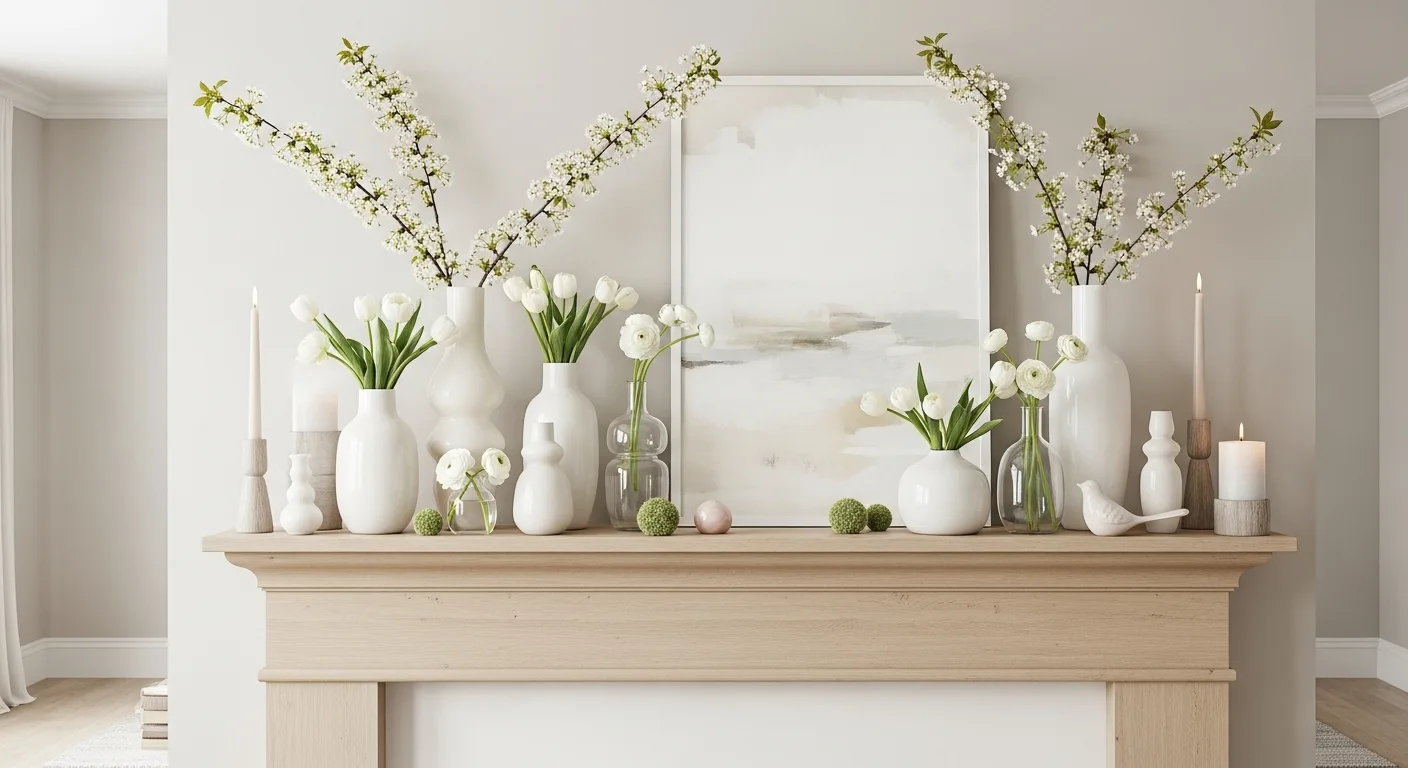
An example includes layering two or three frames of different sizes, slightly overlapping, with artwork that features botanicals, landscapes, or light abstract designs. The frames can rest directly on the mantel without commitment.
This setup allows constant flexibility. You can swap prints, rotate frames, or add new layers without making permanent changes, keeping the mantel fluid through the season.
3. Soft Neutral Color Palette
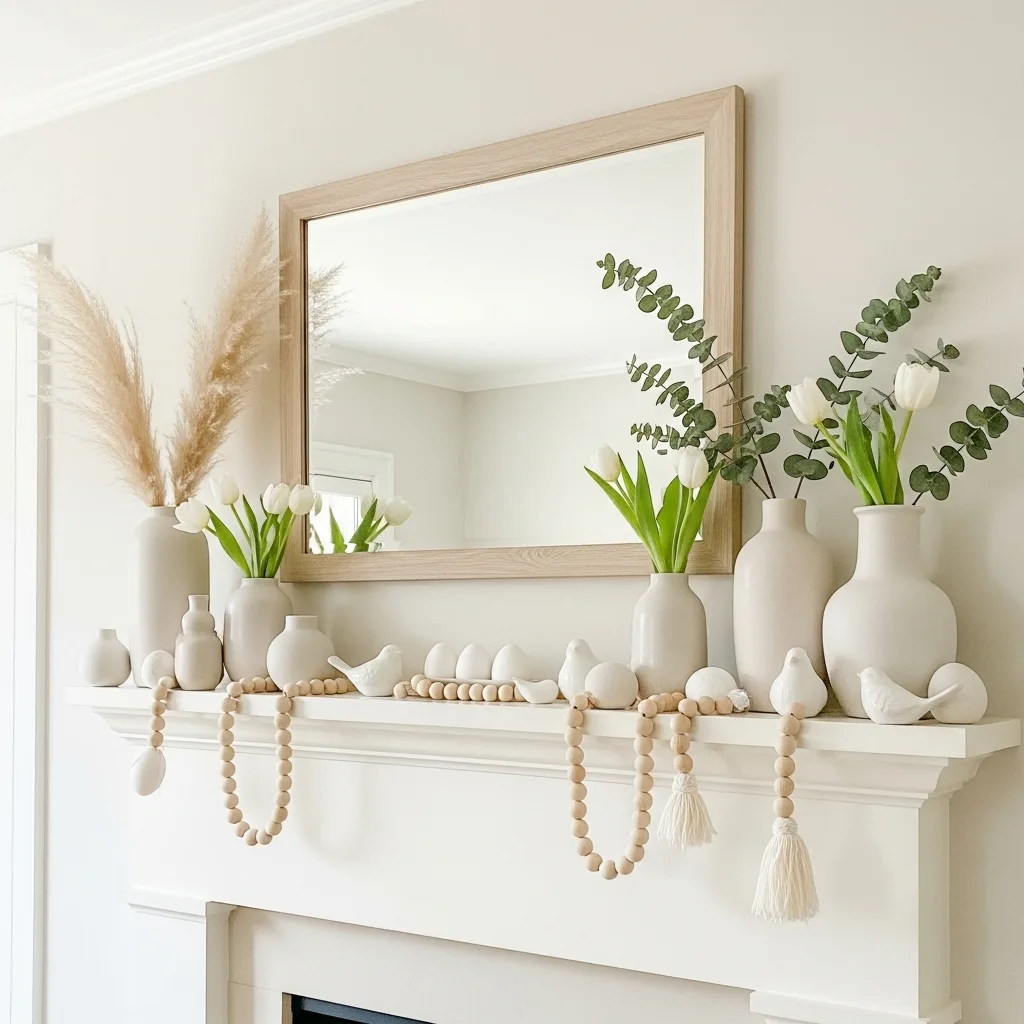
Spring mantels often look best when they stay within a soft, neutral palette. Whites, creams, light wood tones, and subtle pastels help the space feel open and calm.
A typical look includes neutral vases, light-toned decor objects, and simple textures rather than bold color blocks. The mantel blends into the room instead of dominating it.
As the season changes, small hints of color can be added through florals or artwork, while the neutral base keeps everything grounded.
4. Ceramic Vases with Spring Stems
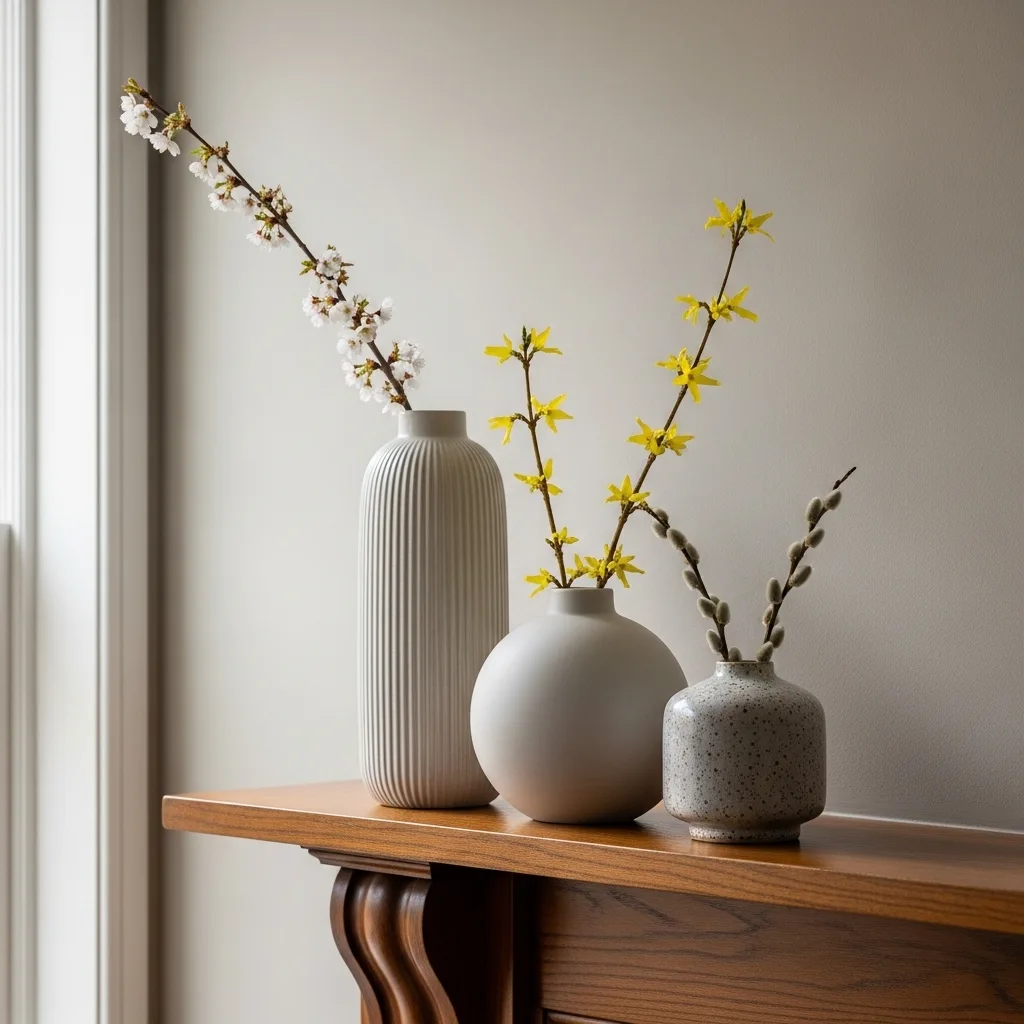
Ceramic vases bring texture and softness to a spring mantel, especially when paired with simple stems. The combination feels thoughtful but not overstyled.
A common approach is grouping two or three vases of varying heights and shapes, each holding a single stem or branch. The negative space between them is just as important as the objects themselves.
This arrangement stays flexible. You can change stems weekly, keep them bare, or mix fresh and faux elements without disrupting the overall flow.
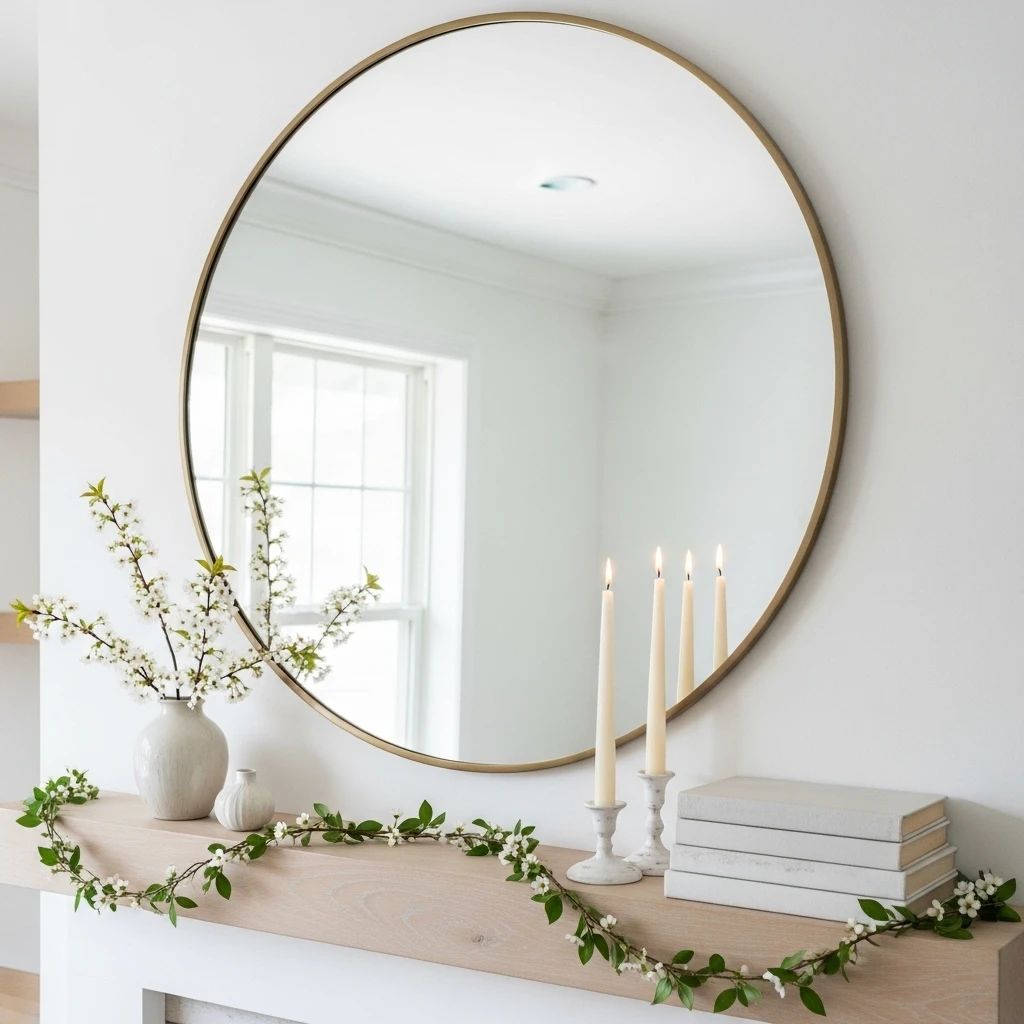
5. Mirror as a Light-Reflecting Anchor
A mirror above or on the mantel reflects light and visually opens the space, which is especially welcome in spring. It adds brightness without adding clutter.
An example includes a round or softly framed mirror centered above the mantel, with decor arranged lightly in front of it. The reflection adds depth to even the simplest setup.
Mirrors work across styles. You can lean rustic, modern, or vintage depending on the frame, while the mantel decor stays light and adaptable.
6. Subtle Floral Touches Instead of Full Arrangements
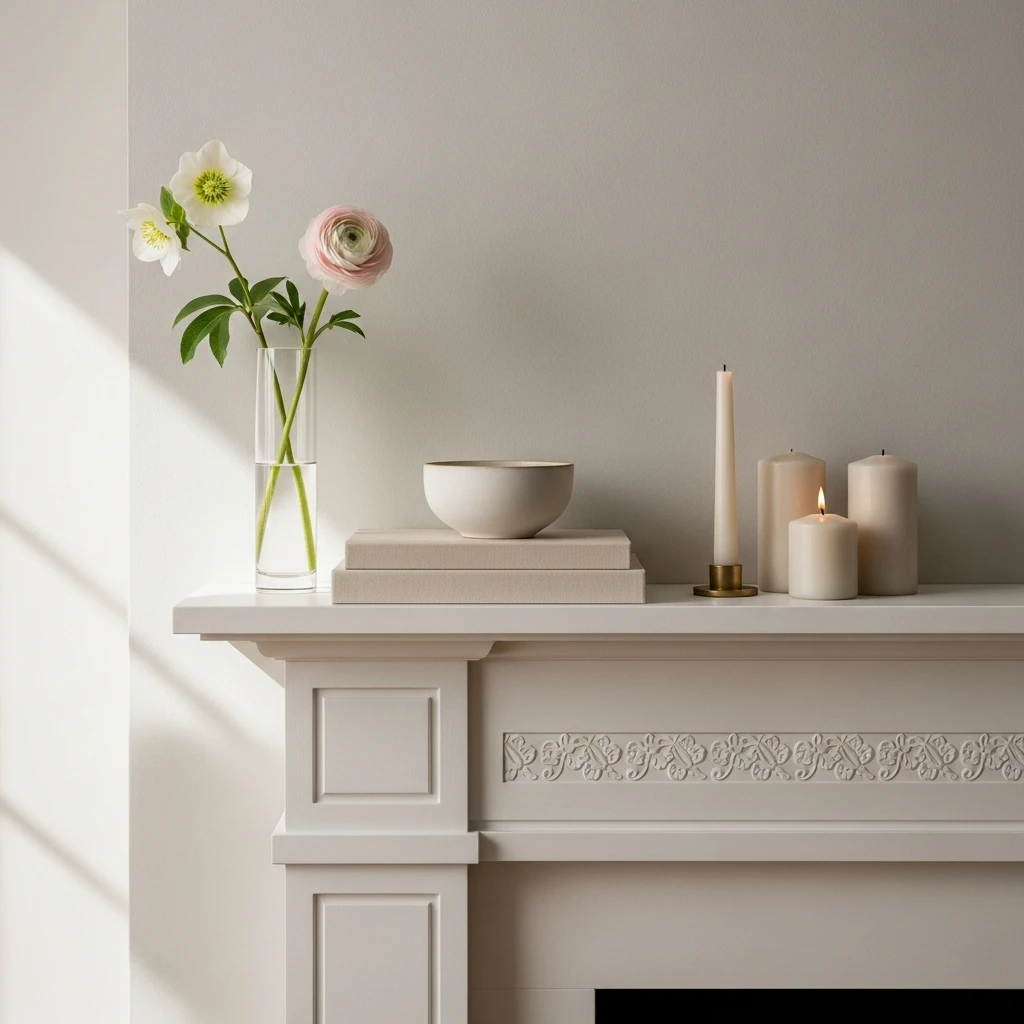
Spring florals do not need to be bold to be effective. Small, subtle floral touches feel more natural and less forced on a mantel.
A simple example includes one small floral arrangement paired with neutral decor, or a single bloom placed in a narrow vase. This keeps the mantel from feeling crowded.
As spring progresses, you can increase or reduce florals easily, letting the mantel shift with your mood rather than locking it into a single look.
7. Natural Wood Elements for Warmth
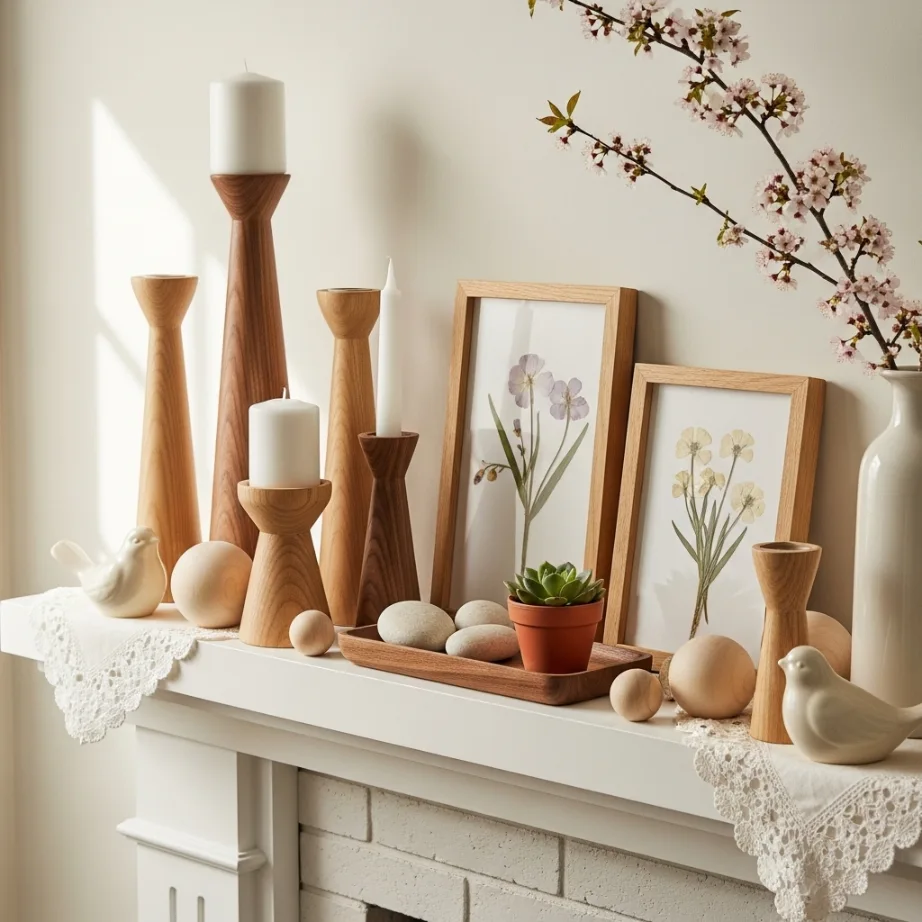
Wood tones add warmth and grounding to spring mantel decor. They balance out lighter colors and keep the space from feeling too delicate.
Examples include wooden candle holders, small stools, trays, or frames. These elements quietly support the decor without drawing attention to themselves.
Wood pieces mix well with ceramics, greenery, and soft fabrics, allowing the mantel to feel layered but still calm.
8. Candles for Soft Day and Evening Mood
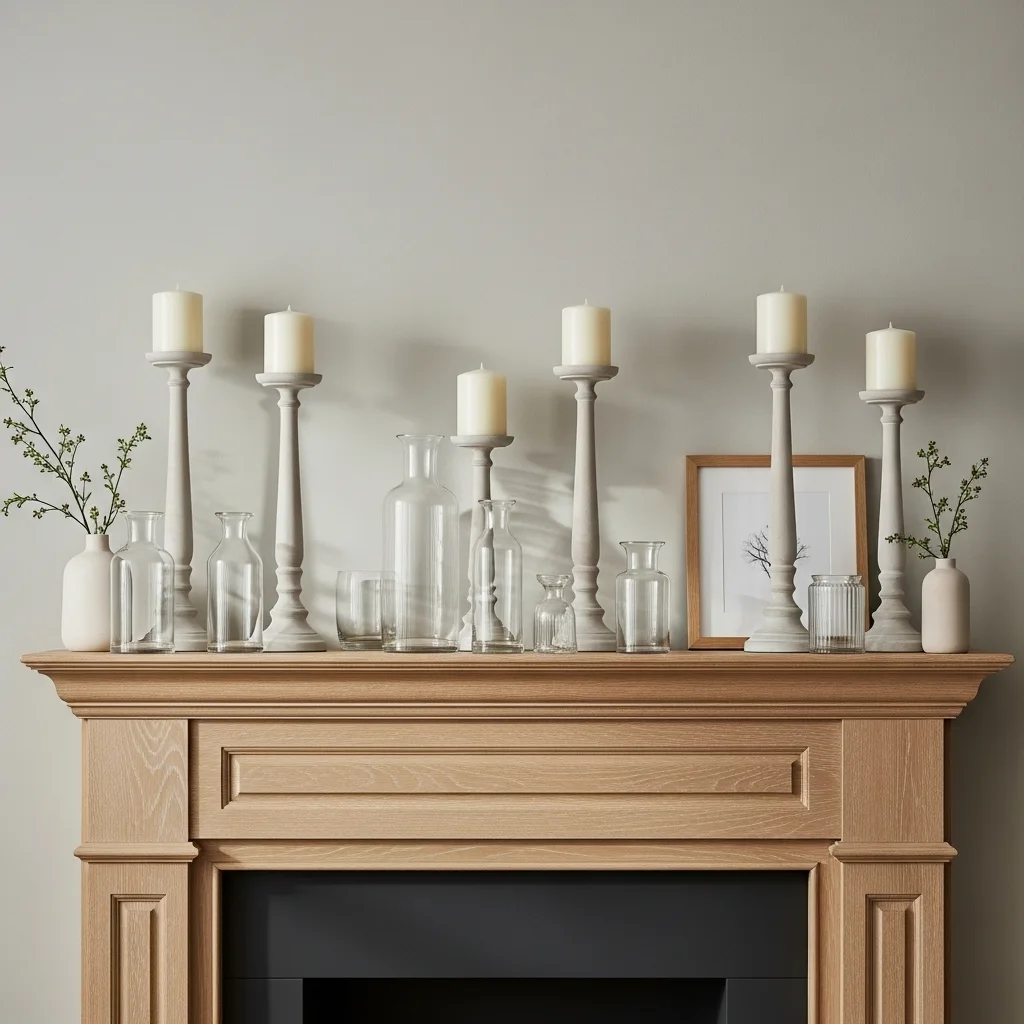
Candles are not just for winter. On a spring mantel, they add softness and a gentle sense of rhythm without darkening the space.
A typical setup includes candles in light-colored holders or glass vessels, spaced loosely across the mantel. The repetition feels calming rather than decorative.
Candles work well as background elements. They stay relevant whether lit or not, and they blend naturally with seasonal decor changes.
9. Asymmetrical Mantel Styling
Perfect symmetry can feel heavy in spring. Asymmetrical styling keeps the mantel feeling relaxed and organic.
An example includes grouping decor on one side while leaving the other side lighter or anchored by a single taller piece. This creates movement across the mantel.
Asymmetry allows freedom. You can adjust balance easily without rebuilding the entire look, making the mantel feel flexible rather than fixed.
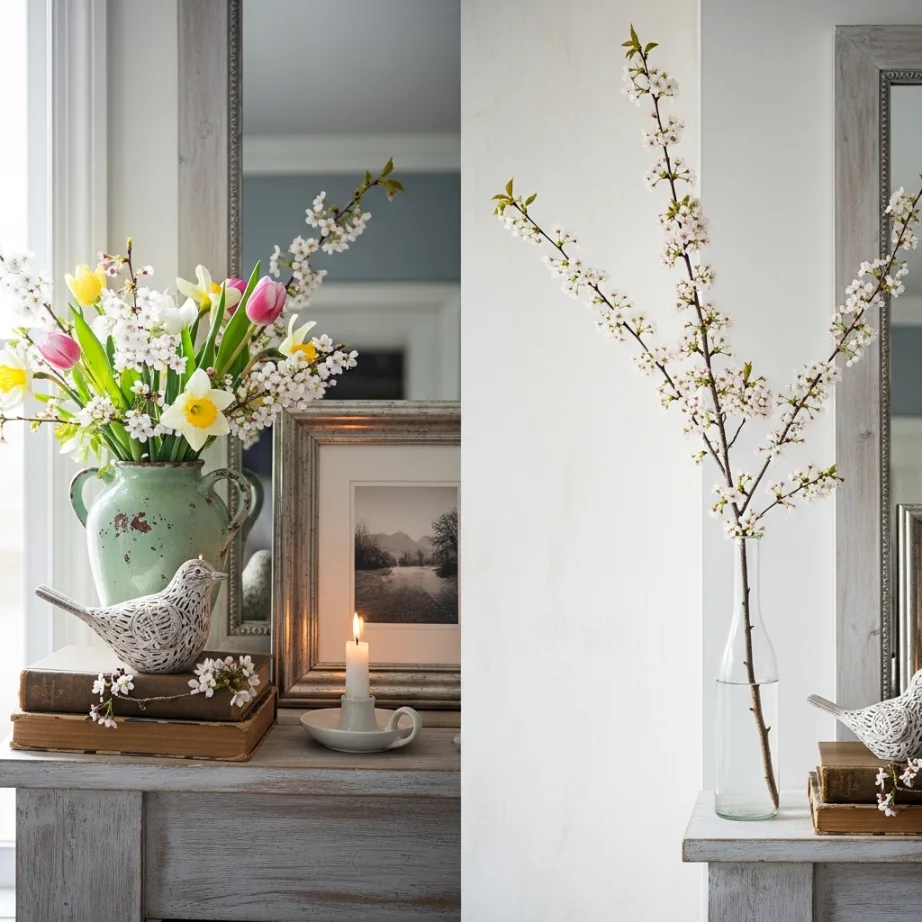
10. Vintage or Thrifted Accent Pieces
Vintage decor adds personality and depth to spring mantel styling. It introduces a sense of history that contrasts nicely with fresh seasonal elements.
Examples include old books, antique frames, small clocks, or weathered objects mixed in with lighter decor. These pieces make the mantel feel collected, not staged.
Vintage accents can stay year-round. They adapt naturally as you refresh the mantel for different seasons.
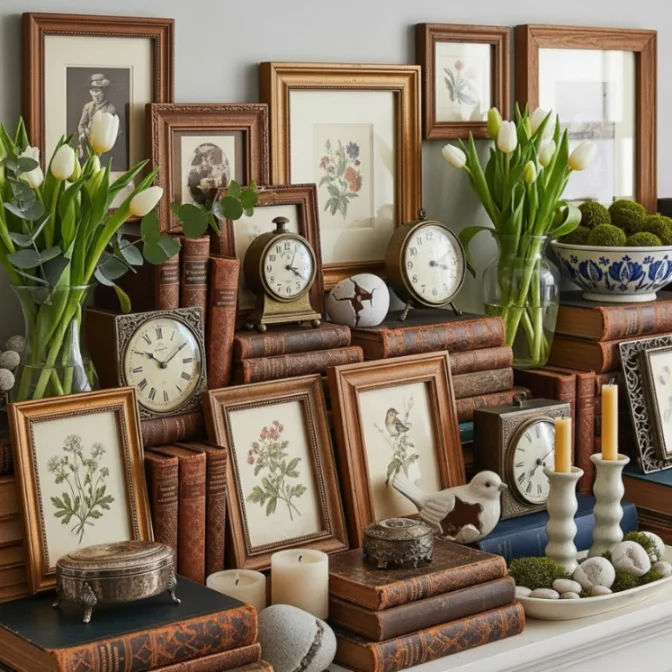
11. Light Fabric or Garland Details
Fabric elements soften the mantel and introduce subtle movement. In spring, lighter fabrics work best.
A common idea is draping a light garland, ribbon, or even a soft fabric banner across part of the mantel. It should feel loose, not tight or structured.
These elements are easy to remove or change, making them ideal for seasonal transitions without long-term commitment.
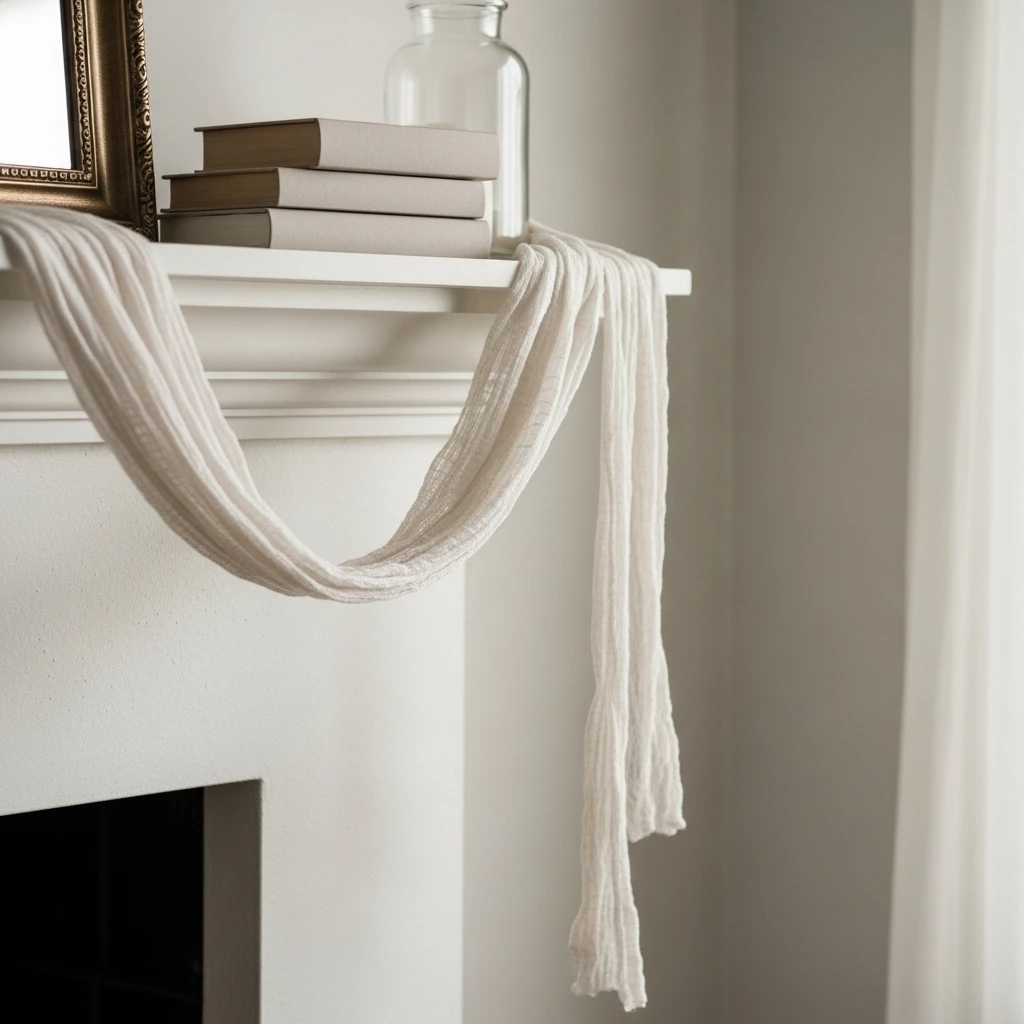
12. Keeping Negative Space Intentionally
One of the most important spring mantel ideas is knowing when to stop. Leaving space allows each piece to stand out.
An example is placing fewer objects but giving them room to breathe, instead of filling every inch of the mantel.
Negative space keeps the mantel feeling calm and prevents visual fatigue, which is especially important in spring.
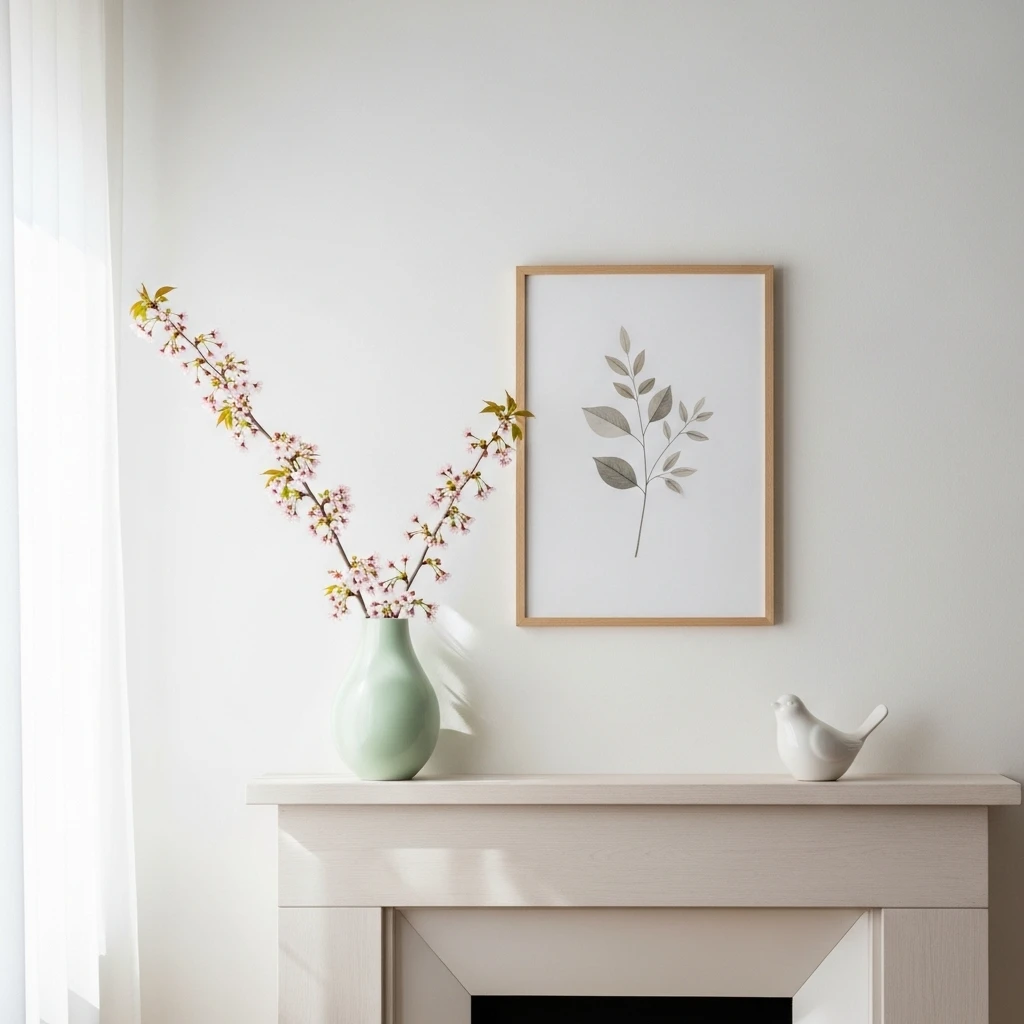
13. A Mantel That Evolves Slowly Through the Season
The best spring mantel is not finished in one day. It changes slightly as weeks pass.
You might start with greenery, then add florals later, then remove pieces as summer approaches. The mantel becomes part of daily living, not a fixed display.
This approach removes pressure and keeps the space feeling natural, which is the heart of spring decor.
Conclusion
Spring mantel decorating is about lightness, balance, and allowing the space to feel alive without feeling busy. When the mantel feels calm and intentional, the entire room benefits.
These 13 gorgeous spring mantel decorations show that you do not need dramatic changes to make a meaningful impact. Thoughtful layering, soft materials, and breathing room do more than any trend ever could.
When a mantel feels easy to live with, it quietly becomes one of the most comforting spots in the home.
FAQs
1. How do I decorate a mantel for spring without cluttering it?
Use fewer items, focus on light textures, and leave negative space.
2. What colors work best for spring mantel decor?
Soft neutrals, light pastels, and natural tones work best.
3. Do I need fresh flowers for a spring mantel?
No, faux florals or greenery work just as well and last longer.
4. Can I keep my spring mantel simple?
Yes, simple mantels often feel more elegant and calming.
5. Should mantel decor be symmetrical?
Not necessarily, asymmetry often feels more relaxed and natural.