13 Creative Plant Decor Ideas: Turning Your Home into a Living Sanctuary
I recall the exact moment I realized my apartment felt more like a sterile box than a home. I had the expensive furniture and the “perfect” minimalist art, but it lacked life. That is when I brought home my first Fiddle Leaf Fig, and suddenly, the room breathed. IMO, plant decor is not just about aesthetics; it is about engineering a space that heals your soul and purifies your air. You do not need a massive backyard or a “green thumb” to create a jungle vibe. You just need to stop thinking about plants as temporary accessories and start seeing them as the main characters of your interior design story.
I have spent way too many hours scrolling through botanical retreat photos to realize that the secret to “mighty” plant decor is layering levels and textures. It is about making the most of every corner, from your kitchen windowsill to the empty space under your stairs. Whether you are a serial plant-killer or a seasoned gardener, these fresh ideas will help. We are going to find a home for every succulent and fern while making the whole space look like a curated masterpiece. Ready to turn your home into a green sanctuary? Let’s dive into these thirteen plant decor secrets.
1. Window Herbs
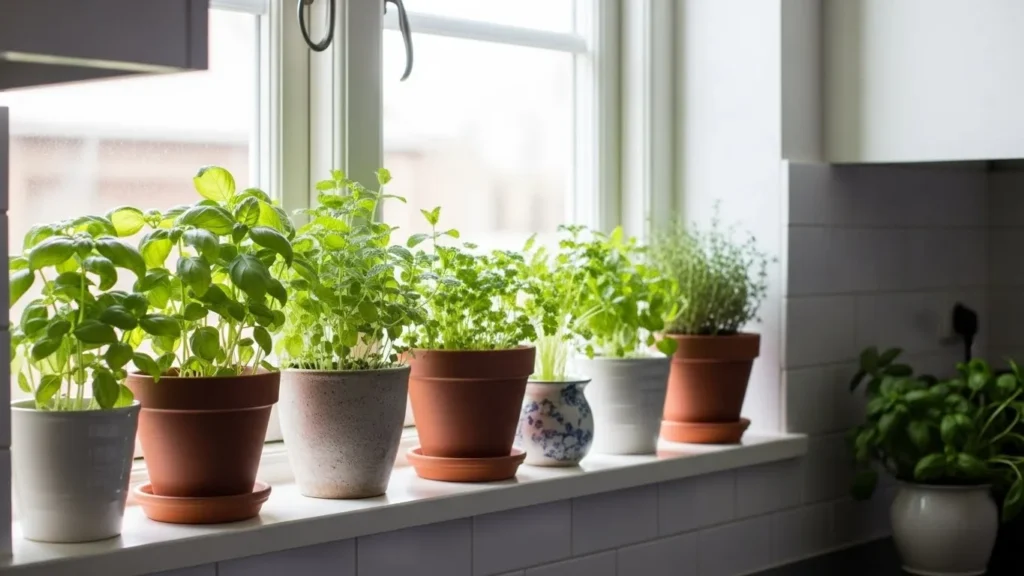
If you want to instantly add life and flavor to your home, you have to start in the kitchen. I suggest growing culinary herbs like basil, mint, parsley, and thyme in pots right on your kitchen windowsill. This setup takes full advantage of the natural light that is crucial for plant growth while keeping fresh ingredients within arm’s reach while you cook. It turns a boring window into a functional, fragrant mini-garden.
To keep it feeling luxury, use a variety of pot styles and sizes that complement your kitchen’s hardware. I personally love using sleek ceramic or terracotta pots to add a decorative element to the counter. FYI, always ensure your pots have drainage holes to prevent waterlogging, which can lead to the dreaded root rot. 🙂 It is a simple move that makes your morning coffee routine feel like a high-end farm-to-table experience.
I find that window herbs are the best way for beginners to start their plant journey because you interact with them every day. You notice the new growth and the scent every time you walk by. It provides everything you need for a professional-grade kitchen aesthetic that feels both useful and beautiful. It signals that your home is a place where health and design live together.
2. Vertical Walls
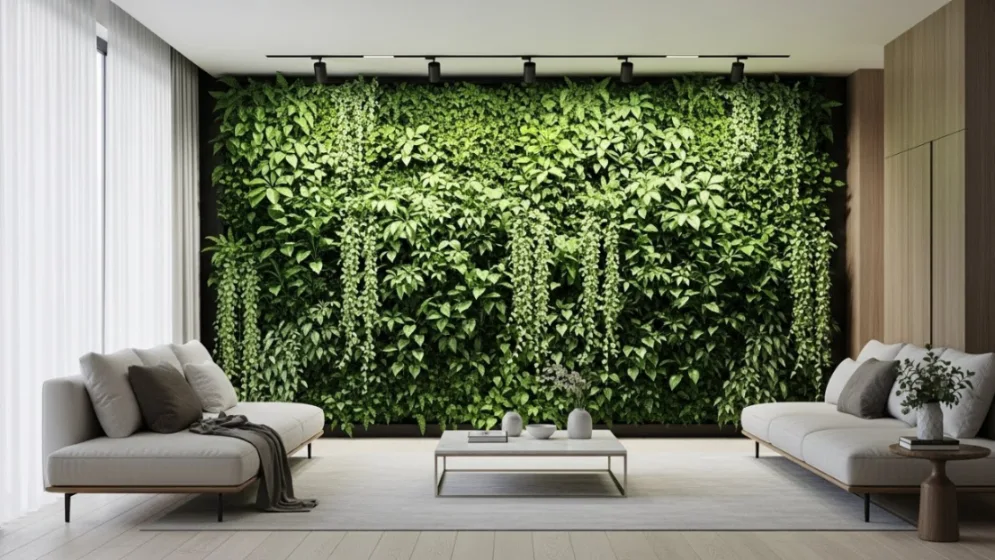
If you are dealing with a tiny apartment and have zero floor space, you have to think vertically. I suggest creating a “green wall” using a vertical garden system on your living room wall. This space-saving solution allows you to bring a massive amount of greenery indoors without cluttering your walking paths. It acts as a living piece of art that changes every single day.
For a successful vertical garden, I suggest choosing plants with similar light and water needs, like ferns, succulents, or ivies. These species offer different textures and colors that create a rich, layered visual interest. To keep it feeling luxe, ensure the wall gets adequate light, either from a nearby window or by supplemented grow lights. It turns a flat wall into a professional-grade botanical installation.
I personally love how a green wall softens the hard angles of a modern room. It provides a sense of modern geometry and comfort that is hard to achieve with paint alone. :/ It is a smart way to maximize your visual appeal and keep the room looking curated and expensive. Every time you walk into the room, that wall of leaves will remind you that you are in a sanctuary.
3. Corner Palms
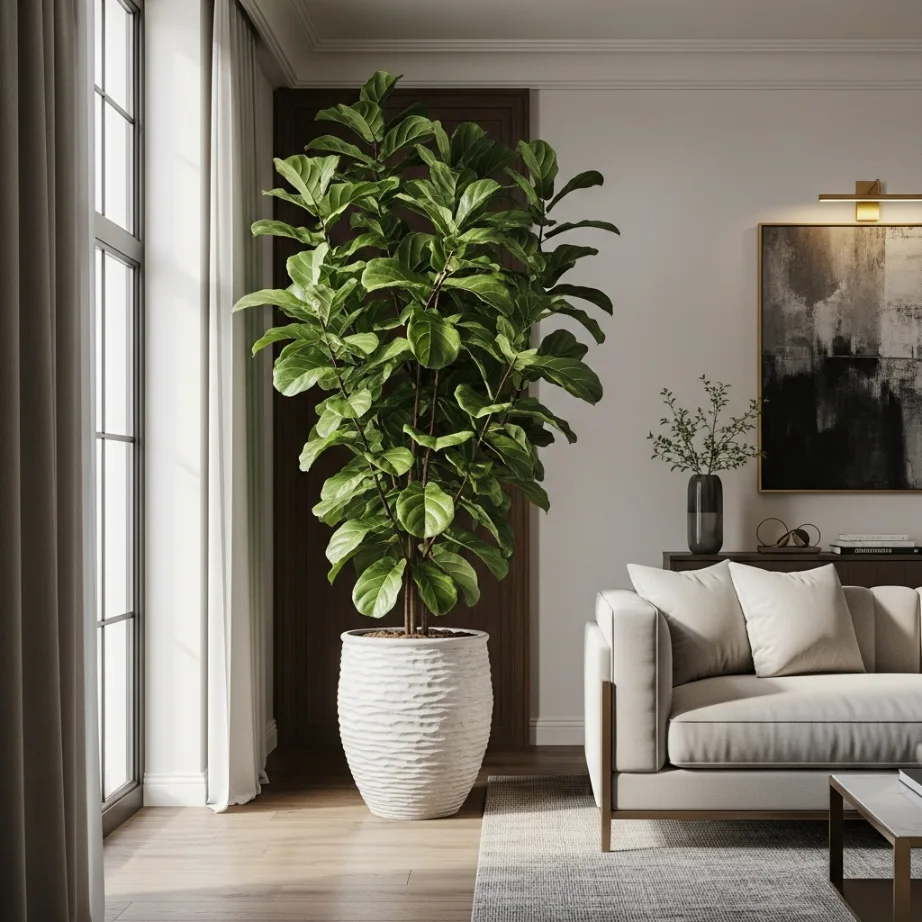
Underused corners are the perfect places for a dramatic statement. I suggest placing large potted plants, like Fiddle Leaf Figs, Rubber plants, or Palms, in the corners of your main rooms. These massive plants utilize often-wasted space and add a dynamic vertical element that draws the eye upward. It makes your ceilings feel higher and your room feel more “grand.”
I am a big fan of using these large plants to soften the hard corners of a room, making the atmosphere feel more inviting and cozy. To keep it feeling luxury, choose an oversized planter that matches your decor—think sleek ceramics for a modern look or rustic wicker for a boho vibe. It signals that your room was designed with intention and a touch of drama.
I find that a single, large plant is much more effective than ten small ones cluttered together. It provides a focal point that feels expensive and curated. Always ensure these “giants” have enough room to grow without crowding your furniture. It is a functional detail that signals a five-star experience in your own home. FYI, palms are particularly good for creating a lush, green backdrop for your sofa. 🙂
4. Floating Bonsais
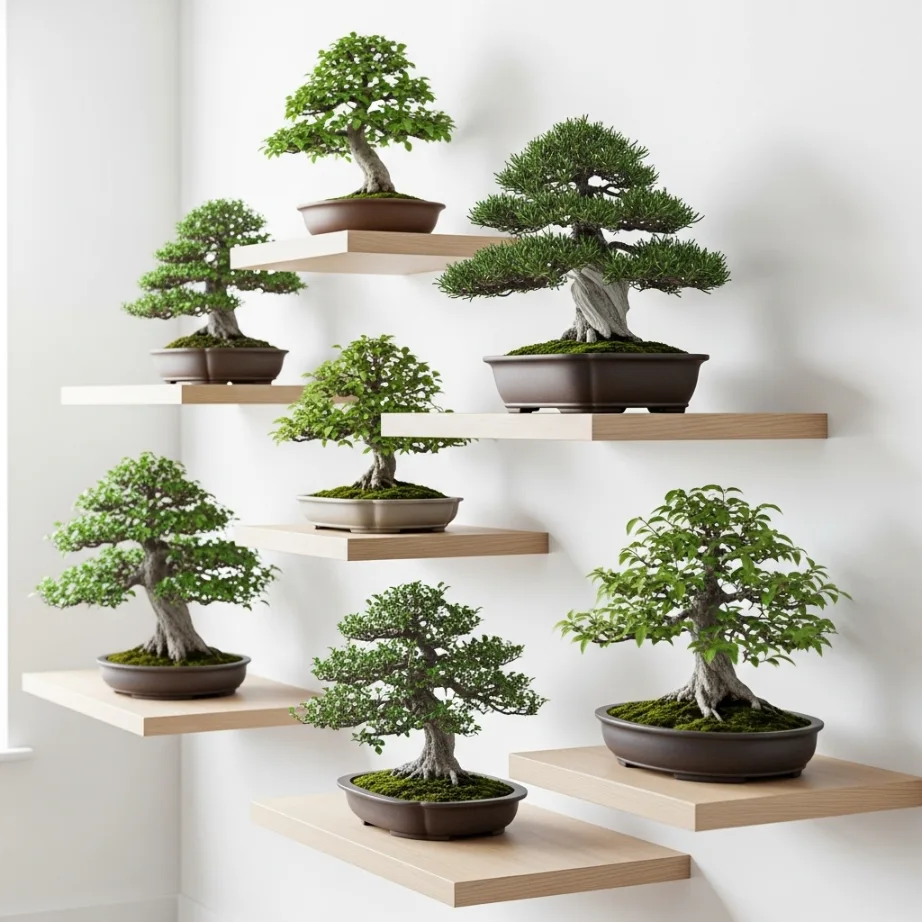
For a touch of disciplined beauty and Japanese tradition, you need to think about miniature trees. I suggest displaying a collection of Bonsais on staggered floating shelves. Bonsai is a highly regarded art form that brings a sense of tranquility and Zen to any room. Placing them on shelves allows each tree to stand out as an individual piece of art.
When setting this up, I personally suggest arranging the shelves in a staggered pattern to create visual interest. Choose shelves that complement the style of your bonsai pots, whether they are traditional clay or modern ceramic. To keep it feeling luxury, make sure each tree receives adequate light, which is crucial for their long-term health and growth. It turns a boring wall into a masterpiece of light and form.
I find that the presence of Bonsai trees adds a layer of depth and luxury storytelling that tells everyone you appreciate patience and craft. It provides a sense of modern geometry and comfort while keeping the room feeling light and airy. :/ It is a sophisticated way to bring nature indoors without needing a massive amount of horizontal space.
5. Plant Bookshelves
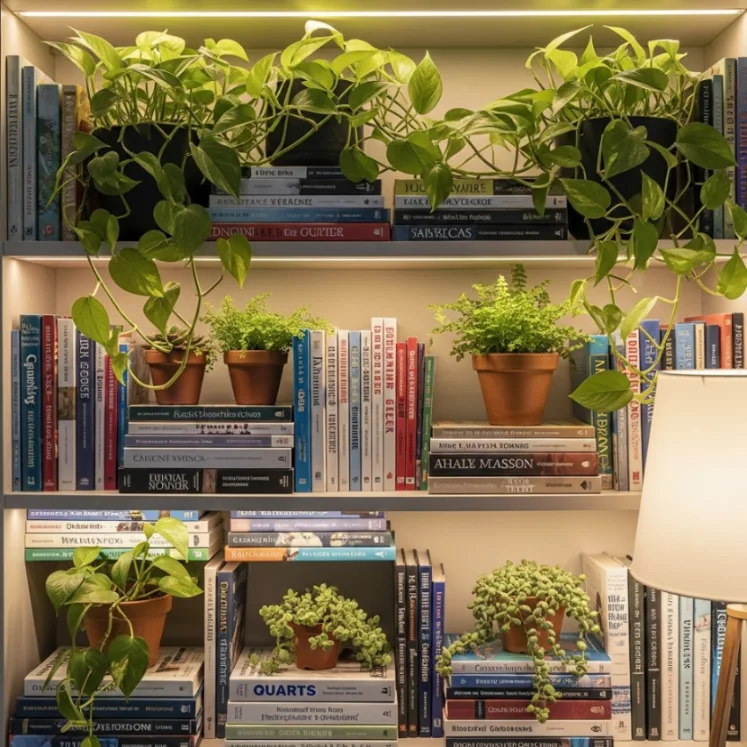
If you have a library that is looking a bit dusty, it is time to add some life. I suggest designing a bookshelf filled with a mix of books and plants. You can mix and match different species like small ferns, trailing ivies, and vibrant succulents to create a diverse and lively indoor garden. This approach is especially great for those with limited floor space who still want variety.
When setting up your plant bookshelf, I suggest placing plants that need more light near the top if your light source is above. Use trailing plants like pothos on the higher shelves so they can cascade down over the books. To keep it feeling luxury, use decorative pots that add a pop of color or match your home’s hardware. It turns a functional piece of furniture into a professional-grade design statement. 🙂
I personally love the “layered” look of greenery peeking out from behind book spines. It adds a layer of luxury storytelling that makes your home feel lived-in and loved. It provides everything you need for a cozy, bookish sanctuary that feels both ancient and fresh. It signals that your home is a place for both learning and growing.
6. Citrus Trees
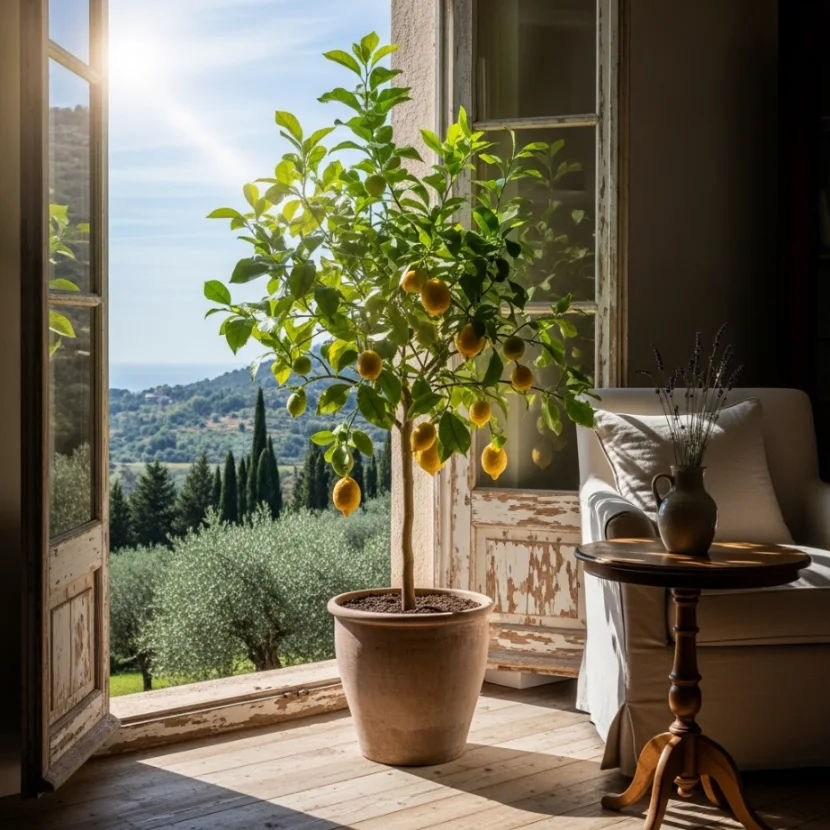
Nothing brings a sense of a Mediterranean holiday to your living room like a fruit-bearing tree. I suggest adding a small indoor citrus tree, such as a dwarf lemon or lime variety. These trees are particularly appealing because they offer fragrant blossoms and the potential for actual fruit right in your lounge. It is the ultimate flex for any indoor gardener.
To keep it feeling luxury, ensure your citrus tree is placed in a spot with ample indirect sunlight—southern or western exposures work best. I find that a large terracotta pot is the best home for these trees, as it maintains that classic orchard vibe. It adds a layer of depth and a scent that no candle can replicate. It signals that your home is a vibrant, productive sanctuary.
I personally suggest keeping a close eye on watering, as citrus trees can be a bit picky. But when they bloom, the fragrance is absolutely divine. It provides a sense of modern geometry and comfort that makes your room feel like a high-end garden suite. FYI, palms are a great alternative if your room doesn’t get enough light for citrus. 🙂
7. Coffee Table Succulents
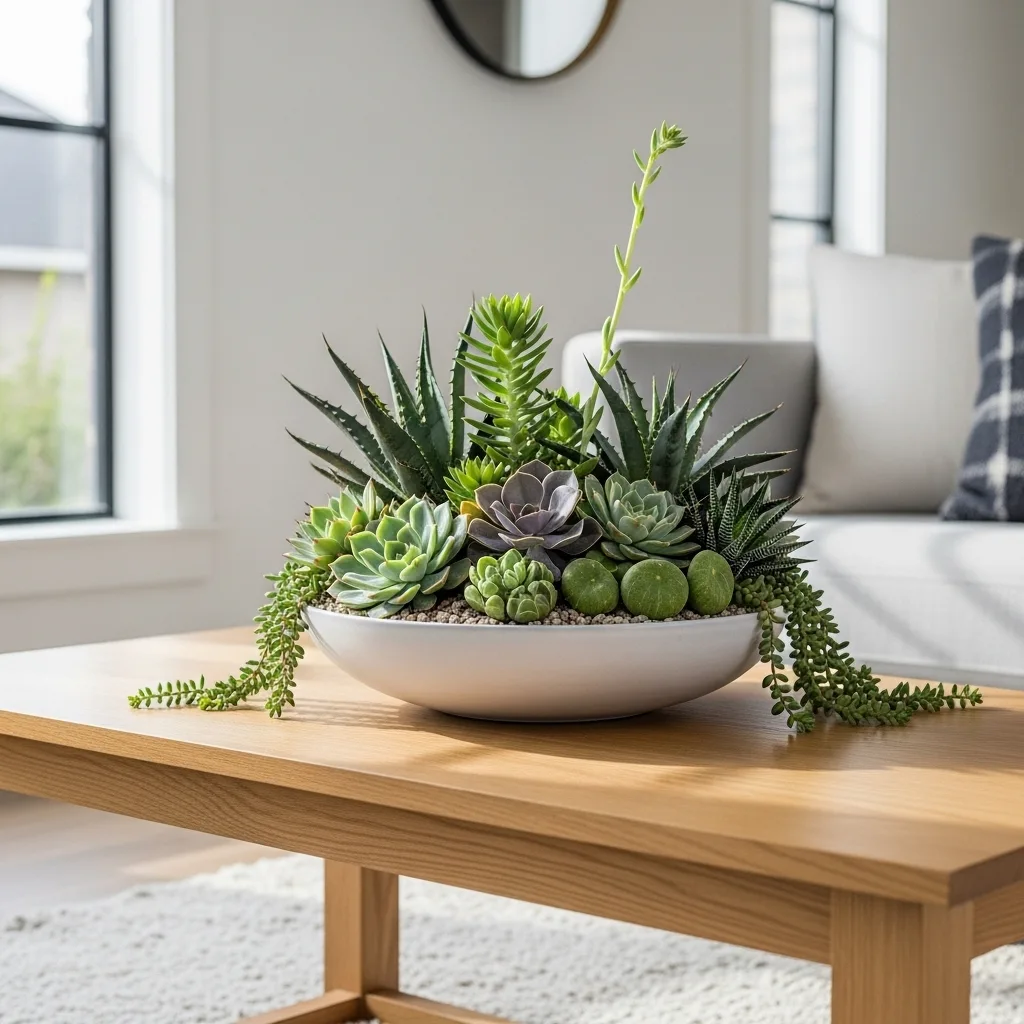
Your coffee table is the center of your social space, so it needs a focal point that doesn’t block the view. I suggest incorporating a small succulent arrangement in a wide, shallow container. Succulents are perfect for this because of their compact size and incredibly low maintenance needs. They stay small and look sharp for months with minimal effort.
To create a luxury look, I personally suggest arranging succulents of varying heights, textures, and colors to create depth. Think about balancing a tall, spiky aloe with round, plump echeverias and some trailing string-of-pearls over the edge. Choose a container that matches your table’s design—perhaps a modern glass terrarium or a rustic wood box. It turns a boring table into a tactile, sensory experience.
I find that succulents are the best “entry-level” plants for those who travel often. They are hardy and can thrive even if you forget about them for a week or two. :/ It is a functional detail that signals a high-end, carefully planned space. Place the arrangement where it gets adequate light but avoids direct scorching sun. It is a smart move that keeps your room looking curated and fresh.
8. Bathroom Ferns
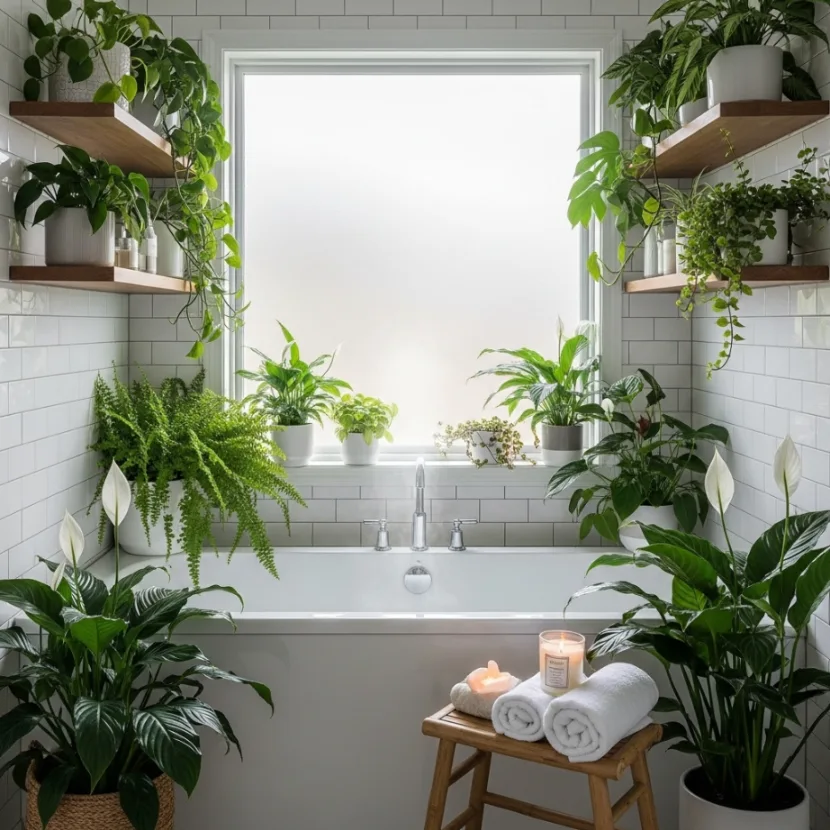
Most bathrooms have high humidity and low light—conditions that many plants hate, but some love. I suggest using humidity-loving plants like Boston ferns, Bird’s Nest ferns, or even Orchids in your bathroom. These plants flourish in moist conditions and can turn a standard bathroom into a tropical spa. It is a simple way to upgrade your self-care routine.
I find that orchids are a particularly attractive option because they bloom beautifully with minimal light in humid spaces. To keep it feeling luxury, place smaller plants on shelves or the edge of the sink, and larger ones in corners. If you have a small bathroom, consider hanging them from the ceiling to save counter space. It adds a layer of tranquility and comfort that feels very high-end.
I personally love the air-purifying qualities of plants like the Peace Lily or Philodendron in a bathroom. They keep the air fresh while adding a lush, green backdrop to your morning shower. It provides everything you need for a professional-grade sanctuary that feels both clean and organic. FYI, ferns look particularly good when paired with white marble or natural wood. 🙂
9. Ladder Gardens
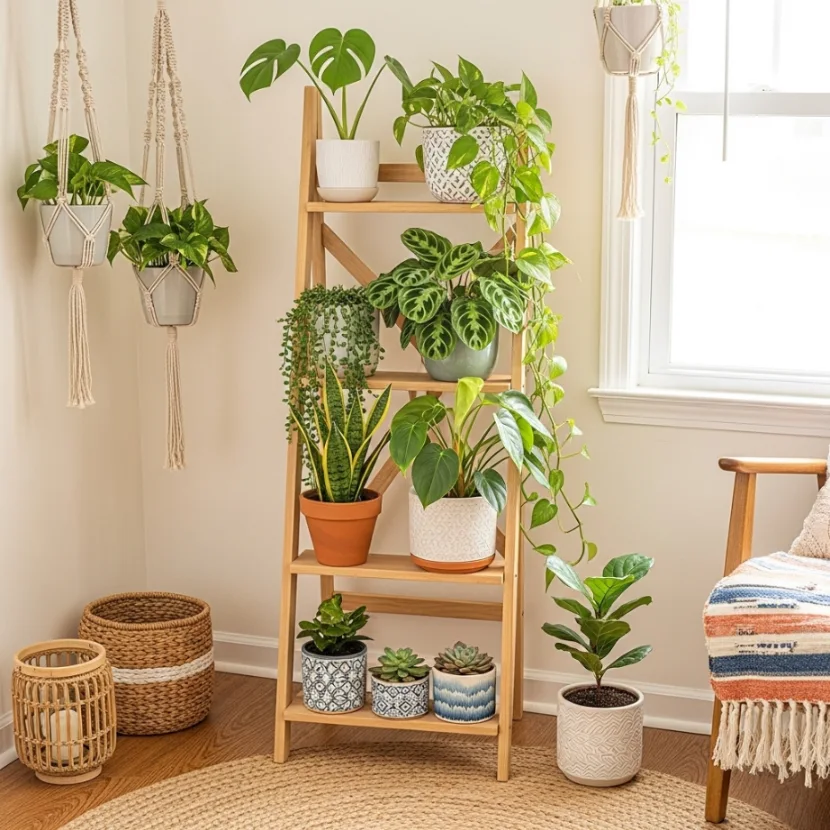
If you want a rustic, tiered look for your plant collection, you need to use the vertical space of a ladder. I suggest arranging a variety of plants on a wooden or metal step ladder. This tiered display adds height and visual interest to any room, whether it’s in the corner of your living room or out on the patio. It is a classic move for the “Boho” enthusiast.
To create a professional look, I suggest placing larger, heavier pots on the lower steps and smaller, more delicate ones as you go up. Choose a mix of trailing plants like pothos to drape down from the higher steps for a “waterfall” effect. To keep it feeling luxury, ensure each plant has enough room to grow and is clearly visible. It turns a functional tool into a masterpiece of light and texture.
I personally love the “mini-garden” vibe this creates in areas where ground space is limited. It provides a sense of modern geometry and comfort that is hard to achieve with single pots on the floor. It signals that your home is a place for creative growth and organic beauty. It is a sophisticated way to gain focus in a room that needs a bit of personality. :/
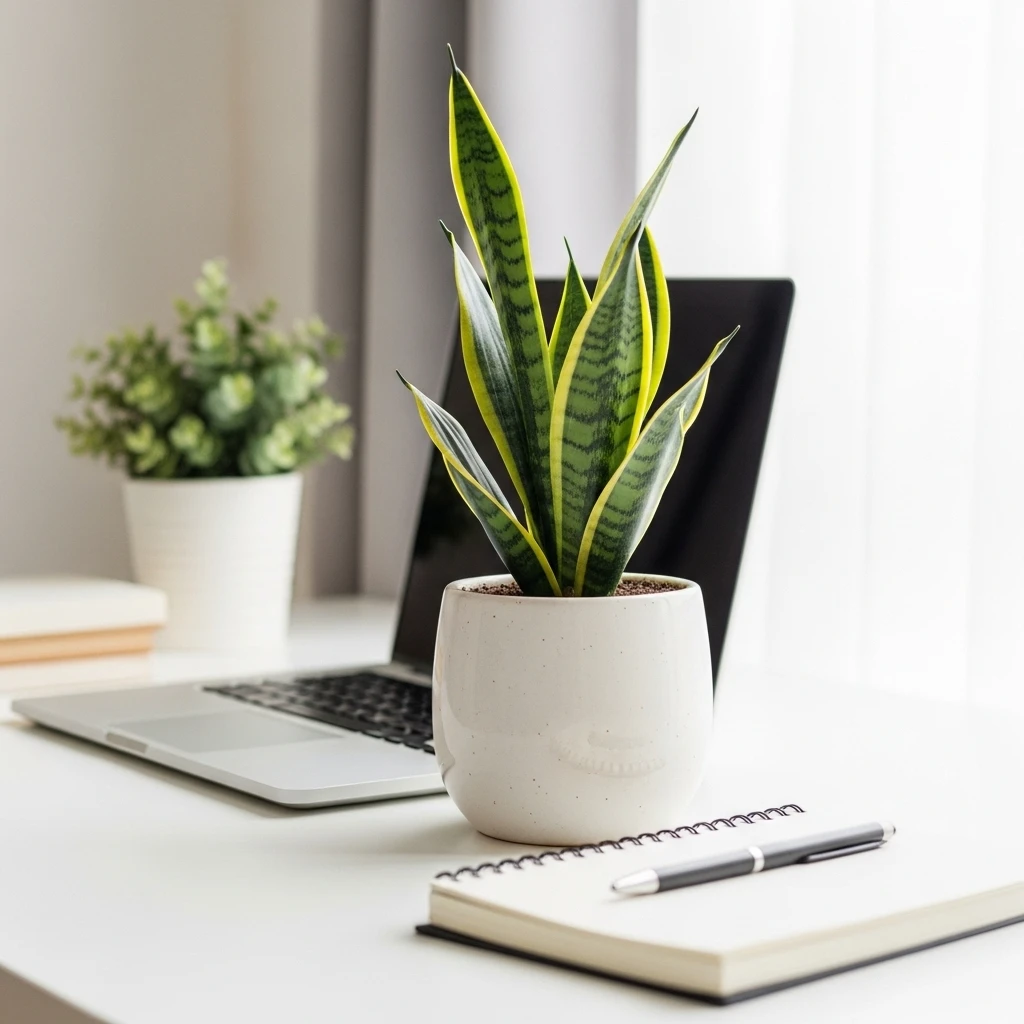
10. Desk Buddies
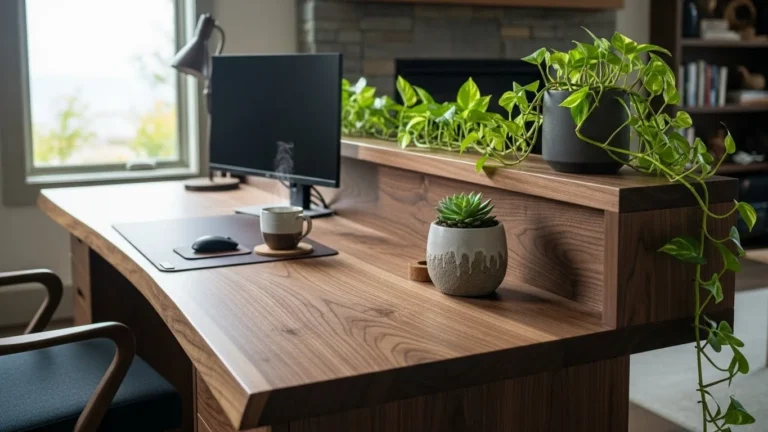
Work-from-home life can be draining, but a little greenery can fix your mood. I suggest keeping small potted plants that thrive in low light, like succulents, cacti, or air plants, right on your home desk. These are incredibly low-maintenance, needing only occasional watering, which is perfect for a busy workspace. It is a small detail that makes a massive difference in your productivity.
I am a big fan of the Snake Plant for desks because it is known for its air-purifying qualities and can thrive even if you neglect it for a while. To keep it feeling luxury, use decorative pots that match your office decor or add a pop of vibrant color. It adds a touch of modern geometry and comfort to your daily grind. It signals that you are a professional who values a healthy, beautiful work environment.
I find that having a “desk buddy” keeps you connected to nature while you are staring at a screen all day. It provides a visual break and adds a layer of luxury storytelling that feels very curated. FYI, Peace Lilies are also great because they can flourish under fluorescent office lights. 🙂 It is a smart move that turns a boring workspace into a sanctuary of focus.
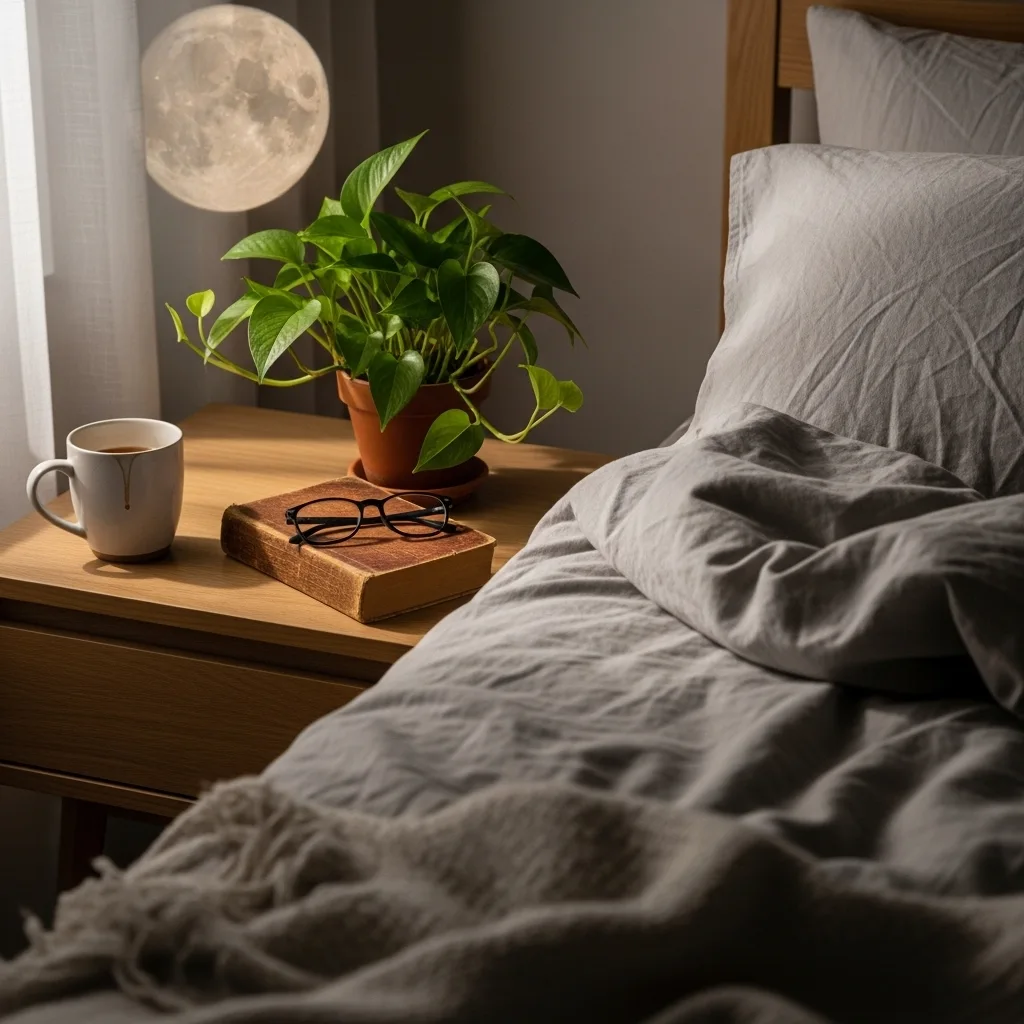
11. Bedside Planters
Your bedroom should be the most peaceful room in the house. I suggest placing small planters on your nightstand or at your bedside. Choose plants that are beneficial for sleep, like Lavender, which emits a soothing scent, or Snake Plants, which filter out toxins while you sleep. It turns your bed into a high-end wellness retreat.
To keep it feeling luxury, choose planters that complement your bedroom’s color palette. I personally suggest keeping these plants small so they don’t take up too much space on your nightstand. A single, impactful plant like a Peace Lily can improve your air quality and help you wake up feeling refreshed. It adds a layer of tranquility and depth to your sleeping space.
I find that the presence of greenery at your bedside creates a sense of modern geometry and comfort that is hard to find in standard furniture. It signals that your home is a place for rest and restoration. :/ It is a functional detail that signals a five-star hotel experience in your own bedroom. Every time you wake up, that touch of green will remind you that you are in a sanctuary.
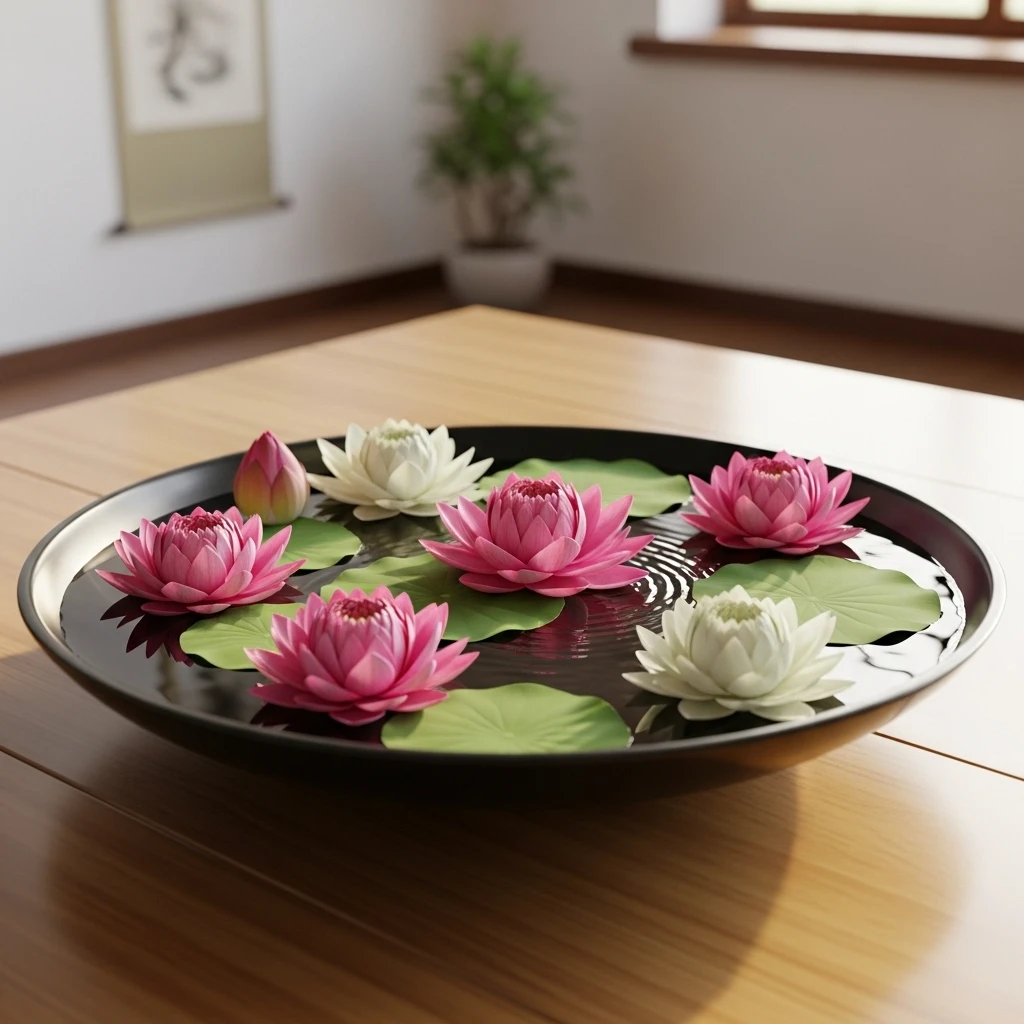
12. Floating Lotus Bowls
If you want to add a touch of Zen and the sound of tranquility to your home, you need water. I suggest using a broad, shallow water bowl to display floating aquatic plants like Lotus or Water Hyacinth. This setup is relatively simple to maintain and creates an instant focal point in a living room, patio, or even a large bathroom. It is the ultimate tool for a high-end, peaceful vibe.
To get started, I personally suggest selecting a broad bowl made of glass, ceramic, or metal to complement your existing decor. Fill it with distilled or dechlorinated water and place it in a spot that receives several hours of direct sunlight daily. To keep it feeling luxury, ensure the bowl is durable and waterproof. It turns a boring table or corner into a masterpiece of light and water.
I find that the sight of a floating lotus provides everything you need for a professional-grade meditative space. It provides a sense of modern geometry and comfort while adding a unique sensory element to your home. FYI, both lotus and water hyacinth are known for their striking flowers and beautiful floating foliage. 🙂 It is a sophisticated way to bring the “outside in” in a way that most people never think of.
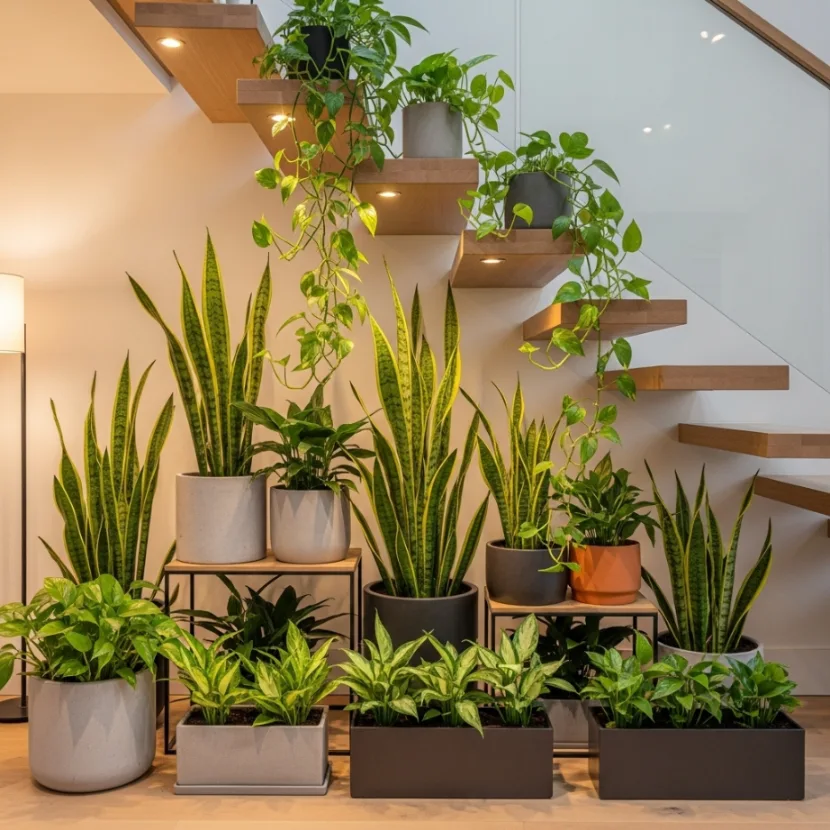
13. Stairwell Nooks
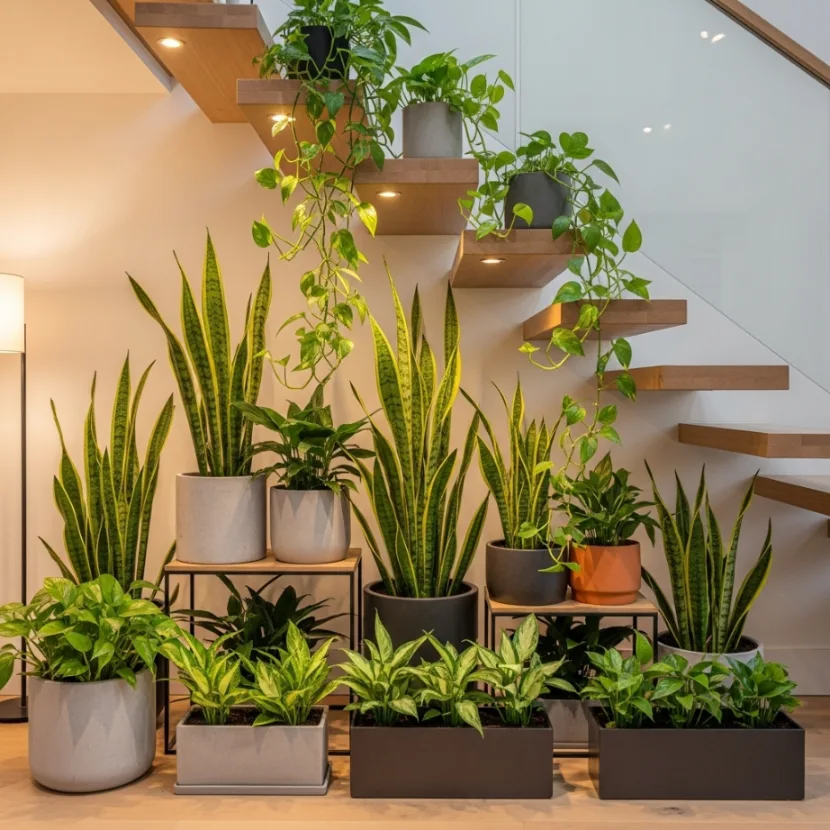
The space under the stairs is often ignored, but it is actually the perfect place for an indoor garden. I suggest filling that space with a tiered arrangement of plants that thrive in indirect light, like Snake Plants, Pothos, or Philodendrons. This turns a “dead zone” into a lush, green nook that feels like a secret garden.
I personally love the look of mixing heights and textures here—use tall plants to draw the eye upward and shorter, bushy ones to fill the lower gaps. To keep it feeling luxury, use a mix of decorative pots and perhaps a few small spotlights to highlight the leaves. It adds a layer of luxury storytelling that tells everyone you make the most of every inch of your home. It provides a sense of modern geometry and comfort in an unexpected place.
I find that under-stair gardens are the best way to add “soul” to a modern house design. It creates a tiered look that feels very intentional and high-end. :/ It signals that your home is a place where every corner is curated with love. It is a smart move that turns a boring structural element into a masterpiece of home design.
Conclusion
Maximizing your plant decor is all about honoring nature while injecting it with your own sense of light and luxury. You have the perfect excuse to go bold with your greenery because plants are the most flexible decor items you can own. Whether you choose a dramatic vertical wall or a simple bedside lavender, the key is to make every choice intentional. Think about how the light hits the leaves and how the textures of the pots ground your space. Don’t be afraid to start your plant project this weekend. Your home is waiting for its living, breathing sanctuary glow-up. Remember, even the smallest apartments can have the biggest style. Stay creative and keep making your space yours.
FAQs
- How do I choose the right plant for a dark corner? Most plants need some light, but “shade-tolerant” species like Snake Plants, ZZ Plants, and Pothos are your best bet for those darker spots. IMO, if you can read a book in that corner during the day, these plants will usually survive just fine.
- How often should I really be watering my indoor plants? The biggest mistake people make is overwatering! I personally suggest the “finger test”—stick your finger an inch into the soil; if it feels dry, it’s time to water. FYI, most succulents only need water once every 2-3 weeks, while ferns might need it every few days. 🙂
- Can I use regular garden soil for my indoor pots? I suggest against it! Regular garden soil is too heavy and can harbor pests. Always use a high-quality “potting mix” specifically designed for indoor use, as it provides better drainage and air circulation for the roots.
- How do I keep my plants clean and shiny? Dust can block a plant’s ability to “breathe” and photosynthesize. I personally suggest wiping large leaves (like those on a Fiddle Leaf Fig) with a damp cloth every few weeks. It keeps them looking professional and healthy. :/
- Are there any plants that are dangerous for pets? Yes! Some common plants like Lilies, Aloe Vera, and even some Philodendrons can be toxic to cats and dogs. Always check the safety of a plant before bringing it into a home with furry friends. It is a small check that keeps everyone safe.