10 Scandinavian House Exteriors ideas: Mastering the Art of Nordic Minimalism
I remember standing on a rocky shoreline in Norway, looking at a cluster of houses that seemed to hum with a quiet, confident energy. They weren’t trying to outshine the fjords or the massive pine forests. Instead, they sat there with these sharp, clean lines and natural wood finishes that felt like a love letter to the environment. It was a complete shift in my design perspective. IMO, Scandinavian architecture is the gold standard for “quiet luxury.” You don’t need gold-plated gates or massive columns to show off. You just need perfect proportions, high-quality materials, and a deep respect for the light.
I’ve spent years analyzing why these Nordic homes look so much more expensive than a standard suburban build, and the secret is “intentional simplicity.” It is about stripping away the fluff until you are left with a silhouette that is both functional and beautiful. Whether you are building in a snowy mountain range or a sunny city plot, these ideas will help you capture that effortless Scandi cool. We are going to turn your home’s exterior into a sophisticated masterpiece that feels modern, grounded, and entirely timeless. Ready to embrace the power of the North? Let’s dive into these ten Scandinavian exterior secrets.
1. The Charred Black Monolith
If you want an exterior that makes a massive architectural statement without saying a word, the charred black look is your best friend. This technique, often inspired by “Shou Sugi Ban,” creates a deep, textured black finish on the wood that is incredibly durable. It takes a simple house shape and turns it into a solid, sculptural object that looks stunning against a backdrop of green trees or white snow. It is a very bold and designer move.
To keep it feeling luxury, use large, floor-to-ceiling glass panels to break up the dark mass. The reflection of the sky against the black timber creates a high-end contrast that you just can’t get with lighter colors. FYI, the charred surface is naturally resistant to fire and pests, so it is as practical as it is beautiful. 🙂 This move makes the house feel like a protected, private sanctuary that belongs in a high-end design magazine.
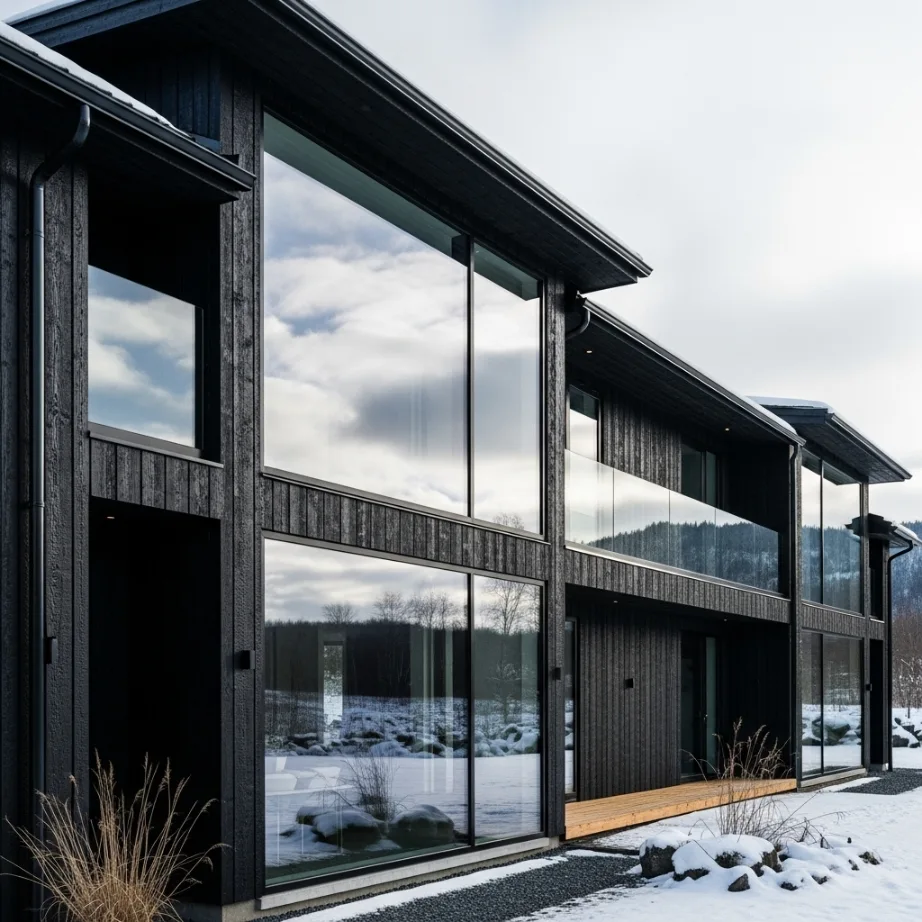
By utilizing a monochromatic black palette, you clear up the visual clutter of the building’s form. It is all about the silhouette. You can even use black window frames and black gutters to maintain the seamless “monolith” look. This is the ultimate way to bring an avant-garde, Nordic edge to your property. It turns your home into a piece of contemporary art that commands respect from every passerby.
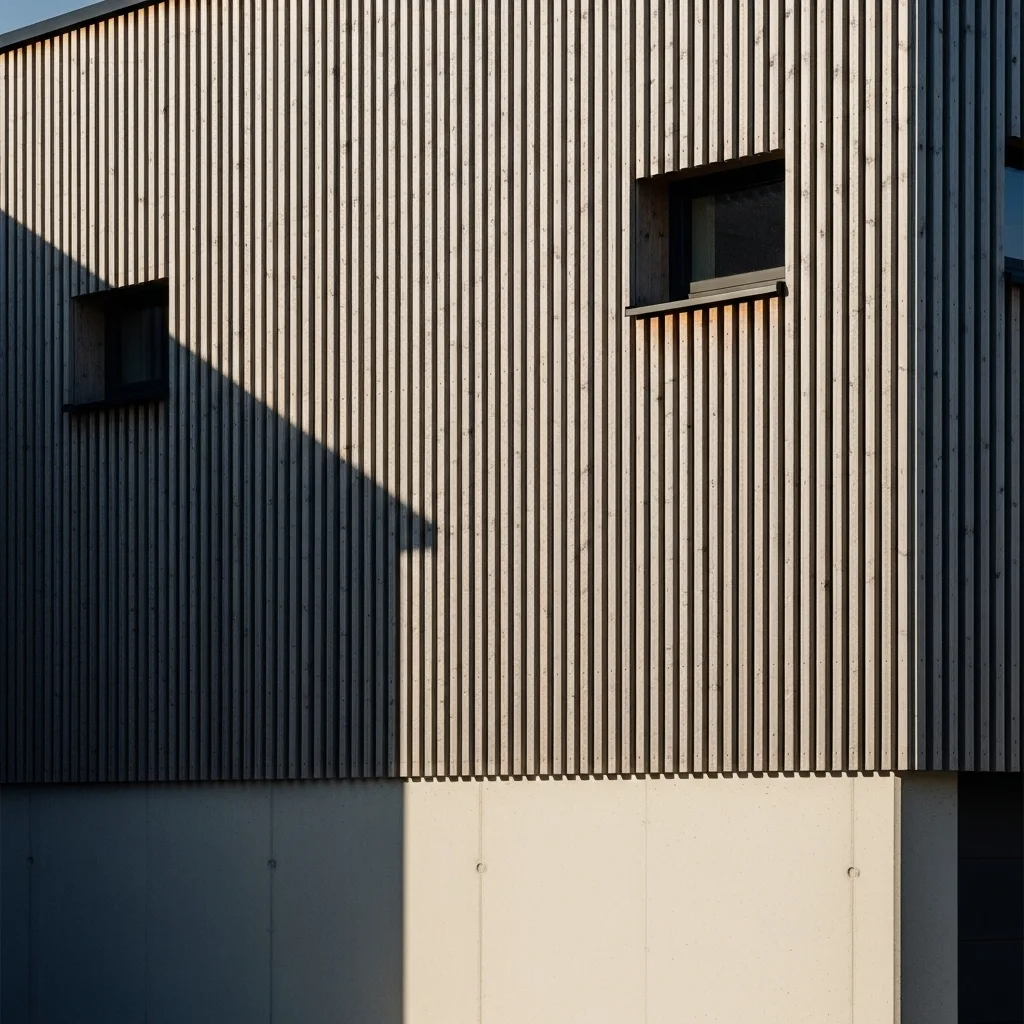
2. The Vertical Cedar Narrow-Slat Siding
Traditional horizontal siding can sometimes feel a bit “suburban” and dated. To give your home a Scandi twist, I suggest using vertical narrow-slat cedar siding. The vertical lines draw the eye upward, making even a small home feel much more grand and architectural. By using thin slats with small gaps between them, you create a beautiful “ribbed” texture that changes as the sun moves across the sky.
I suggest leaving the cedar natural so it can weather into a sophisticated silver-grey over time. To keep it feeling luxe, pair the wood with smooth, light-grey concrete accents at the base. I personally love the look of hidden “pocket” windows that sit flush behind the slats for a very minimalist aesthetic. It adds a layer of depth and luxury storytelling that feels very intentional and custom. It signals that every detail was carefully engineered.
FYI, this look is perfect for anyone who wants a home that feels organic and warm but strictly modern. Keeping the lines vertical ensures that the house feels airy and purposeful. It is a simple shift in direction that elevates the entire vibe of the exterior. You won’t believe how much more expensive a simple house looks when it is wrapped in the fine, rhythmic texture of natural wood.
3. The Single-Pitch Soaring Shed Roof
Scandinavian design is famous for its “Shed Roof” or “Monopitch” silhouette. Instead of the traditional triangle roof, the entire roof slopes in one direction. This creates a massive, high-impact facade on one side of the house, allowing for giant windows that face the view. It is a classic design trick to make a house feel like a high-end observation deck. It looks incredibly sharp and intentional against a flat or sloped landscape.
I find that using a dark metal standing-seam roof for the slope works best. To keep it feeling luxe, use the high side of the house for your main living areas and the low side for private bedrooms. I personally love a deep overhang on the high side to provide a protected outdoor patio that feels like an extension of the interior. It adds a layer of sophistication and makes the house feel much larger than its actual footprint.
Using a single-pitch roof creates a sense of flow and movement. When you stand outside, the house feels like it is reaching for the sky. This design ensures your home remains connected to the light while offering a very high-end aesthetic. It is a sophisticated move for the homeowner who wants a home that feels entirely unique. It is the ultimate flex for a property that prioritizes light and volume.

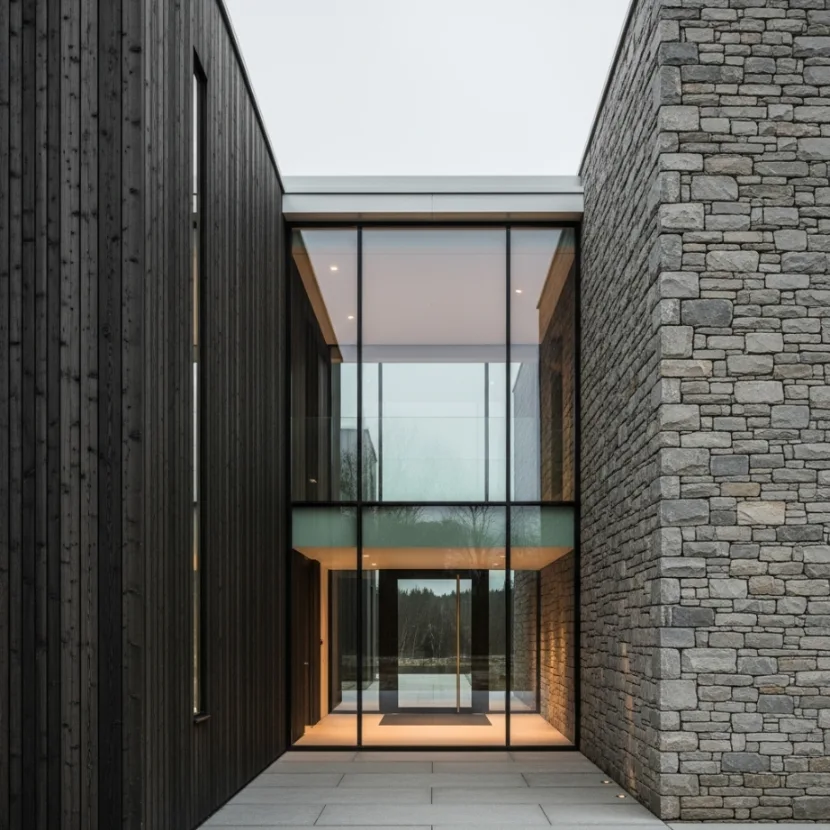
4. The Integrated “Glass Box” Connector
If your home has multiple wings or sections, I suggest using a “glass box” connector to join them. This involves creating a hallway or a small room made entirely of glass that links two timber or stone volumes. It is a classic move in high-end Nordic architecture that creates a stunning “bridge” effect. It breaks up the mass of the house and adds a sense of transparency and lightness that is very sophisticated.
I find that placing the main entrance in this glass connector works best. It provides a bright, welcoming transition between the outside world and the interior. To keep the look modern, use a flat roof for the glass section to contrast with the pitched roofs of the main volumes. It is a sophisticated move that makes the home feel like a custom-designed estate. It adds a layer of luxury that feels very intentional and curated. :/
Using a glass connector creates a sense of flow that stops the exterior from feeling like a heavy, solid block. When you move through the house, you are constantly passing by views of your own garden. This design ensures your home remains connected to the elements. It is a sophisticated move for the homeowner who wants a house that feels like a series of private pavilions. It is the ultimate flex for a modern, sprawling lifestyle.
5. The Pale Pine and White Stucco Combo
For a Scandi look that feels bright and coastal, I suggest the “Pale and White” combination. This involves pairing light-colored pine or spruce siding with smooth, white-stucco walls. It is a very clean and airy palette that reflects the light beautifully. It removes the “heavy” feeling of traditional brick and creates a home that looks like it belongs on a serene Swedish island. It is a high-end look that is surprisingly easy to achieve.
I am a big fan of using the wood for the upper floor and the white stucco for the base. It creates a “floating” effect that makes the house feel light on its feet. To keep it feeling luxury, use white window frames to blend in with the stucco and light wood frames for the timber sections. This essentially turns your home into a bright, minimalist sanctuary. It makes the house feel like it was designed to be a high-end spa.
Choose a high-quality wood that has very few knots for a “cleaner” appearance. A single, warm-toned LED strip along the roofline will make the house look incredibly sophisticated at night. It is a small detail that makes the whole house feel more like a custom suite. You will actually enjoy your home more when the colors are quiet and the house feels like a giant reflector for natural light.
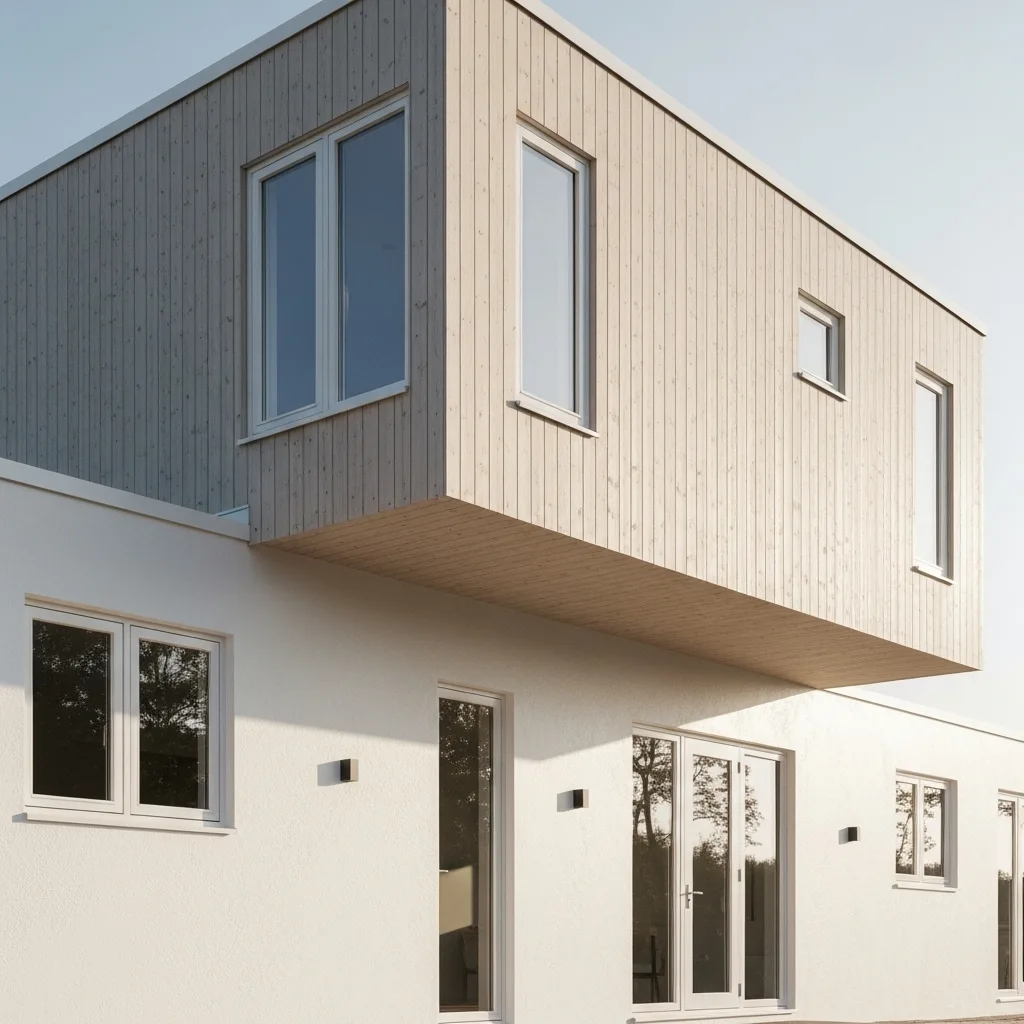
6. The Traditional “Falun Red” Modern Update
If you love history but want a modern twist, I suggest the updated “Falun Red” look. This deep, earthy red is iconic in Sweden, but the modern version uses it on very minimalist, geometric shapes. By using this traditional color on a house with no eaves and massive windows, you create a stunning dialogue between heritage and the future. It is a very bold and designer move that shows deep cultural respect.
I suggest using a matte finish for the red paint to give it a modern, velvet-like texture. Pair the red timber with black metal details for the roof and windows to keep it grounded. I personally love the look of a large, black-framed pivot door against the red walls. It adds a touch of modern geometry to the traditional color. It is a smart way to gain focus and make your home stand out in a very sophisticated way.
I personally think a red timber house is the easiest way to add soul to a new build. It provides a sense of history and warmth. You only need one well-designed red volume to completely transform the neighborhood vibe. It is a high-impact way to design the house without needing a traditional luxury showroom. It makes the space feel expensive and well-thought-out, rather than just a place to live.
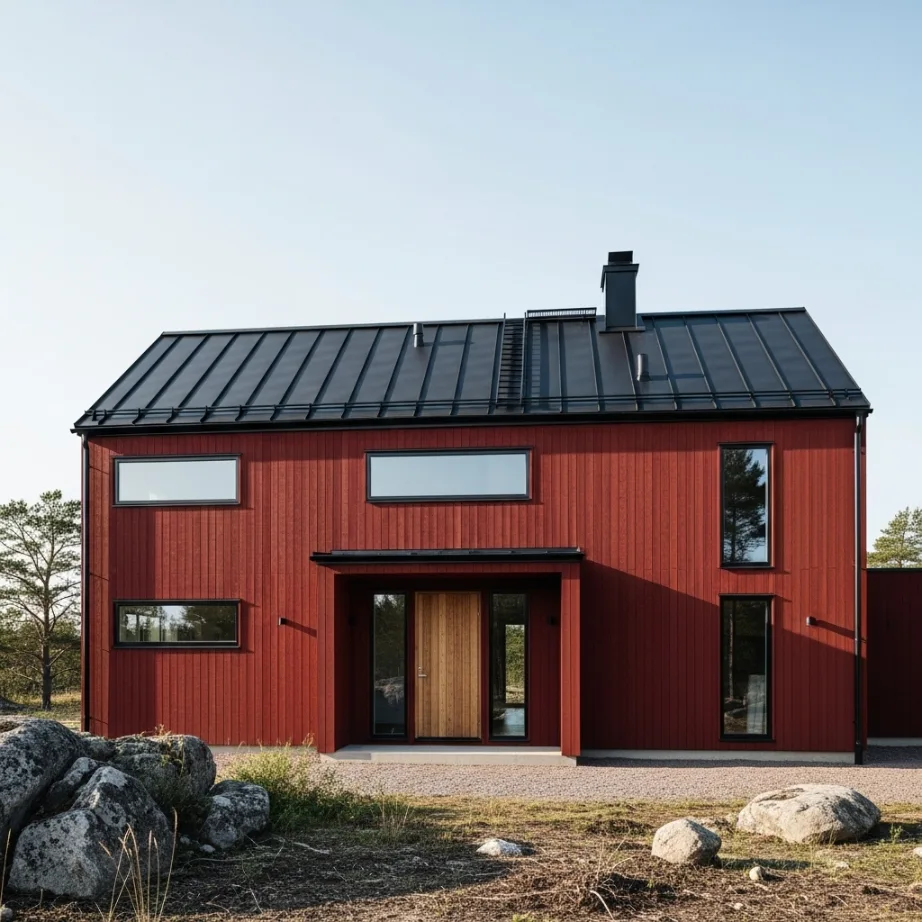
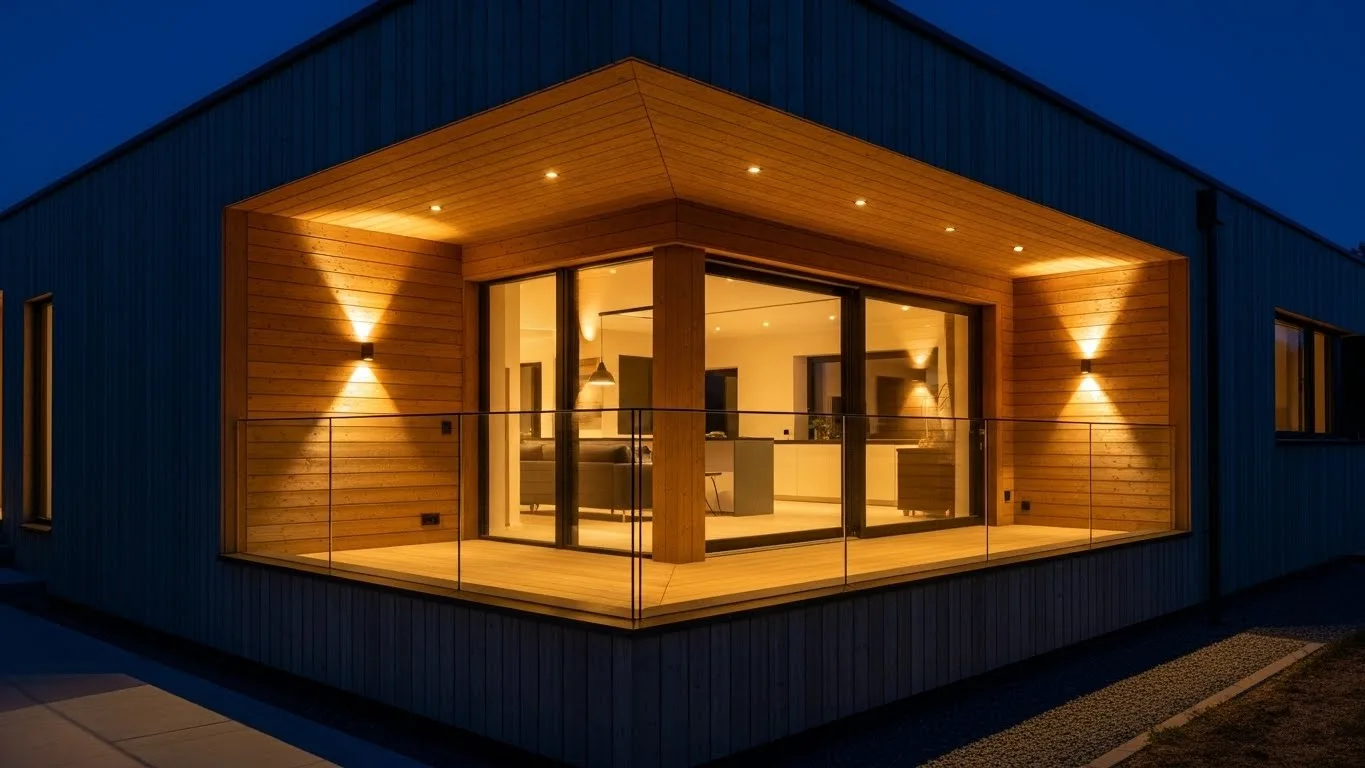
7. The Recessed Terrace and “Loggia”
Scandinavian homes are masters of the “recessed” outdoor space. Instead of a deck that sticks out from the house, I suggest carving a terrace into the main volume of the building. This creates a “loggia” effect where the outdoor space is protected by the roof and the walls of the house. It adds a sense of scale and depth that is usually reserved for grand Mediterranean villas, but with a sharp Nordic edge.
I love using a contrasting wood for the interior of the recessed terrace—perhaps a warm oak against a grey timber exterior. It acts as a piece of art and creates a focal point for the whole facade. Choose a minimalist glass railing to keep the view clear. Lighting is the most important “hidden” element here. You can install spotlights to illuminate the wood-lined terrace at night, making the house look like it has a glowing heart.
If you can, place your main living room sliders in this recessed area. It allows you to keep the doors open even during a light rain. This design choice makes even a simple house look high-end. It is the secret weapon of professional designers working with single-story homes to create something totally unique and unexpected. It gives the house a 21st-century “wow” factor.
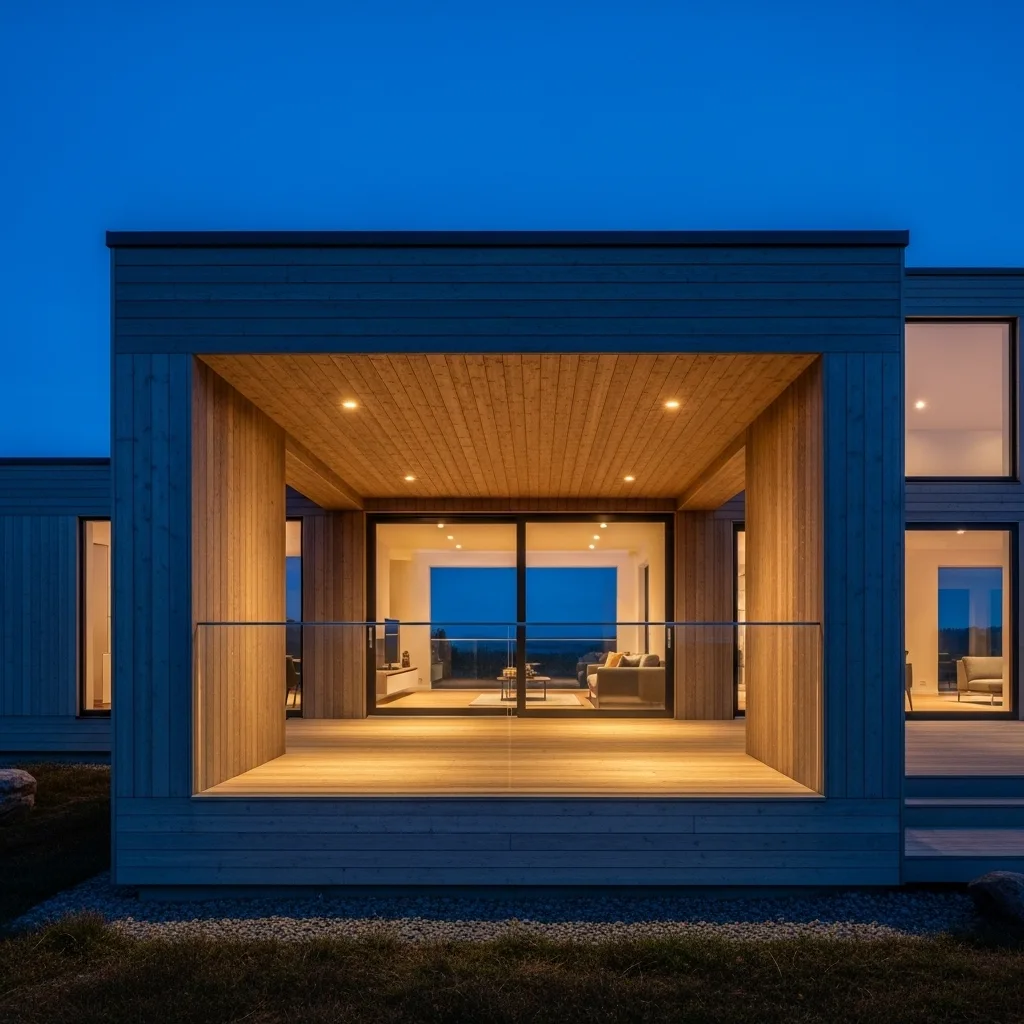
8. The Geometric “Box-on-Box” Stacking
If you have a multi-story home, I suggest a geometric “box-on-box” stacking design. This involves placing the second floor at a slightly different angle or offset from the first floor. This creates a series of overhangs and balconies that feel very architecturally advanced. It is a classic move in contemporary Scandi design that breaks up the mass of the house and adds a layer of “cool” that symmetry just cannot match.
I suggest using a different material for each “box”—perhaps stone for the base and vertical timber for the top. This creates a clean, architectural look that mimics the look of a custom-designed museum. It removes the visual clutter of a standard house and makes the room feel bright and expansive. It is a night and day difference for your curb appeal. It signals that the house was designed by a pro.
FYI, this is the hallmark of high-end 2025 home design. It makes the house feel like it is working with the landscape. It adds a layer of efficiency and movement that is hard to give up. It is a functional detail that makes your exterior look very streamlined. You will feel like an absolute pro every time you see your house from the street.
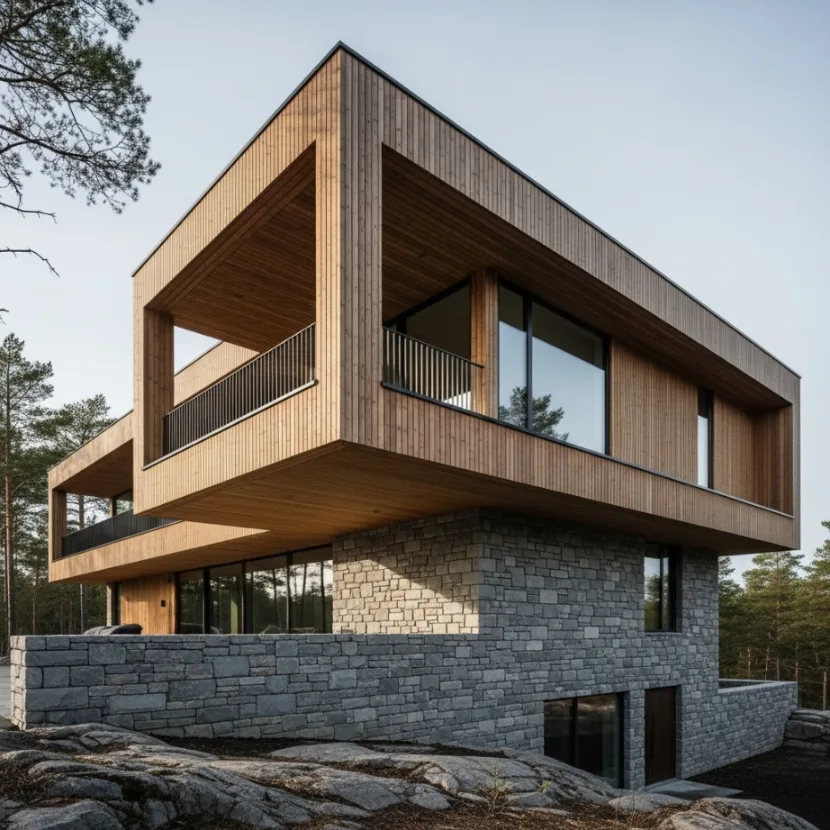
9. The Minimalist “No-Eave” Roofline
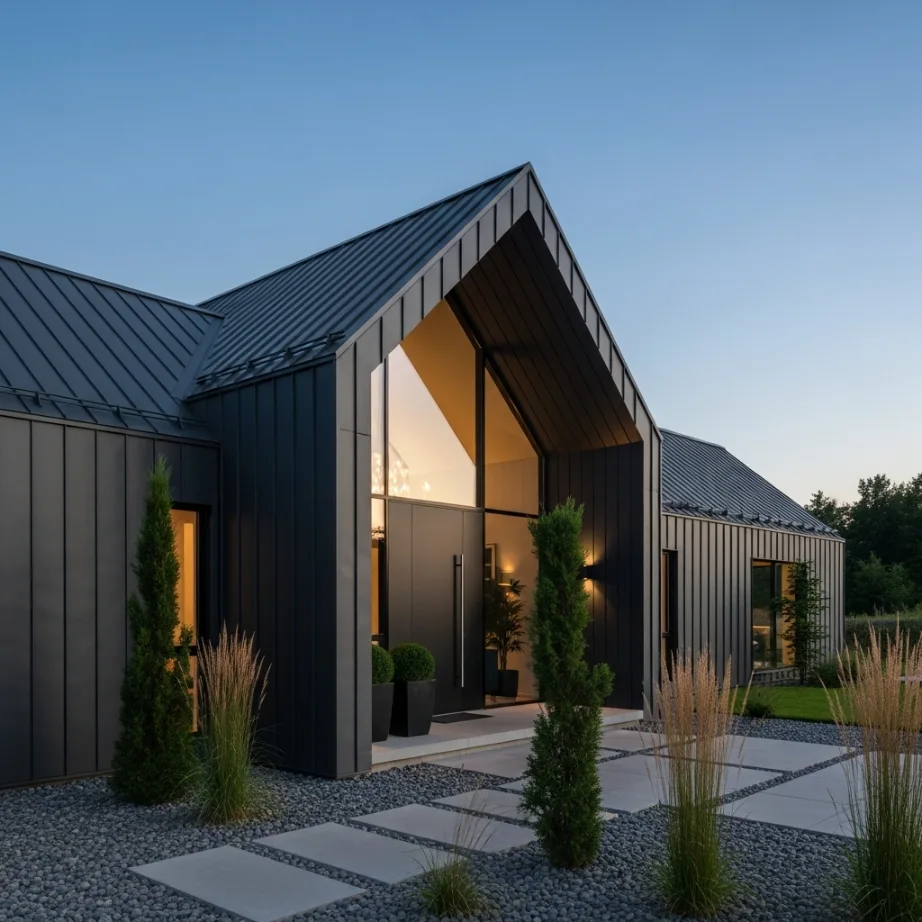
One of the most distinct features of a modern Scandi exterior is the “no-eave” or “hidden-gutter” roofline. Instead of the roof hanging over the walls, the walls and the roof meet at a sharp, 90-degree angle. This creates a very clean, geometric silhouette that looks like a solid block of architecture. It is a very bold and designer move that turns a traditional house shape into something futuristic.
I suggest using a single material for both the walls and the roof—like grey zinc or standing-seam metal—to emphasize the solid form. To keep it feeling high-end, use a recessed entry area to create a bit of depth. I personally love adding a single, large-scale window in the gable end with no trim. It creates a sense of balance and connection to nature that feels very current. It is a sharp, architectural statement.
Keep the landscaping minimal to match the house. Think of simple gardens featuring vertical plants and pebbled pathways. It should feel like an extension of the house’s clean lines. To me, this is the pinnacle of modern Nordic design. It provides everything you need for contemporary living in a compact, bold, and beautiful package that feels entirely sophisticated.
10. The Integrated Vertical Garden and Screen
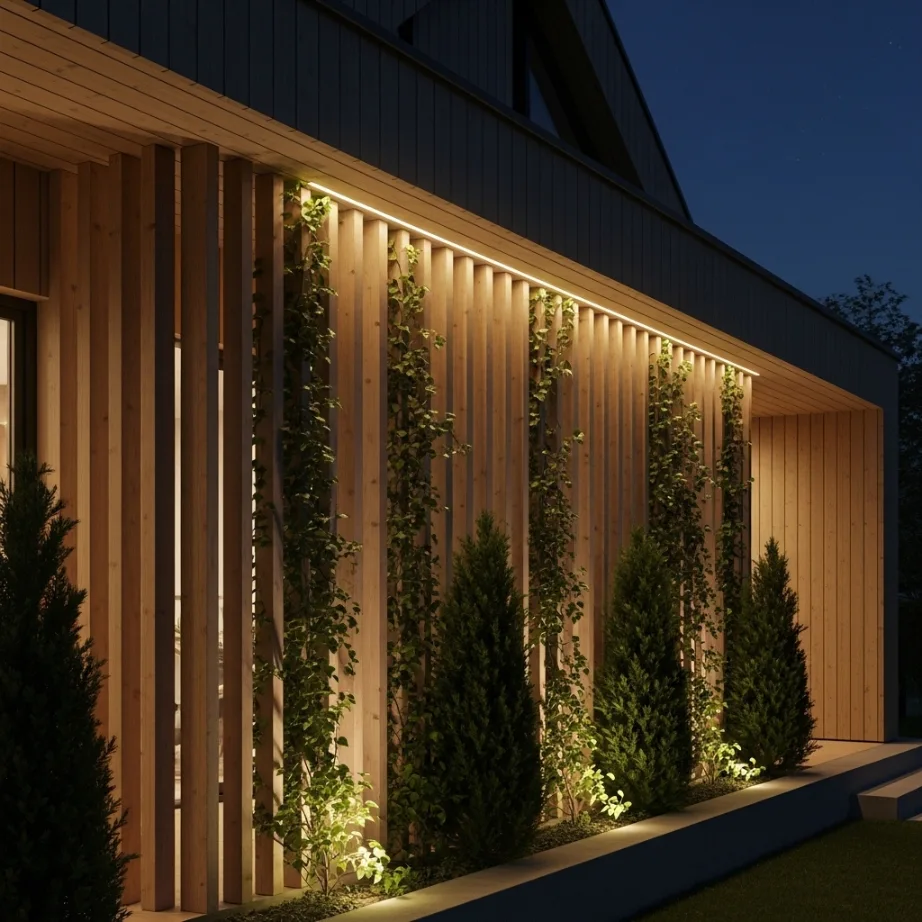
Scandinavian design is all about the relationship with nature, so why not make the landscape part of the house? I suggest integrating a vertical wooden screen or a trellis into the main facade. This creates a natural “living wall” that adds texture and life to the house. It is a smart way to gain privacy while still letting light and air pass through. It feels very fresh and curated.
I suggest using a light wood like larch for the screen and pairing it with climbing ivy or evergreen vines. It adds a layer of softness to the sharp lines of the house. I personally think adding a warm-toned LED strip behind the screen is the ultimate luxury flex. It creates a sense of movement and life at night. It tells everyone that you understand design beyond just the building materials.
It is bold, it is fresh, and it turns a boring wall into a creative sanctuary. This layout tells everyone that you understand design beyond the basic rules. It is a sophisticated touch that makes the house feel like a custom home. You will feel much more connected to your surroundings when your house is literally growing with the seasons. It is the perfect balance of heritage and contemporary style.
Conclusion
Maximizing a Scandinavian exterior is all about honoring the “less is more” philosophy while injecting it with 21st-century light and luxury. You have the perfect excuse to go bold with your design choices because the Scandi silhouette is manageable and timeless. Whether you choose a dramatic charred-black facade or a simple pale pine and stucco combo, the key is to make every choice intentional. Think about how the light moves through your glass box connector and how the vertical slats feel under the setting sun.
Don’t be afraid to take a risk with your house exterior this weekend. If you aren’t ready for a full renovation, start with a new modern front door or a fresh, neutral paint palette. But chances are, once you start adding personality to your home, it will become your favorite spot to show off. Go grab some samples and start dreaming about your modern sanctuary. Your Scandinavian exterior is waiting for its glow-up. Remember, even the simplest homes can have the biggest style.
FAQs
- How can I make my home’s exterior look Scandinavian on a budget? Focus on paint and hardware. A fresh coat of matte charcoal or warm off-white, combined with a modern black front door and sleek house numbers, can instantly give your home a Nordic vibe without a major renovation.
- What are the best colors for a Scandinavian house exterior? The classic palette is “natural neutrals.” Think deep blacks, slate greys, soft whites, and natural wood tones like cedar or pine. The goal is to choose colors that harmonize with the natural landscape rather than fighting it.
- Are flat roofs or pitched roofs better for a Scandi look? Both work! Traditional Scandi design uses steep pitched roofs to handle snow, but modern “Nordic minimalist” homes often use flat roofs or single-pitch shed roofs for a sharper, more contemporary silhouette.
- How do I maintain natural wood siding in a harsh climate? The key is high-quality oil treatments or using “pre-weathered” timber. Many Scandi homes also use charred wood (Shou Sugi Ban) which is naturally resistant to decay and requires very little maintenance over the years.
- Should I use large windows even if I don’t have a great view? Yes! Scandinavian design isn’t just about the view; it’s about capturing every bit of natural light. Even if you only look out at a small garden, large glass panels make the interior feel more spacious and connected to the rhythms of the day.