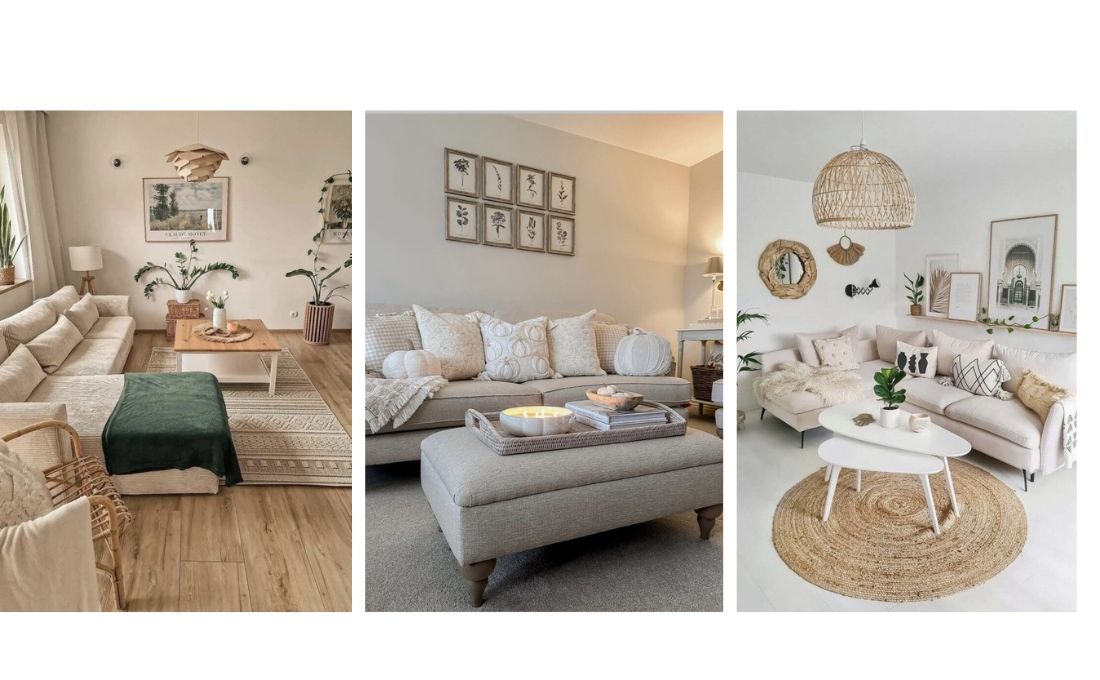
25 Minimalist Living Room Ideas for Every style and Budget
Designing a living room isn’t just about looks. It affects how we feel and function in our homes. The minimalist trend is gaining popularity for good reason—it helps create a peaceful space without too much going on. Less clutter, more calm and with budget friendly.
Below are 25 minimalist living room ideas that blend simplicity with comfort.
1. Stick to a Neutral Palette
Whites, beiges, and soft grays work great in a minimalist living room. These shades keep the space calm and clean without drawing too much attention. Plus, light tones reflect more light, making the room feel larger. You won’t need to add extra elements to brighten it up. It’s a solid way to create a peaceful vibe.
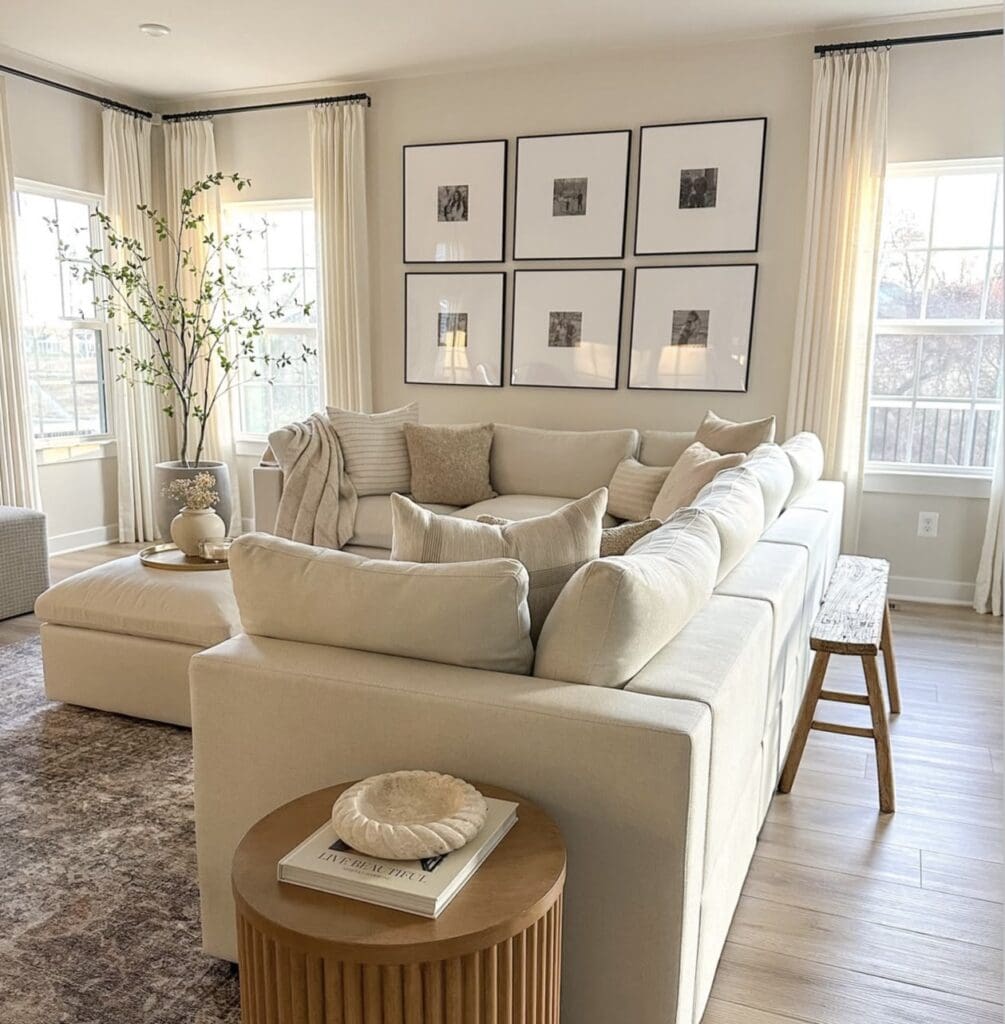
2. Go with Sleek Furniture
Simple furniture with clean lines instantly gives your space a minimalist feel. Look for low-profile sofas and smooth finishes. These pieces don’t shout for attention but still look stylish. Plus, they save space, which is a bonus if your room is on the smaller side.
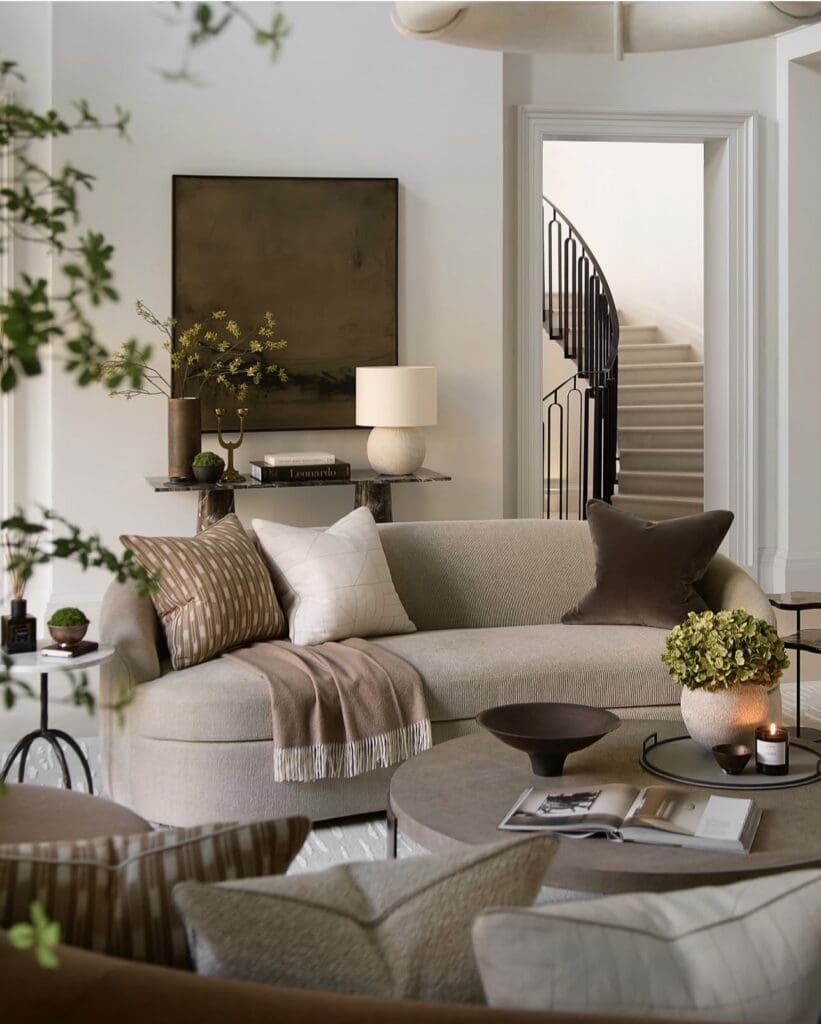
3. Bring in Coastal Vibes
Coastal minimalism blends calm colors and beachy textures. Use sandy tones, light blues, and weathered wood. The result? A breezy, relaxed living space that feels open and airy. It works well for rooms that don’t get a lot of sunlight too.
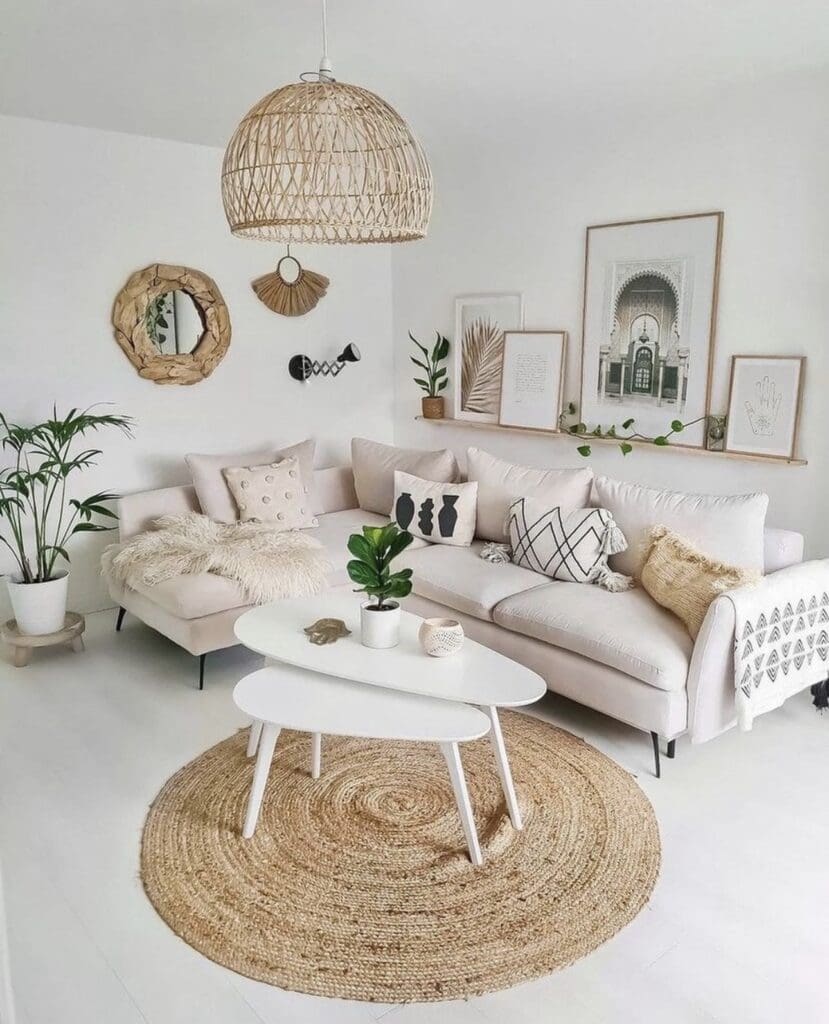
4. Try an Accent Wall
One feature wall can add depth without crowding your space. Use subtle wallpaper, wood panels, or a soft shade of paint. It gives your living room a touch of personality while staying true to minimalism. A great way to keep things interesting.
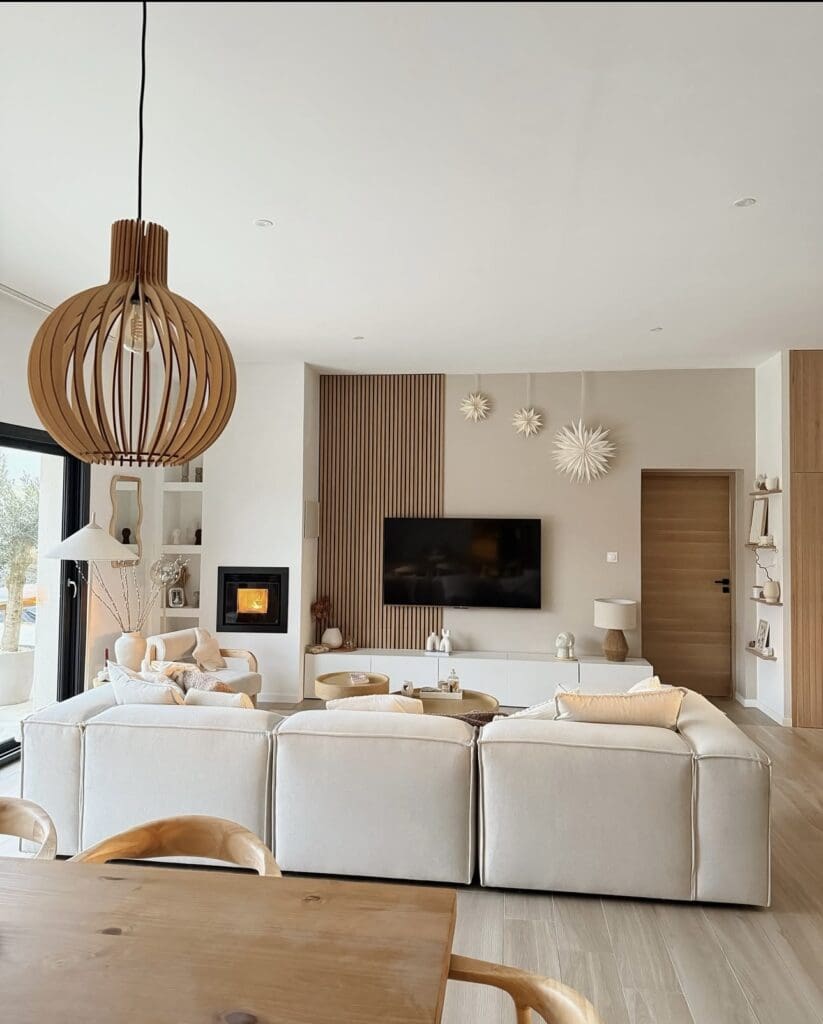
5. Let White Take Over
White walls, white curtains, even white furniture—it might sound too much, but it works. White reflects light and gives your space a fresh, clean look. It also pairs well with any accent color you might add later.
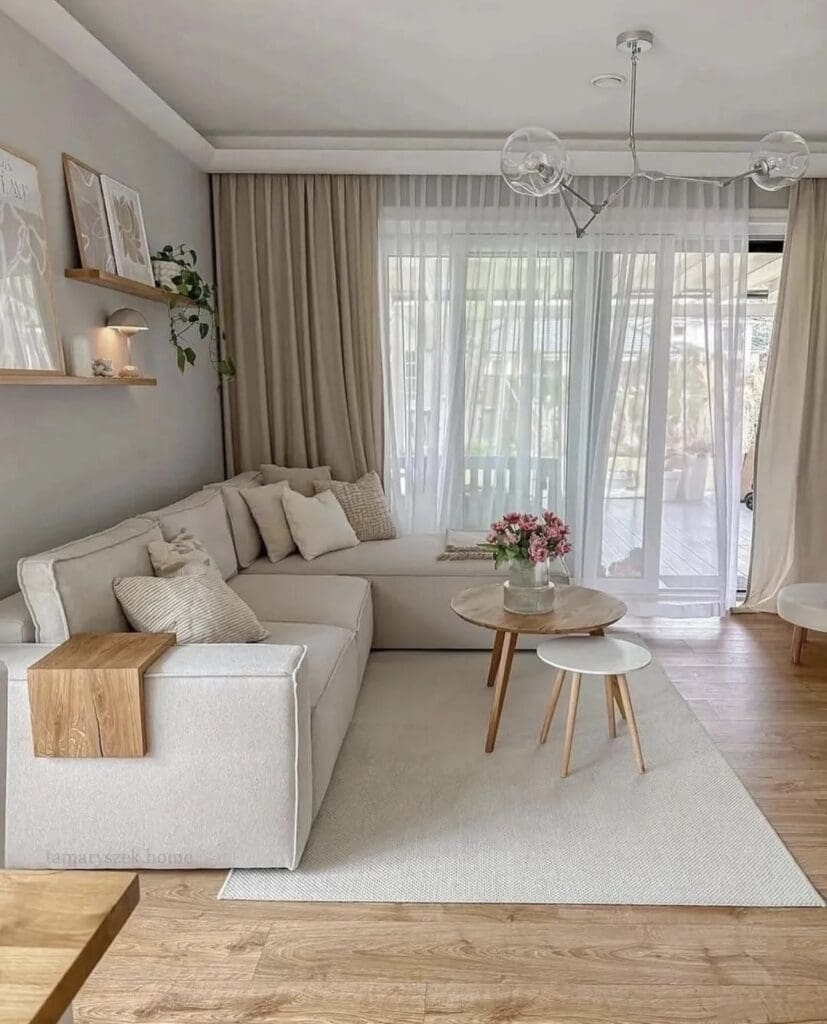
6. Use a Pop of Color
One colorful item can change the whole mood of your room. Think mustard cushions, a deep green rug, or a coral vase. You get the visual interest without crowding the space. Keep it limited to one or two shades so it still feels balanced.
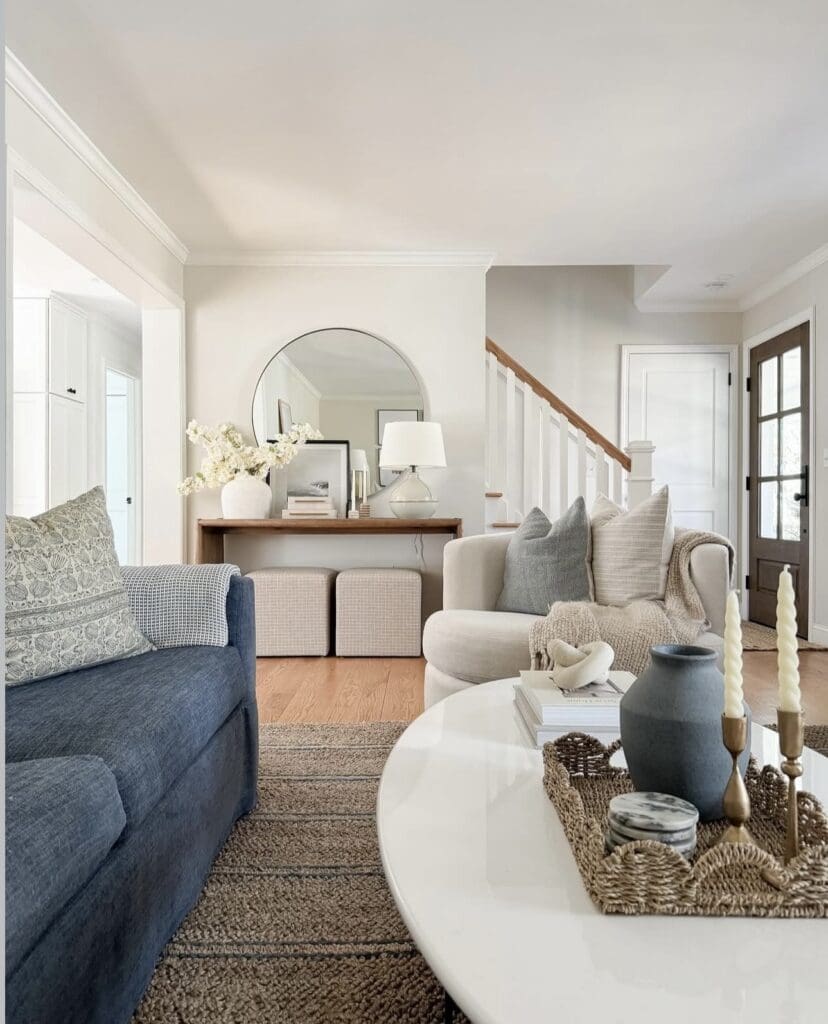
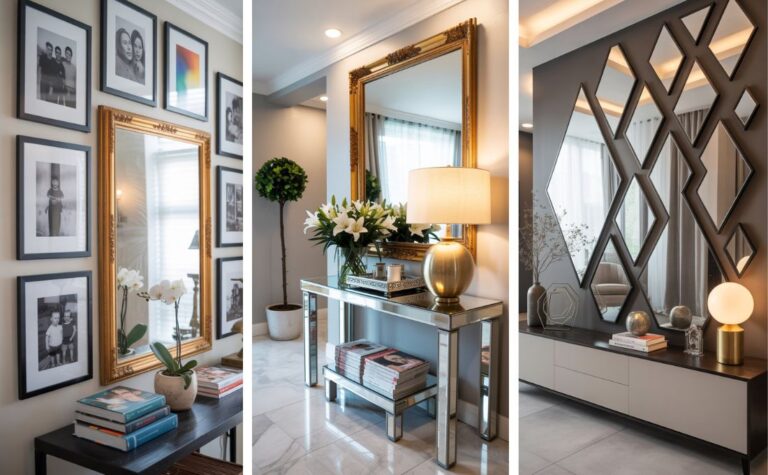
7. Hang a Mirror
Mirrors make rooms look bigger and brighter. In a minimalist space, they add depth without adding clutter. Hang one across from a window to double the natural light. Choose simple frames to keep the look clean.
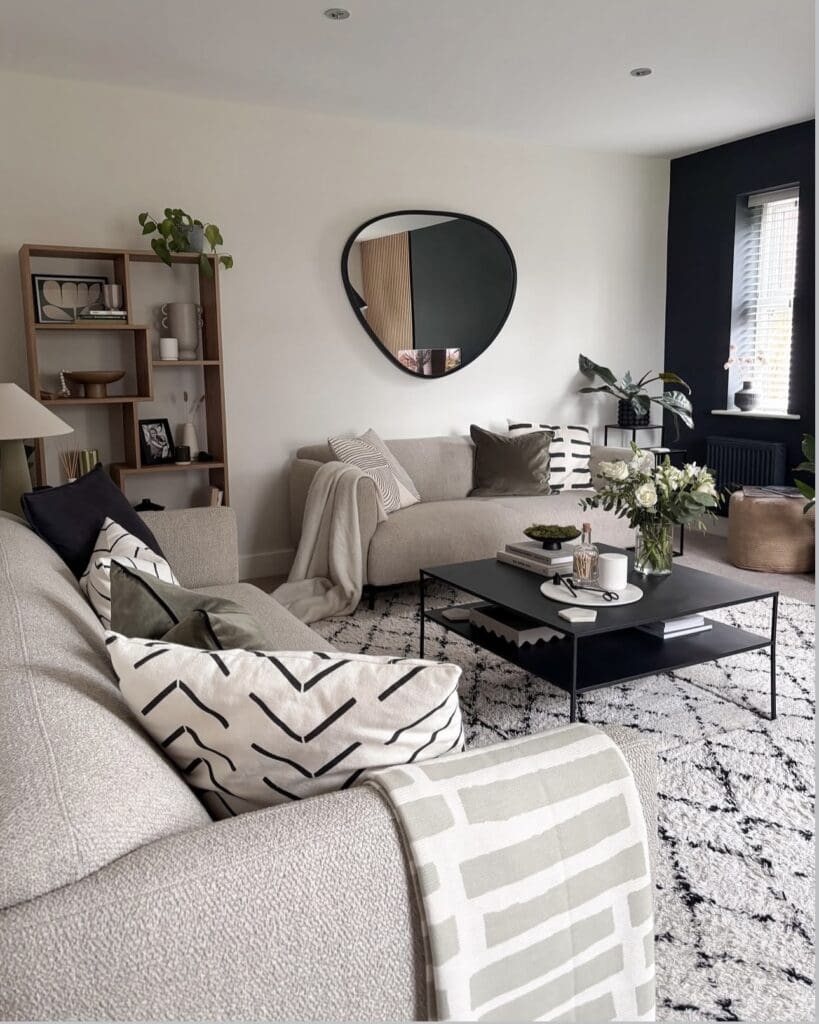
8. Use Natural Materials
Wood, linen, stone—these are perfect for a minimalist vibe. They bring warmth and texture without looking busy. A raw wood table or jute rug instantly adds depth to your space while keeping things simple.
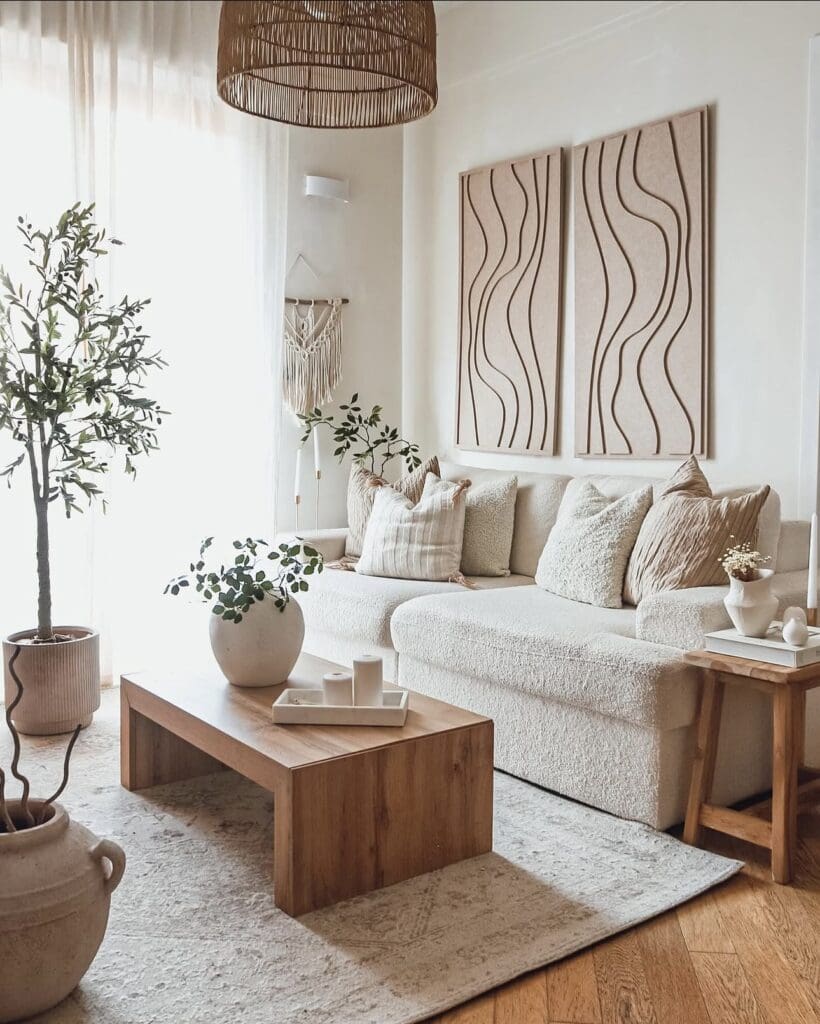
9. Add a Bit of Green
Plants are perfect for minimalist rooms. They add life and color without needing much decor. Choose one or two indoor plants with interesting shapes. Avoid overcrowding—a single plant in the right spot is often enough.
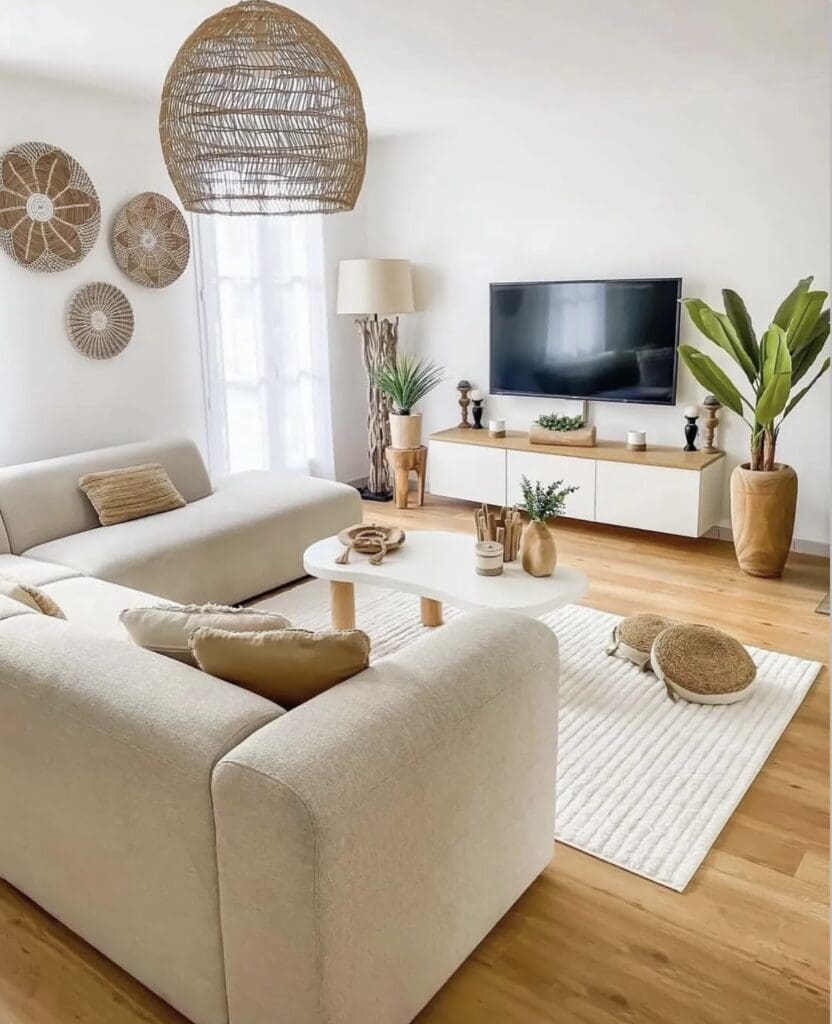
10. Choose Light Curtains
Neutral or light-tone curtains help soften the space. They let in natural light and keep your space looking open. Go for linen or cotton for a natural texture. Avoid heavy drapes—they feel bulky and weigh the space down.
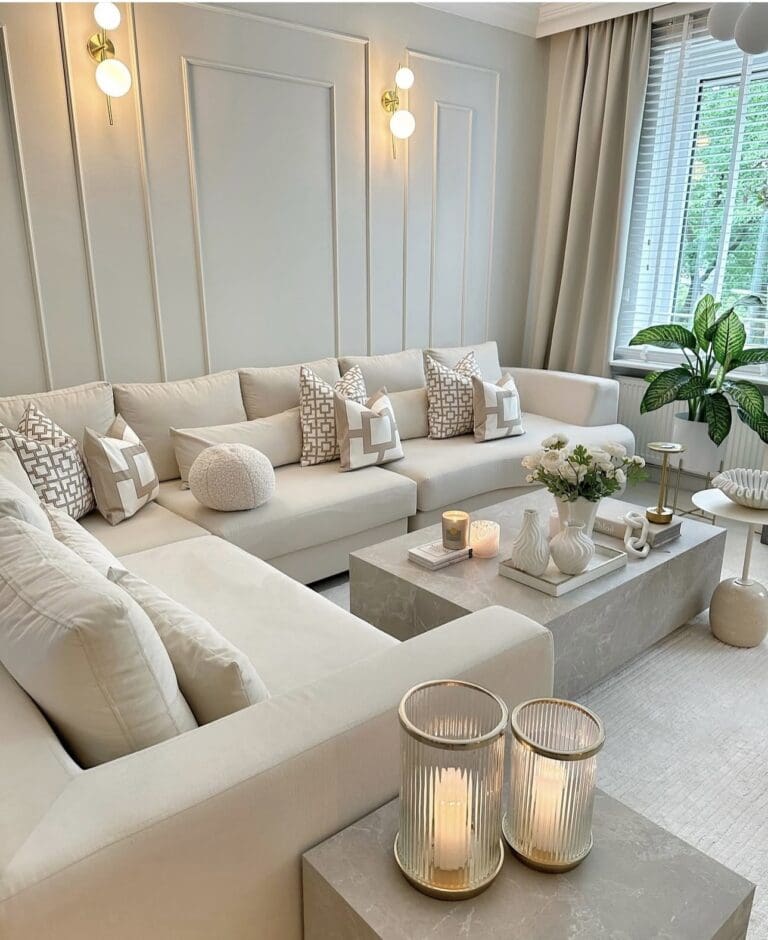
11. Subtle Accent Colors
Instead of bold, go for dusty pinks, sage green, or muted terracotta. These shades quietly add interest. Use them in pillows, artwork, or throws. It’s an easy way to bring warmth without clashing with the minimalist style.
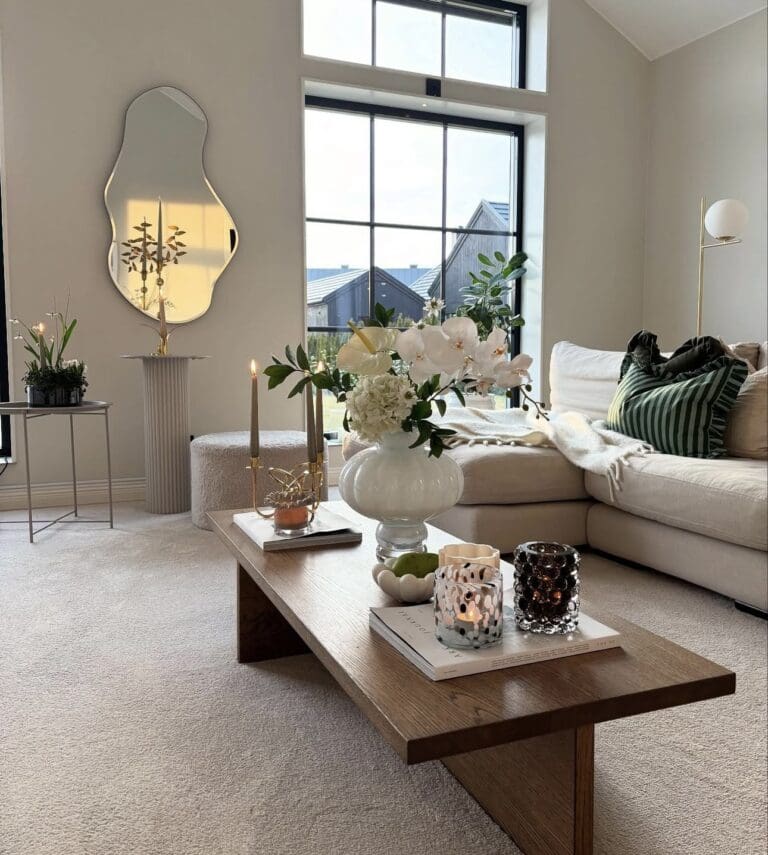
12. Light Blue Touches
Light blue brings a soft contrast to neutral palettes. Try it in vases, cushions, or small art pieces. It adds freshness without drawing too much attention. Great for brightening up white or beige walls.
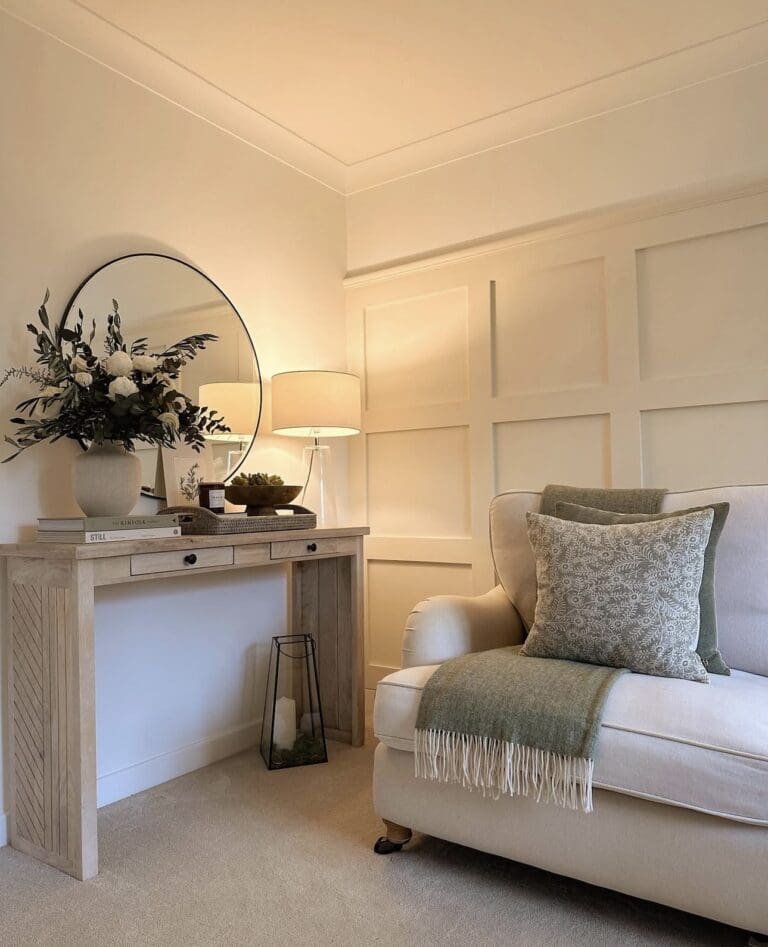
13. Zen-Inspired Decor
Think balance, calm, and natural elements. Use low furniture, open floor space, and wood or stone features. Zen design encourages stillness and simplicity. It makes your living room feel more like a retreat than a hangout spot.
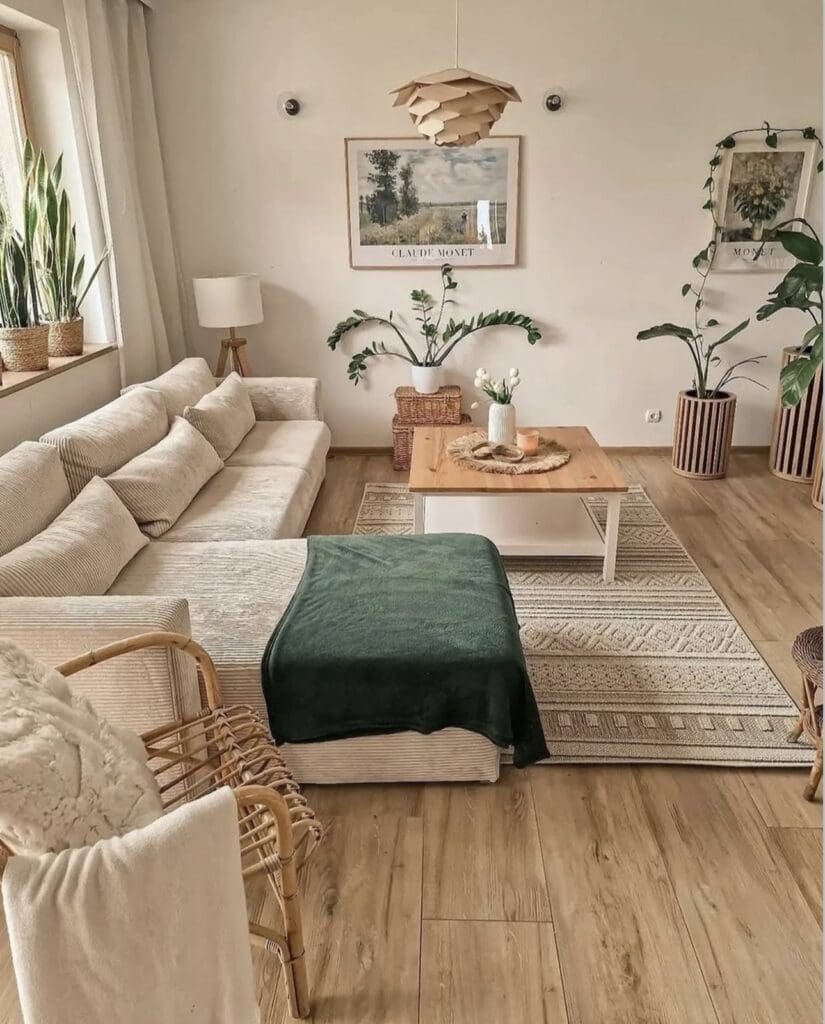
14. Create a Focal Point
A minimalist living room can sometimes feel too flat without a strong visual anchor. Introducing a focal point—like a statement artwork, bold lighting fixture, or textured accent wall—adds depth and draws the eye to a specific area. This single feature helps ground the space, giving it personality while keeping the rest of the room clutter-free and balanced.
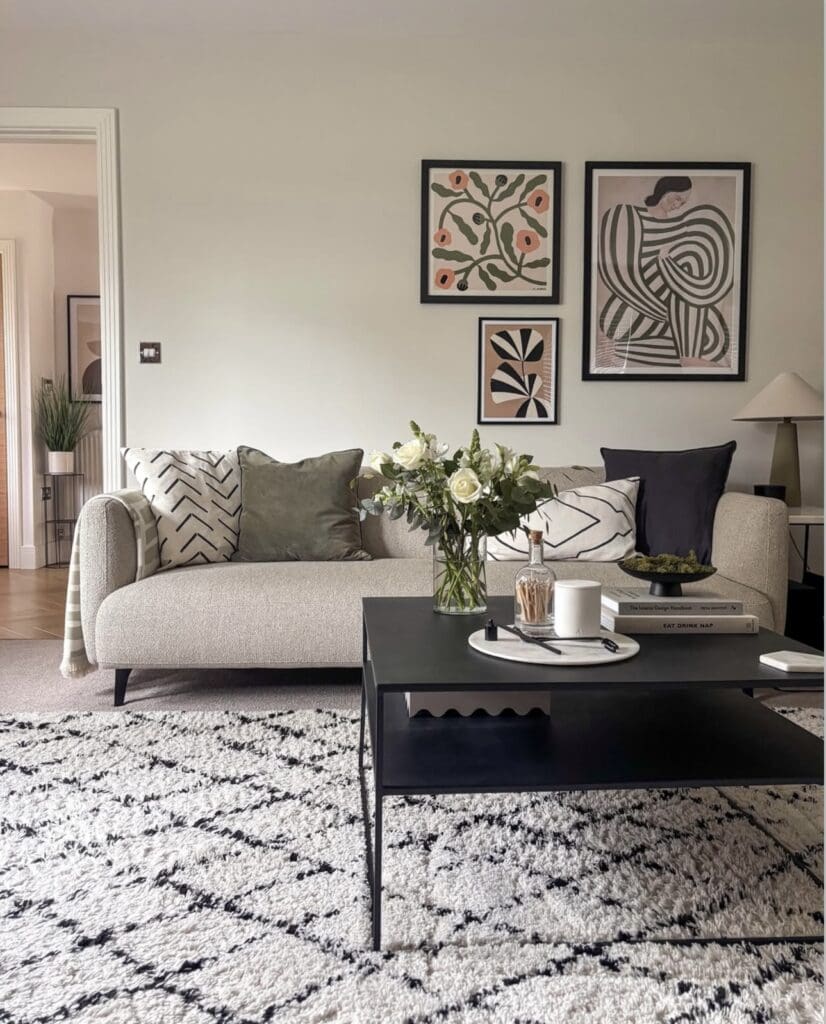
15. Display Dried Plants
Dried plants offer a natural, low-maintenance alternative to fresh greenery. Their soft, muted tones and sculptural forms blend seamlessly into minimalist spaces without adding visual noise. Whether placed in a ceramic vase or arranged on a shelf, they bring texture, warmth, and a bit of organic charm to your decor.
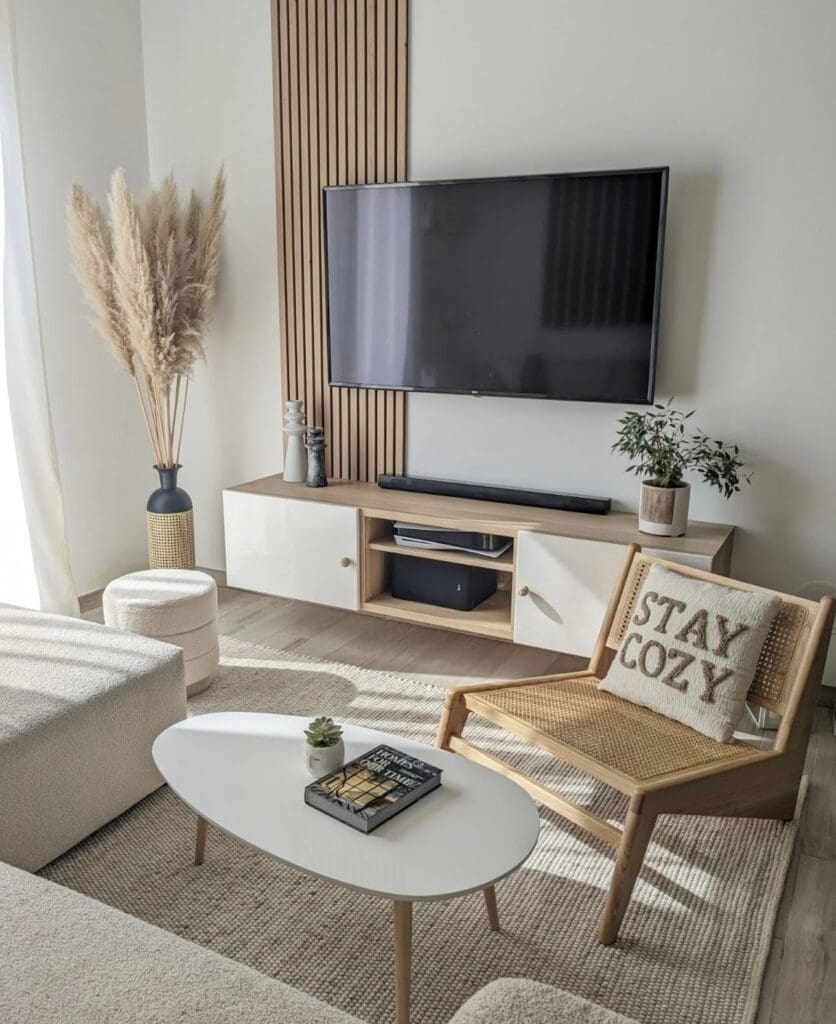
16. Decorate with a Large Artwork
In minimalist design, every item matters—and a large piece of art can do a lot of the heavy lifting. One oversized artwork on a bare wall creates instant impact without crowding the room. It introduces color, movement, and mood while preserving the clean, open aesthetic minimalism is known for.
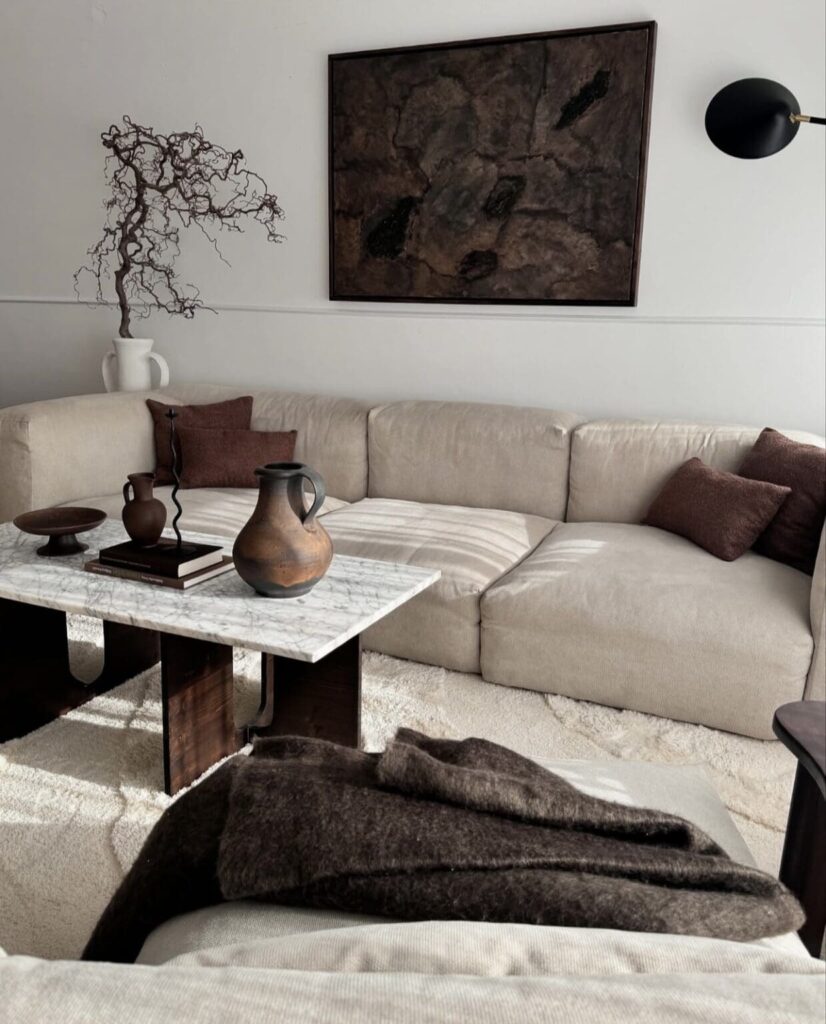
17. Paint One Wall Black or Pale Green
A single accent wall painted in black or pale green introduces contrast without overcomplicating the space. Black adds drama and depth, while pale green evokes calm and pairs well with natural elements. This technique is an easy way to refresh your living room without adding more furniture or decor.
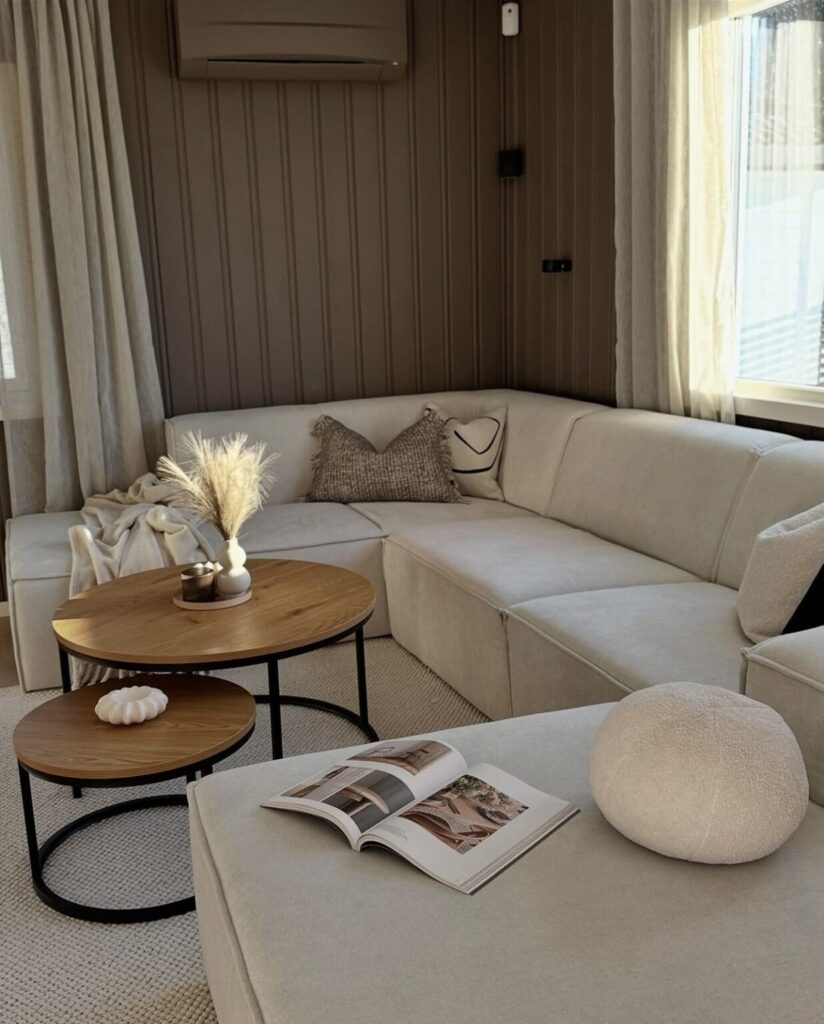
18. Incorporate Textured Fabrics
Texture is the secret ingredient that keeps a minimalist room from feeling sterile. Add visual interest through woven throws, nubby pillows, or a subtle boucle chair. Even in a single color palette, different materials—like linen, wool, and cotton—can create a layered and cozy feel.
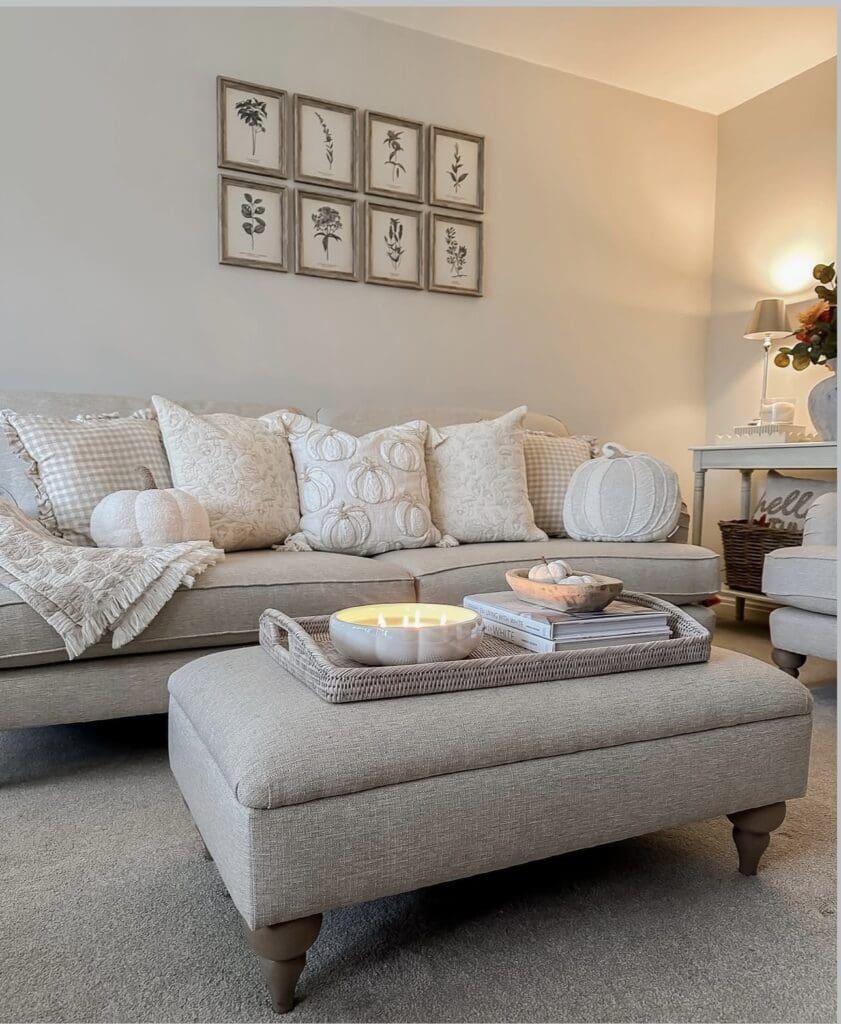
19. Use a Minimalist Fireplace
If your living room has a fireplace, streamline it to match your minimalist aesthetic. Skip the ornate mantels and opt for clean lines, simple finishes, and neutral tones. A minimalist fireplace still adds warmth and focus but doesn’t compete with the rest of the room for attention.
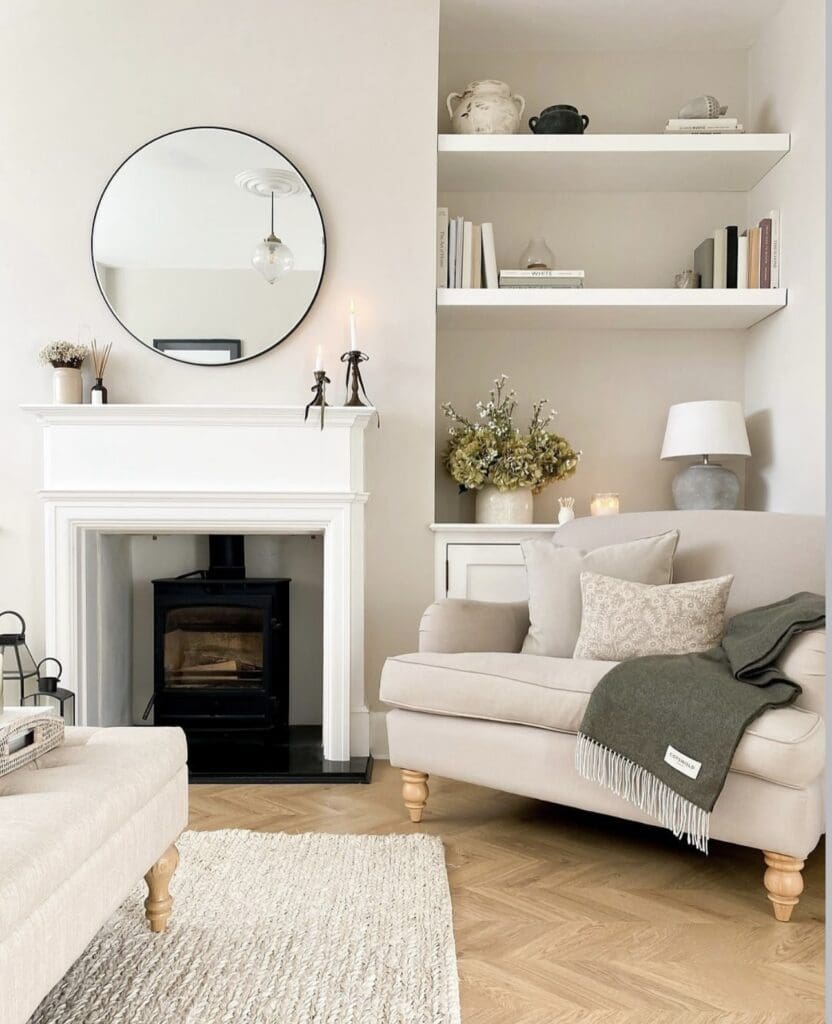
20. Embrace a Monochrome Scheme
A monochrome palette—whether all white, grey, or beige—can make a minimalist room feel intentional and serene. By limiting the number of colors, the focus shifts to form, texture, and lighting. It simplifies the design process while creating a calming environment that feels cohesive and open.
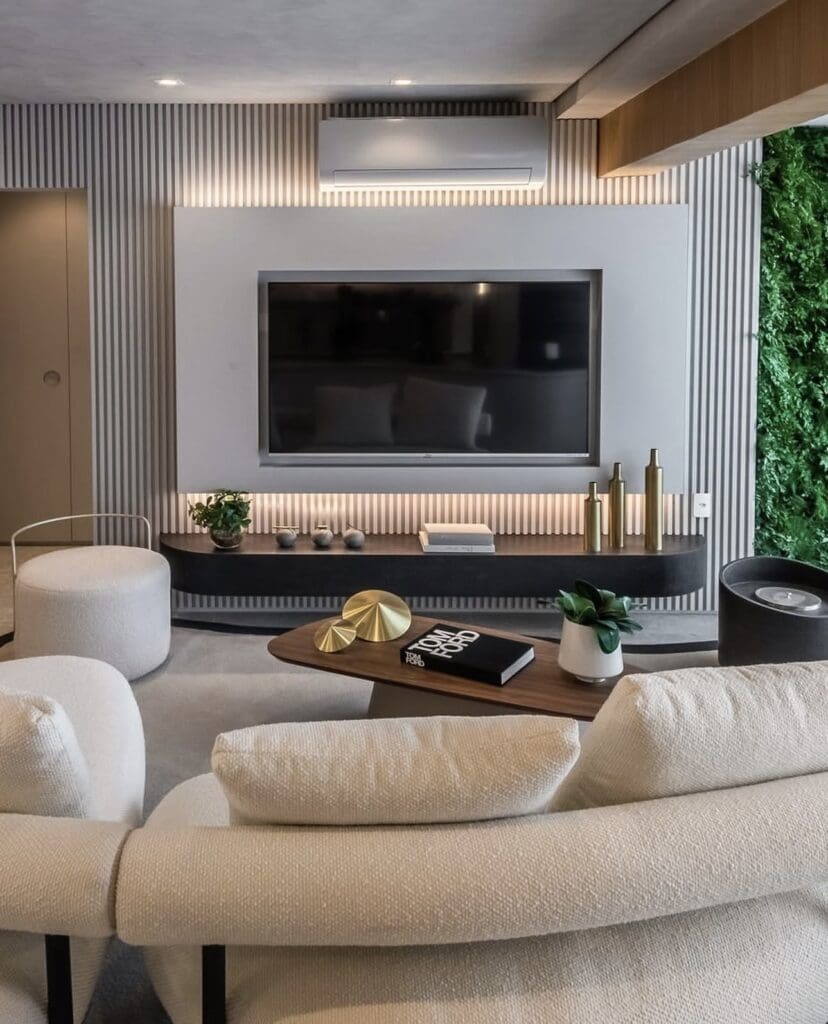
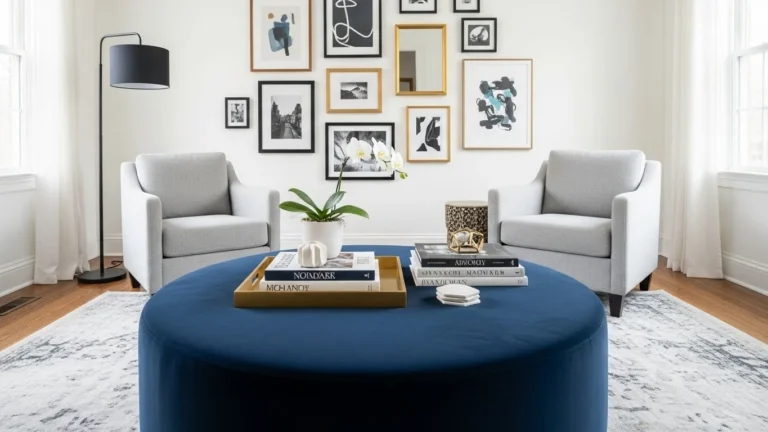
21. Go for a Simple Coffee Table
A minimalist coffee table should be both functional and understated. Think sleek shapes, natural finishes, and plenty of open space underneath. Its clean lines make the room feel airy, while still giving you a place to set a drink or stack your favorite books.
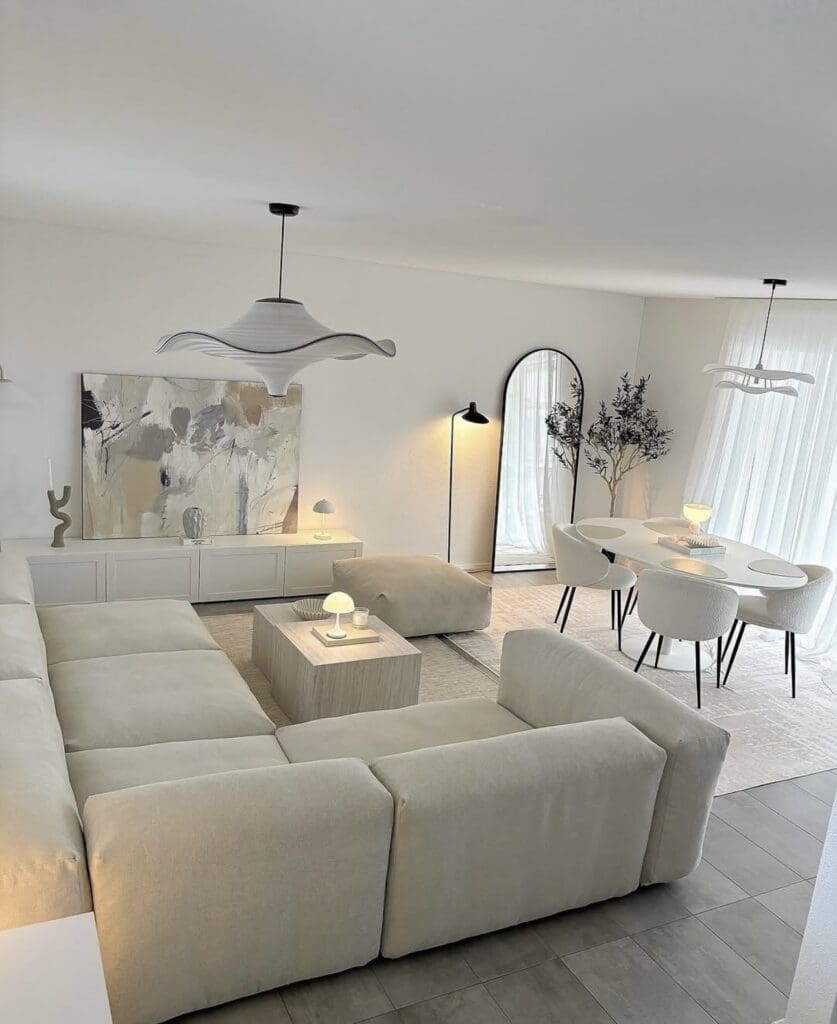
22. Maximize Natural Light
Natural light is one of the best tools in minimalist design. Large windows, sheer curtains, and reflective surfaces help amplify daylight, making your living room feel brighter and more expansive. The more natural light you bring in, the less you need to rely on artificial decor to make the space feel alive.
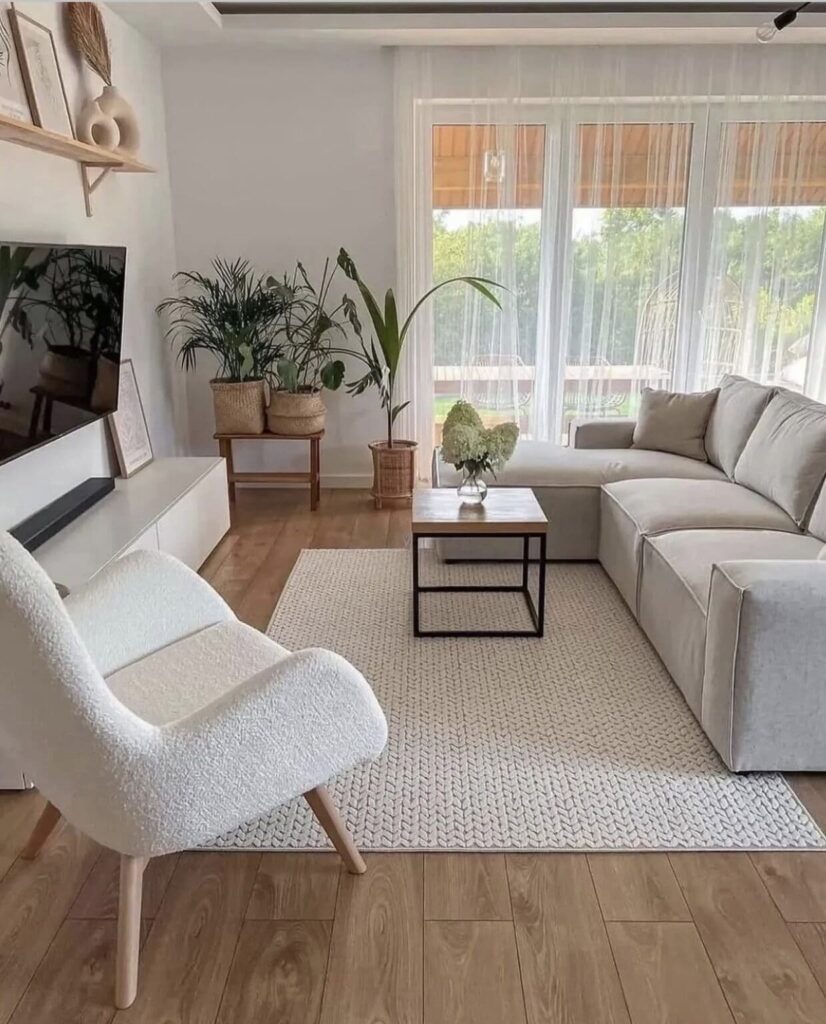
23. Consider an Open Plan Layout
Minimalism thrives in open-plan spaces where walls don’t block the flow. Connecting your living room with your dining or kitchen area creates a unified, breathable layout that feels modern and functional. With fewer barriers, the room appears larger and more welcoming, perfect for hosting or unwinding.
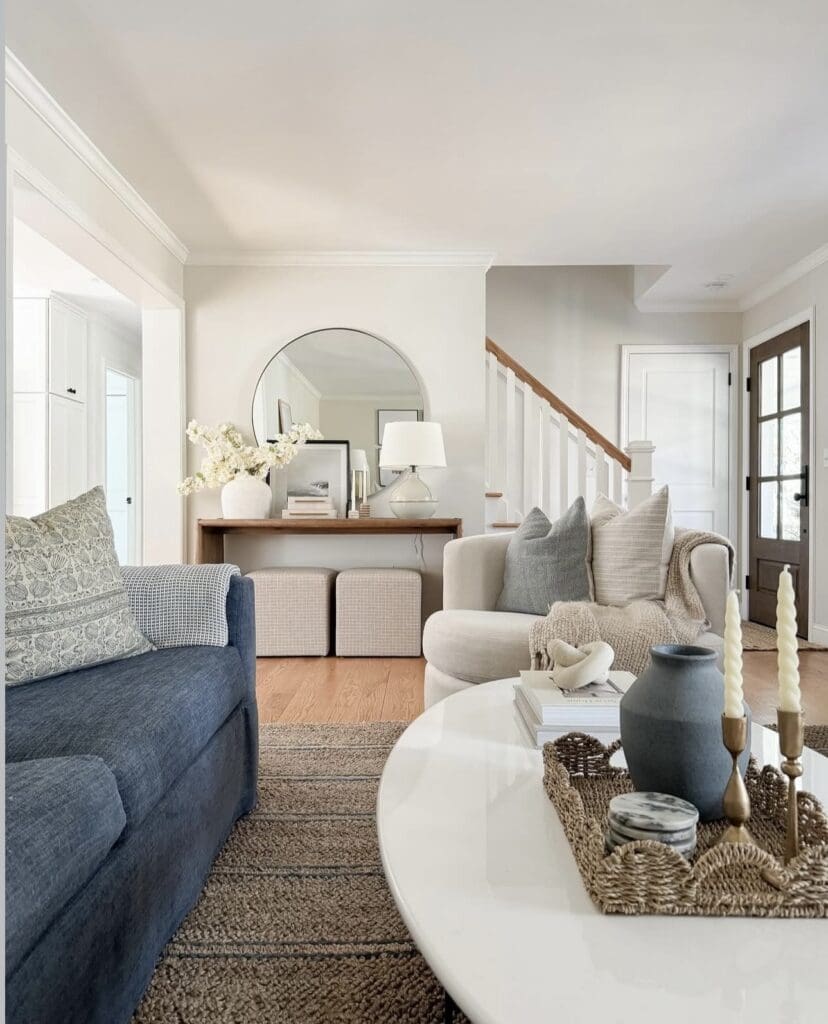
24. Use Neutral Throws
Neutral-colored throws—like soft beige, cream, or muted grey—can soften a sofa without overpowering the room. Drape them casually over a chair or fold them neatly on a bench. They offer both comfort and subtle texture while staying true to minimalist values of simplicity and restraint.
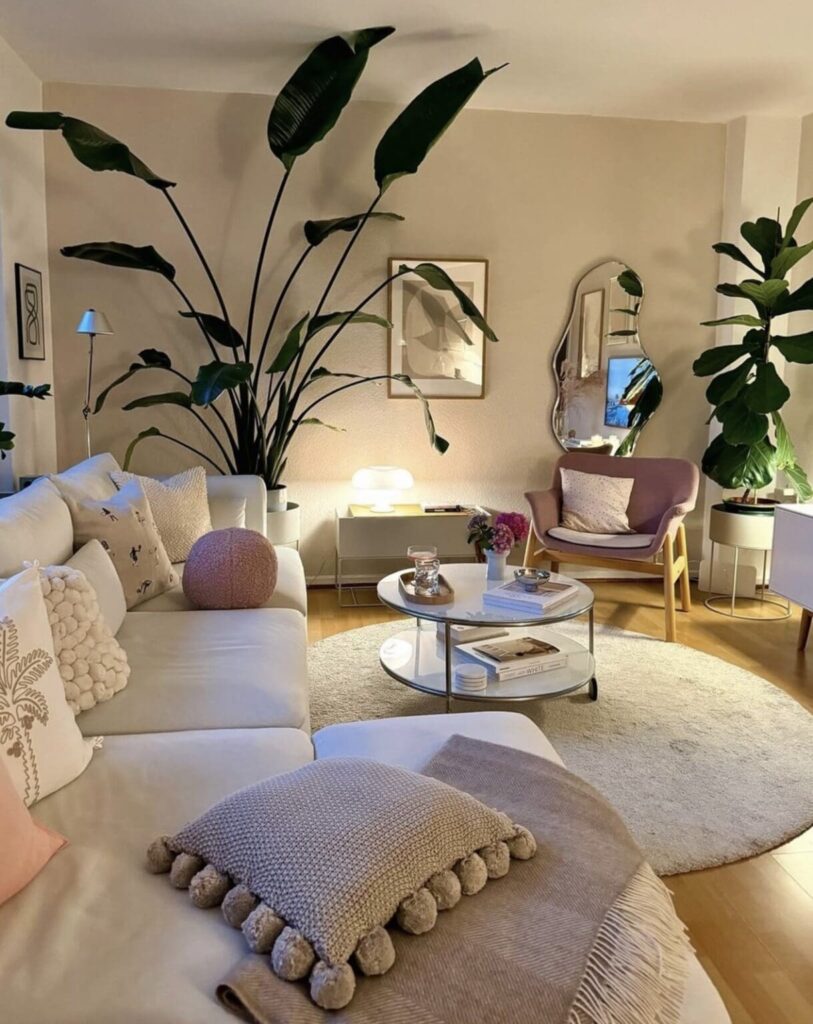
25. Choose Sleek and Simple Light Fixtures
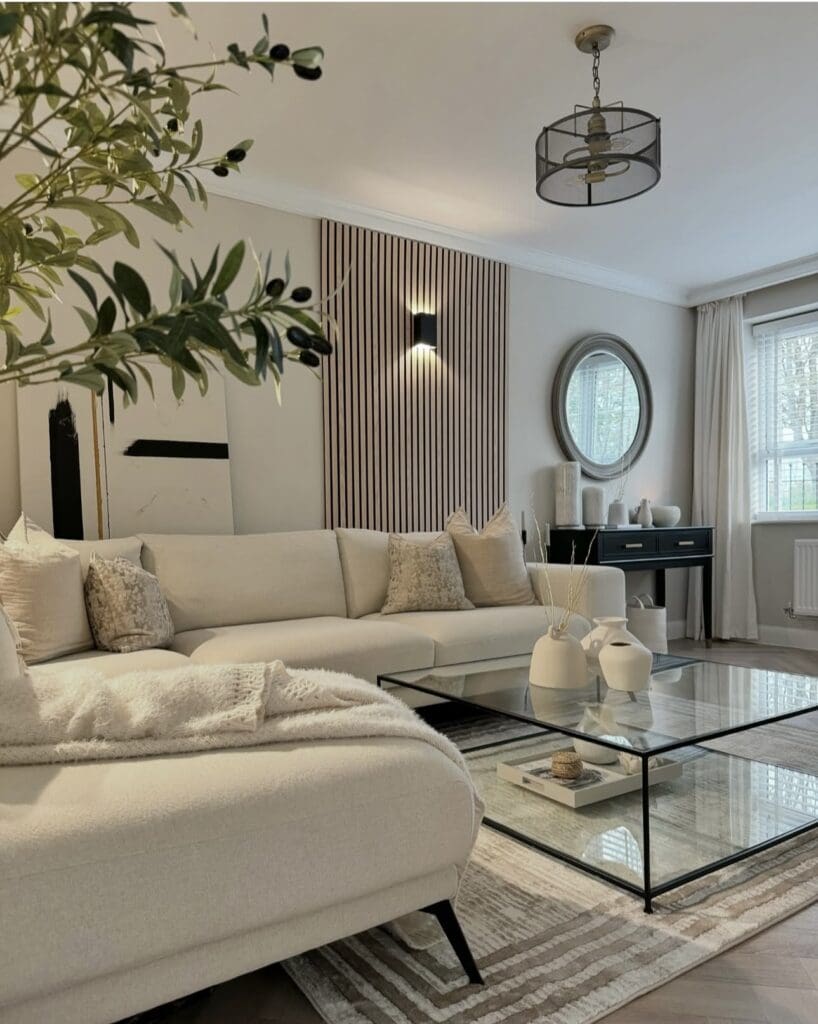
Lighting in a minimalist living room should be practical, stylish, and clean-lined. Sleek pendant lights, minimalist sconces, or geometric floor lamps bring modern character without looking overdesigned. These fixtures act as functional art, enhancing your space while staying visually light.
Conclusions
Creating a minimalist living room isn’t about stripping things down to the bare minimum. It’s about being intentional. Each piece you include should have meaning—whether it adds comfort, creates balance, or enhances the overall atmosphere.
From soft color palettes and sleek furniture to natural textures and clever lighting, these ideas help design a space that feels peaceful, functional, and uniquely yours. Whether your taste leans cozy and coastal or clean and modern, minimalism helps you focus on what really matters.
Let your living room breathe, so you can too.