13 Vegetable Gardening Ideas for a Productive & Beautiful Garden
There’s something incredibly satisfying about a vegetable garden that’s both abundant and beautiful. Whether you’re working with a small backyard or a spacious plot, the key is blending smart planting strategies with a touch of design flair. Think of your garden as a living, evolving space, one that feeds your body and soothes your soul. From structured beds to layered textures, the right setup can make your space feel lush and purposeful. Here are 13 vegetable gardening ideas to inspire a space that’s as functional as it is photo-worthy.
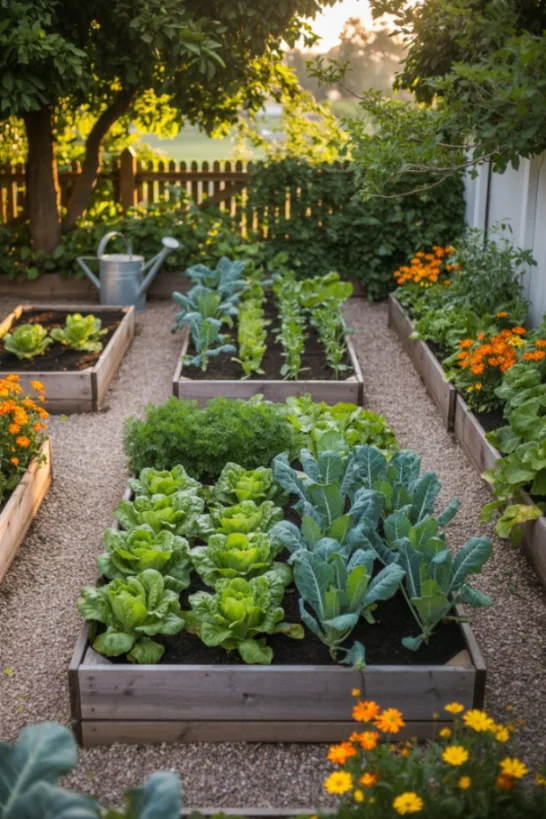
1. Raised Beds with Edging Flowers
Turn your garden beds into tidy, standout features by framing them with wood, stone, or metal. Once built, edge them with colorful companion plants like marigolds or nasturtiums. These flowers don’t just look good but also they attract pollinators and help keep pests away from your veggies. The low blooms act like a soft, decorative border that blends beauty and function. Choose bright yellows, oranges, or deep reds to create strong visual contrast. The result is a vegetable plot that looks intentional, layered, and full of life.
2. Vertical Veggie Walls
If space is tight, grow upward instead of outward with vertical gardening. You can train tomatoes, beans, or cucumbers to climb wooden panels, archways, or repurposed ladders. Hanging pockets or stacked containers work perfectly for growing herbs and leafy greens. Besides saving space, this setup creates a bold visual wall of greenery. It’s perfect for small patios or balconies too. With the right frame, your vertical garden can double as an outdoor feature wall.

3. Herb Spiral Garden
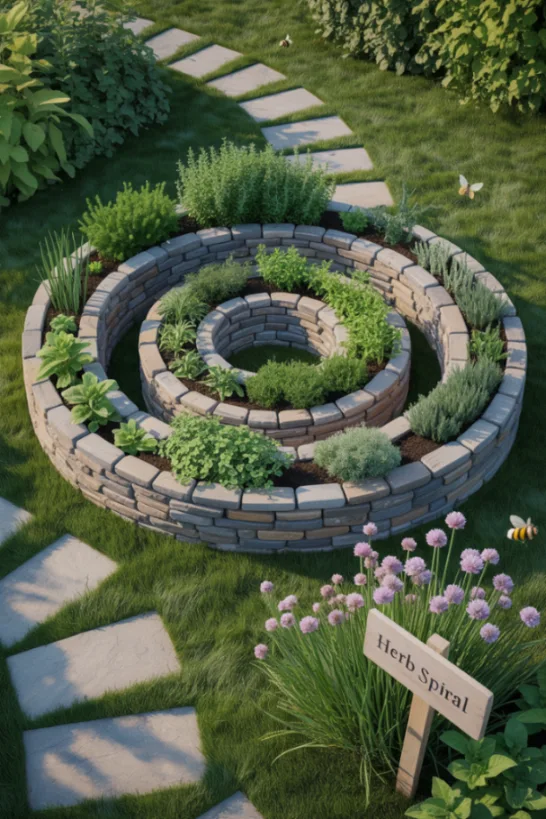
Add a sculptural twist to your garden with a spiral herb bed. Using bricks, rocks, or reclaimed pavers, build a raised spiral shape that gradually climbs in height. This clever design creates little micro climates which is perfect for placing herbs that prefer different levels of sun and moisture. Mint, for example, thrives lower down, while oregano and thyme enjoy the drier top levels. Besides being practical, the spiral structure looks like a living piece of art. It’s a smart way to add interest without needing a large footprint.
4. Color-Coordinated Rows
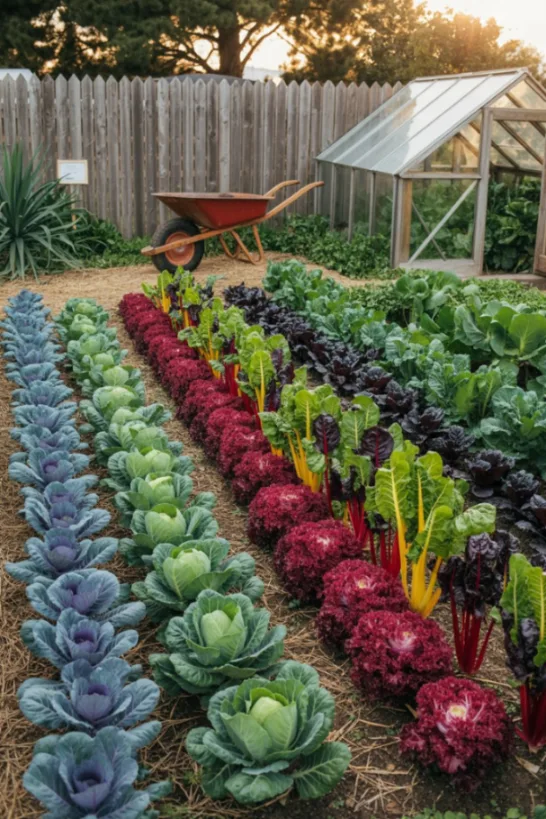
Why settle for a random veggie layout when you can create something truly striking? Try organizing your crops by color and pair deep greens like kale with the purple of cabbage or rainbow hues of chard. Grouping them in stripes or blocks makes the space feel curated and artistic. It’s like garden design meets edible color theory. This approach not only makes harvesting easier but gives your garden a bold, visual rhythm. It’s an easy win if you’re after form and function.
5. Container Veggie Garden with Painted Pots
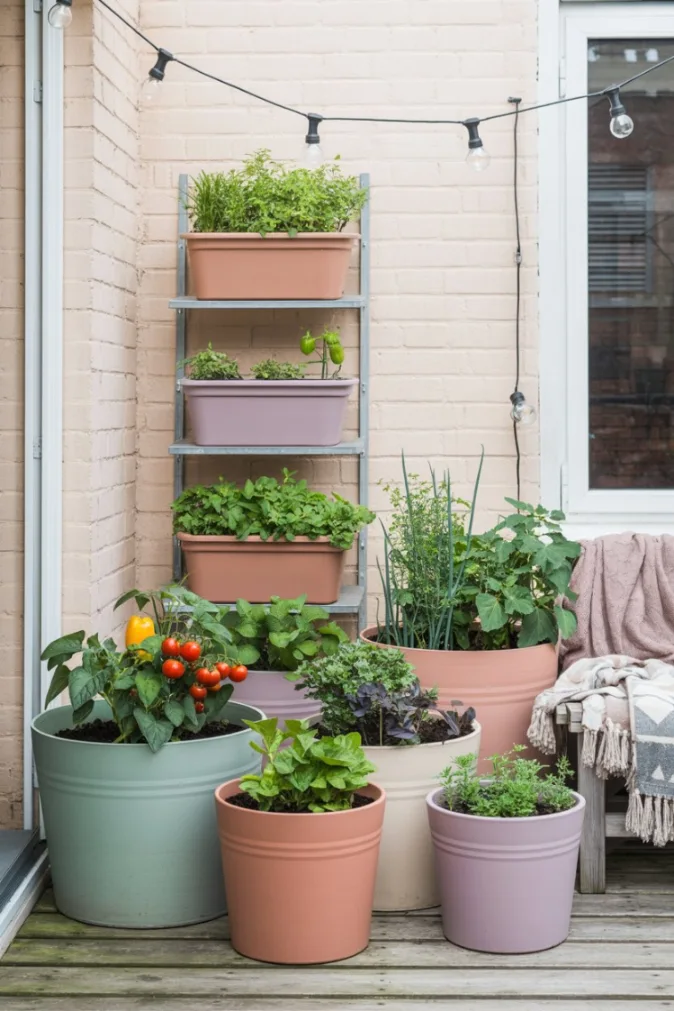
Painted pots can instantly uplift any garden, especially when filled with compact, colorful vegetable varieties. Use containers in different sizes and paint them in soft pastels, neutrals, or playful bright shades. Grow things like lettuce, cherry tomatoes, or dwarf peppers in them. Add some lights for charm. Arrange the pots in groups on a patio, staircase, or even shelves for that layered effect. Not only does this make your veggies easy to access, it’s super mobile and great for renters or balcony gardeners. Plus, it adds a burst of personality wherever you place it.
6. Experiment with Block Planting
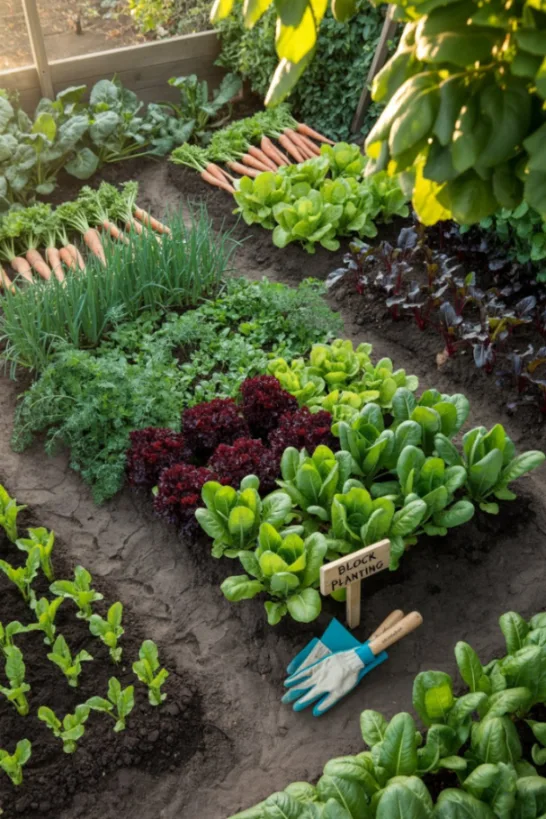
Instead of the usual rows, try planting your veggies in tight square or rectangular blocks. This method—often called square foot or block planting—packs crops closely together to maximize space and minimize weeds. Think sections of carrots, lettuce, radishes, or beets all grouped into dense patches. The soil stays more shaded, and the garden looks incredibly organized from above. Add simple plant markers to distinguish each block for a tidy, informative touch. It’s a high-yield, low-maintenance method that also looks clean and modern.
7. Grow Nitrogen-Fixers
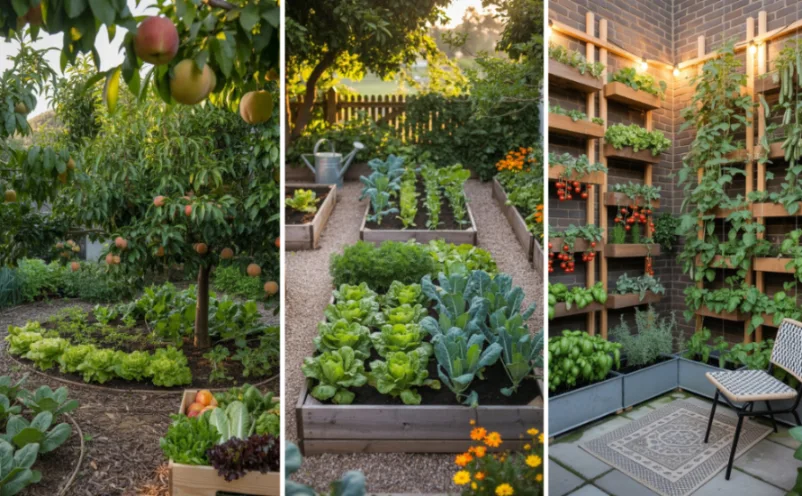
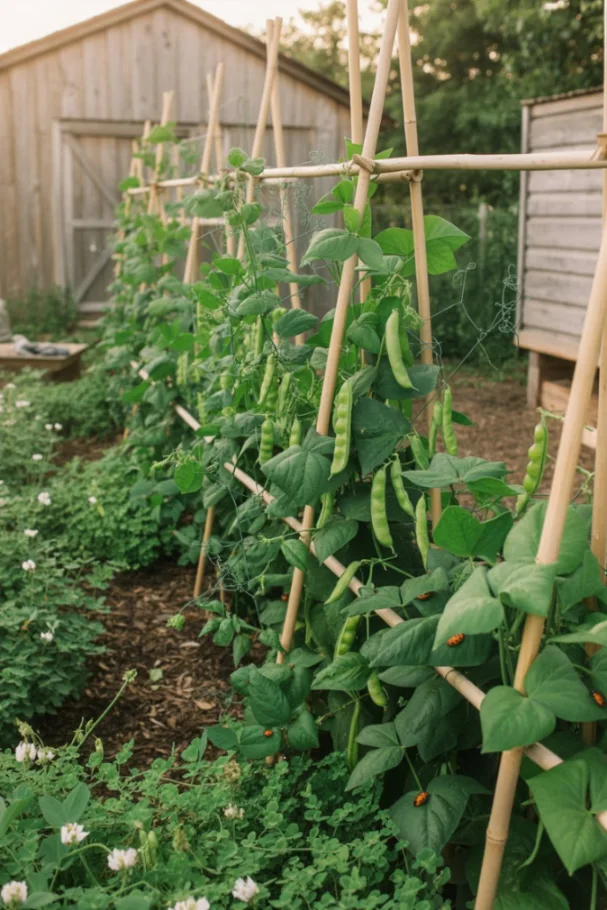
Adding nitrogen-fixing plants to your garden isn’t just smart, it’s downright essential for long-term soil health. Try planting peas and bush beans along a row of bamboo trellises, letting them climb and sprawl naturally. Fill in the walking paths with low clover to act as a living mulch and companion crop. Everything looks fresh and lush, especially when you’ve just added mulch and the soil is still a bit damp. A compost bin or shed in the background can pull double duty as both practical and decorative. Even the little ladybugs crawling on the leaves show that your garden is alive and thriving.
8. Integrate Edible Landscaping
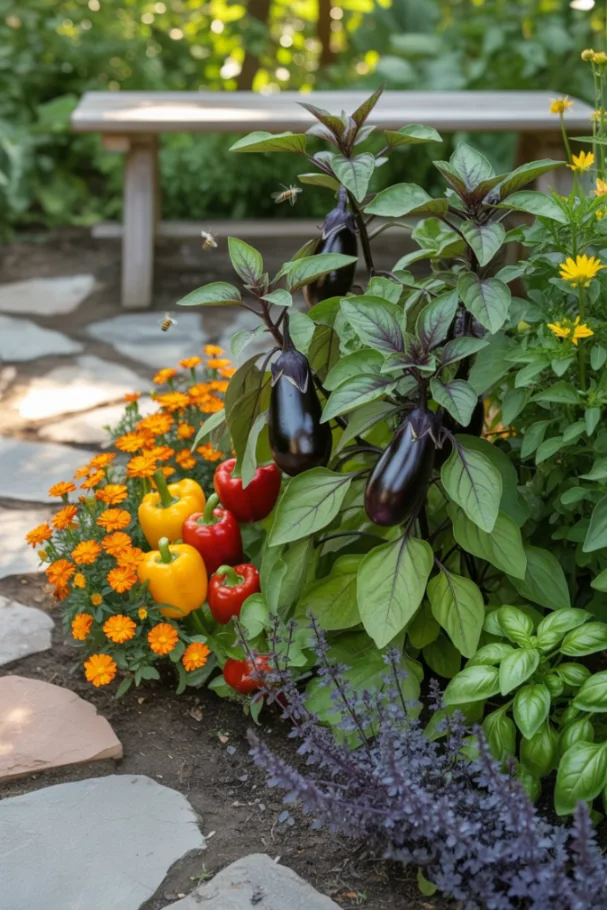
Blending your edible garden with ornamental landscaping doesn’t just make it prettier—it helps your space feel more intentional. Think glossy eggplants, bright bell peppers, purple basil, and a punch of marigolds all nestled into the same bed. It feels more like a design moment than a vegetable patch, but it’s 100% functional. Set it up near a curved stone path with a weathered bench for that peaceful garden vibe. Bees will be buzzing around the blooms, making your yard feel alive. The balance of structure and spontaneity in the planting adds to the charm. You’re not just growing food here, you’re building a space that feels like a living painting.
9. Use Ground Covers for Weed Control
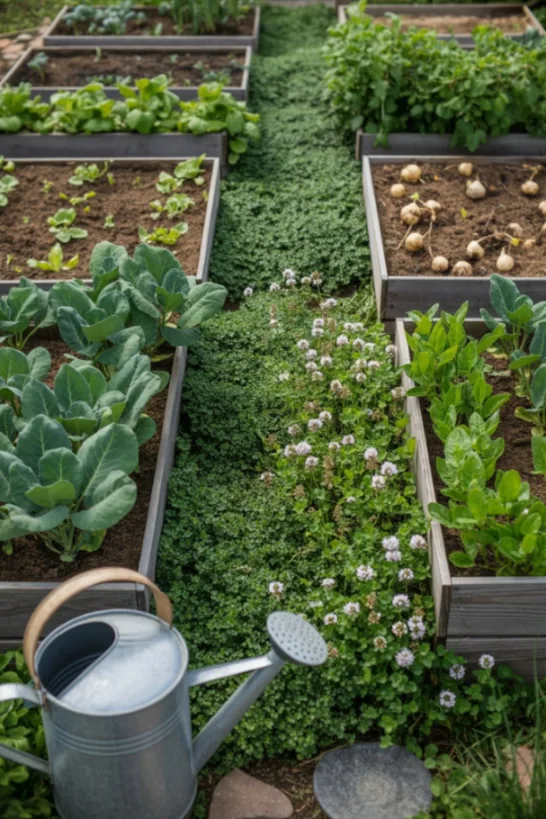
If you’re tired of weeding, ground covers like creeping thyme and white clover are total game changers. Cover the space between your raised beds with them. they’ll keep weeds out and add a lush, finished look. Imagine walking through a veggie garden where the paths are soft underfoot and full of life, not mud or weeds. Inside the beds, your greens and root crops thrive with less competition and better moisture retention. Plus, it just looks good—soft greens under the sun, no mess in sight. Toss in a nearby watering can and you’ve got a cozy, realistic scene straight out of a garden diary.
10. Plant a Canopy Layer
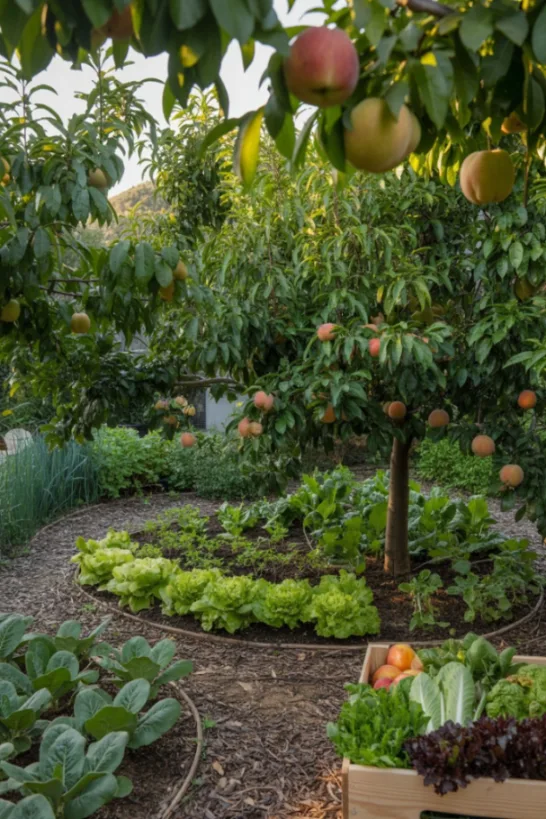
Hey If you’ve never tried layering your garden like a forest, now’s the time. Start with small fruit trees like plum or peach work great and let them create a light, dappled canopy. Beneath them, tuck in rows of lettuce, herbs, and spinach that can handle partial shade. The filtered sunlight creates this dreamy, enchanted vibe that’s both productive and peaceful. Use natural mulch paths to wind between the plantings and tie everything together. A wooden crate full of homegrown produce adds that rustic, satisfying endnote to the scene. It’s like creating your own little edible forest right in the backyard.
11. Protect Crops from Pests Naturally
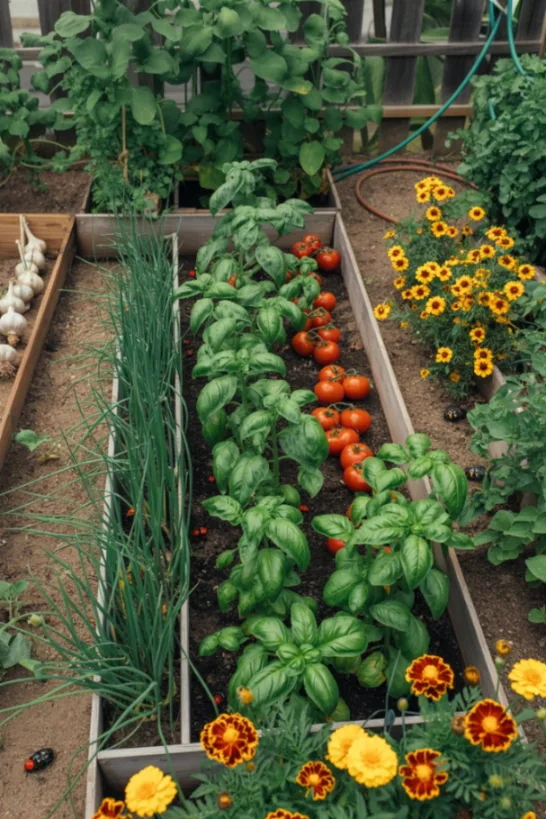
Dear you don’t need chemicals to keep your veggies safe, just choose the right plant pairings. Tomatoes, basil, onions, marigolds, and garlic make a powerhouse team when planted together. They confuse pests, attract pollinators, and look vibrant side by side. Chives and garlic along the border act as natural bug repellents. Add a cute chalkboard sign saying “No Chemicals Needed” and let the biodiversity speak for itself. The garden feels alive, colorful, and bursting with energy. It’s a total win: fewer pests, more flavor, and a happier, healthier space.
12. Keep a Garden Journal
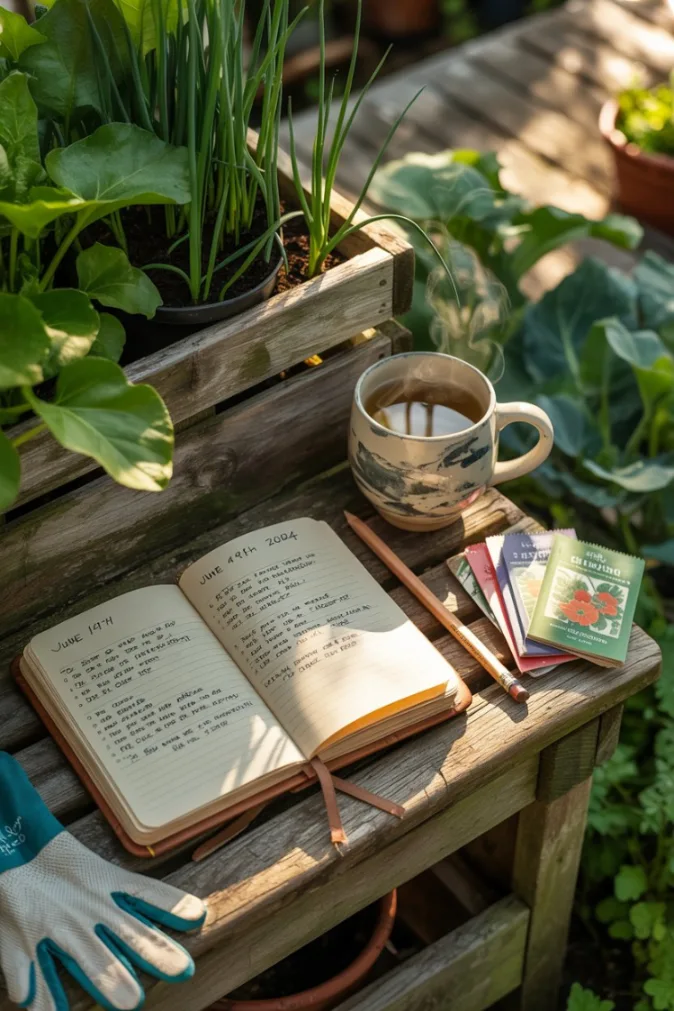
There’s something so grounding about keeping a journal in the garden. Set up a little potting station or bench with your notebook, some tea, and a few seed packets. Jot down what you planted, how things are going, and any ideas for next season. It’s a small ritual, but it keeps you connected to the rhythm of your garden. When you look back a few months later, you’ll be surprised how much you’ve learned. Plus, the setup itself with sunlight, gloves, paper, and a mug just feels so peaceful. It’s not just about planning, it’s about savoring the process.
13. Add a Water Feature
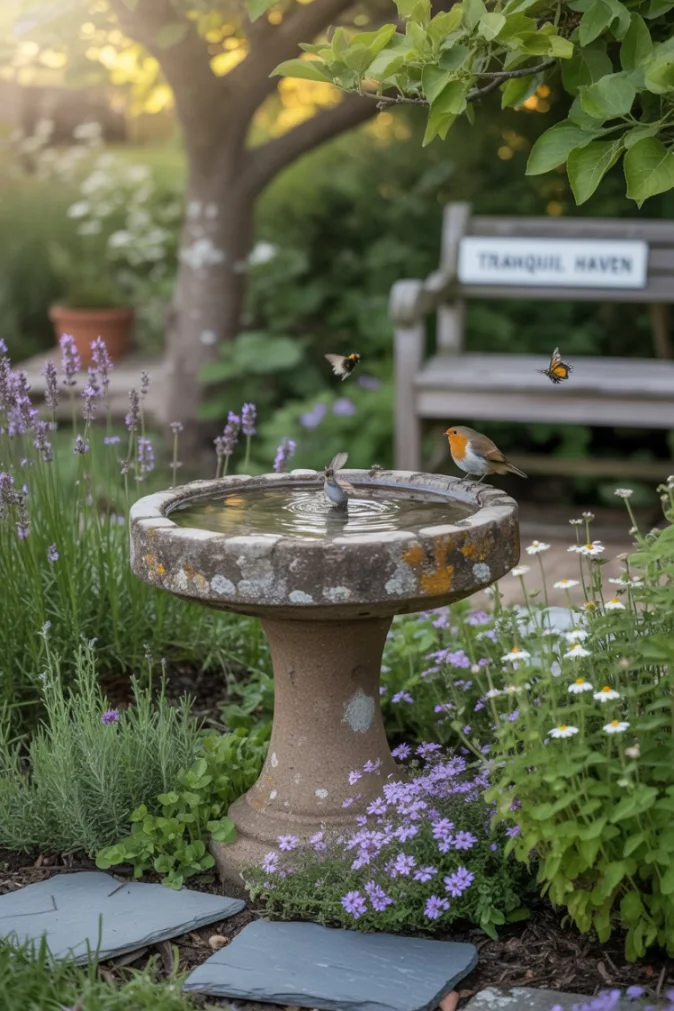
Adding a simple birdbath or small fountain can totally shift the mood of your veggie garden. It turns your space into a peaceful escape, not just a place to grow food. Picture bees hovering over herbs, a robin taking a drink, and soft sunlight glimmering on the water’s surface. It doesn’t have to be fancy with a circular stone basin works beautifully. Place it near some low flowers or leafy greens for contrast and color. A nearby bench invites you to sit, watch, and just be. The water draws in life, cools the space, and brings your garden full circle.
Wrap-Up
Vegetable gardening doesn’t have to be strictly practical. With a little planning, you can grow food and enjoy a space that’s full of charm, texture, and color. From raised beds to trellises and clever planting combos, the ideas above let you shape a garden that works hard and looks even better. Whether you’re starting small or redesigning your whole yard, the key is to mix beauty with function in ways that feel personal. Try one or two ideas this season and see how your garden evolves.
FAQs
1. What vegetables grow best together in a small garden?
Tomatoes and basil, lettuce and carrots, or beans with corn are great pairs. They save space and help each other grow better.
2. How do I make my vegetable garden look beautiful, not messy?
Use raised beds, mix in flowers, and keep things neat with mulch and edging. It’ll look like a decorative garden and produce food.
3. Is it okay to grow vegetables and flowers together?
Totally! Flowers attract pollinators and keep pests away while making your veggie garden look stunning.