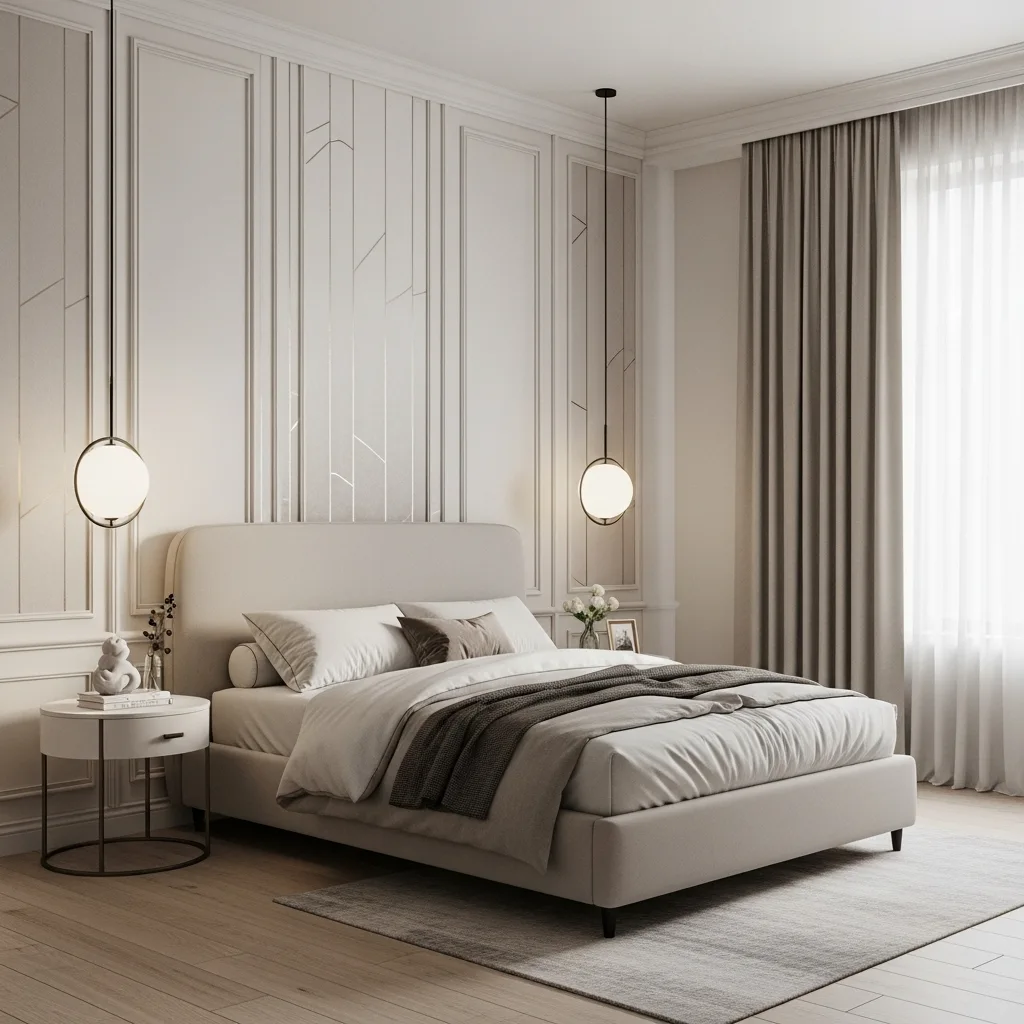
14 Minimal Wallpaper Layouts for Small Rooms: Make Your Space Look Bigger and Stylish
Decorating a small room can feel tricky — you want it to feel cozy, functional, and stylish without overwhelming the space. I’ve spent a ton of time experimenting with wallpapers in small rooms, and honestly, minimal designs are my absolute favorite. They create the illusion of more space while adding subtle personality. From geometric patterns to soft textures, there are so many ways to elevate a tiny room without crowding it. Here are 14 minimal wallpaper layouts for small rooms that I personally love and think you’ll find inspiring too.
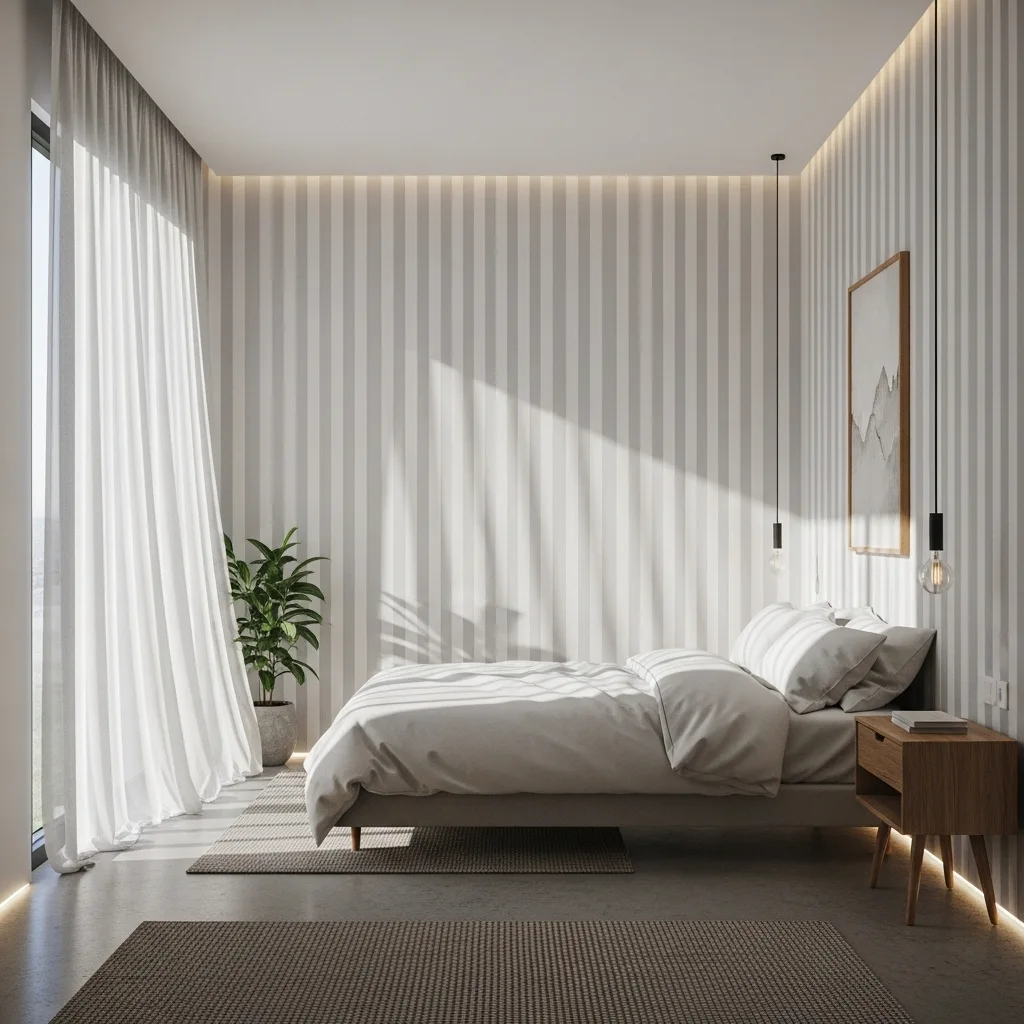
1. Vertical Stripes for Height
Vertical stripes are a classic trick I swear by. They instantly make the ceiling feel higher, which is a game-changer in small bedrooms or living rooms. I like subtle color contrasts — maybe soft gray stripes on a white wall — so it’s noticeable without being overpowering. Pairing it with minimalist furniture keeps the focus on height rather than clutter. I personally used this in my own studio apartment, and it really opened up the room visually.
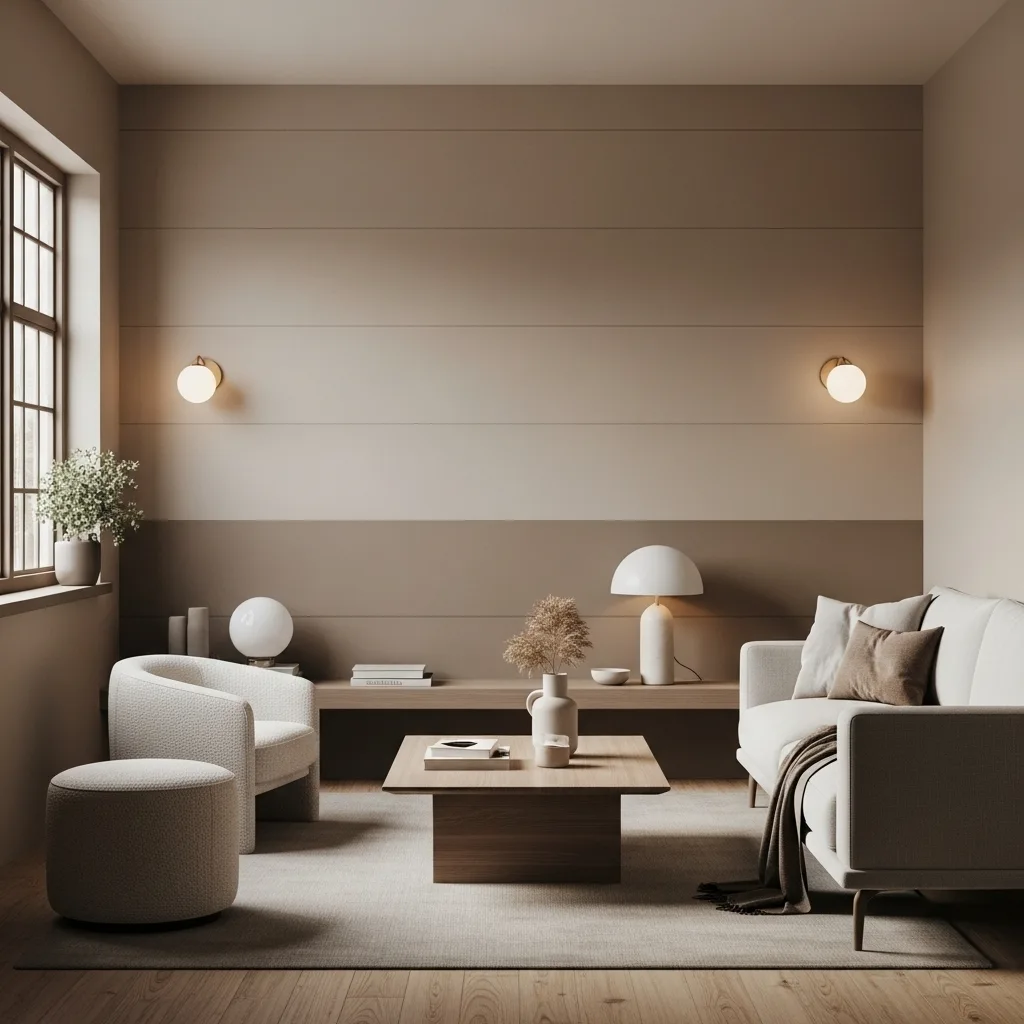
2. Horizontal Accent Panels
Horizontal panels might sound counterintuitive for small spaces, but if done right, they create a cozy, grounded feel. I like using one wall for horizontal paneling or wallpaper stripes in muted tones. It adds texture and character without shrinking the room. Keep furniture low-profile to maintain openness. I’ve found that it works especially well behind beds or sofas, giving the space a soft, anchored look.
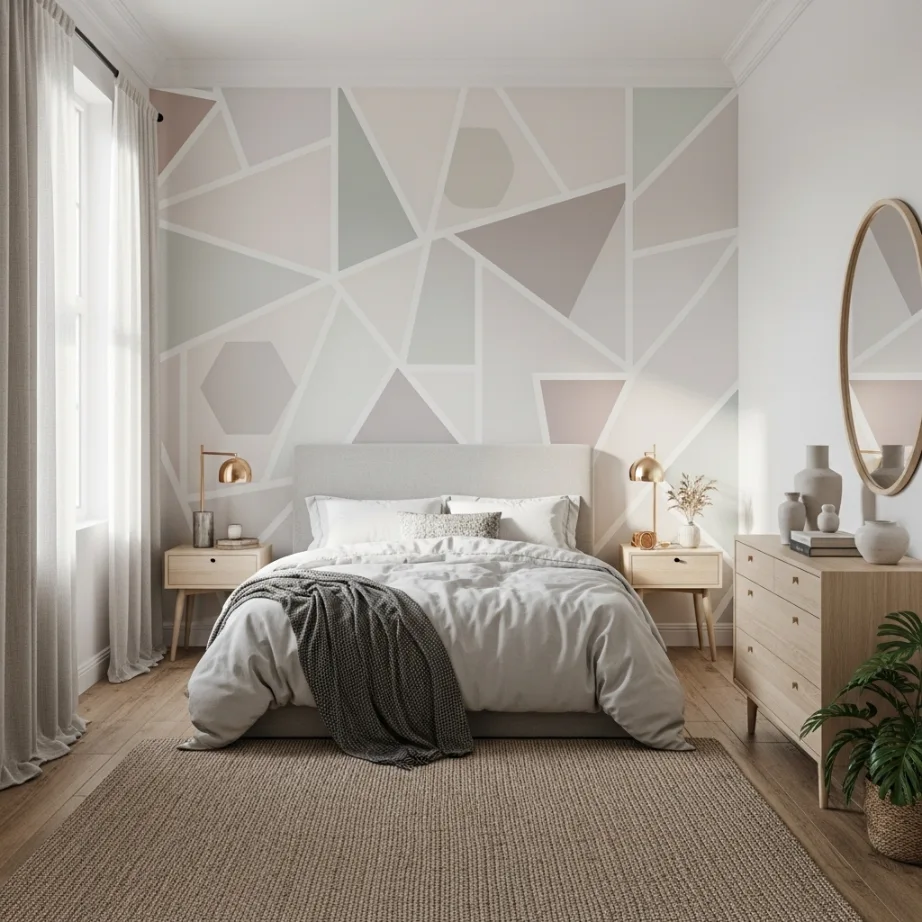
3. Geometric Shapes
Geometric patterns are perfect for minimal small rooms if you stick to simple shapes and neutral colors. Triangles, hexagons, or even subtle chevrons can make a wall pop without overwhelming. I usually pair them with solid furniture so the room doesn’t feel chaotic. A geometric accent wall behind the bed or workspace can be a real statement in a tiny room. Personally, I love muted pastel geometric shapes for a playful yet calm vibe.
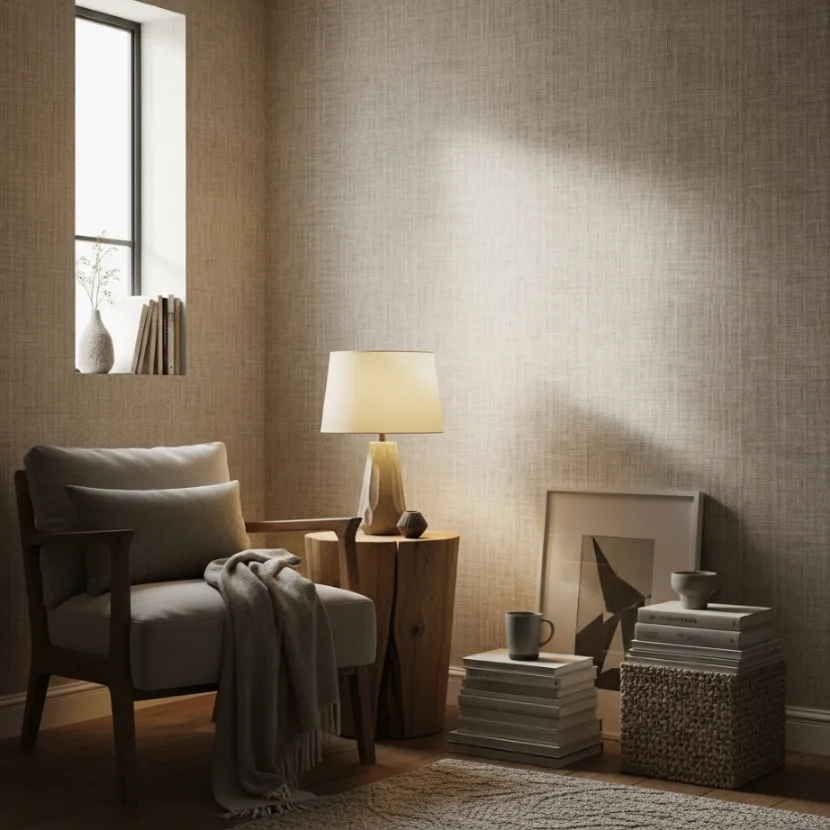
4. Textured Wallpaper
Sometimes, texture beats color. I love wallpaper that mimics linen, grasscloth, or subtle plaster finishes. It adds depth without using bold patterns that can make a small room feel busy. I personally use textured wallpapers in my reading nook, and it instantly makes the space feel layered and sophisticated. Pair it with minimal furniture and soft lighting to let the texture shine.
5. Ombre Effects
Ombre wallpapers are dreamy and perfect for adding subtle interest in a small room. A gradient from light to slightly darker shade can make a wall look taller or longer, depending on the direction. I’ve used soft blue to white ombre in a tiny bedroom, and it instantly felt more airy and spacious. This works best with furniture in neutral tones so the gradient remains the main feature.

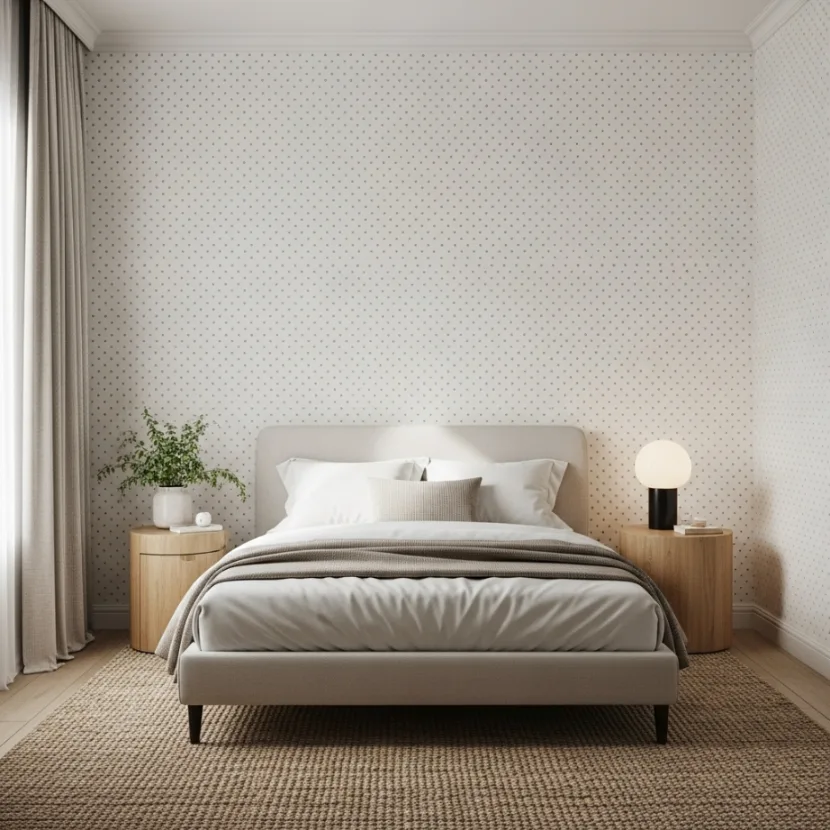
6. Small-Scale Patterns
Big patterns can overpower a tiny room, but small-scale designs like polka dots, tiny florals, or delicate grids keep it interesting without making it feel cramped. I like wallpapers with repetitive, small prints in soft colors — they add character without stealing the spotlight. Personally, I’ve used small gray polka dots in my guest room, and it looked stylish yet cozy.
7. Monochromatic Minimalism
One of my go-to tricks is sticking to a single color palette. A soft gray, beige, or off-white wallpaper creates a calm, uniform backdrop. I love pairing it with textures in throws, pillows, and rugs to add interest. This is perfect if you’re going for a minimalist vibe but don’t want the room to feel flat. In my living room, a monochromatic textured wallpaper made the space feel cohesive and larger than it actually is.

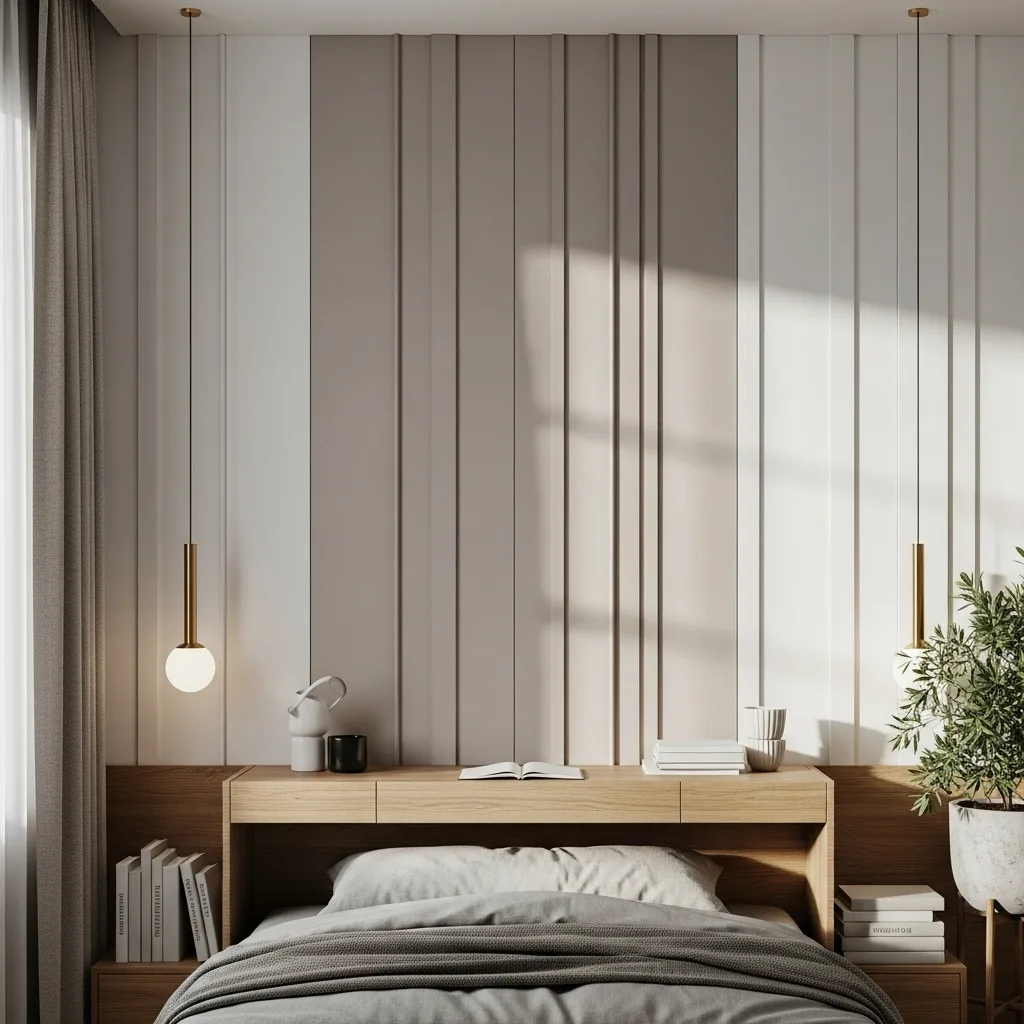
8. Vertical Panels with Neutral Dividers
Think of dividing the wall into vertical panels using neutral wallpaper shades. It’s subtle, elegant, and gives structure without cluttering. I personally like combining light taupe with soft white panels. It adds depth and a touch of sophistication while keeping the room airy. Works especially well behind beds, desks, or accent walls in small spaces.
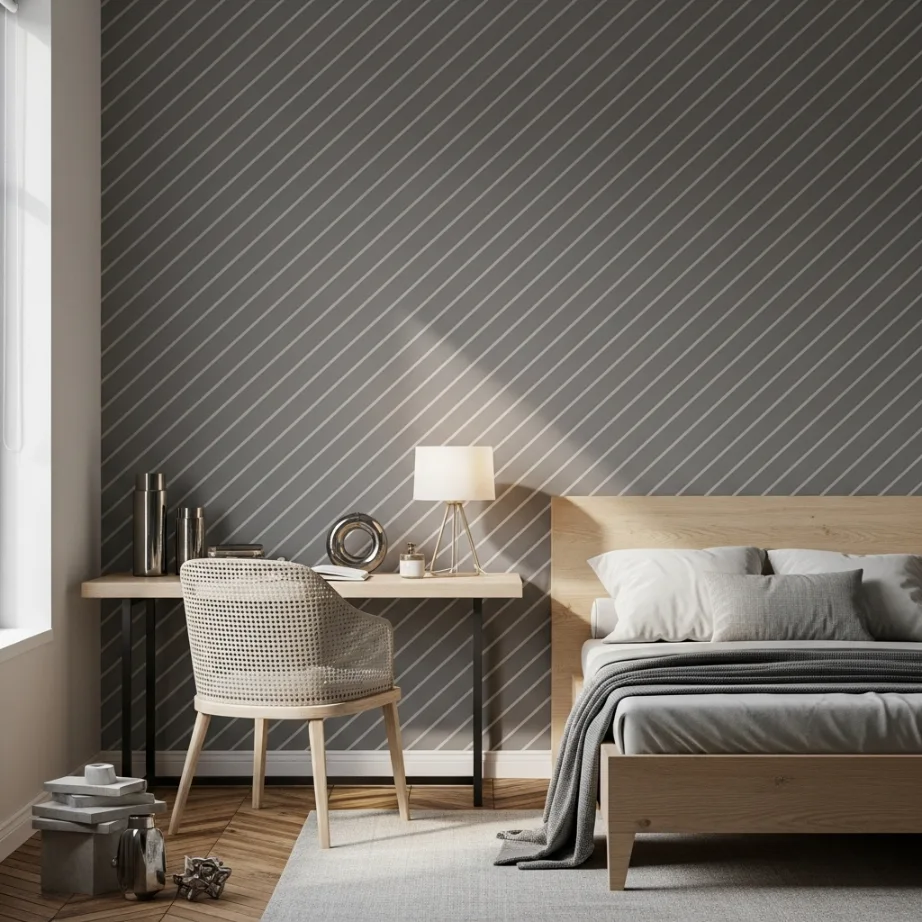
9. Diagonal Accents
Diagonal wallpaper stripes or accents can create a sense of movement in a small room. I know it sounds bold, but if you stick to muted colors, it’s surprisingly subtle. Diagonal patterns can make a wall feel larger or add an artistic touch to your bedroom or office. I used soft gray diagonals in a tiny studio corner, and it really elevated the area without overwhelming it.
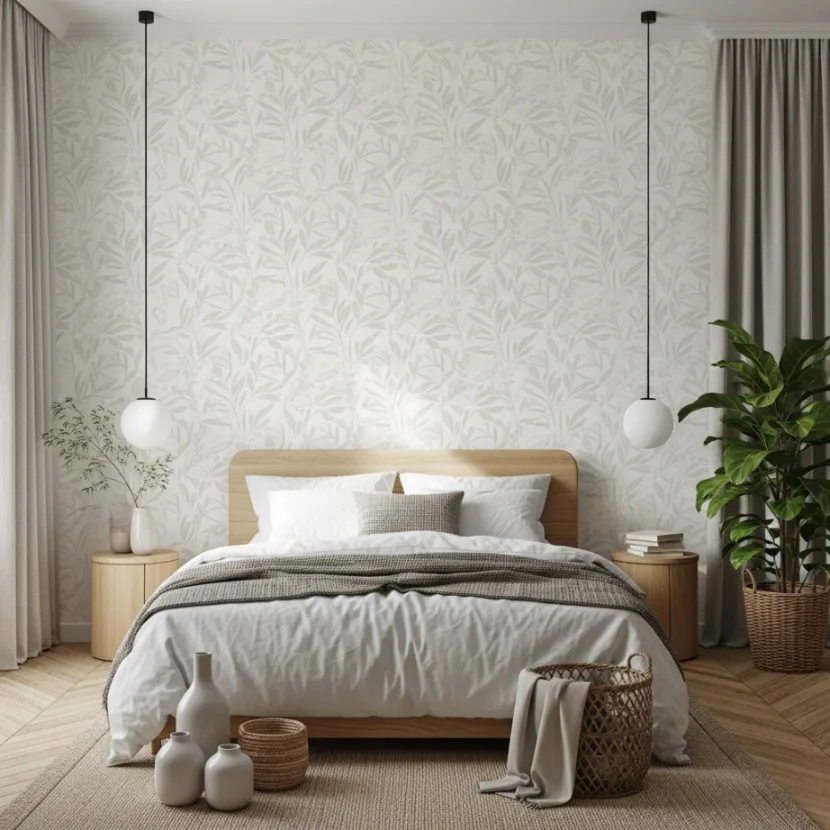
10. Minimal Nature Motifs
I love subtle, minimal nature-inspired wallpapers — think delicate leaves, abstract florals, or tiny trees in muted shades. It brings in a calming vibe while keeping things light and airy. In my own space, a soft green leaf pattern behind the bed made the room feel fresh and connected to nature. Pair it with neutral bedding and simple furniture to avoid visual clutter.
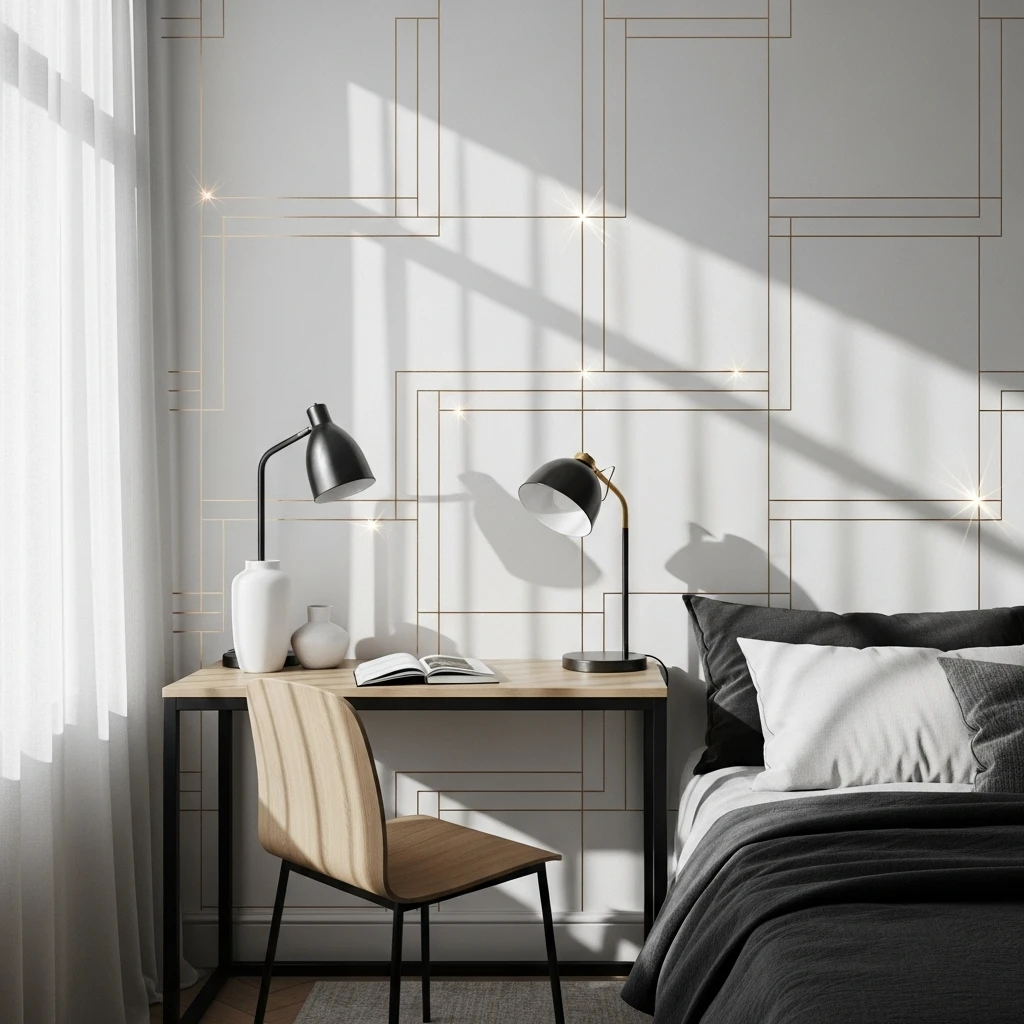
11. Metallic Accents
Minimal wallpapers with subtle metallic details add a touch of luxury without being flashy. I love wallpapers with thin gold, silver, or copper lines or accents that catch light when the sun hits. In a small room, it adds a soft shimmer and creates visual interest. I personally used a thin copper geometric line wallpaper in a tiny study corner, and it felt upscale yet cozy.
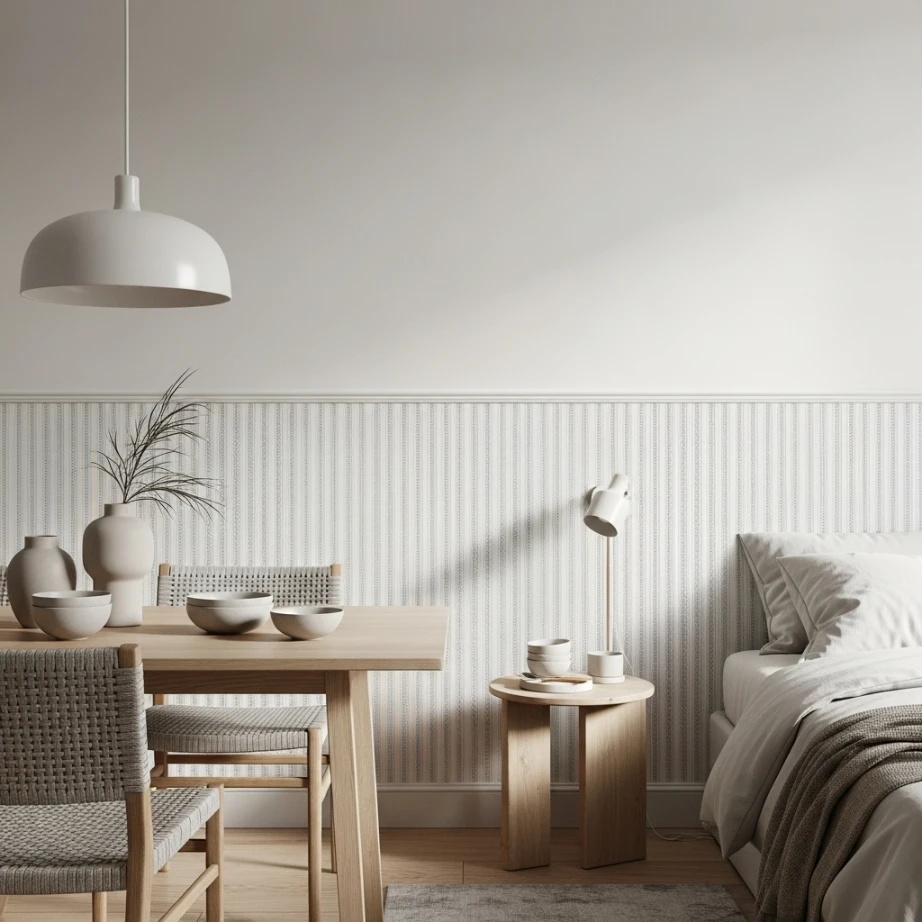
12. Half-Wall Wallpaper
Sometimes less is more. Covering only the lower or upper half of the wall with wallpaper creates a minimalist yet stylish effect. I like pairing a patterned lower half with a plain neutral upper half — it’s sophisticated and prevents the room from feeling boxed in. Personally, I did this in a small dining nook, and it looked modern without making the space feel cluttered.
13. Minimal Retro Patterns
A touch of retro can be minimal too! I’m talking soft, subtle shapes inspired by the 60s or 70s in muted colors. Think rounded squares, tiny arches, or soft curves. I personally tried a muted retro wallpaper in my bedroom, and it felt playful but understated. It’s a great way to add personality without dominating the small room.

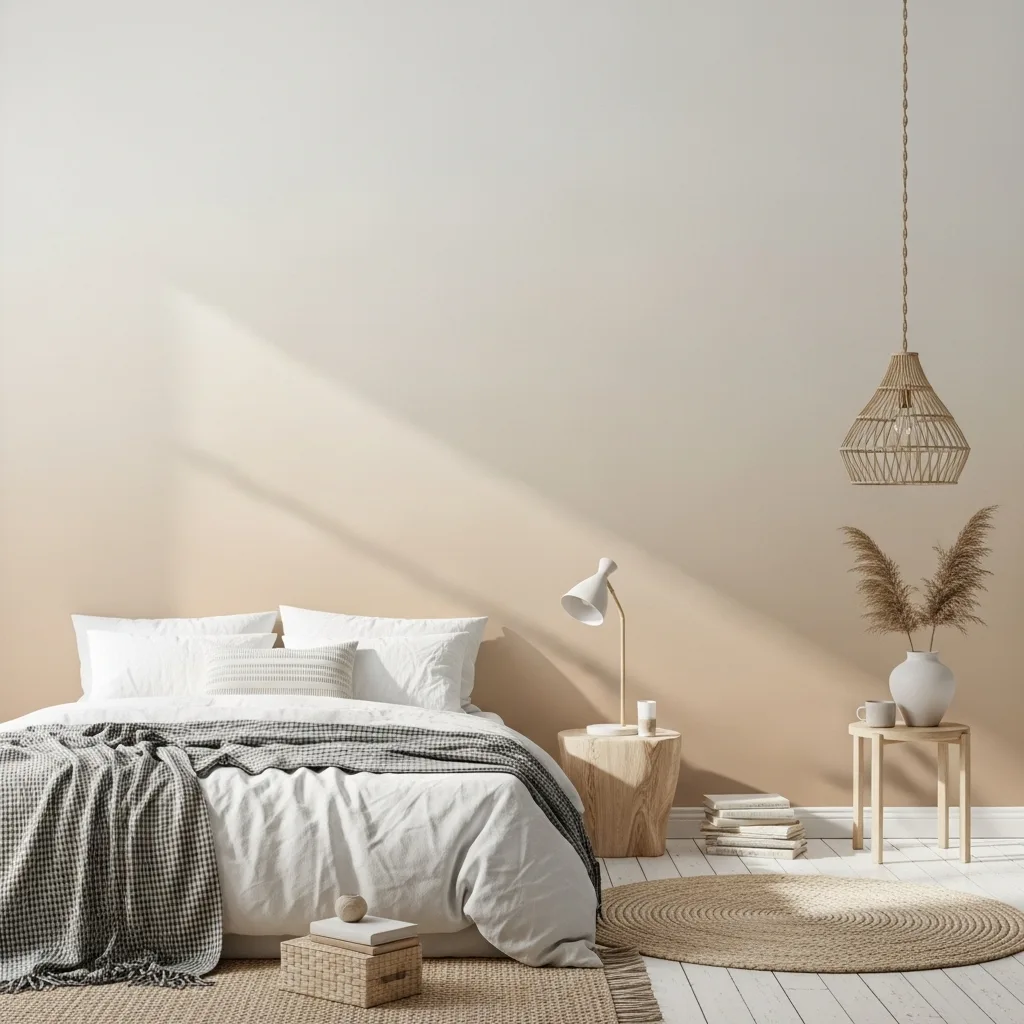
14. Full-Wall Soft Gradient
A full-wall gradient in a soft, neutral tone gives the room depth and makes it feel larger. I love how it subtly changes from one shade to another — it’s calming and creates a sense of space. Personally, a soft beige-to-cream gradient behind the bed made my small bedroom feel more open and cozy at the same time. It’s simple, effective, and elegant.
Conclusion
Minimal wallpaper layouts are perfect for small rooms because they create the illusion of space, add personality, and keep things stylish without overwhelming. From vertical stripes and geometric accents to soft gradients and subtle textures, there are so many ways to personalize your small space. I personally love experimenting with patterns and textures — it makes decorating a fun process. Remember, the key is balance: pick one feature wall or subtle accents and let your furniture and lighting complement the wallpaper. Minimal doesn’t have to be boring — it can be bold in the most understated way.
FAQs
1. Can wallpaper make a small room look bigger?
Yes, vertical stripes, gradients, and small-scale patterns can visually expand a small room. Light colors help enhance this effect.
2. Which patterns are best for tiny bedrooms?
Minimal patterns like vertical stripes, subtle geometric shapes, or small-scale florals work best without overwhelming the space.
3. Is textured wallpaper suitable for small rooms?
Absolutely. Light textures like grasscloth or linen add depth and warmth without making the room feel crowded.
4. Should I cover all walls with wallpaper in a small room?
Not necessarily. Using an accent wall or half-wall layout can create style and depth without making the space feel closed in.
5. How can I combine wallpaper with furniture in a small room?
Keep furniture minimal and neutral to allow the wallpaper to be the focal point. Add textures and soft accents to balance the room.