20 Creative Outdoor Garden Design Ideas to Master Your Outdoor Sanctuary
Walking into your backyard should feel like entering a curated five-star escape, not just a patch of grass that needs mowing. For the longest time, my own garden felt like a disjointed mess of random plants and awkward empty spaces that I just didn’t know how to fill. IMO, garden design is about more than just planting flowers; it is about engineering a flow that balances architectural structure with organic beauty. You don’t need a sprawling estate to create a high-end look; you just need to stop seeing your yard as a chore and start treating it like the most important room in your house.
I’ve spent countless hours dissecting professional landscaping layouts to understand how the experts create that “mighty” resort vibe in any sized space. The secret is moving away from flat, one-dimensional planting and starting to layer heights, textures, and functional zones that serve your lifestyle. Whether you are working with a tiny urban balcony or a massive suburban plot, these ideas are designed to be high-impact, manageable, and aesthetically stunning. We are going to find a home for everything from tiered planters to cozy fire pits while making your entire property look like a professional masterpiece. Let’s dive into these garden design secrets that will transform your dirt into a powerhouse of style and tranquility.
1. Vertical Gardening
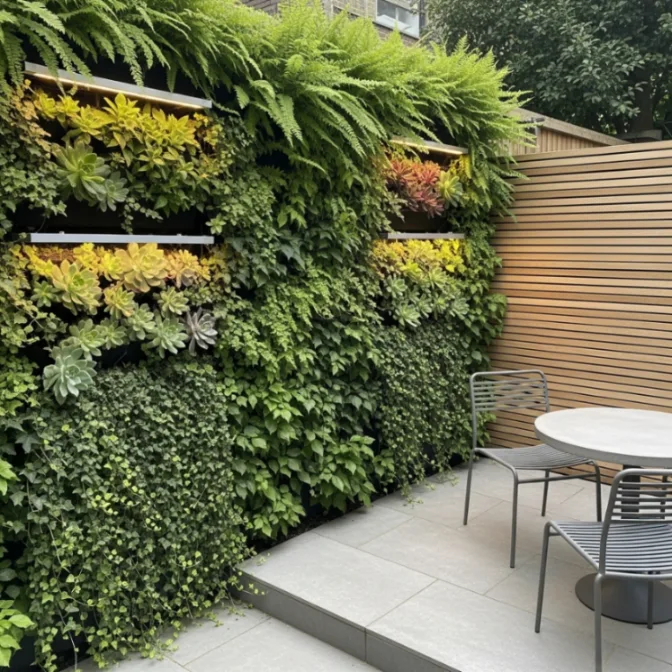
When you are dealing with a small footprint, the only way to go is up to maximize your greenery. I suggest installing a vertical garden or a “living wall” to bring a massive amount of foliage into your space without cluttering the ground. This space-saving solution is perfect for urban homes where every square foot counts for both style and movement.
For a successful vertical design, choose plants with similar light and water needs, such as ferns, succulents, and ivies. These species offer a diverse range of textures and colors that create a rich, layered visual interest on a flat surface. To keep it feeling luxury, ensure the wall receives adequate natural light or supplement it with high-end grow lights.
I find that a green wall acts like a living piece of art that changes and grows with the seasons. It provides a sense of modern geometry and comfort that softens the hard lines of fences or exterior walls. It turns a boring boundary into a professional-grade botanical installation that becomes an instant conversation starter for your guests.
2. Corner Statements
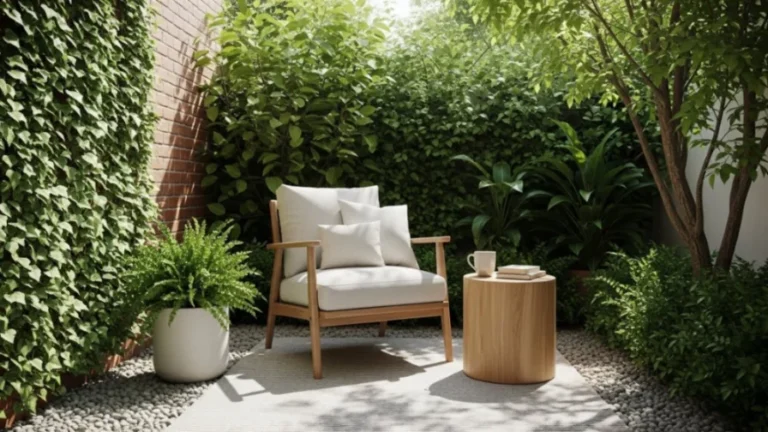
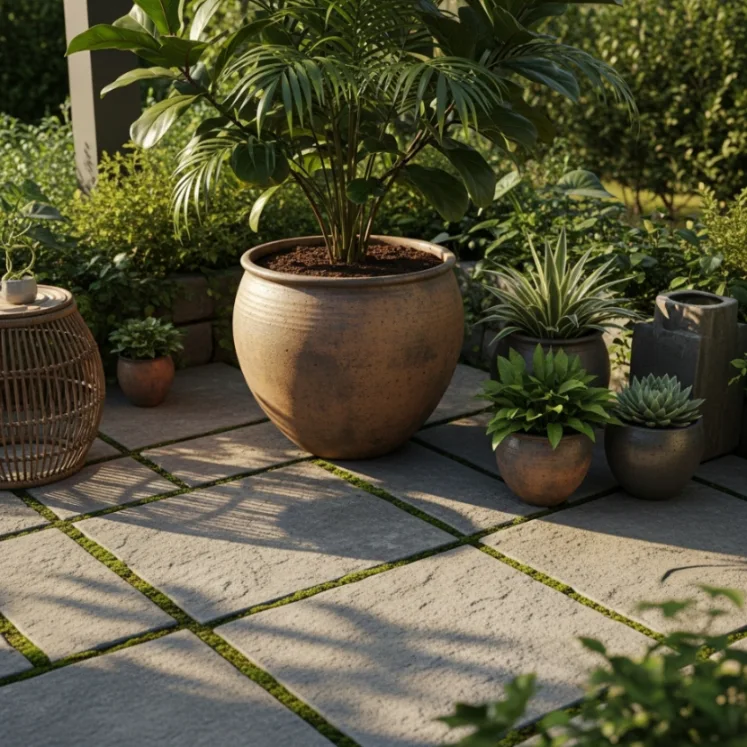
Underused corners are the perfect places to inject a bit of drama into your garden design. I suggest placing large, oversized planters in these corners to utilize space that often goes to waste and add a dynamic vertical element. These large-scale plants help soften the hard, 90-degree angles of a yard, creating a much more inviting and cozy atmosphere.
When selecting your pots, consider the overall interior or exterior design of your home to ensure they match or contrast beautifully. You can use materials like sleek modern ceramics or rustic wicker to create a striking statement that feels intentional and curated. Always ensure these plants have enough room to grow so they don’t look crowded or neglected as they mature.
I personally love the impact of a single, massive plant like a Fiddle Leaf Fig or a large palm in a quiet corner. It adds a layer of depth and luxury storytelling that tells everyone your garden was designed by a professional. It is a functional detail that signals a high-end experience, making the entire yard feel twice as large and much more sophisticated.
3. Tiered Displays
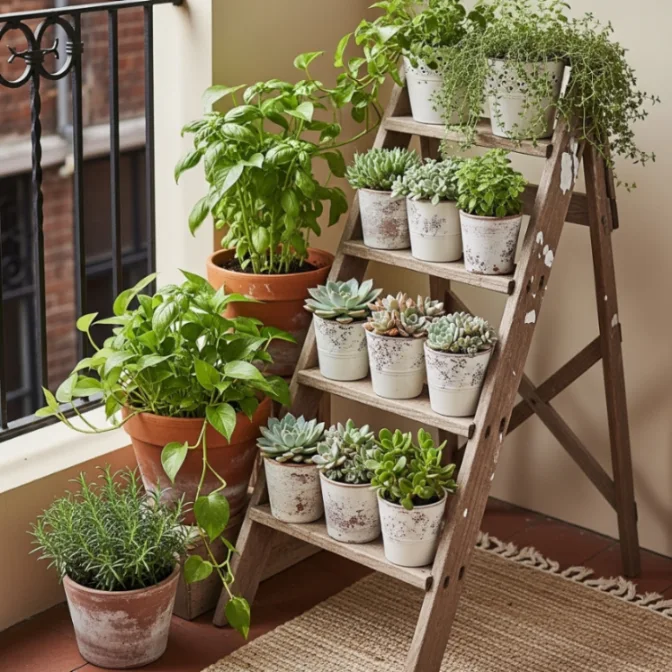
If you want to add height and visual interest to a flat area, you need to think in layers. I suggest arranging your plants on a wooden or metal step ladder for a rustic, tiered display that maximizes vertical space. This setup works beautifully for both indoor and outdoor areas, allowing you to showcase a variety of species in a very small footprint.
To create a professional look, place your larger, heavier pots on the lower steps and smaller, more delicate ones as you move upward. I find that cascading plants like pothos or string of pearls look particularly stunning when they drape down from the higher steps. It creates a “waterfall” effect of greenery that adds a touch of modern geometry and comfort to the space.
I personally suggest choosing a variety of plants that differ in height, color, and leaf texture to keep the eye moving. It turns a functional gardening area into a masterpiece of light and form that feels curated rather than cluttered. FYI, this is also a brilliant way to keep your favorite herbs or succulents organized and within reach for daily maintenance. 🙂
4. Cozy Nooks
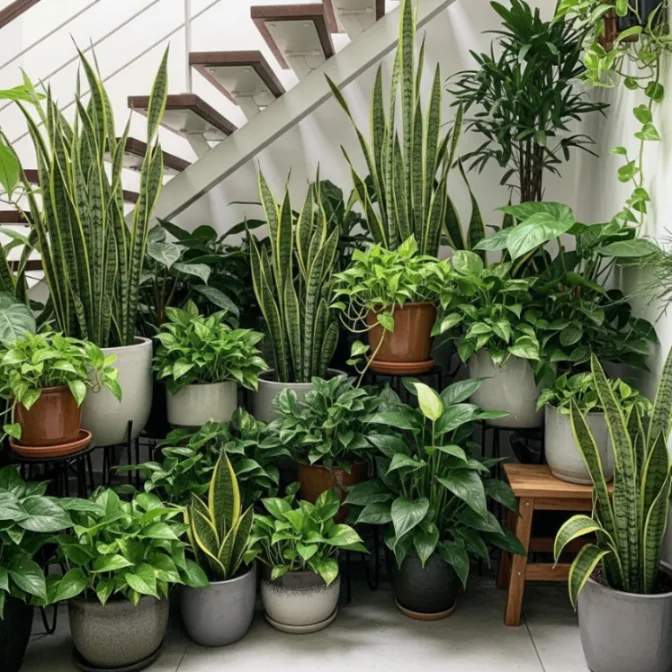
Every garden needs a secret spot where you can hide away from the world with a good book. I suggest filling the space under your stairs or a quiet corner with a dense arrangement of shade-tolerant plants. This turns an अक्सर ignored “dead zone” into a lush, green sanctuary that feels like a private escape within your own home.
For these dimly lit spaces, opt for hardy plants like snake plants, pothos, or philodendrons that thrive in lower light. To keep it feeling luxury, mix different leaf textures and heights to create a tiered, 3D effect that draws the eye into the space. It adds a layer of luxury storytelling that tells everyone you make the most of every inch of your property.
I find that these nooks provide a visual break and a sense of tranquility that is hard to find in more open areas. It is a smart move that turns a boring structural element into a masterpiece of home design. It signals that your home is a place for rest and restoration, where every corner is curated with love and intention. :/
5. Zen Waterscapes
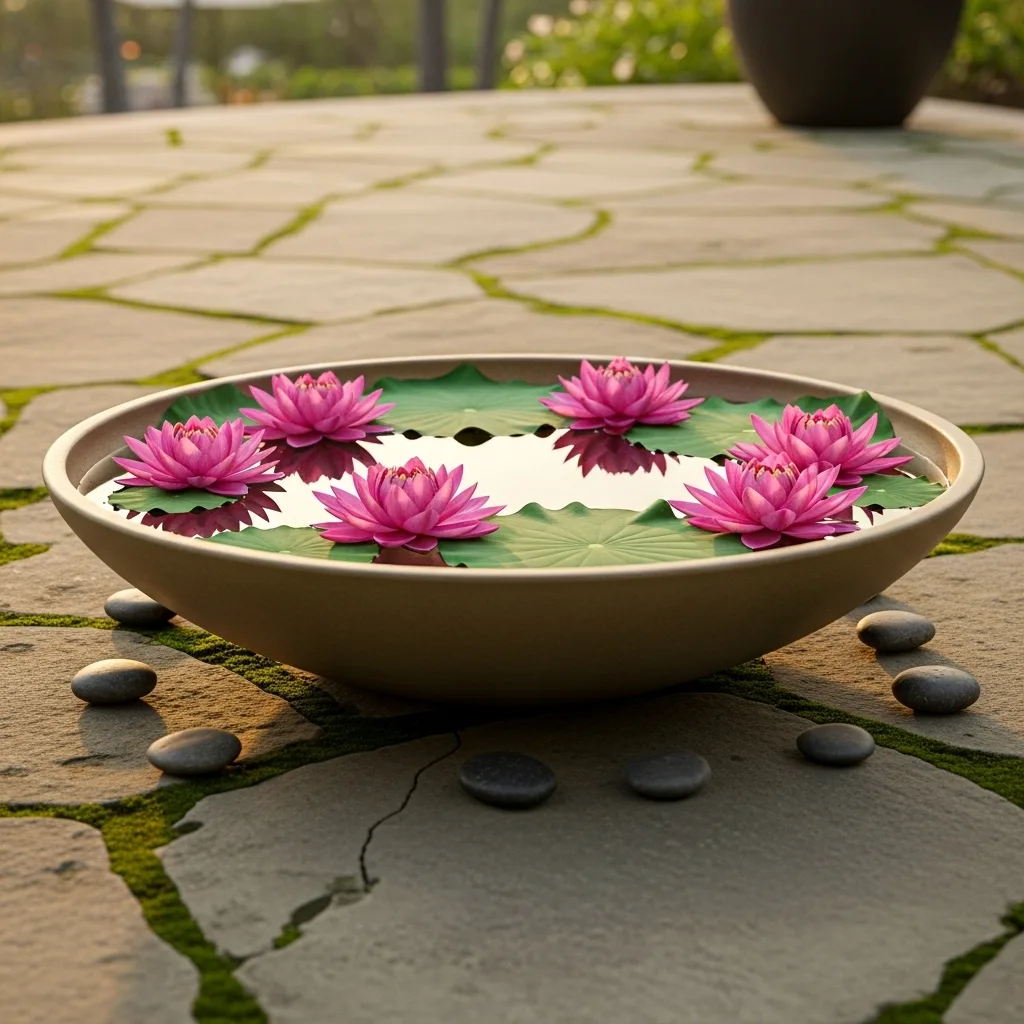
If you want to add a unique, meditative element to your garden, you need to incorporate the element of water. I suggest using a broad, shallow water bowl to display floating aquatic plants like a lotus or water hyacinth. This setup is incredibly simple to create and maintain, making it a perfect addition for patios or small garden corners where tranquility is desired.
To get started, select a waterproof bowl made of glass, ceramic, or metal that complements your existing decor style. Ensure the bowl is placed in a location that receives several hours of direct sunlight, as these floating plants thrive in bright light. Fill the bowl with dechlorinated water to support the health and vibrant flowers of the plants.
I find that the sight and sound of water provide a professional-grade meditative atmosphere that no static plant can match. It provides a sense of modern geometry and comfort while adding a unique sensory element to your garden. It is a sophisticated way to bring an exotic, high-end resort vibe to your yard that most people never think to try.
6. Living Art
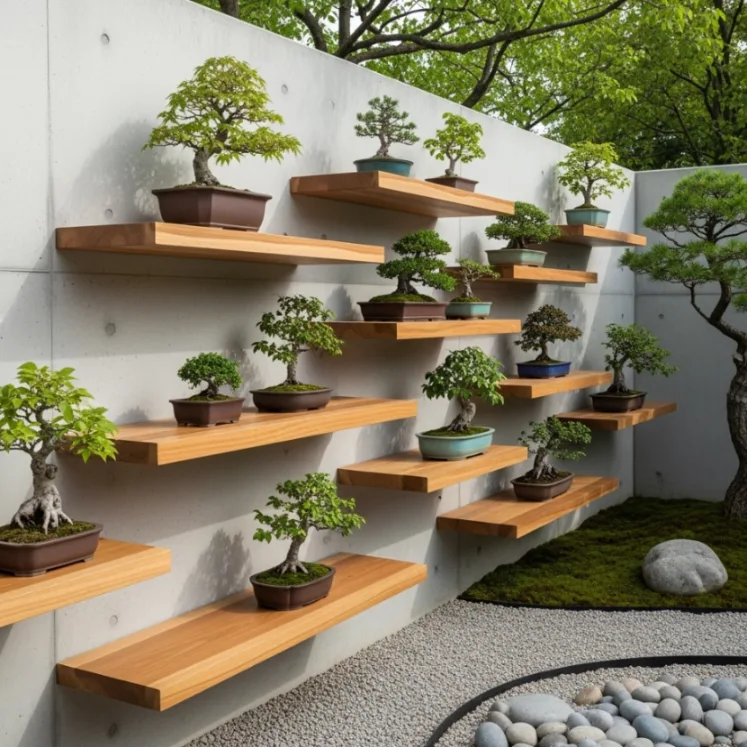
For those who want to blend high-end design with traditional gardening, the art of Bonsai is the perfect solution. I suggest displaying a collection of these miniature, meticulously pruned trees on staggered floating shelves against a garden wall. This allows each tree to stand out as an individual masterpiece of light and form.
When arranging your Bonsai, consider the placement of each tree to ensure it receives the specific light levels it needs to stay healthy. I find that staggering the shelves creates a rhythmic visual interest that draws the eye upward and makes a small wall feel more dynamic. It is a sophisticated way to bring a touch of Zen and luxury storytelling to your outdoor sanctuary.
I personally love the disciplined beauty of a Bonsai collection; it tells everyone you appreciate patience, craft, and history. It provides a sense of modern geometry and comfort while keeping the garden feeling light, airy, and expensive. It turns a standard wall into a professional-grade gallery that will have your neighbors peeking over the fence in awe.
7. Fairy Landscapes
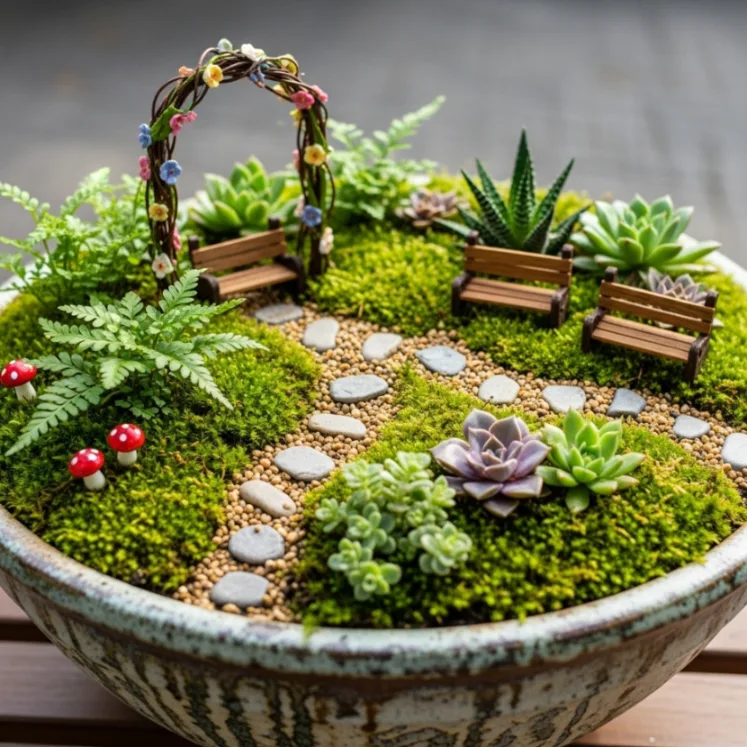
If you want to add a touch of whimsy and intricate detail to your yard, you need a miniature garden. I suggest creating a “fairy garden” in a large, wide-opening pot filled with small, low-growing plants. This setup allows you to create a miniaturized forest or meadow landscape that acts as a charming focal point in a garden bed or on a patio.
Use mosses for ground cover, small-leaved ferns for foliage, and miniature succulents to create different “zones” within the pot. To keep it feeling luxury, add high-quality miniature accessories like stone pathways, tiny benches, or small houses to bring the scene to life. Ensure the pot has proper drainage to keep the soil from becoming waterlogged.
I find that fairy gardens are the best way to gain focus in a small area because of the level of detail involved. It adds a layer of depth and luxury storytelling that tells a story of organic growth and creative imagination. It is a smart move that turns a boring planter into a masterpiece of home design that guests of all ages will appreciate.
8. Scented Paths
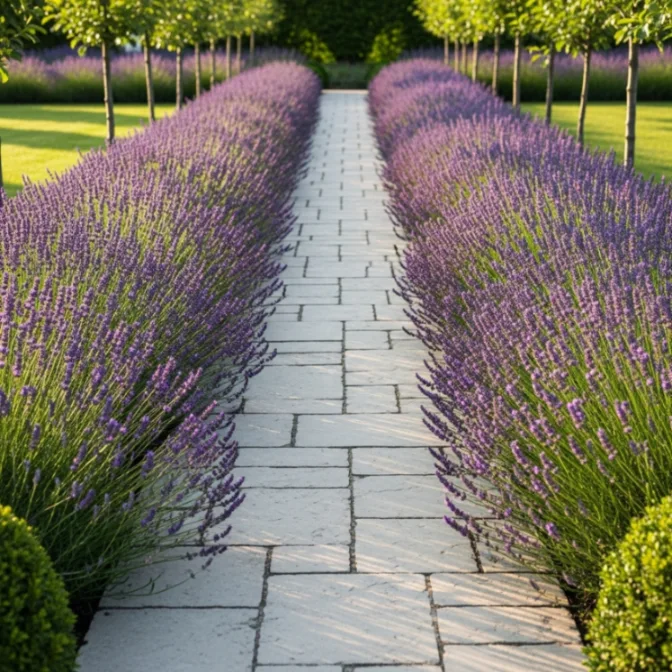
Your garden should be a sensory experience that starts with a fragrance the moment you walk through the gate. I suggest lining your garden pathways with aromatic plants like lavender, which emits a soothing scent that can help induce a sense of calm. Lavender is particularly hardy and requires low maintenance once it is established in a sunny spot.
I find that the presence of scented plants at the bedside or along a path creates a natural wellness retreat vibe. To keep it feeling luxury, pair your aromatic plants with clean-lined paving stones or light-colored gravel to make the purple hues pop. It turns a standard garden path into a professional-grade journey of light and fragrance.
I personally suggest choosing a variety of lavender that matches your specific climate for the most vibrant blooms. It adds a touch of modern geometry and comfort that signals a serious commitment to self-care and relaxation. FYI, these plants are also brilliant for improving air quality and attracting helpful pollinators like bees to your garden. 🙂
9. Foliage Borders
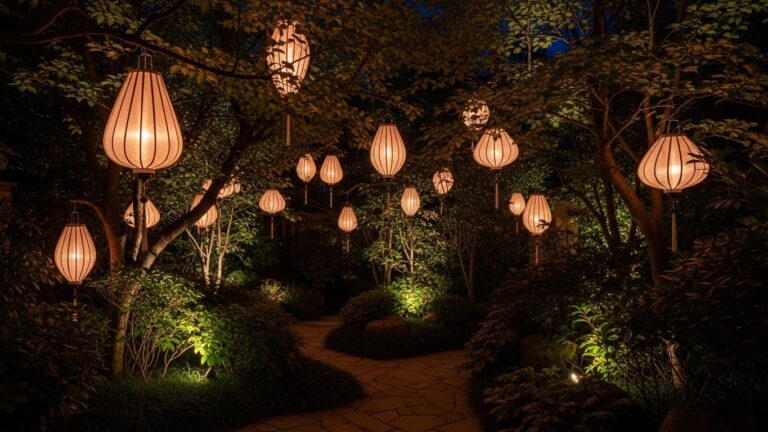
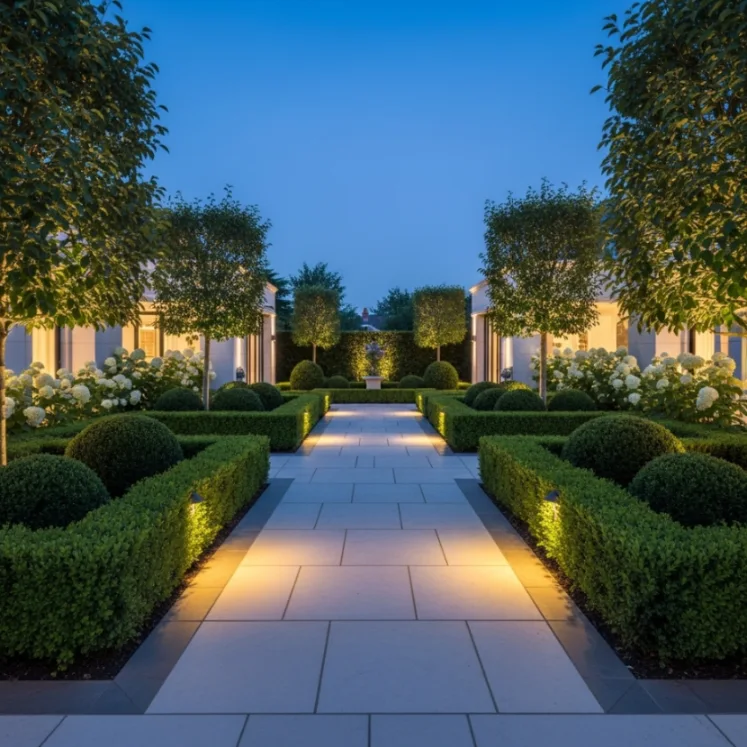
If you want to define the different areas of your yard without using ugly fences, use the plants themselves. I suggest lining the edges of your garden beds or pathways with rope lights or subtle ground foliage to add clear definition to your landscape. This creates an elegant and subtle lighting effect that adds both depth and dimension after the sun goes down.
I find that the arrangement of low-growing plants along a border creates a sense of balance and symmetry that looks very high-end. To keep it feeling luxury, use a consistent species like boxwood or ivy that can be pruned into a neat, architectural shape. It signals that your garden was designed with a professional-grade eye for clean lines and structure.
I personally suggest mixing different leaf textures within your borders to create visual interest throughout the day. It provides everything you need for a modern, well-planned landscape that feels both organic and controlled. It turns a messy yard into a masterpiece of garden design where every plant has a specific, functional home. :/
10. Tropical Vanities
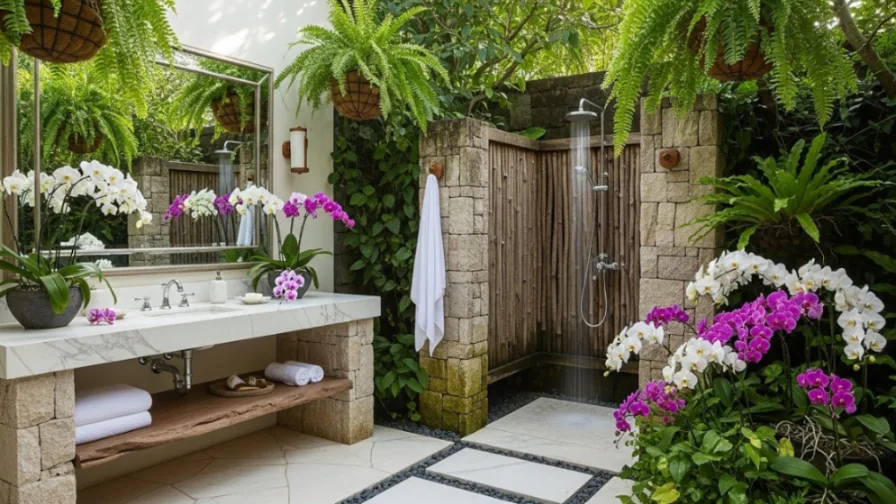
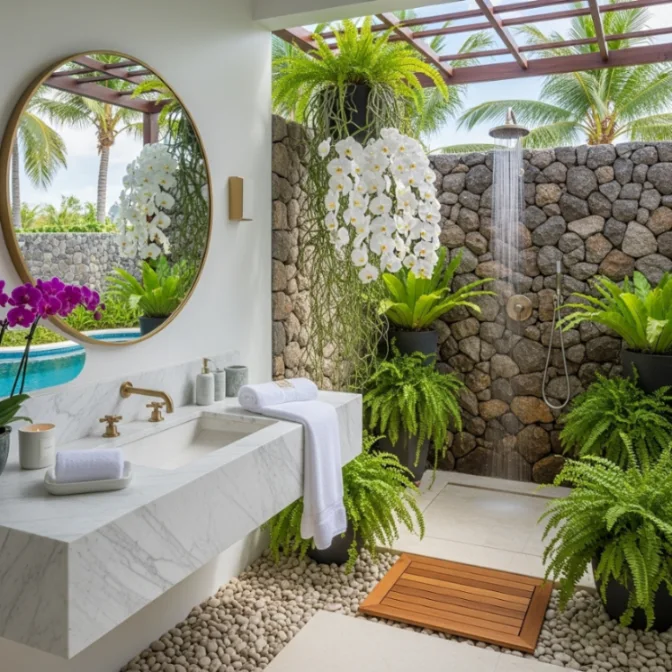
Most people ignore their outdoor bathroom or poolside shower area, but it is the perfect place for a botanical upgrade. I suggest using humidity-loving plants like ferns or orchids to transform these functional spots into tropical spas. These plants flourish in moist conditions and can blooming beautifully with minimal maintenance.
For small spaces, consider hanging your plants or placing them on high shelves to save precious floor or counter space. I find that orchids are a particularly attractive option because they add a touch of exotic luxury and refined taste to any vanity. Ferns look particularly stunning when paired with natural materials like stone, wood, or white marble.
I personally love the air-purifying qualities of plants like the peace lily in a humid environment. It keeps the air fresh while adding a lush, green backdrop to your outdoor self-care routine. It provides everything you need for a professional-grade sanctuary that feels both clean and organic, turning a standard bathroom into a high-end destination.
11. Edible Windows
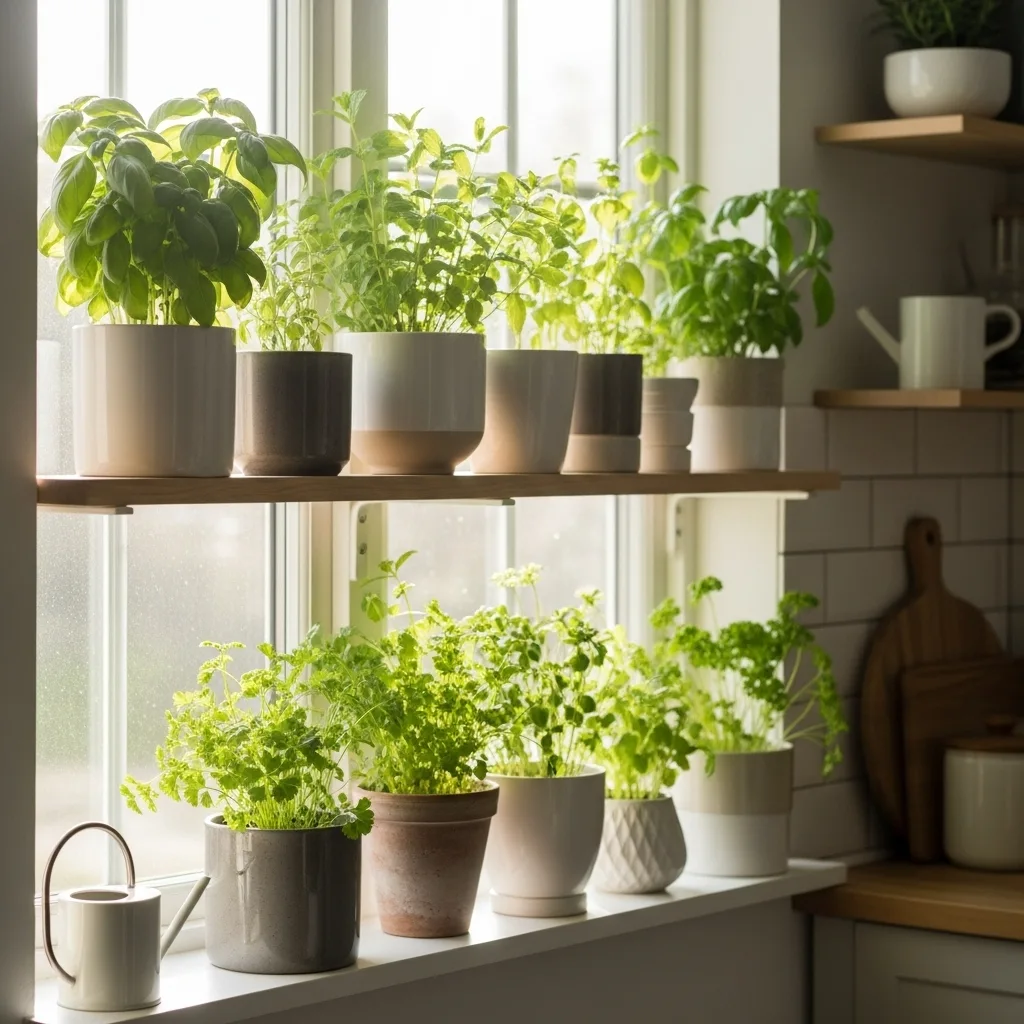
If you want a garden that is both beautiful and productive, you need to bring your herbs closer to home. I suggest growing fresh culinary herbs in pots right on your kitchen windowsill or in an indoor window box. This takes full advantage of the natural light that is crucial for growth and keeps fresh basil, mint, and parsley within arm’s reach while you cook.
To keep it feeling luxury, choose a window box or pots that match your home’s interior decor and hardware. I personally love using a variety of pot styles to add a decorative element while maintaining the functional “farm-to-table” vibe. Ensure your containers have drainage holes to prevent waterlogging and root rot.
I find that an edible window is the best way for beginners to start their plant journey because it is so rewarding. You get to interact with your plants every day and enjoy the fruits of your labor in your evening meals. It provides a sense of modern geometry and comfort that signals your home is a place where health and design live together.
12. Plant Chandeliers
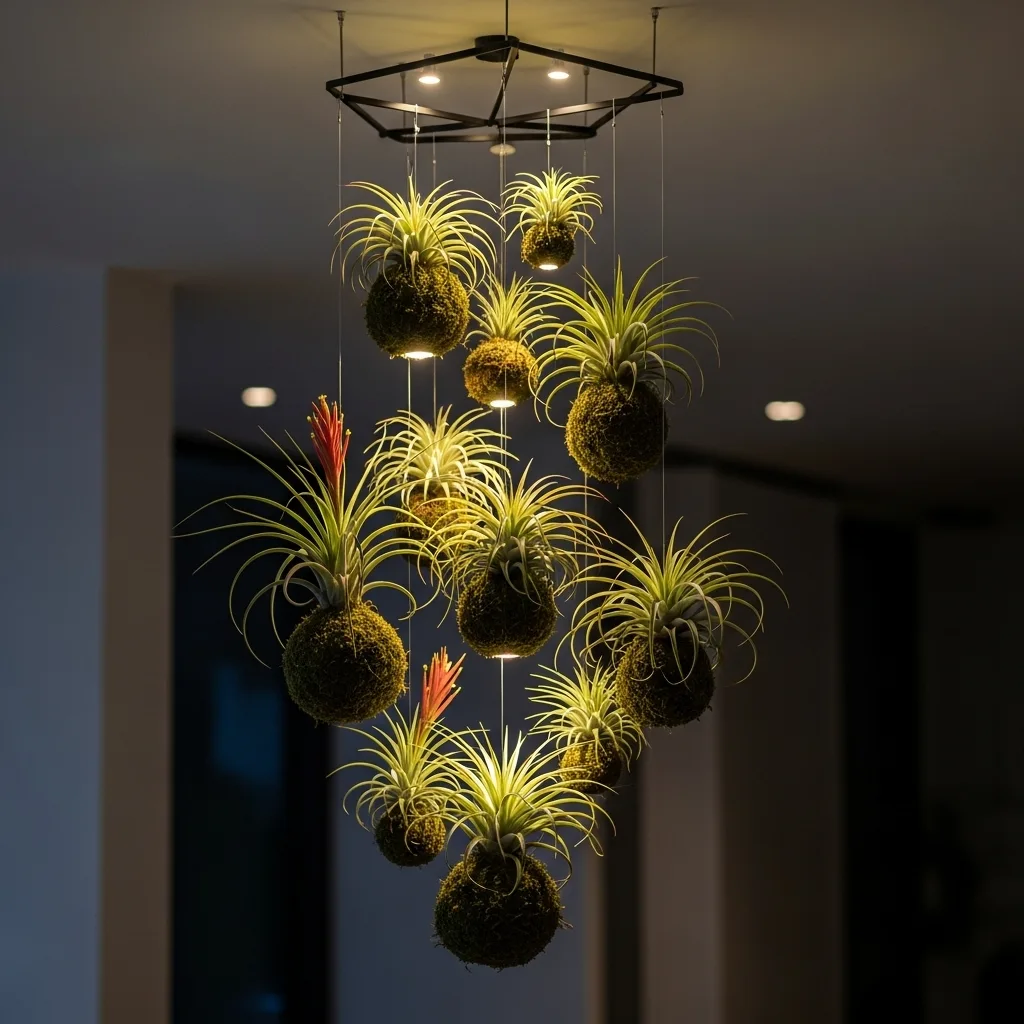
If you want a “wow-factor” focal point that no one else has, you need to think about your lighting. I suggest creating a chandelier that incorporates live plants, using air plants or small moss balls (kokedama). This unique Japanese gardening technique involves wrapping a plant’s root ball in moss, which can then be suspended from the ceiling for a dramatic visual impact.
Start by choosing a sturdy chandelier frame with multiple arms that can support the weight of small containers or kokedama. Choose lightweight materials and plants like succulents or air plants that require minimal soil and water to minimize maintenance. It turns a standard light fixture into a living piece of professional-grade art.
I personally find that integrating grow lights into the chandelier design ensures your plants stay healthy even in rooms with low natural light. It provides a sense of modern geometry and comfort that is truly one-of-a-kind. It signals that your home is a place of high-end creativity and botanical innovation that will leave your guests speechless.
13. Moss Runners
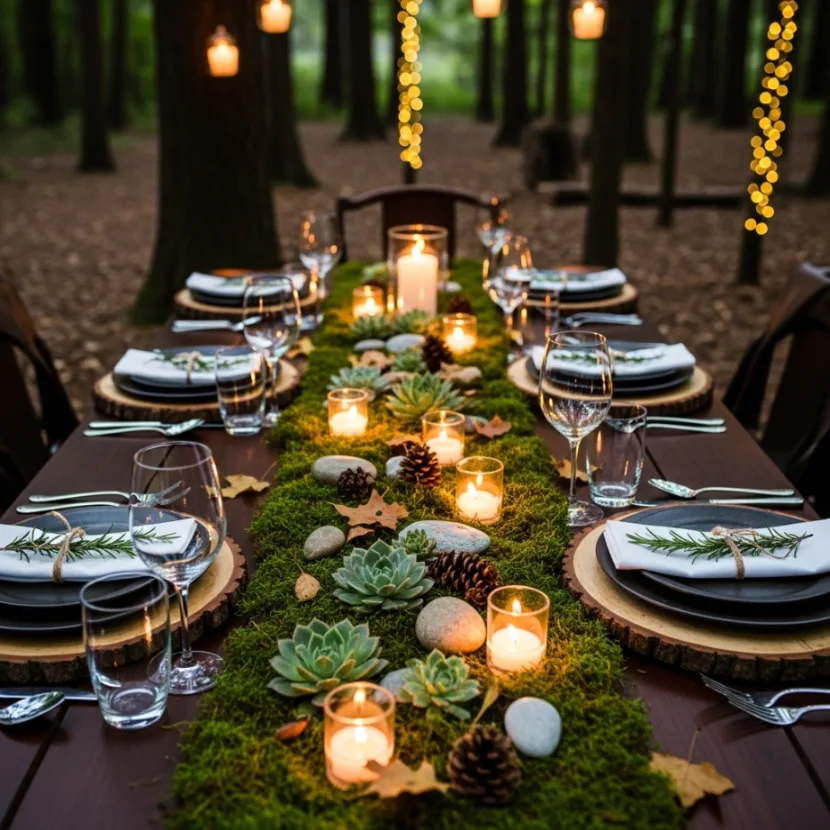
For a centerpiece that truly sparks conversation during an outdoor dinner, you need to look at the textures of the earth. I suggest using a strip of lush, vibrant sheet moss as a table runner for your garden dining table. This brings an element of the outdoors directly onto your table, softening the hard surface and creating a whimsical, forest-like atmosphere.
To keep it feeling luxury, enhance the moss runner by integrating other natural elements like small succulents, twigs, stones, or candles. I find that the deep green of the moss provides a stunning contrast to white plates or metallic silverware. It turns a simple meal into a tactile, sensory experience that feels incredibly sophisticated and expensive.
I personally suggest trimming the moss carefully to achieve a clean width and length that fits your table perfectly. It adds a layer of depth and luxury storytelling to your dinner parties that no standard fabric runner can provide. It is a smart move that signals your garden is a place for curated events and high-end botanical style.
14. Focal Topiaries
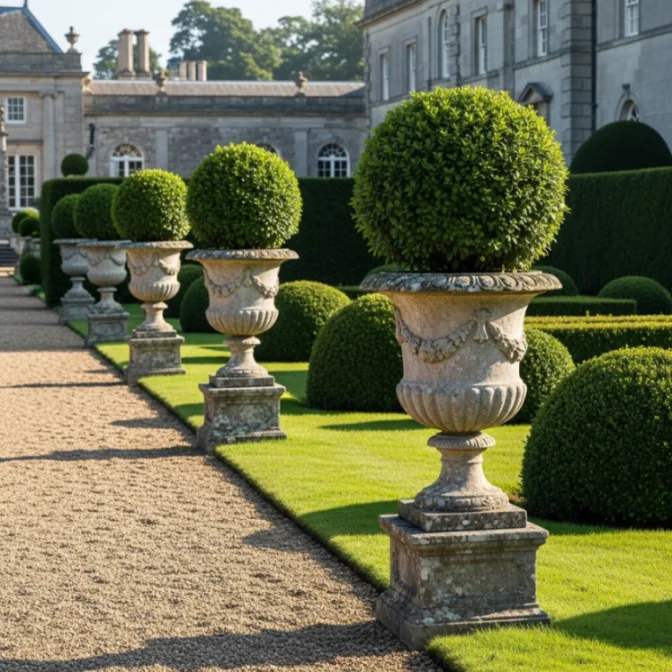
If you want to add a classic, formal touch to your garden design, you need to master the art of the topiary. I suggest using boxwood or ivy that has been meticulously pruned into geometric shapes like spheres or cones. These living sculptures serve as elegant focal points on mantels, table centerpieces, or even lined up along a window sill.
Topiaries bring a sense of history and refined taste to any space, whether you are aiming for a traditional or modern look. I find that the sharp, clean lines of a shaped plant provide a great contrast to the more organic, wild shapes of the rest of your garden. It signals a serious commitment to high-end garden maintenance and professional style.
I personally love the visual impact of a pair of matching topiaries framing a doorway or a garden bench. It adds a touch of modern geometry and comfort that makes the entire yard feel more structured and curated. FYI, choosing hardy plants that can handle frequent pruning is the secret to keeping your topiaries looking sharp all year round. 🙂
15. Botanical Bookshelves
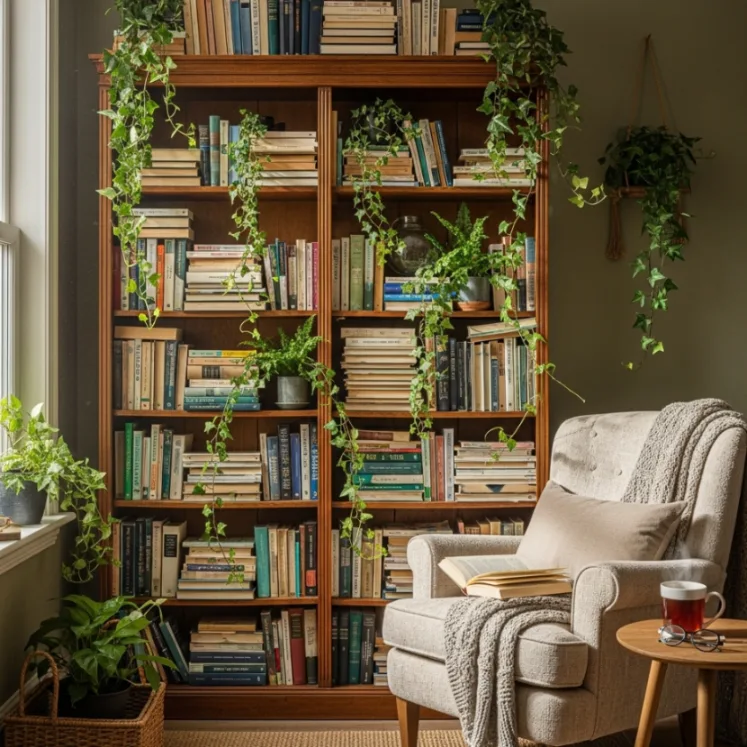
If you have a library or an outdoor shelving unit that is looking a bit dull, it is time to add some life between the spines. I suggest designing a bookshelf that is filled with a diverse mix of books and plants. You can mix and match different types like small ferns, trailing ivies, and vibrant succulents to create a lively and intelligent garden nook.
This approach is especially suitable for those who have limited floor space but still want to enjoy a variety of greenery. To keep it feeling luxury, place plants that need more light closer to the top if your light source is from above. It turns a functional piece of furniture into a professional-grade design statement that feels lived-in and loved.
I personally love the “layered” look of greenery peeking out from behind book spines. It adds a layer of luxury storytelling that tells the story of both learning and growth. It provides everything you need for a cozy sanctuary that feels both ancient and fresh, making your home feel like a truly unique haven.
16. Palm Backdrops
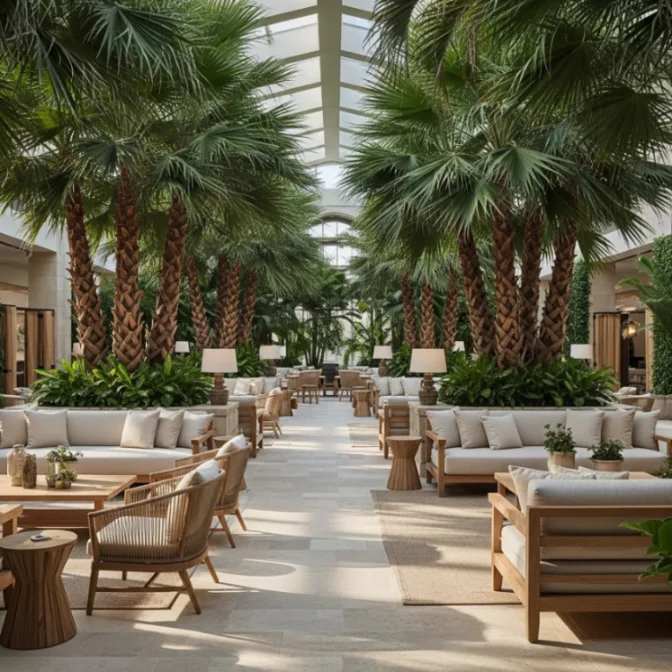
If you want to create a lush, green wall without actually building one, you need the right species. I suggest using large indoor palms like the parlor palm or kentia palm to create a deep green backdrop for your furniture. These plants are excellent for adding height and a tropical vibe that makes any room feel like a high-end resort.
When choosing a location for your palm, ensure it receives ample indirect sunlight for the best growth. I find that the soft, feathery fronds of a palm provide a sense of movement and tranquility that is very relaxing. It is a sophisticated way to add a layer of depth to your garden design without needing a lot of maintenance.
I personally love how a large palm can fill an empty space and immediately change the energy of a room. It adds a touch of modern geometry and comfort that signals your home is a place for high-end relaxation. :/ It is a functional detail that makes your garden feel like a professional-grade escape from the outside world.
17. Succulent Dishes
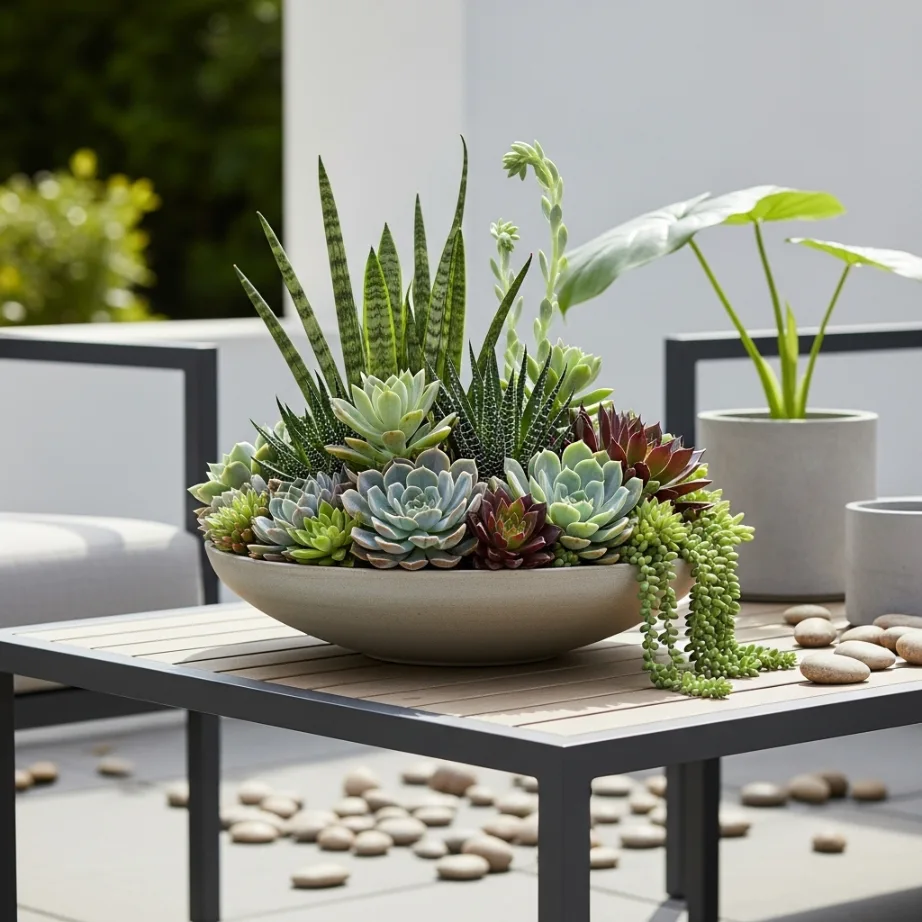
For a centerpiece that is both compact and high-impact, you need to look at the desert. I suggest incorporating a small succulent arrangement in a wide, shallow ceramic dish on your outdoor coffee table. Succulents are perfect for this because of their unique shapes, vibrant colors, and incredibly low maintenance needs.
Arrange your succulents by varying their heights and textures to create depth and visual interest in the dish. I find that balancing a tall, spiky aloe with round, plump echeverias and some trailing string-of-pearls over the edge looks the most professional. It turns a boring table into a tactile, sensory experience for your guests.
I personally suggest choosing a dish that complements your table’s design—perhaps a modern glass bowl or a rustic stone dish. It is a smart move that keeps your garden looking curated and fresh with very little effort. FYI, succulents are also great for busy people because they can survive for a long time without frequent watering. 🙂
18. Foyer Ferns
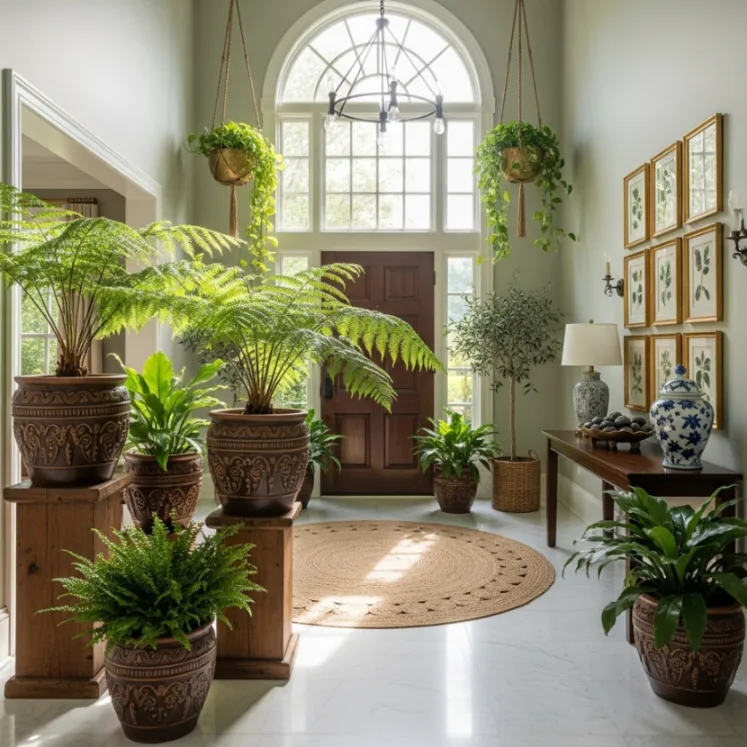
The foyer is the first part of your home that guests see, so it needs to make a grand impression. I suggest placing ferns like the Boston fern or bird’s nest fern in your entryway to create a welcoming, green atmosphere. Ferns are particularly suited for foyers because they thrive in the fluctuating temperatures and indirect light often found near front doors.
When selecting your foyer ferns, use decorative pots that match your home’s interior design for a cohesive look. I find that placing larger ferns on the floor in corners or smaller ones on a console table creates a lush, layered feel. It signals that your home is a place of high-end hospitality and botanical style from the moment people walk in.
I personally love how the delicate fronds of a fern add a sense of luxury storytelling to an entryway. It provides everything you need for a professional-grade first impression that feels both clean and organic. It is a smart move that turns a simple foyer into a masterpiece of garden-inspired home design.
19. Fireplace Ivy
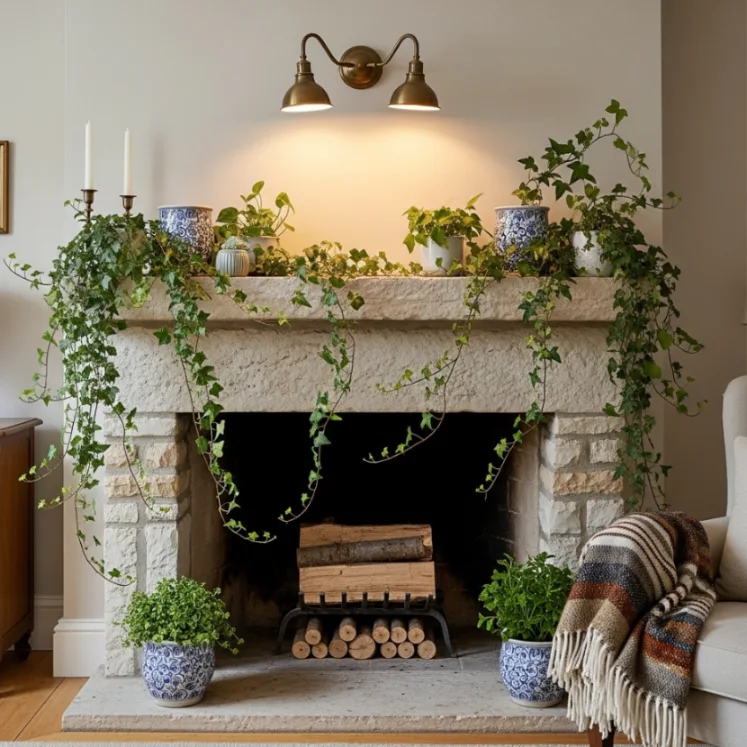
If you have a fireplace that feels a bit too “hard” or cold, you need to soften the surface with nature. I suggest draping trailing ivy, like English ivy or Algerian ivy, along your fireplace mantel. This brings a classic and whimsical feel to the room, introducing an element of the outdoors directly into your social space.
Ivy is known for its lush, trailing growth and its ability to thrive indoors with moderate, indirect light. I find that the way the leaves cascade down from the mantel creates a beautiful, natural frame for the fireplace. It adds a touch of modern geometry and comfort that makes the entire room feel more inviting and cozy.
I personally suggest choosing a variety of ivy with a deep green or variegated color for the most visual interest. It adds a layer of luxury storytelling that tells everyone you appreciate the raw, honest beauty of nature. It turns a boring structural element into a professional-grade focal point that will make your living room feel like a high-end cottage retreat. :/
20. Under-Stair Nooks
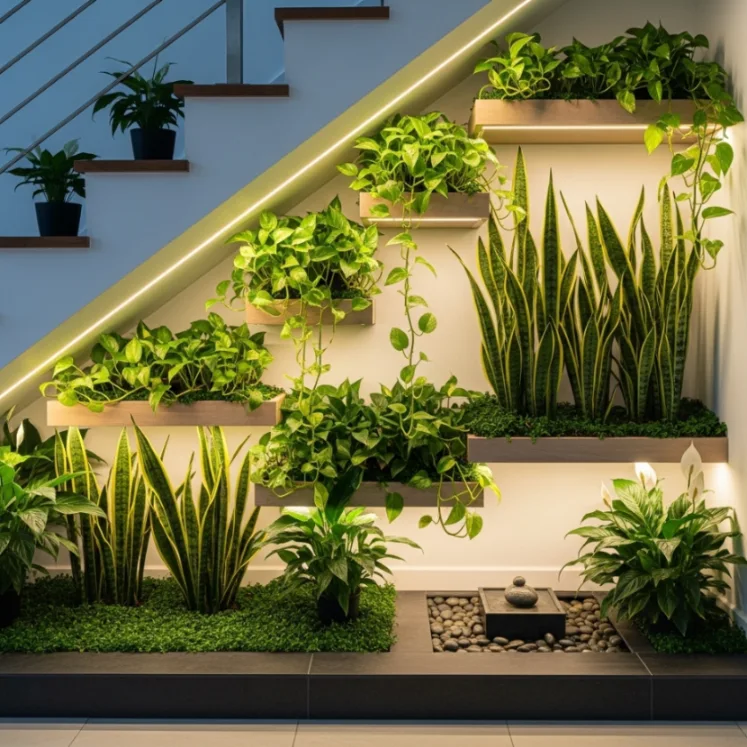
If you have a staircase that is creating an awkward empty space beneath it, turn it into a garden. I suggest filling the space under your stairs with a variety of plants to create a lush, indoor garden nook. This spot is usually out of the main traffic flow, making it the perfect quiet place for an organic design.
Choose shade-tolerant plants like snake plants or pothos if the area doesn’t receive much natural light. To keep it feeling luxury, mix different leaf textures and heights to create a tiered look that draws the eye into the space. It is a smart way to maximize your home’s square footage while adding a masterpiece of garden design to your interior.
I find that an under-stair garden provides a sense of mystery and tranquility that is very sophisticated. It signals that your home is a place where every corner is curated with intention and a love for greenery. It provides everything you need for a professional-grade botanical haven that will leave your guests feeling inspired.
FAQs
- How do I choose the best plant for a dark corner? You should choose shade-tolerant species like snake plants or ZZ plants that are specifically adapted to low-light environments. These plants evolved to thrive in the shadows of larger trees and require very little direct sunlight to stay healthy.
- What is the most common mistake in garden design? The biggest mistake many beginners make is failing to provide proper drainage in their pots, which leads to root rot and plant death. I always suggest the “finger test” to check soil moisture before watering and using pots with drainage holes.
- Can I use garden soil for my indoor planters? No, regular garden soil is usually too heavy and can harbor pests or diseases that will quickly harm your indoor plants. Always use a high-quality “potting mix” that is designed to provide the right balance of air and moisture for root health.
- How do I keep my plant’s leaves looking shiny? Dust can block a plant’s ability to “breathe,” so you should wipe large leaves with a damp cloth every few weeks to keep them healthy. Keeping them clean ensures they can photosynthesize efficiently and look professional as part of your home decor.
- Which plants are best for improving air quality? Snake plants and peace lilies are famous for their ability to filter common toxins like formaldehyde and benzene from the indoor air. Having these in your bedroom or office creates a natural wellness retreat vibe that helps you breathe easier.