12 Clever Small Backyard Ideas That Turn Tight Outdoor Spaces Into Private Luxury Escapes
Let me say this upfront. A small backyard is not a design problem, it is a mindset problem. People see limited space and instantly lower their expectations, which honestly feels unfair to the space. Some of the most beautiful outdoor areas I have seen were tiny, intentional, and deeply personal. This guide is about clever small backyard ideas that focus on feeling, flow, and quiet luxury instead of size. Think less showroom, more lived in elegance that actually fits real life.
You do not need to renovate everything or chase trends that will look dated by next summer. You just need to understand how small spaces behave and how your brain reacts to them. Once you get that, designing becomes fun instead of stressful. Let us start with ideas that actually change how a small backyard feels the moment you step into it.
1. Zone the Backyard So It Feels Like Multiple Spaces
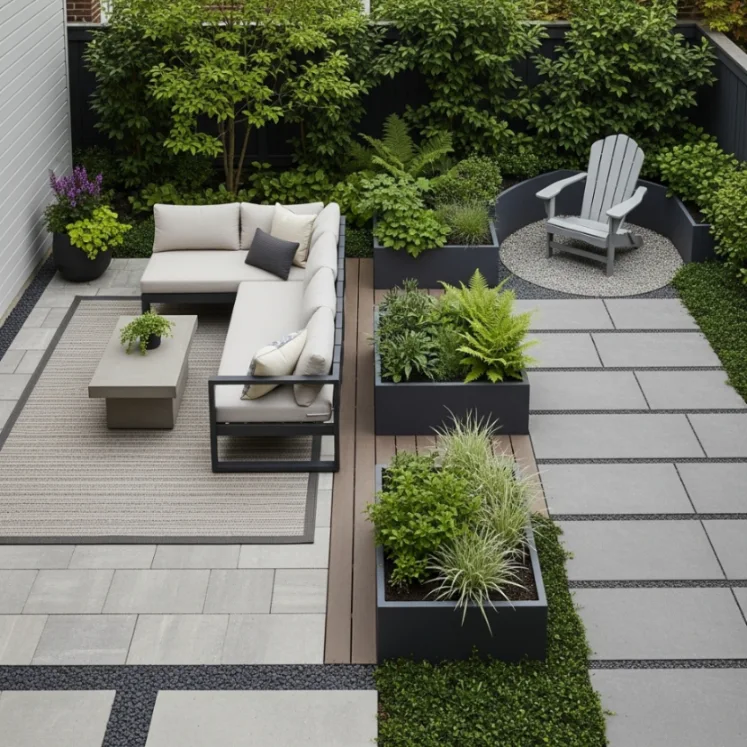
Most small backyards feel cramped because everything exists in one visual blob. Zoning breaks that blob into experiences without building walls or blocking light. A seating zone, a green zone, and a quiet corner can coexist beautifully in tight spaces. Rugs, planters, and flooring shifts define areas without eating space. This is one of those clever small backyard ideas that works instantly.
When you create zones, your mind stops seeing size and starts seeing purpose. A chair near plants feels like a retreat, not a corner. A dining nook feels intentional instead of squeezed. Even movement becomes more natural because the space guides you. Suddenly the backyard feels layered and thoughtful.
The key is restraint, not excess. Too many zones confuse the eye and shrink the space again. Stick to two or three clearly defined areas that serve real needs. This approach gives your backyard structure without stiffness. It quietly adds luxury through clarity.
2. Use Vertical Space Like It Owes You Rent
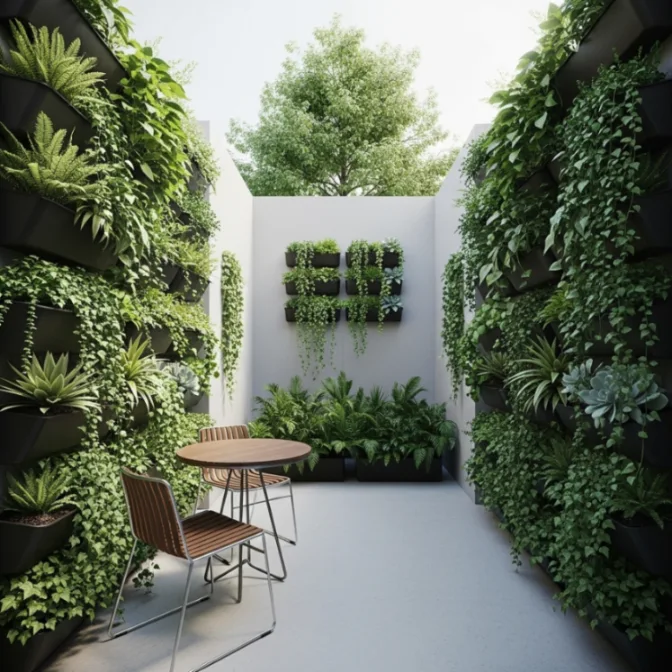
Small backyards fail when everything fights for floor space. Walls and fences are usually ignored, which is a huge missed opportunity. Vertical planters, shelves, and climbing greenery bring life upward instead of outward. This creates depth without cluttering the ground. It is one of the smartest clever small backyard ideas out there.
Greenery at eye level changes how enclosed a space feels. Instead of staring at flat fences, you feel surrounded by nature. The backyard becomes immersive, not boxed in. Even a single vertical feature can soften harsh lines. It makes the space calmer and more refined.
Do not overload every wall. One or two vertical moments are enough to shift perception. Choose plants or decor that match your maintenance comfort level. Consistency matters more than quantity here. Vertical balance is what creates elegance.
3. Design Seating That Feels Intentional Not Random
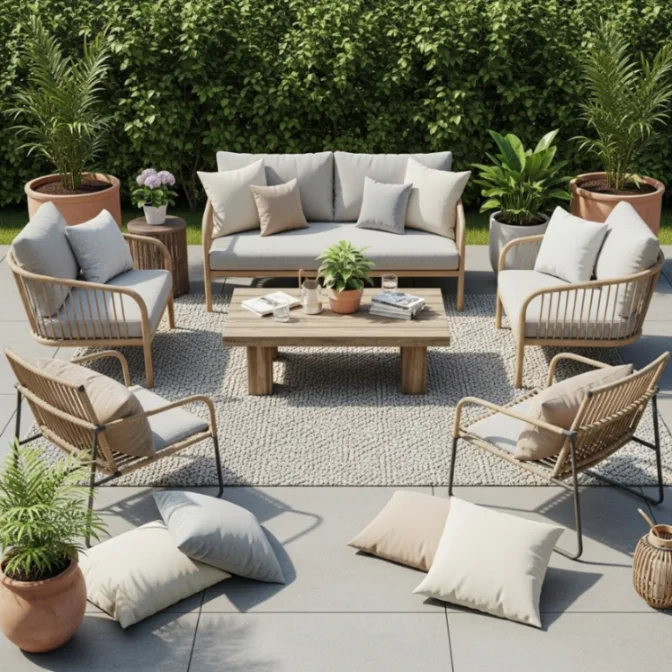
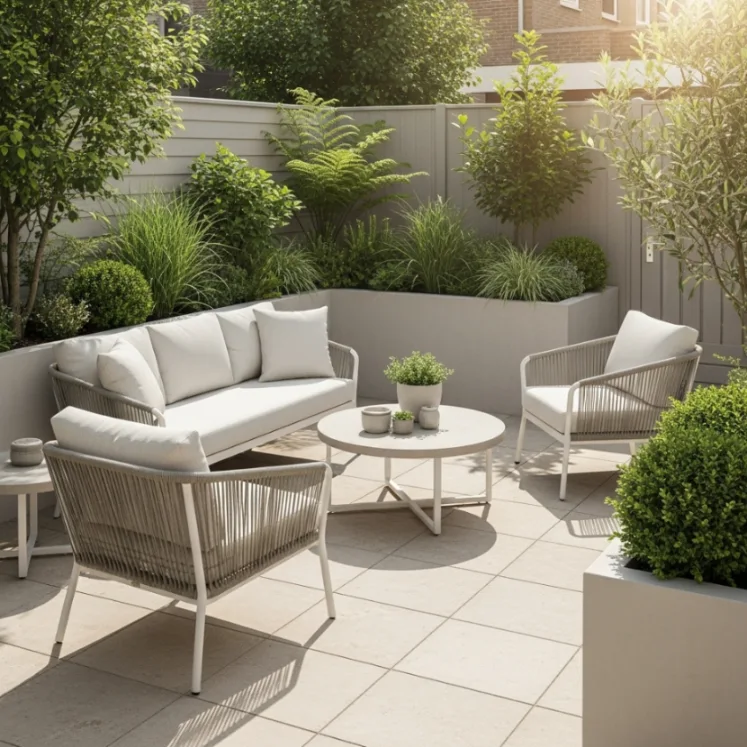
Random chairs tossed outside never look good in small spaces. Seating needs a clear purpose and a visual anchor. One main seating piece paired with smaller flexible options works best. This could be a loveseat with stools or a bench with movable chairs. Comfort beats quantity every time.
Textures do the heavy lifting in compact seating areas. Cushions, wood, woven materials, or metal add depth without size. A small table grounds the arrangement and makes it usable. The setup feels designed, not temporary. That feeling is everything in clever small backyard ideas.
Avoid oversized furniture at all costs. Big pieces dominate and shrink the space instantly. Scale should feel slightly lighter than indoors. When seating fits the space, movement feels effortless. People stay longer without feeling crowded.
4. Add a Fire Feature That Anchors the Space
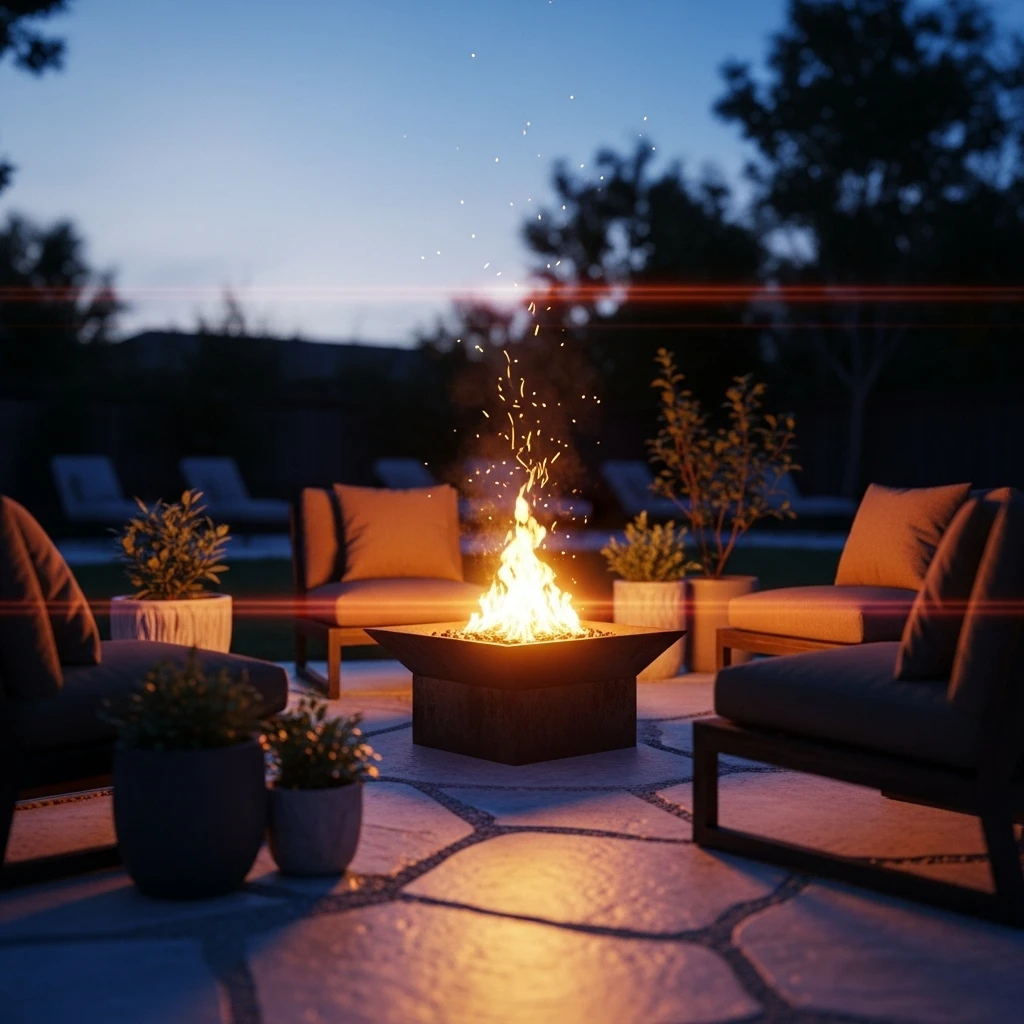
Fire changes behavior in a backyard more than almost anything else. Even a compact fire bowl draws attention and creates a natural gathering point. It adds warmth, light, and atmosphere in one move. In small backyards, it acts as both feature and function. This makes it a classic clever small backyard idea.
A fire feature creates emotional warmth, not just physical heat. People instinctively sit closer and slow down. Conversations feel better, evenings stretch longer, and the space feels alive. It adds a sense of occasion without needing decoration. That is quiet luxury at work.
Scale matters here more than style. Choose something low profile that does not dominate the yard. Simple shapes usually work better than ornate designs. Let the fire be the star without stealing space. Restraint keeps it elegant.
5. Build In Seating to Free Up Visual Space
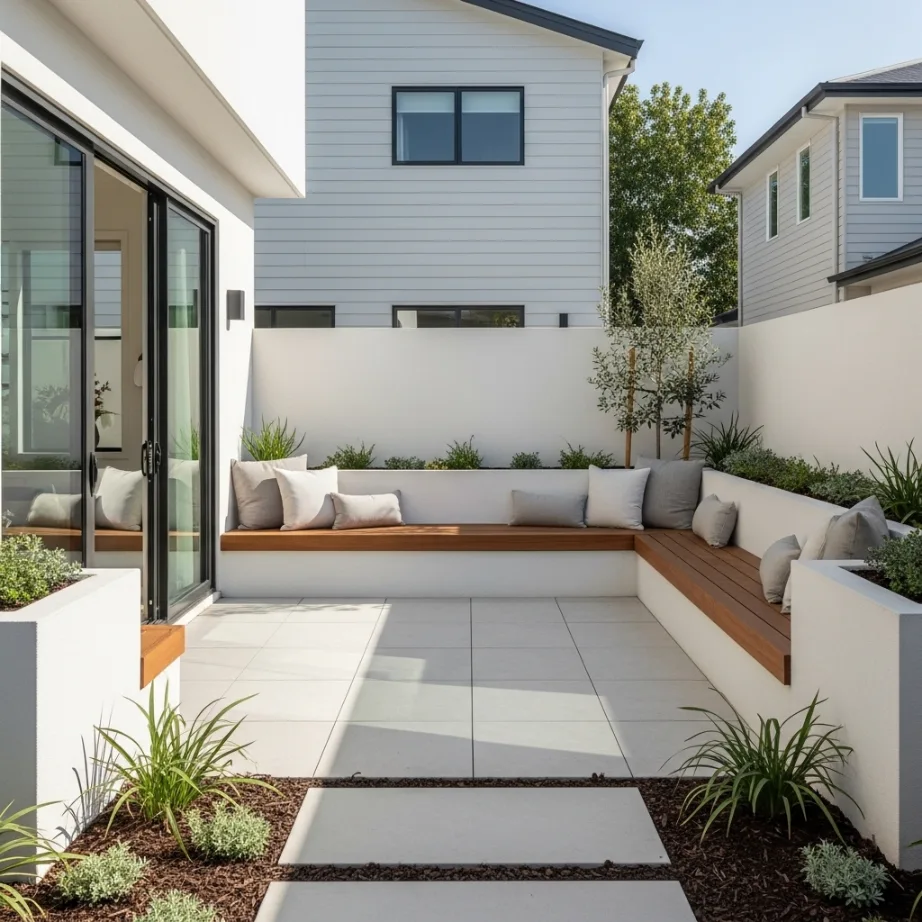
Built in seating feels custom, and custom always feels expensive in the best way. When benches hug the edges of a small backyard, the center instantly feels more open. This layout improves flow and removes the clutter of extra furniture legs. Built ins also make the space feel permanent and intentional. That permanence adds quiet confidence to clever small backyard ideas.
These benches work harder than standard chairs. They can double as dining seating, lounging spots, or even storage if designed smartly. Cushions soften the look and invite comfort without bulk. Neutral fabrics age better and keep things calm. The seating becomes part of the architecture, not an add on.
The real win is visual calm. Built ins reduce the number of separate objects your eye has to process. Less visual noise makes the backyard feel larger and more refined. Everything feels placed on purpose. That sense of order reads as luxury.
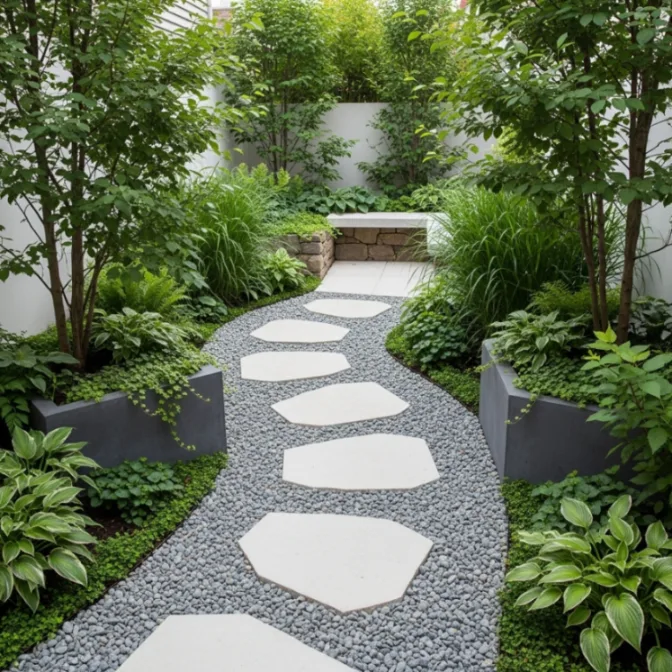
6. Introduce a Simple Path to Create Flow
Paths are not reserved for large gardens. In small backyards, a short path can completely change how space is perceived. It gives the eye direction and creates a sense of movement. Even a few stepping stones can guide attention beautifully. This is one of those clever small backyard ideas that works quietly but powerfully.
A path makes the backyard feel like a journey instead of a dead end. It invites exploration, even if the destination is just a chair or plant. Movement tricks the brain into feeling more space. The yard suddenly has rhythm instead of stagnation.
Keep materials simple and consistent. Stone, concrete, or wood all work if they match the overall vibe. Avoid mixing too many textures in a small area. Let the path support the design, not compete with it. Subtlety keeps it elegant.
7. Use Outdoor Curtains to Add Soft Privacy
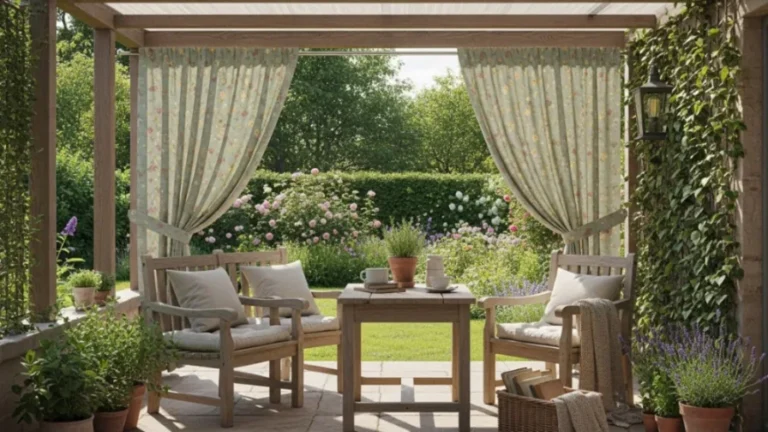
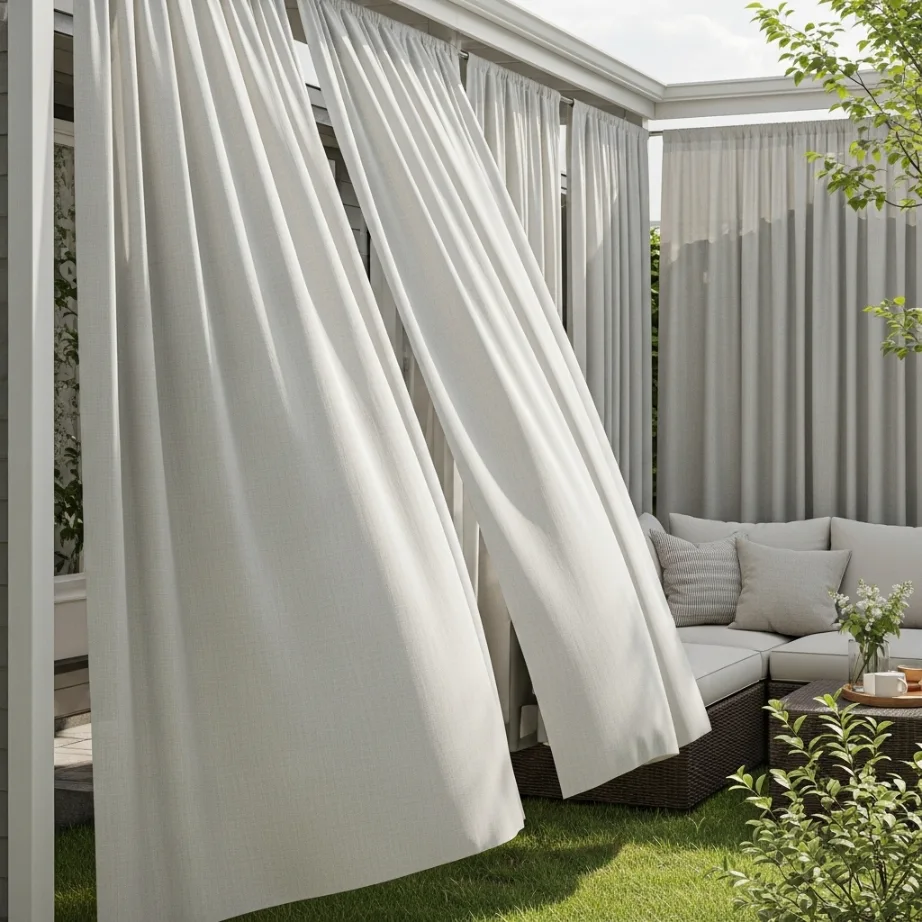
Hard boundaries make small backyards feel boxed in. Curtains soften edges and introduce movement that fences cannot. They create privacy without heaviness and change mood instantly. When open, they frame views beautifully. When closed, they create intimacy.
Outdoor curtains add a sense of drama without demanding attention. Light fabrics work best because they keep things airy. Neutral tones blend easily with greenery and furniture. The gentle movement adds life to still spaces. This softness elevates clever small backyard ideas instantly.
Curtains also give you control. You decide when the space feels open or enclosed. That flexibility makes the backyard feel adaptable, not fixed. It responds to mood, time, and occasion. That adaptability is underrated luxury.
8. Create a Corner That Belongs Only to You
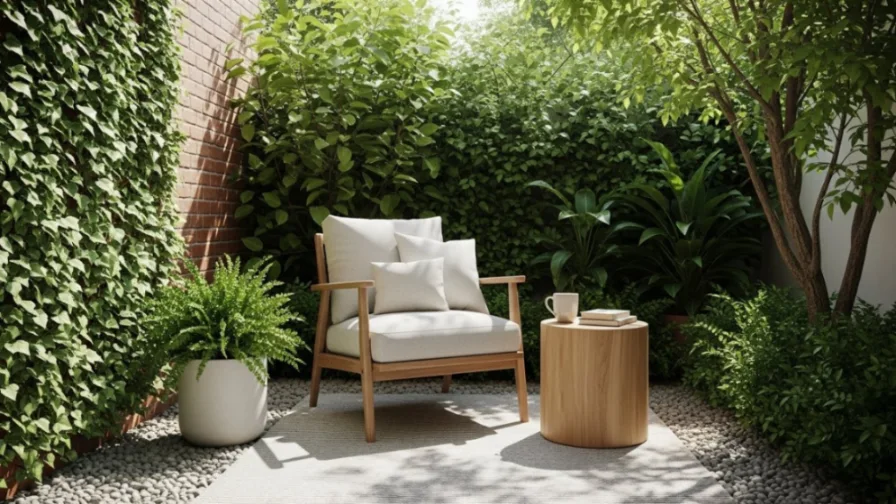
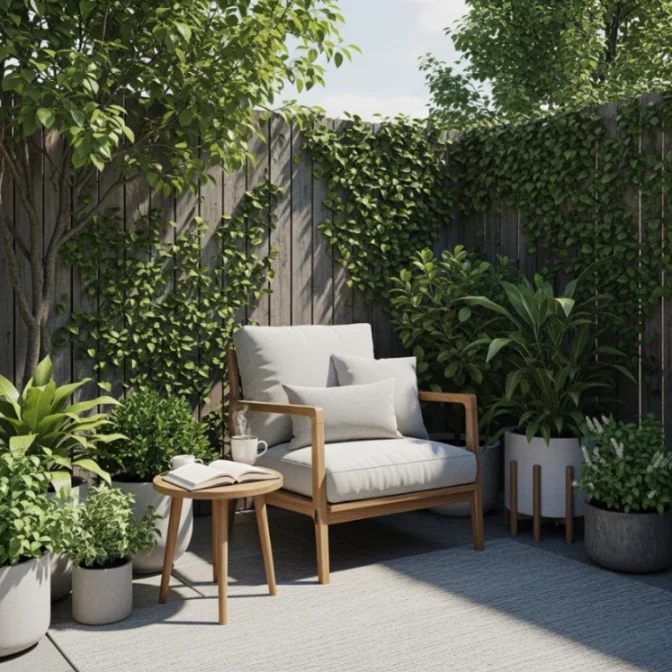
Not every backyard needs to host guests. Sometimes it needs to serve one tired human. A single chair, a small table, and a bit of greenery can form a personal retreat. This corner becomes a daily escape, not a showpiece. Personal comfort matters more than aesthetics here.
This space works because it feels intentional and quiet. Morning coffee tastes better here. Evening scrolling feels calmer here. The rest of the backyard can exist without pressure. That balance is essential in clever small backyard ideas.
Keep this corner simple and honest. Do not over decorate it. Let comfort guide decisions, not trends. When a space feels truly yours, it always looks better. Authenticity beats perfection every time.
9. Use Lighting to Control Mood and Perception
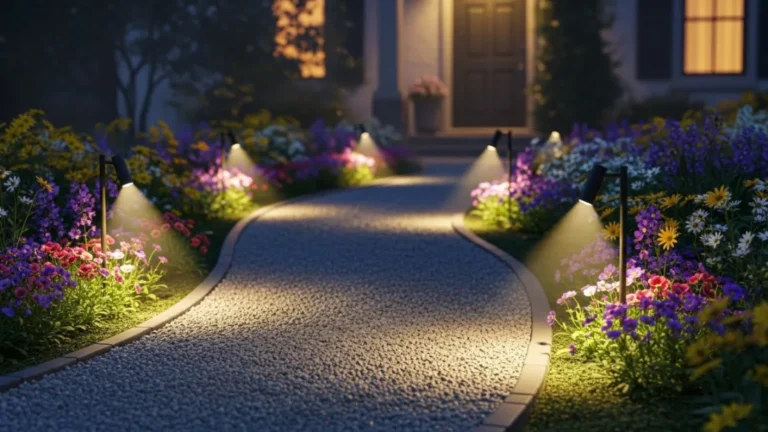
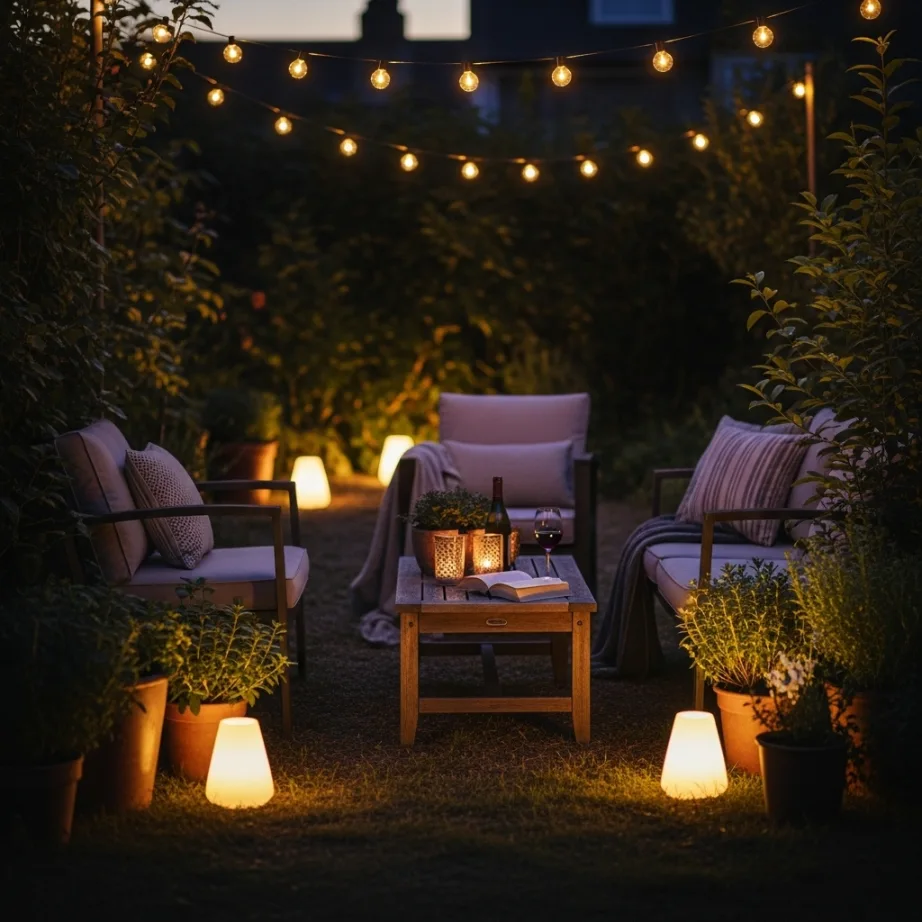
Lighting decides whether a small backyard feels magical or miserable. Harsh lights flatten space and kill atmosphere instantly. Soft layered lighting adds depth and makes boundaries fade. String lights, lanterns, or low glow fixtures work better than bright overhead bulbs. This is one of the most underrated clever small backyard ideas.
Light placed at different heights changes how the space reads. Ground level lights expand depth while overhead lights add warmth. Shadows create softness instead of sharp edges. The backyard feels deeper than it really is. Mood improves without adding objects.
Less brightness often feels more luxurious. You want glow, not stadium lighting. Focus on where people sit or walk, not every corner. Lighting should guide emotion, not dominate attention. Calm lighting always wins.
10. Choose One Statement Piece and Let It Breathe
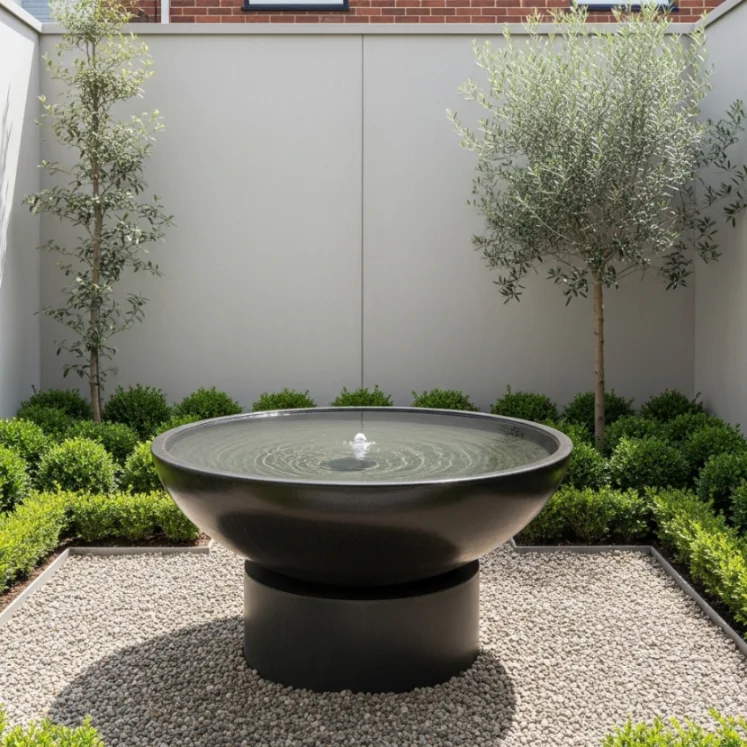
Small backyards collapse when you try to show everything at once. One strong focal point gives the eye a place to rest. This could be a sculptural planter, a water bowl, or a standout chair. The rest of the space should support it quietly. This restraint defines clever small backyard ideas done right.
A single statement feels intentional instead of cluttered. It tells a story without shouting. Everything else becomes background texture instead of competition. The backyard feels curated, not crowded.
Do not chase trends for statement pieces. Choose something timeless that you actually love. If you remove everything else, that piece should still make sense. Confidence in selection is what creates luxury. Overthinking ruins it.
11. Use Color to Expand Space Visually
Color plays psychological tricks in small spaces. Light tones reflect light and make areas feel open. Dark colors work best as accents instead of dominant surfaces. A limited palette creates calm and cohesion. This principle shows up often in clever small backyard ideas for good reason.
Consistency matters more than variety. Repeating the same tones across furniture and decor builds flow. Your eye moves smoothly instead of stopping at contrast points. The backyard feels unified and intentional.
That does not mean boring. Texture adds interest where color stays quiet. Wood grain, fabric, and greenery bring richness. This balance keeps the space elegant without feeling flat. Color discipline pays off.
12. Treat the Backyard Like an Extension of Your Home
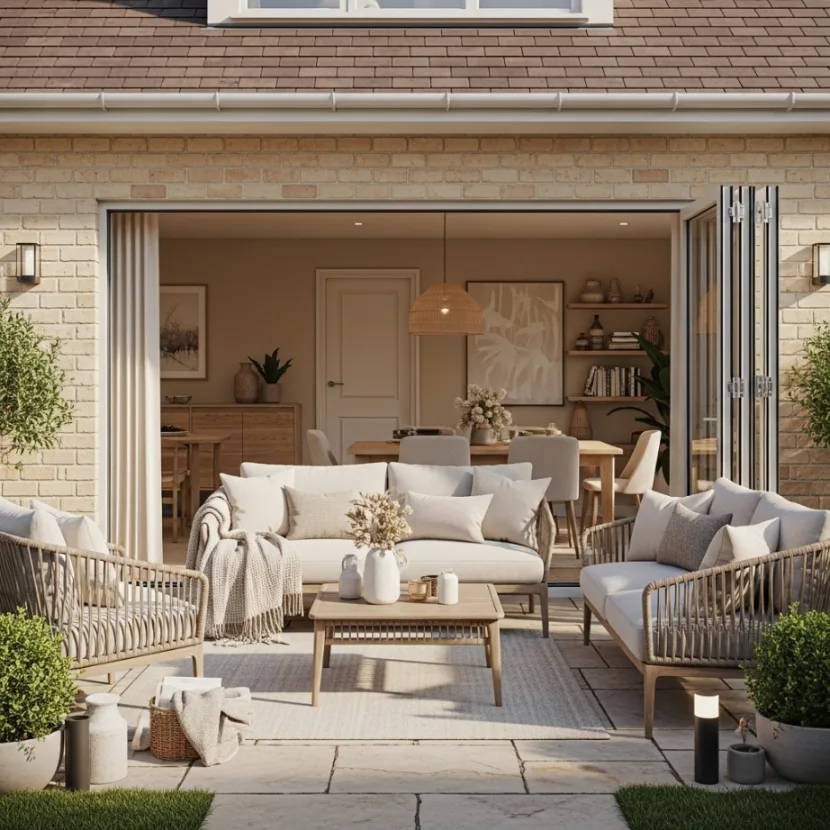
The biggest mistake is designing a backyard like it exists separately. When outdoor style mirrors indoor style, space feels larger. Similar colors, textures, and moods blur boundaries naturally. The transition becomes seamless. This mindset anchors all clever small backyard ideas.
When the backyard feels connected, it gets used more. It stops feeling like an occasional space. Comfort increases because familiarity increases. You belong there instinctively.
This approach adds invisible luxury. Nothing flashy, nothing forced. Just continuity and comfort working together. When indoors and outdoors speak the same language, the space finally feels complete.
Conclusion
Small backyards are not design compromises, they are design opportunities. Thoughtful zoning, smart seating, lighting, and restraint turn tight spaces into intentional escapes. These clever small backyard ideas prove that feeling matters more than footage.
If there is one takeaway, it is this. Design for how you want to feel, not how much space you have. Comfort, calm, and clarity always beat size. And yes, small can absolutely feel luxurious.
FAQs
How do clever small backyard ideas actually make a space feel bigger?
They work by guiding the eye, reducing clutter, and creating clear zones. Visual flow tricks the brain into sensing more depth. Light, color, and movement matter more than square footage.
What is the biggest mistake people make with small backyards?
Trying to add too many features at once. Overcrowding kills flow and comfort. Fewer intentional choices always work better.
Are clever small backyard ideas expensive to implement?
Not necessarily. Many rely on layout, lighting, and restraint rather than costly materials. Smart design often saves money.
Can renters use clever small backyard ideas without permanent changes?
Yes. Furniture placement, lighting, planters, and textiles work without construction. Focus on removable and flexible elements.
How often should I update a small backyard design?
Only when your needs change. Good design lasts because it supports real life. Trends matter less than comfort and function.