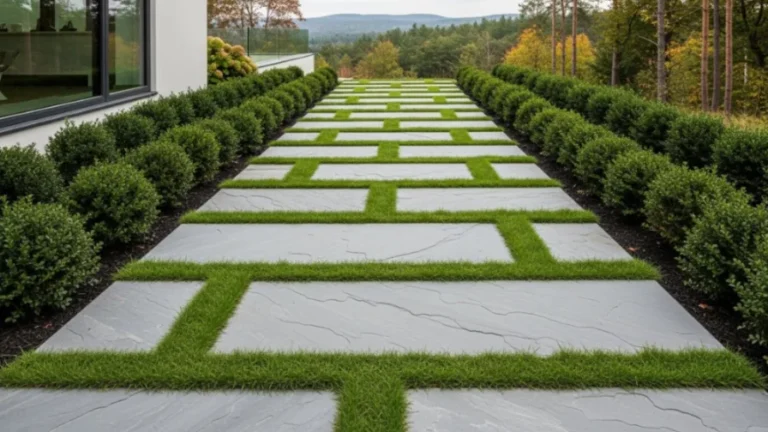
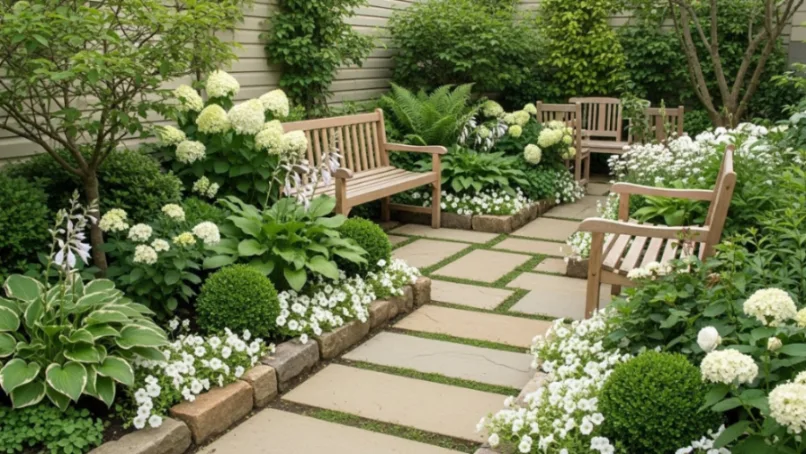
14 Cozy Small Garden Ideas That Make Even the Tiniest Outdoor Space Feel Magical
Small gardens have a special kind of charm. They invite you to slow down, notice details, and actually spend time in the space instead of just looking at it from a window. Unlike large gardens that can feel overwhelming or hard to maintain, small gardens thrive on intention. Every plant, every chair, every pathway choice matters more. When done right, a small garden does not feel limiting at all. It feels cozy, personal, and deeply relaxing.
What often holds people back is the idea that small means boring or cramped. In reality, small gardens shine when they are designed thoughtfully. You do not need a huge lawn or dramatic landscaping to create comfort. You need warmth, texture, layers, and a clear sense of purpose. Whether your garden is a tiny backyard, a narrow side yard, or a compact courtyard, the right choices can turn it into your favorite place to be.
Cozy small garden ideas focus less on showing off and more on how the space makes you feel. It is about creating corners where you want to sit, paths that invite you to wander, and greenery that wraps around you instead of sitting far away. Lighting matters. Seating matters. Even the smallest styling choices can completely change the mood.
In this guide, we are walking through 14 cozy small garden ideas that work in real homes and real budgets. Each idea breaks down how it works, how it looks in everyday life, how flexible it is as your needs change, and the common mistakes that can make a small garden feel cluttered instead of comforting. Some ideas may overlap in spirit, and that is intentional. Cozy spaces are built through layers, not single features.
1. Create a Defined Seating Nook
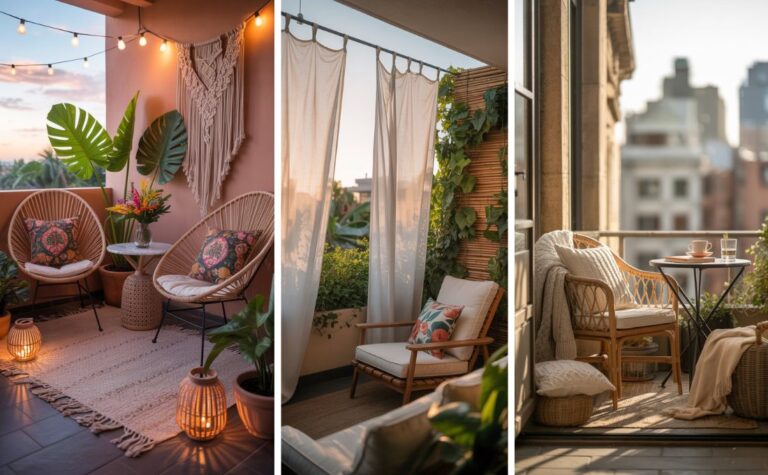
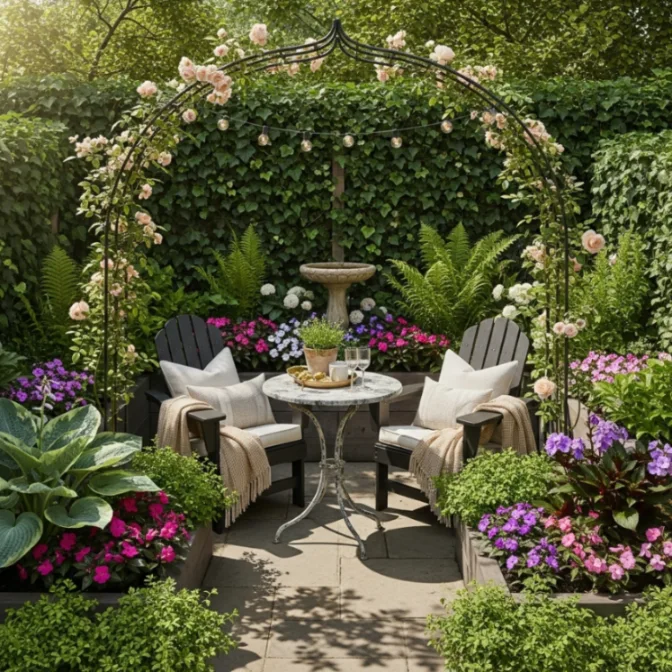
One of the most effective cozy small garden ideas is carving out a clear seating nook. Instead of placing furniture randomly, defining one intentional sitting area makes the garden feel like a room. Even the smallest gardens benefit from having a clear place to sit and relax.
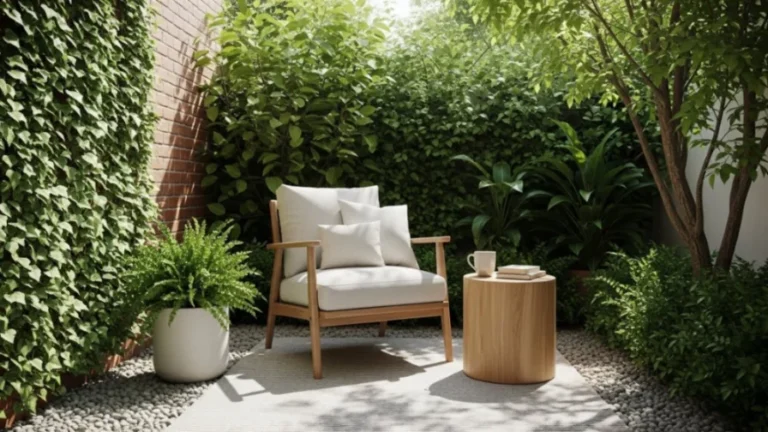
Imagine a compact corner with two chairs and a small table, tucked slightly away from the rest of the garden. The surrounding plants act like soft walls, giving the space privacy and comfort. The garden instantly feels more livable, not just decorative.
Styling flexibility is high with seating nooks. You can switch cushions, add throws, or move lighting depending on the season. The structure stays the same, but the mood can change easily.
A common mistake is using furniture that is too large. Another issue is placing seating in the center of the garden, which removes the sense of coziness and enclosure.
2. Use Layered Planting for Depth
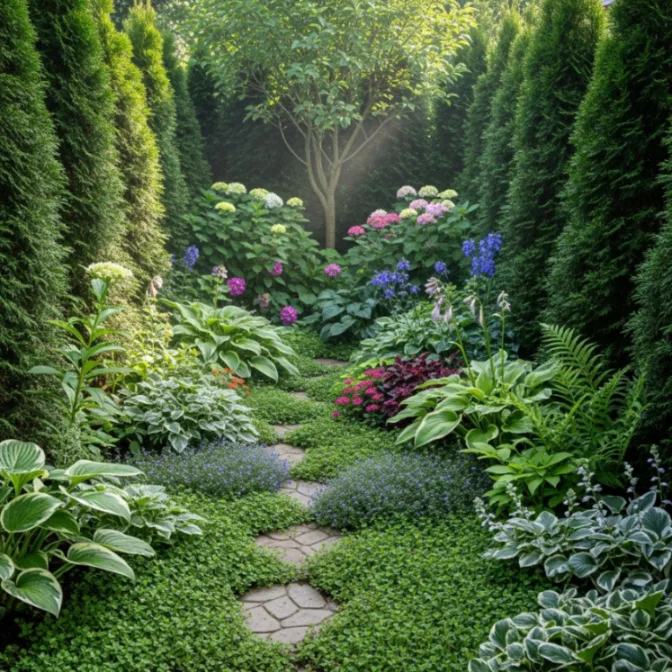
Layered planting is essential in cozy small garden ideas because it creates depth without taking up extra space. Instead of spreading plants evenly, layering them at different heights makes the garden feel fuller and more immersive.
Picture tall plants or shrubs at the back, medium plants in the middle, and low ground cover near the front. This arrangement draws the eye inward and makes the garden feel lush rather than flat.
Styling flexibility comes from plant choice. You can change textures, colors, or even seasonal plants while keeping the layered structure intact. It adapts well over time.
A common mistake is overcrowding plants without considering growth. Another issue is using plants of the same height, which flattens the space visually.
3. Add Soft Outdoor Lighting
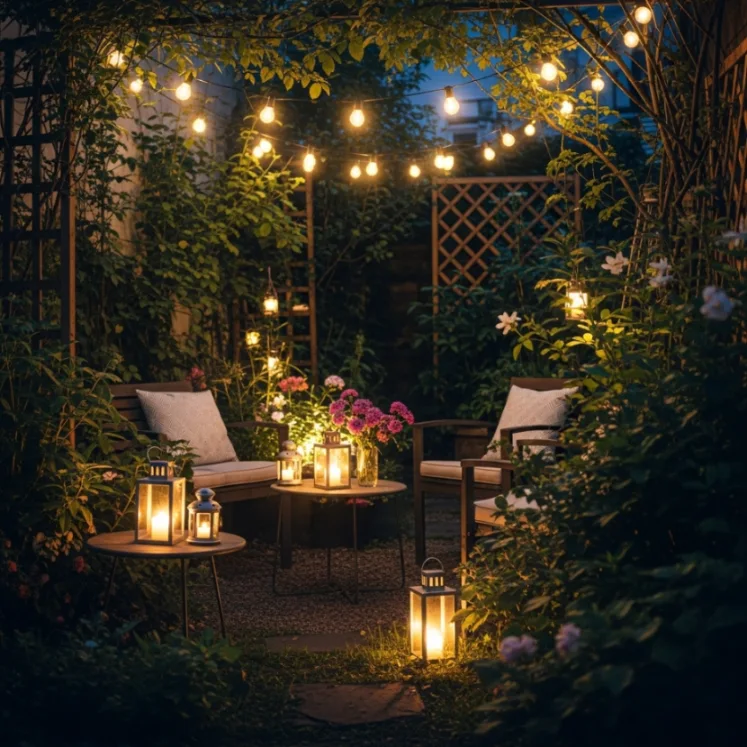
Lighting is one of the most powerful cozy small garden ideas because it changes how the space feels at night. Soft lighting turns a small garden into a warm retreat instead of a dark corner.
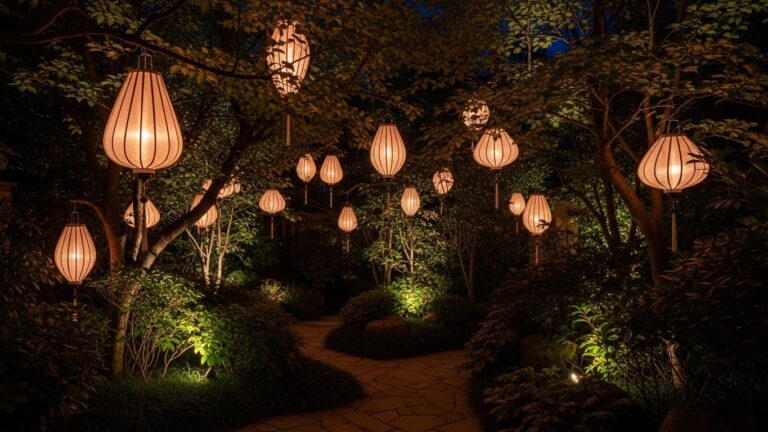
Imagine string lights draped overhead, small lanterns near seating, or solar lights tucked among plants. The glow creates intimacy and encourages evening use.
Styling flexibility is excellent. Lighting can be moved, swapped, or layered. Warm light creates coziness, while subtle placement avoids harsh brightness.
A common mistake is using lights that are too bright. Another issue is placing lights too high, which removes the intimate feel.
4. Choose Warm Materials and Textures
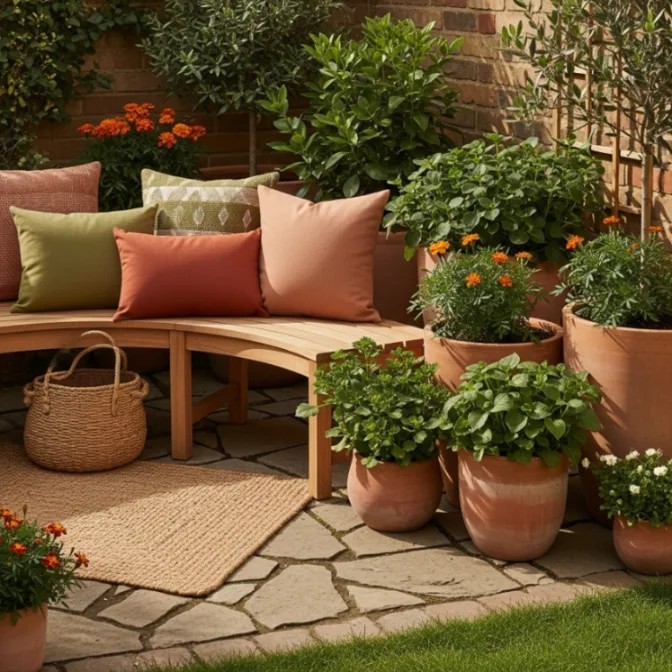
Warm materials instantly make small gardens feel more inviting. Wood, woven elements, and natural stone soften the space and add comfort. This is a key element in cozy small garden ideas.
Picture a wooden bench, a small deck area, or terracotta pots. These materials feel grounded and welcoming compared to metal or plastic.
Styling flexibility comes from mixing textures. You can layer rugs, cushions, or planters without overwhelming the space.
A common mistake is using too many different materials. Another issue is choosing cold finishes that clash with the cozy goal.
5. Create a Sense of Enclosure With Plants or Screens
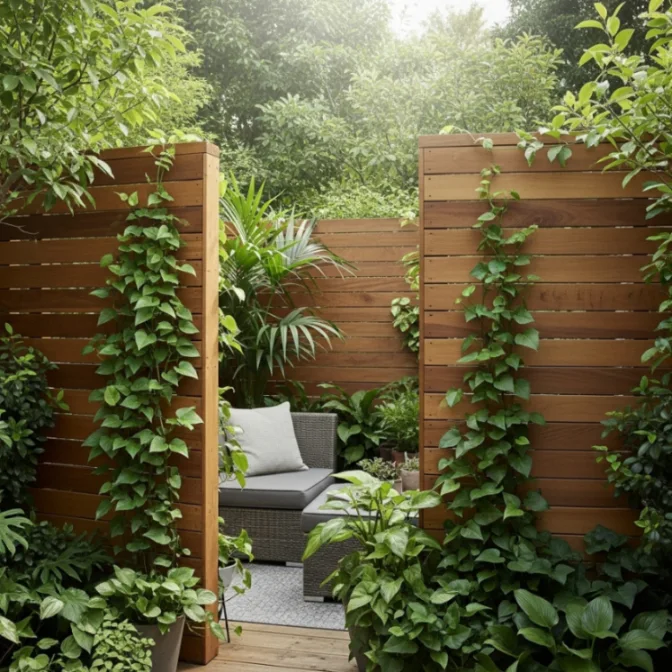
Cozy spaces feel enclosed, even outdoors. Using plants, trellises, or screens creates a sense of privacy and comfort in small gardens.
Imagine climbing plants on a trellis or tall planters forming a green backdrop. The garden feels wrapped and protected rather than exposed.
Styling flexibility is high. You can adjust plant density or add decorative screens. The enclosure can evolve as plants grow.
A common mistake is blocking all airflow. Another issue is using solid barriers that feel heavy.
6. Use Curved Paths and Shapes
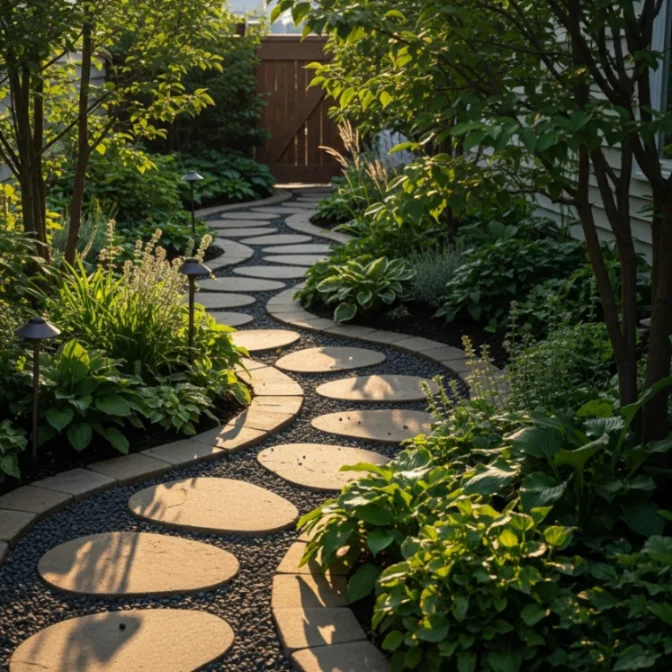
Straight lines can feel rigid in small gardens. Curves soften the space and create movement. This is one of the subtler cozy small garden ideas that makes a big difference.
Picture a gently curved stepping stone path leading through the garden. The curve slows movement and invites exploration.
Styling flexibility comes from materials. Stone, gravel, or wood can all be used. Curves work with many styles.
A common mistake is making curves too tight. Another issue is overcomplicating the layout.
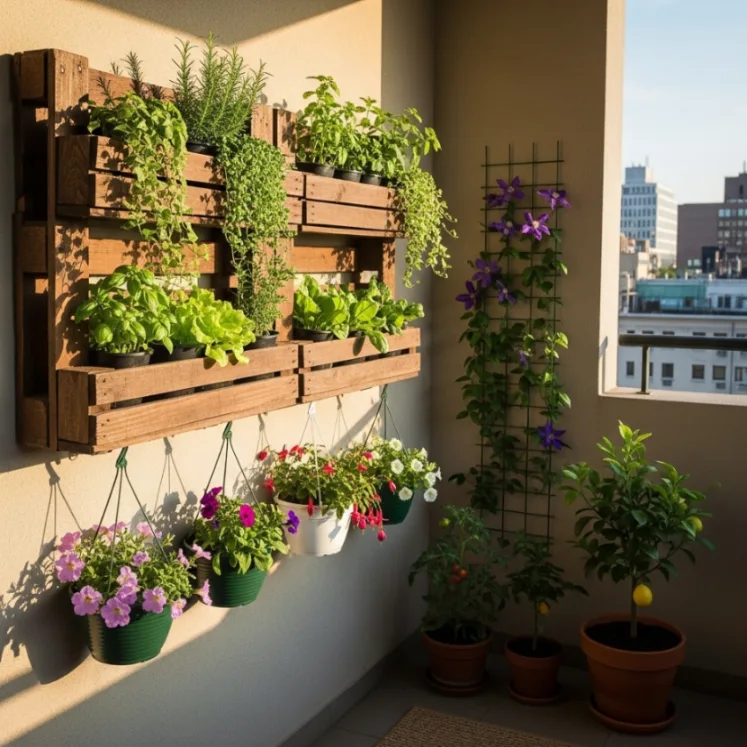
7. Incorporate Vertical Gardening
Vertical gardening is perfect for small spaces. It adds greenery without taking up floor space, making it a favorite among cozy small garden ideas.
Imagine wall-mounted planters, hanging baskets, or a living wall. Greenery surrounds you without crowding the ground.
Styling flexibility is strong. You can rotate plants or adjust layouts easily. Seasonal changes are simple.
A common mistake is choosing plants with high maintenance needs. Another issue is poor watering access.
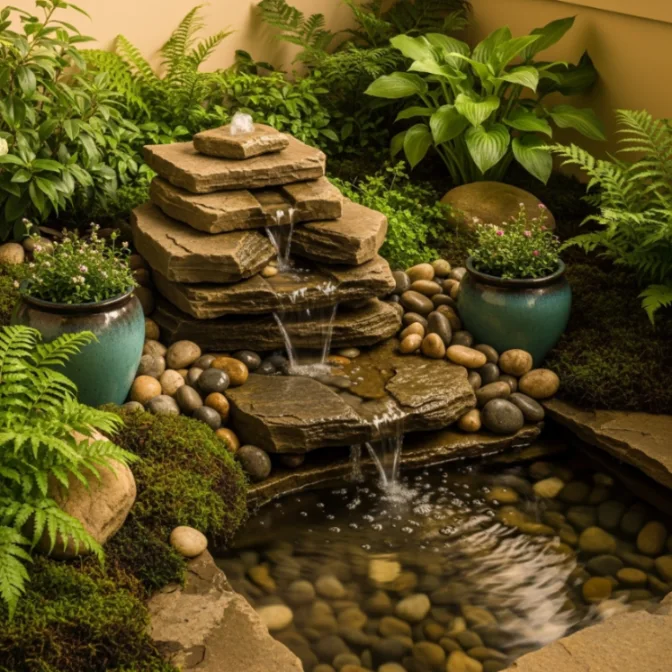
8. Add a Small Water Feature
Water features add calm and sound, which enhances coziness. Even a small fountain can transform a garden.
Picture a compact water bowl or wall fountain tucked into a corner. The sound masks noise and adds tranquility.
Styling flexibility comes from scale. Small features work well without dominating the space. A common mistake is choosing features that splash too much. Another issue is neglecting maintenance.
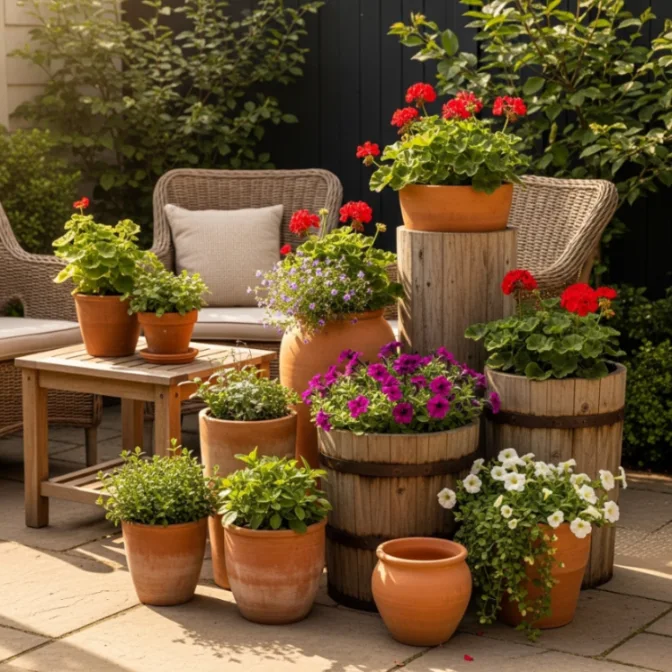
9. Use Pots and Planters Strategically
Planters offer control and flexibility in small gardens. They allow you to adjust layout without permanent changes.
Imagine grouping pots of different heights near seating. The arrangement adds layers and warmth.
Styling flexibility is excellent. Pots can be moved or replaced easily. Seasonal updates feel effortless. A common mistake is using too many small pots. Another issue is inconsistent styles.
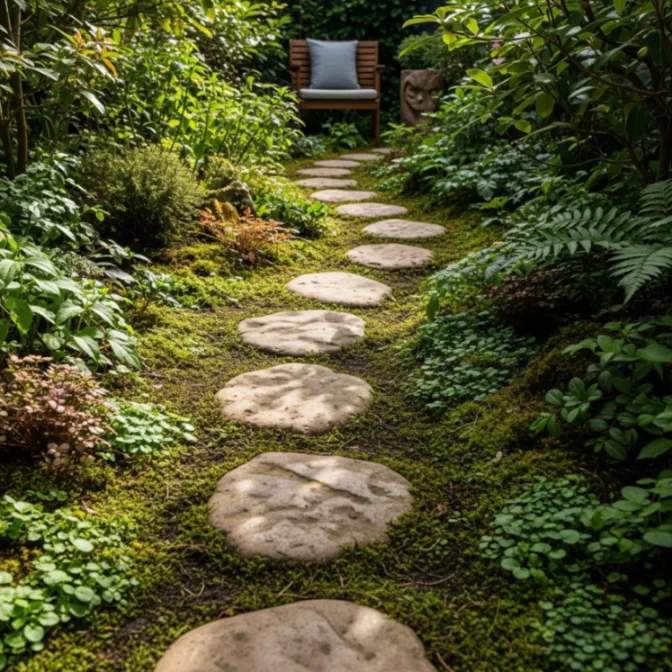
10. Create a Garden Path With Stepping Stones
Stepping stones guide movement and add charm. They make even tiny gardens feel intentional.
Picture stones leading from the entrance to a seating area. The path creates flow and structure.
Styling flexibility comes from stone choice. Natural or modern styles both work. A common mistake is placing stones too close together. Another issue is ignoring drainage.
11. Introduce Scented Plants
Scent adds another layer of comfort. Lavender, jasmine, or herbs make small gardens feel immersive.
Imagine brushing past plants and releasing gentle fragrance. The experience feels personal and calming.
Styling flexibility depends on plant selection. Many scented plants also add texture and color. A common mistake is planting too many strong scents together. Another issue is placing them far from seating.
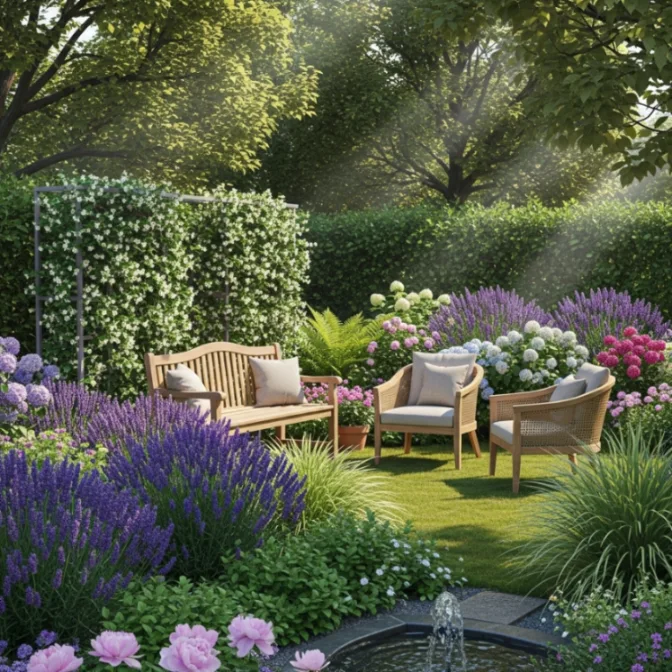
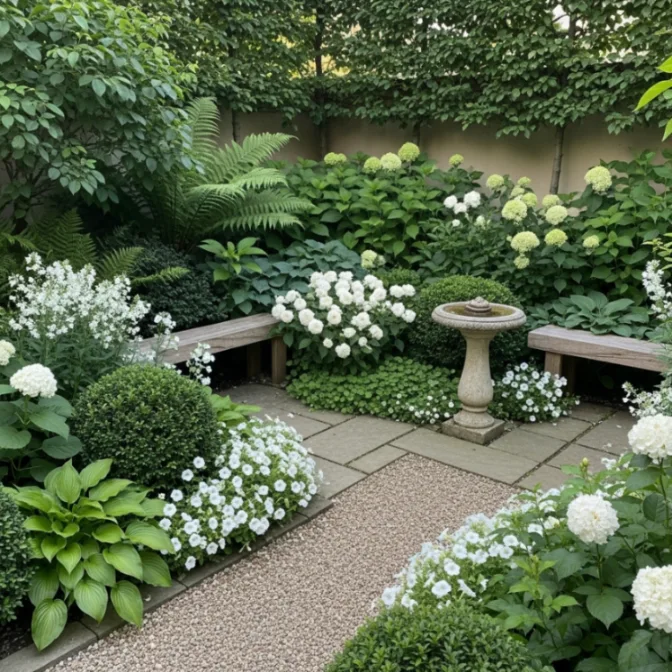
12. Keep a Limited Color Palette
A cohesive color palette makes small gardens feel calm. Too many colors create visual clutter.
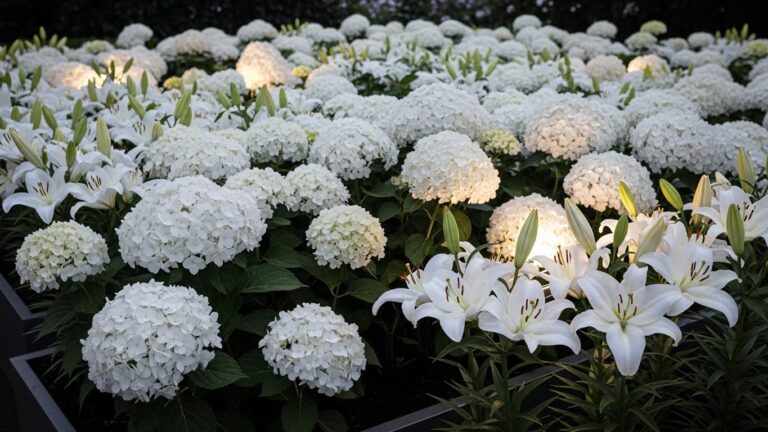
Picture greens layered with soft whites or warm neutrals. The space feels unified and soothing.
Styling flexibility comes from accents. You can add small pops of color without overwhelming the space. A common mistake is mixing too many bright colors. Another issue is ignoring how colors change in light.
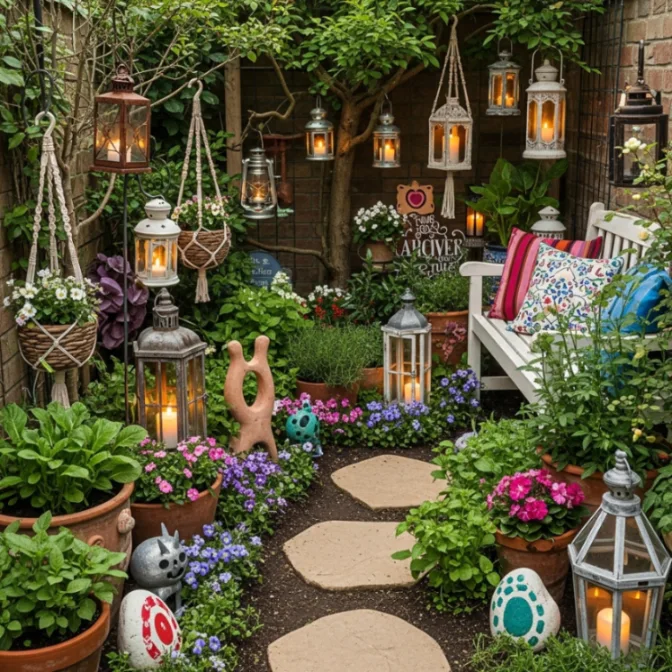
13. Add Personal Decorative Touches
Personal details turn a garden into your space. Decorative touches add warmth and character.
Imagine a favorite lantern, a small sculpture, or handmade decor. These items make the garden feel lived in.
Styling flexibility is high. You can swap decor easily as tastes change. A common mistake is overdecorating. Another issue is using items not suited for outdoor conditions.
14. Design the Garden for How You Use It
The coziest gardens match your lifestyle. Design choices should support how you actually spend time outdoors.
Picture a garden designed for quiet mornings, social evenings, or solo relaxation. Every element serves a purpose.
Styling flexibility comes from honesty. When the garden fits your habits, it evolves naturally. A common mistake is copying designs that do not match your needs. Another issue is ignoring comfort.

FAQs
1. Can small gardens really feel cozy
Yes, with proper layout, lighting, and texture.
2. What is the best seating for small gardens
Compact, comfortable furniture works best.
3. Do small gardens need a lot of plants
No, thoughtful placement matters more than quantity.
4. How do I avoid clutter in a small garden
Limit decor and stick to a clear plan.
5. Are cozy gardens high maintenance
Not if plant choices are planned carefully.