13 Basement Bedroom Ideas That Turn an Underground Space Into a Comfortable, Stylish Retreat
Basement bedrooms often get a bad reputation, and honestly, it is not completely undeserved. Many basements feel dark, cold, and forgotten, more like storage zones than places meant for rest. But that reputation exists mostly because these spaces are rarely designed with intention. When a basement bedroom is treated like a real bedroom instead of an afterthought, it can become one of the most peaceful and private areas in the entire home.
One of the biggest advantages of a basement bedroom is separation. It sits away from street noise, away from busy living areas, and often stays naturally cooler. That makes it ideal for deep sleep, guest rooms, or even a quiet personal retreat. The challenge is understanding how to work with limited natural light, lower ceilings, and sometimes awkward layouts. This is where thoughtful basement bedroom ideas truly matter.
Designing a basement bedroom is less about trends and more about problem-solving. You focus on light, warmth, comfort, and flow. Every design choice has a job to do. Paint colors brighten the space. Furniture proportions protect headroom. Lighting layers replace missing sunlight. Textures soften hard surfaces. When these elements come together, the space stops feeling underground and starts feeling intentional.
What makes basement bedroom ideas so valuable is their versatility. These rooms can be guest bedrooms, teen rooms, rental units, or even primary bedrooms. They can feel modern, cozy, minimalist, or layered, depending on how you approach the design. The key is respecting the space instead of fighting it.
In this guide, we are walking through 13 detailed basement bedroom ideas that work in real homes. Each idea explains why it works, how it looks in practice, how flexible it is over time, and what mistakes often ruin the result. Some ideas may overlap in feeling, and that is intentional. Basement bedrooms benefit from layered solutions rather than one single trick. If you are ready to rethink what a basement bedroom can be, you are in the right place.
1. Light and Warm Wall Colors That Brighten the Room
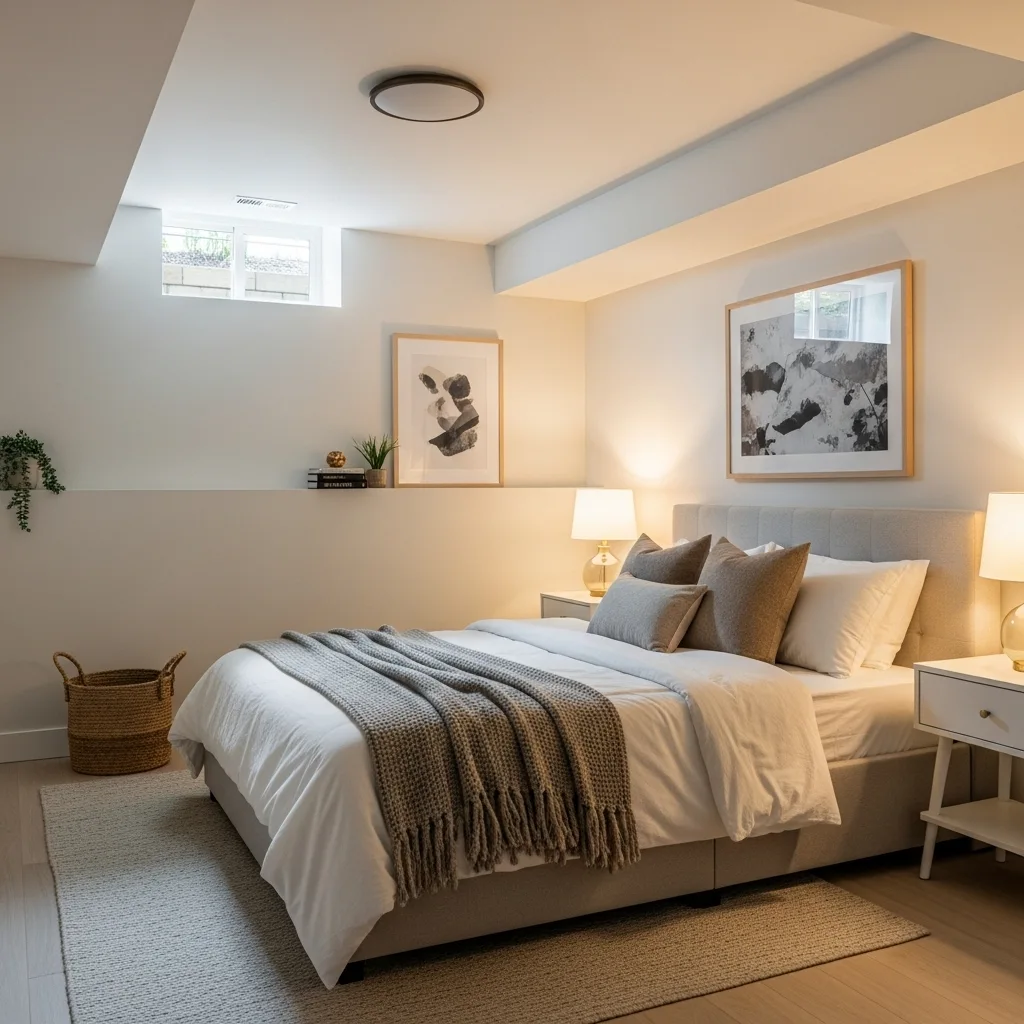
Light wall colors are one of the most important basement bedroom ideas because they directly influence how the space feels. Basements naturally receive limited daylight, so darker wall colors can quickly make the room feel closed in. Warm whites, soft beiges, light greige, and pale neutral tones reflect light and help the room feel more open.
Imagine a basement bedroom with one small window and a low ceiling. Painting the walls a warm off-white instantly lifts the space. Light bounces around the room instead of being absorbed, and the bedroom feels calmer and more breathable. Even artificial lighting works better against lighter walls.
This approach offers excellent styling flexibility. Light walls act as a neutral canvas, allowing you to change bedding, rugs, artwork, and furniture without repainting. You can lean cozy in winter and fresh in summer with simple decor swaps.
A common mistake is choosing a stark white with cool undertones. In basements, cool whites can feel gray and lifeless. Another issue is ignoring ceiling color. A slightly lighter ceiling helps increase the sense of height.
2. Layered Lighting Instead of One Overhead Fixture
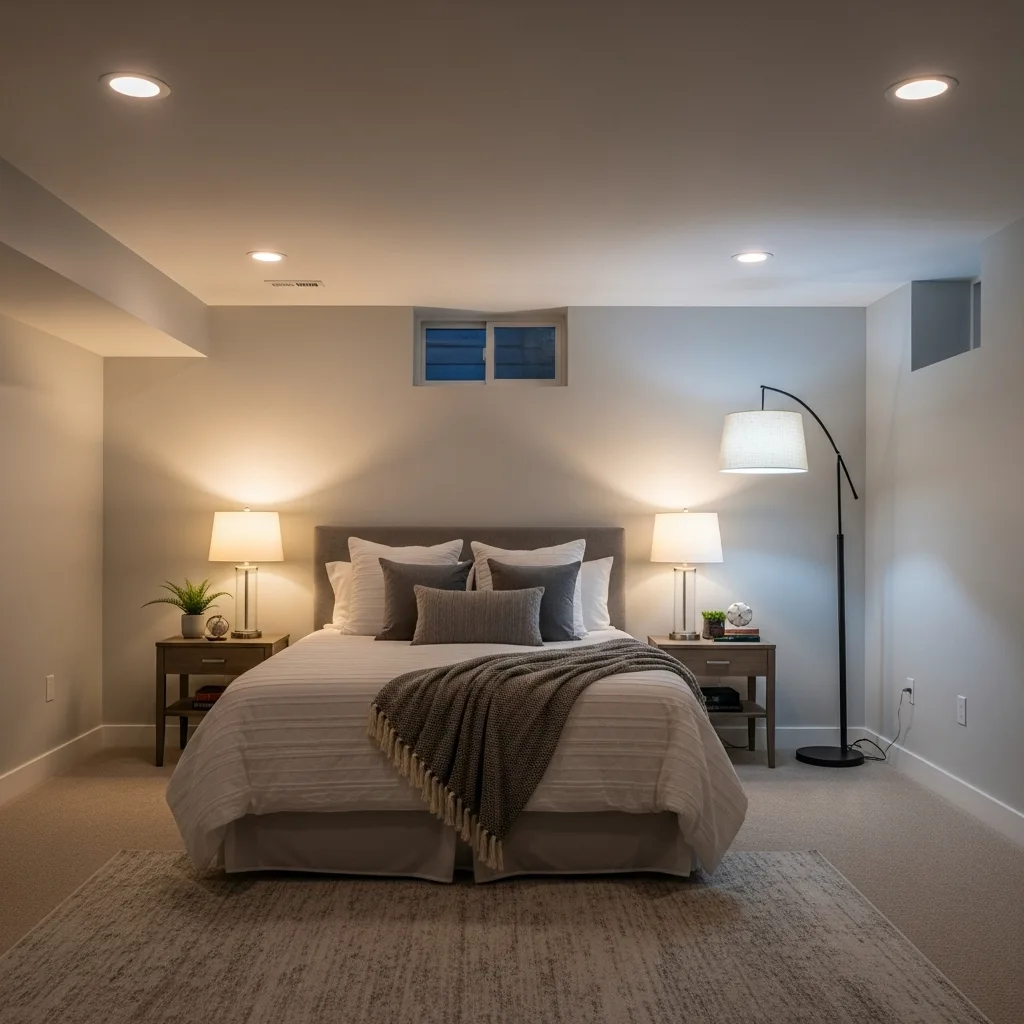
Lighting is everything in a basement bedroom. Relying on a single ceiling light is one of the most common mistakes people make. Layered lighting creates warmth, depth, and functionality, which is essential below ground.
Picture a basement bedroom with recessed ceiling lights, bedside lamps, and a floor lamp near a reading chair. Each light source serves a different purpose. Together, they create an inviting glow that replaces missing sunlight.
Lighting layers offer strong flexibility. You can adjust brightness based on time of day or mood. Soft light at night feels cozy, while brighter layers during the day make the room functional for reading or work.
A common mistake is using cool-toned bulbs that feel like office lighting. Another issue is spacing lights too far apart, which leaves shadows and uneven brightness.
3. Warm and Soft Flooring for Comfort
Basement floors are often cold, both visually and physically. Choosing warm flooring is one of the most practical basement bedroom ideas because it directly affects comfort. Carpet, luxury vinyl plank, or layered rugs make a huge difference.
Imagine stepping out of bed onto a soft rug instead of cold concrete. That small detail changes how the room feels every morning. Warm flooring adds insulation and reduces the echo that basements sometimes have.
This idea allows flexibility through rugs and textures. Even if the base flooring is neutral, layered rugs can add color, pattern, and personality. You can update them easily over time.
A common mistake is choosing flooring without moisture resistance. Basements require materials that can handle humidity. Another issue is using dark flooring without balancing it with lighter elements.
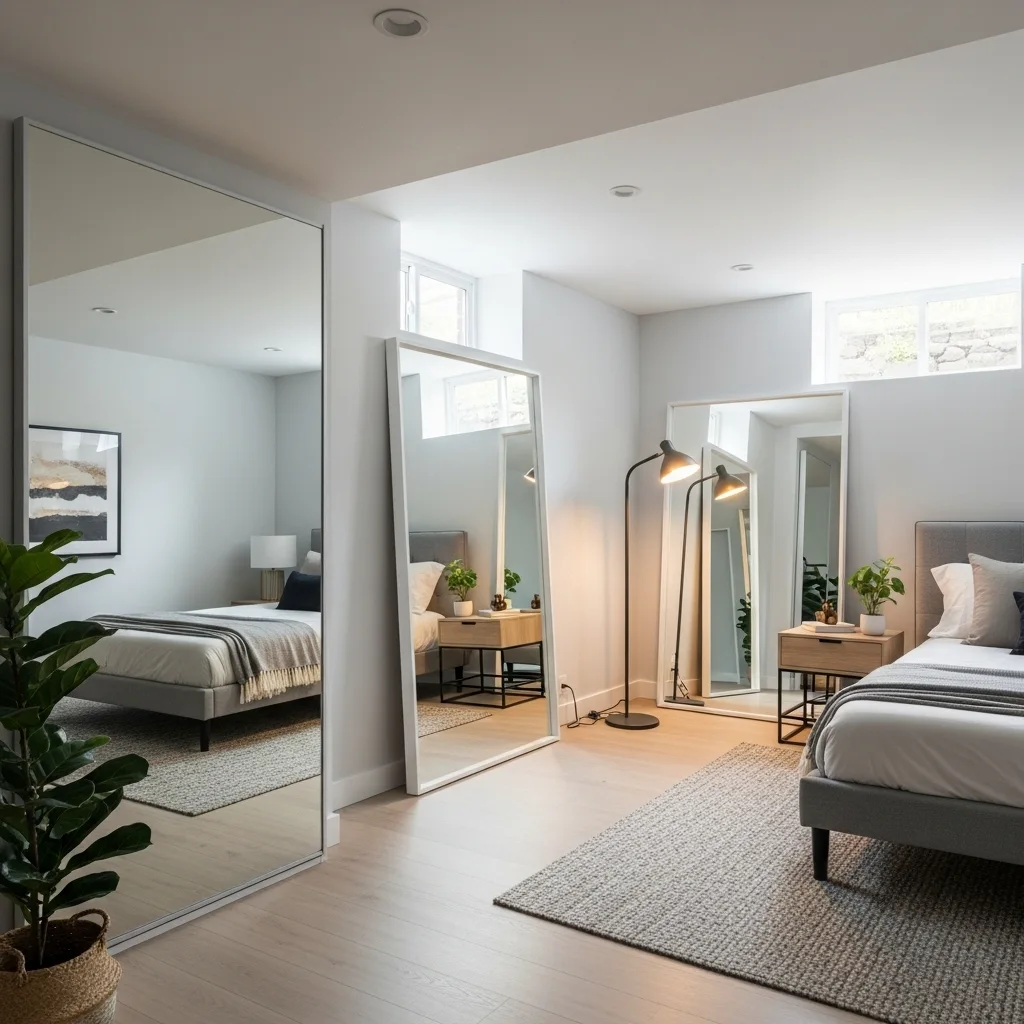
4. Mirrors to Reflect Light and Expand Space
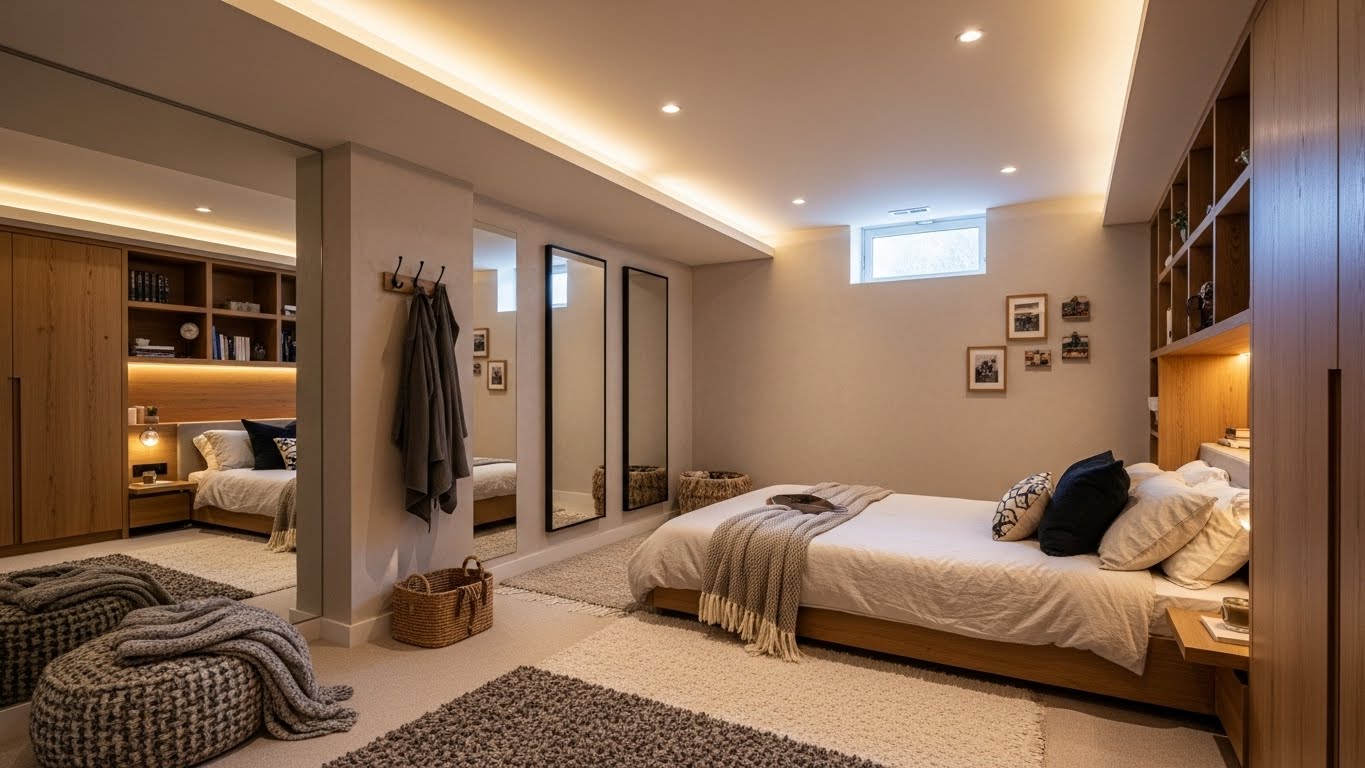
Mirrors are powerful tools in basement bedroom design. They reflect light, visually expand the room, and reduce the boxed-in feeling that basements often have. Used correctly, they can completely change how the space feels.
Imagine placing a mirror across from a window or near a lamp. Light doubles, and the room instantly feels larger. Decorative mirrors can also add style while serving a practical purpose.
This idea is flexible because mirrors work with nearly every design style. Framed mirrors suit traditional rooms, while clean-lined mirrors fit modern spaces.
A common mistake is using mirrors that are too small to make an impact. Another issue is placing them where they reflect clutter or dark corners instead of light.
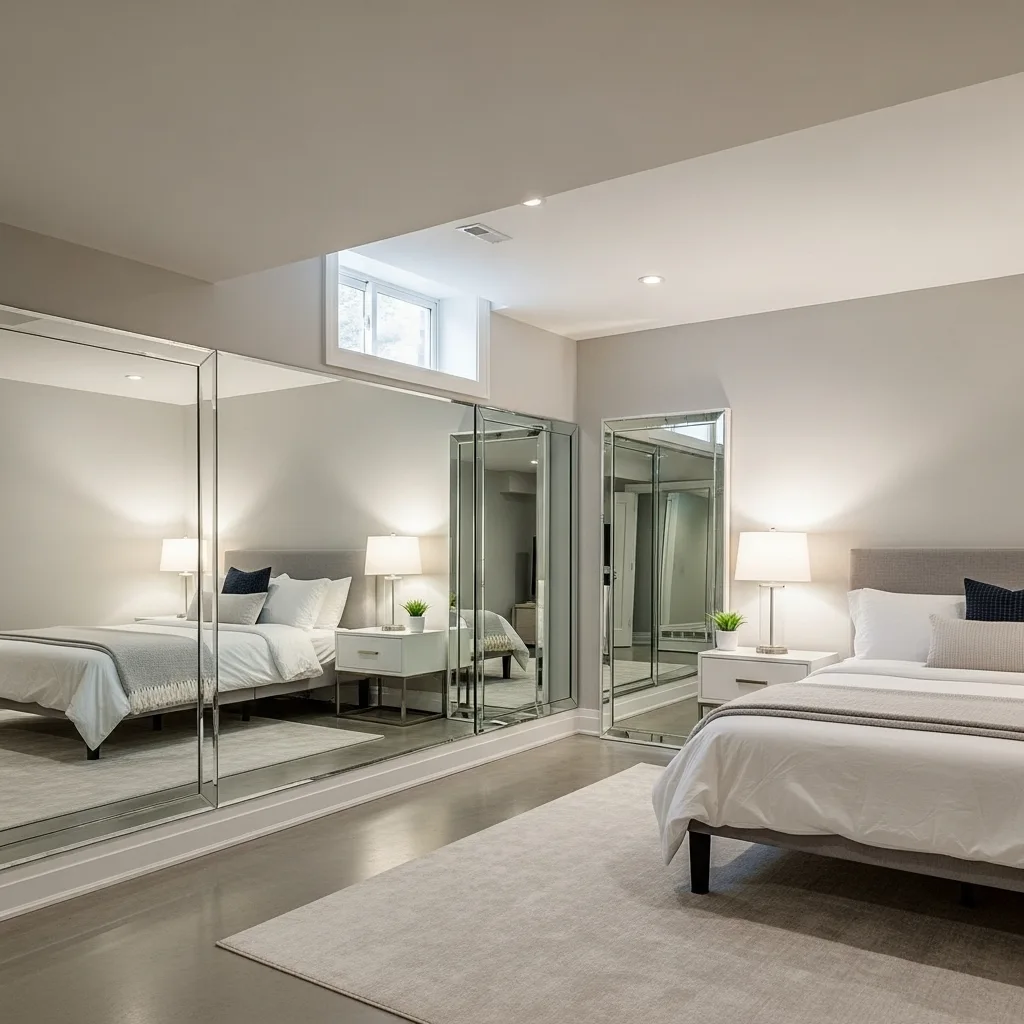
5. Low-Profile Furniture to Protect Headroom
Basement ceilings are often lower than upstairs rooms, so furniture scale matters. Low-profile furniture helps maintain balance and prevents the room from feeling cramped.
Imagine a platform bed with a low headboard instead of a tall, bulky frame. The room immediately feels taller and more comfortable. Low dressers and streamlined seating also help.
This approach offers styling flexibility. Low-profile furniture works in modern, minimalist, and cozy spaces depending on materials and finishes.
A common mistake is using oversized furniture that overwhelms the room. Another issue is blocking vents or windows with bulky pieces.
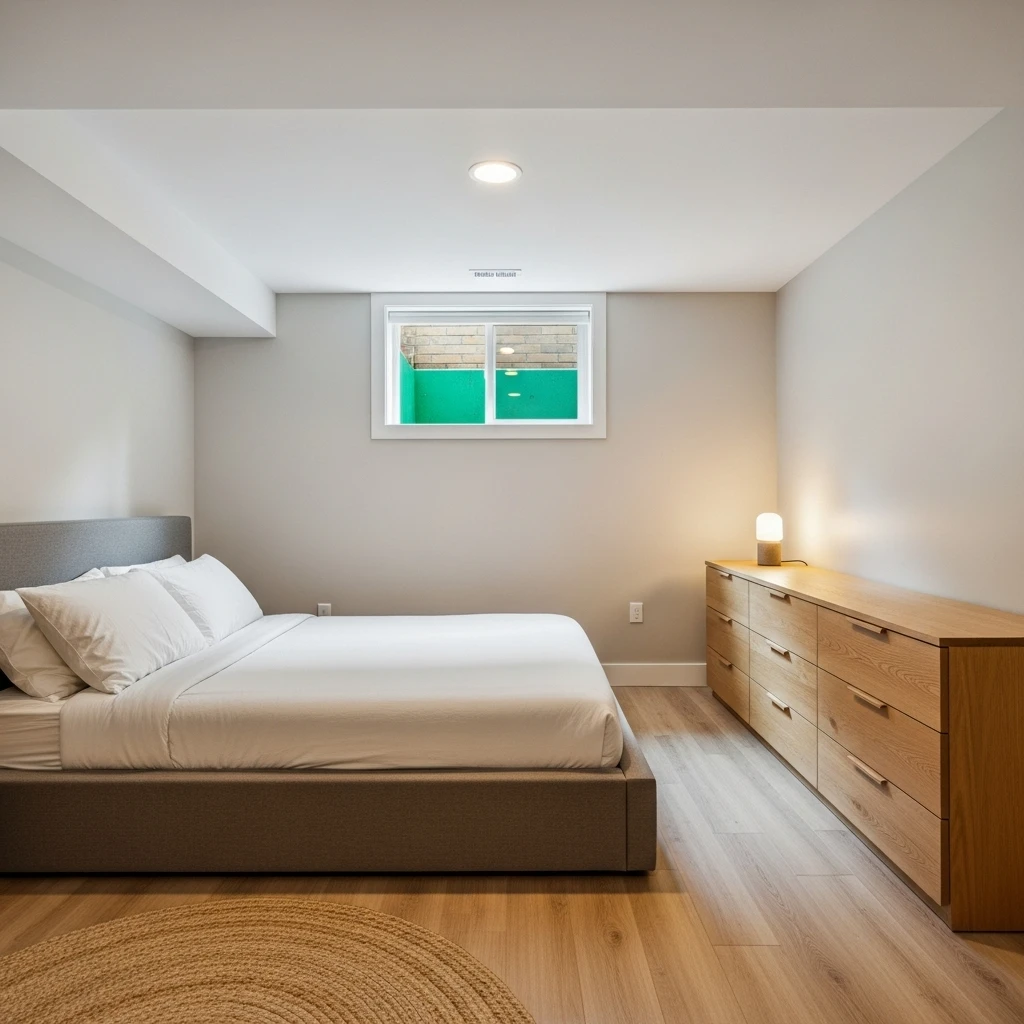
6. Cozy Textiles That Add Warmth and Softness
Textiles play a huge role in basement bedroom ideas. Curtains, bedding, rugs, and throws soften hard surfaces and add emotional warmth. They make the room feel lived in instead of unfinished.
Picture layered bedding with soft fabrics, a plush throw at the foot of the bed, and curtains that frame the window. These elements instantly make the room feel welcoming.
Textiles offer endless styling flexibility. You can change colors, patterns, and textures without altering the structure of the room. This makes updates affordable and simple.
A common mistake is choosing fabrics that feel heavy or dark. Another issue is ignoring moisture-friendly materials in humid basements.
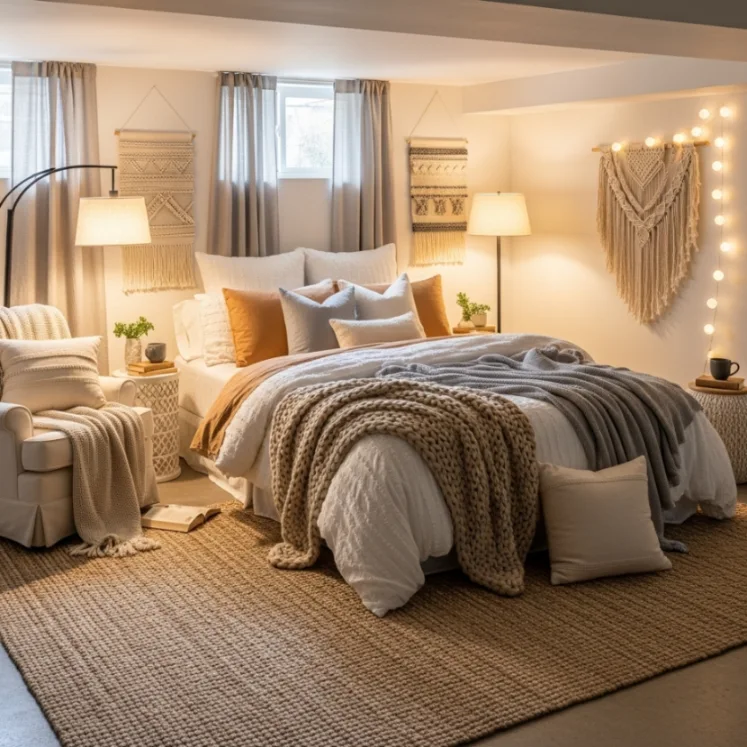
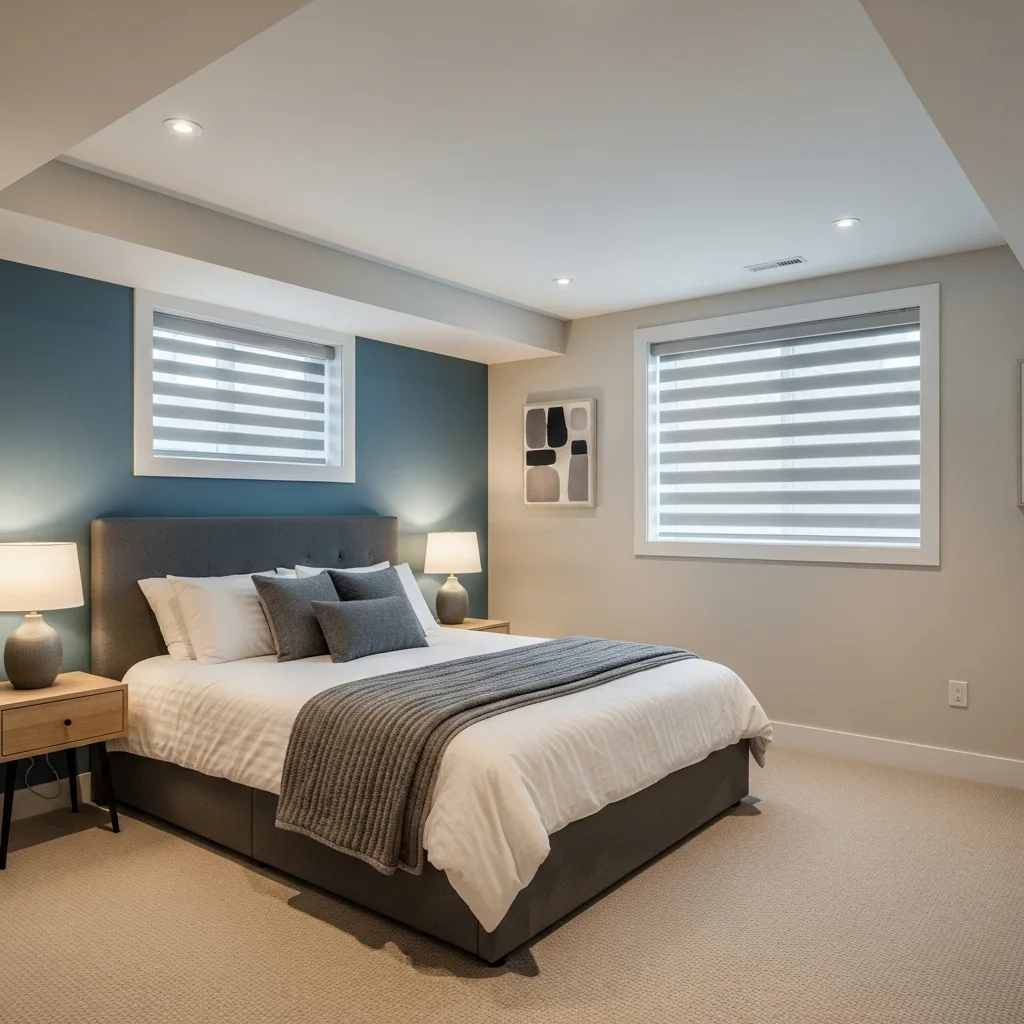
7. Accent Walls That Add Interest Without Darkness
Accent walls are a smart way to add personality without overwhelming a basement bedroom. One wall with color or texture creates focus while keeping the room balanced.
Imagine a muted blue or soft green accent wall behind the bed. It adds depth and style while the remaining walls stay light and reflective.
This idea offers flexibility because accent walls are easier to change than full-room paint. You can experiment without long-term commitment.
A common mistake is choosing overly dark or saturated colors. Another issue is placing the accent wall where it highlights awkward architecture.
8. Built-In Storage to Reduce Visual Clutter
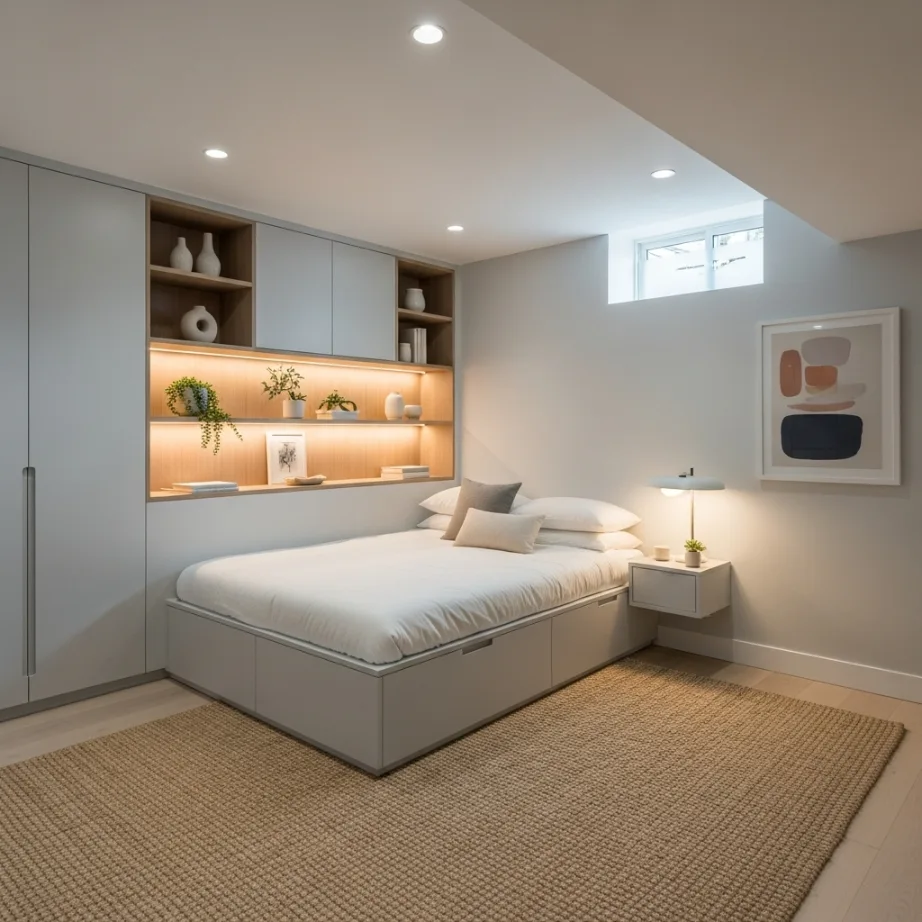
Clutter makes basement bedrooms feel smaller and darker. Built-in storage keeps the room organized and visually calm. Storage that blends into walls works especially well.
Picture under-bed drawers, wall-mounted shelves, or a built-in wardrobe. Everything has a place, and the room feels open and functional.
This idea is flexible because storage can be customized to the room’s layout. It also allows decor to remain minimal and intentional.
A common mistake is overbuilding storage and reducing flexibility. Another issue is blocking access to utilities.
9. Warm Wood Accents for Balance
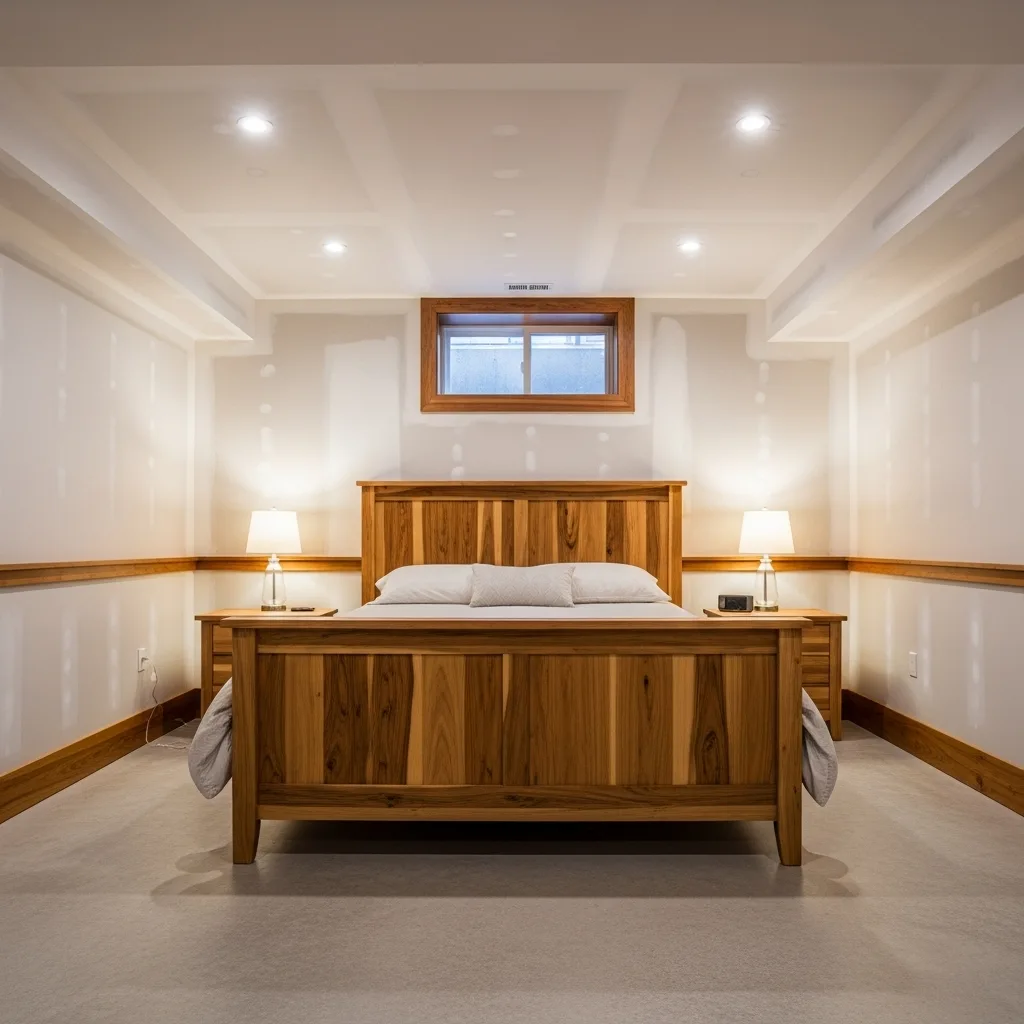
Wood adds warmth and texture to basement bedrooms. Natural wood tones balance concrete and drywall surfaces, making the space feel more inviting.
Imagine wood nightstands, a wooden headboard, or subtle wood trim. These elements ground the room and add character.
Wood accents are flexible and timeless. They work across modern, rustic, and traditional styles.
A common mistake is using wood tones that are too dark. Another issue is mixing too many finishes without cohesion.
10. Window Treatments That Maximize Light
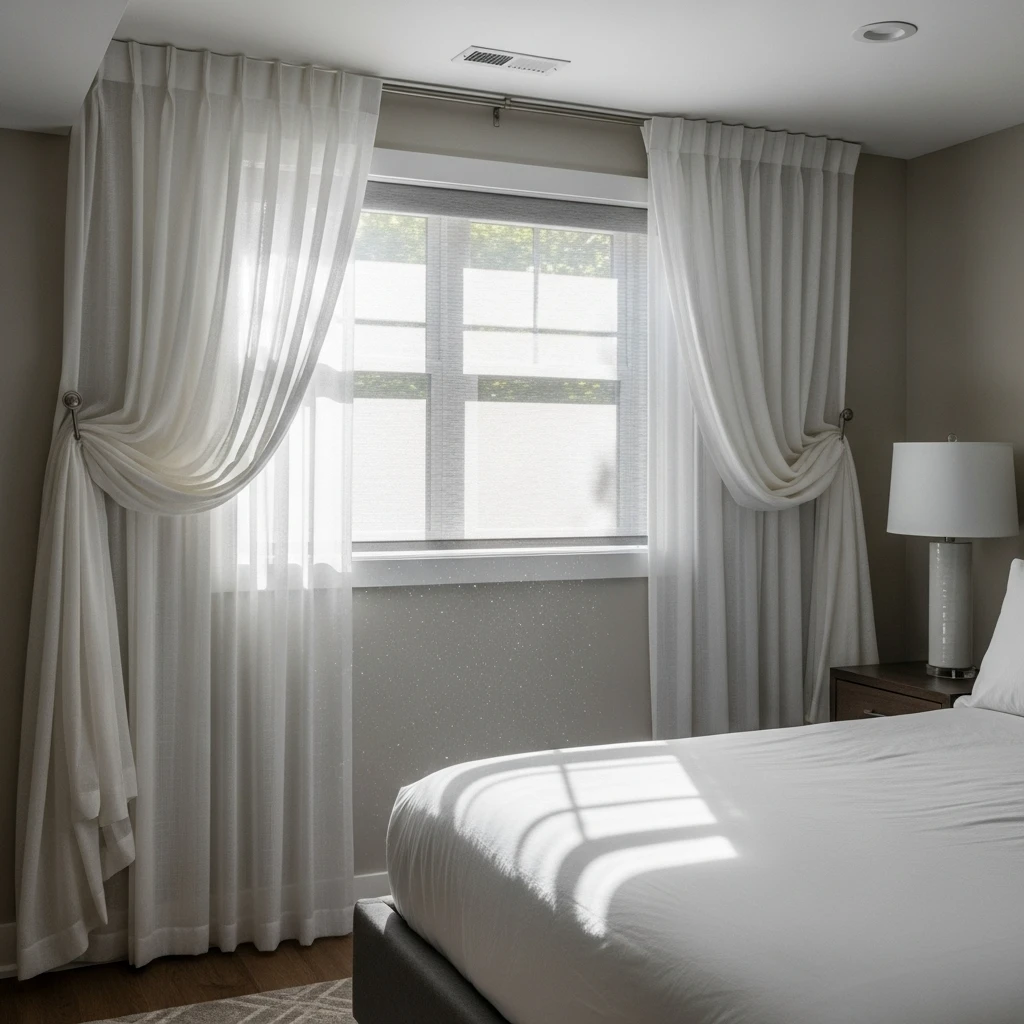
Basement windows are often small, so window treatments should let in as much light as possible. Sheer curtains or simple shades work best.
Picture light-filtering curtains that soften light without blocking it. The window feels larger, and the room feels brighter.
This idea offers styling flexibility. Window treatments are easy to change and adjust for privacy. A common mistake is using heavy, dark curtains. Another issue is poor sizing that makes windows look smaller.
11. Sound Control for Better Sleep
Basements can carry noise from mechanical systems or upstairs activity. Sound control improves comfort and sleep quality.
Imagine thick rugs, upholstered furniture, and insulated walls absorbing sound. The room feels quiet and private.
This idea is flexible because many decor elements also help with sound. Rugs and curtains do double duty. A common mistake is ignoring noise sources until after finishing the room. Another issue is relying only on decor without insulation.
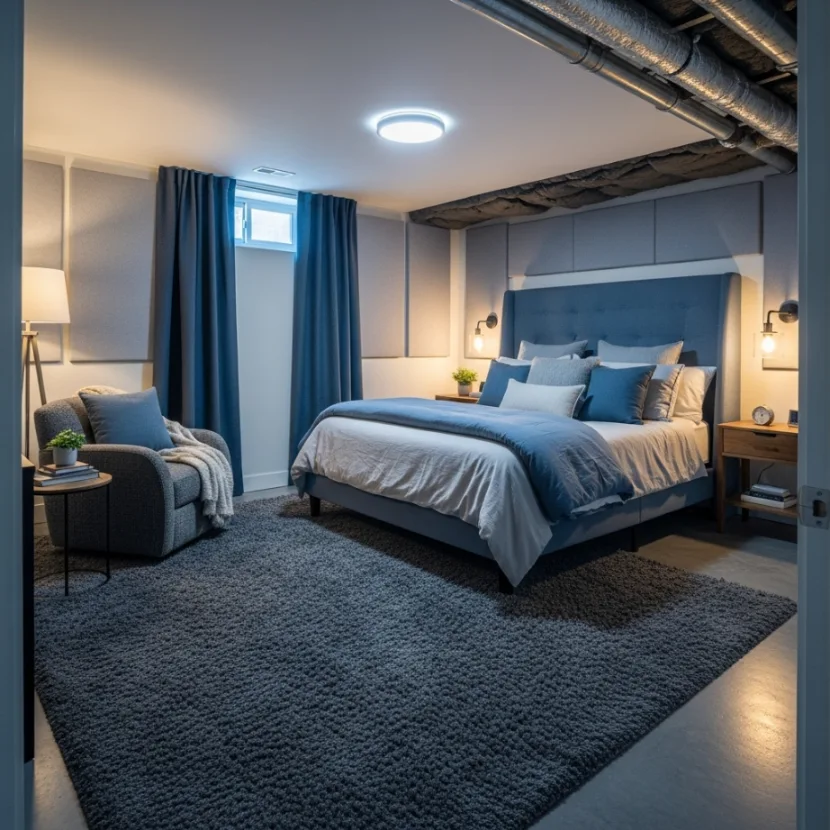
12. Personal Decor That Makes the Room Feel Like Home
Personal touches turn a basement bedroom into a real living space. Artwork, photos, and meaningful objects add soul and comfort.
Picture a wall with framed art or photos that reflect personality. The room feels intentional and warm.
This approach is highly flexible. Personal items can change over time without redesigning the space. A common mistake is overcrowding walls. Another issue is choosing decor that feels temporary or random.
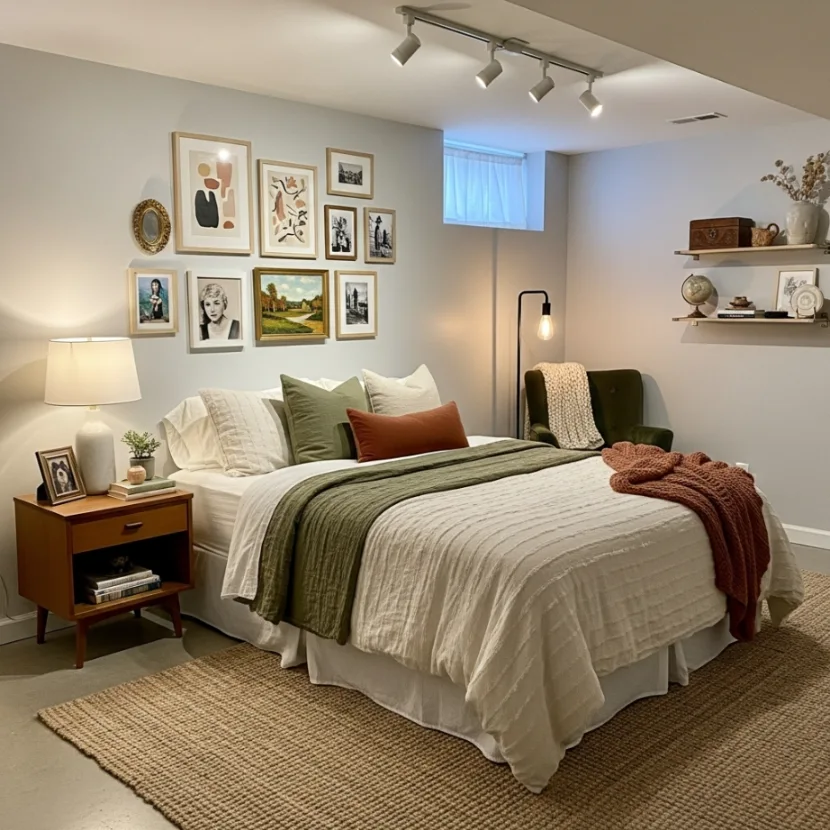
13. Multi-Use Basement Bedroom Layouts
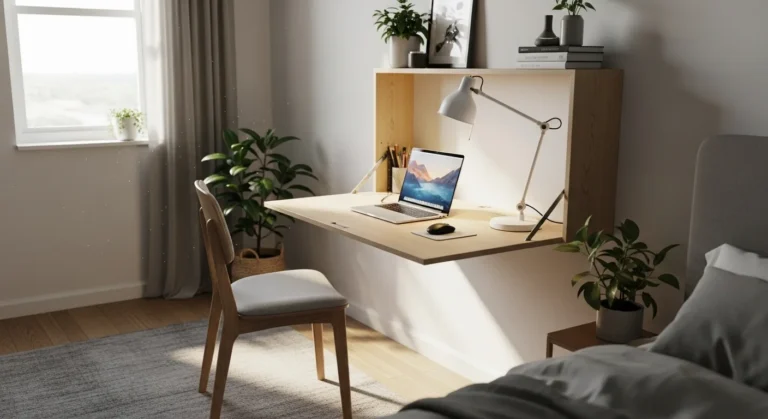
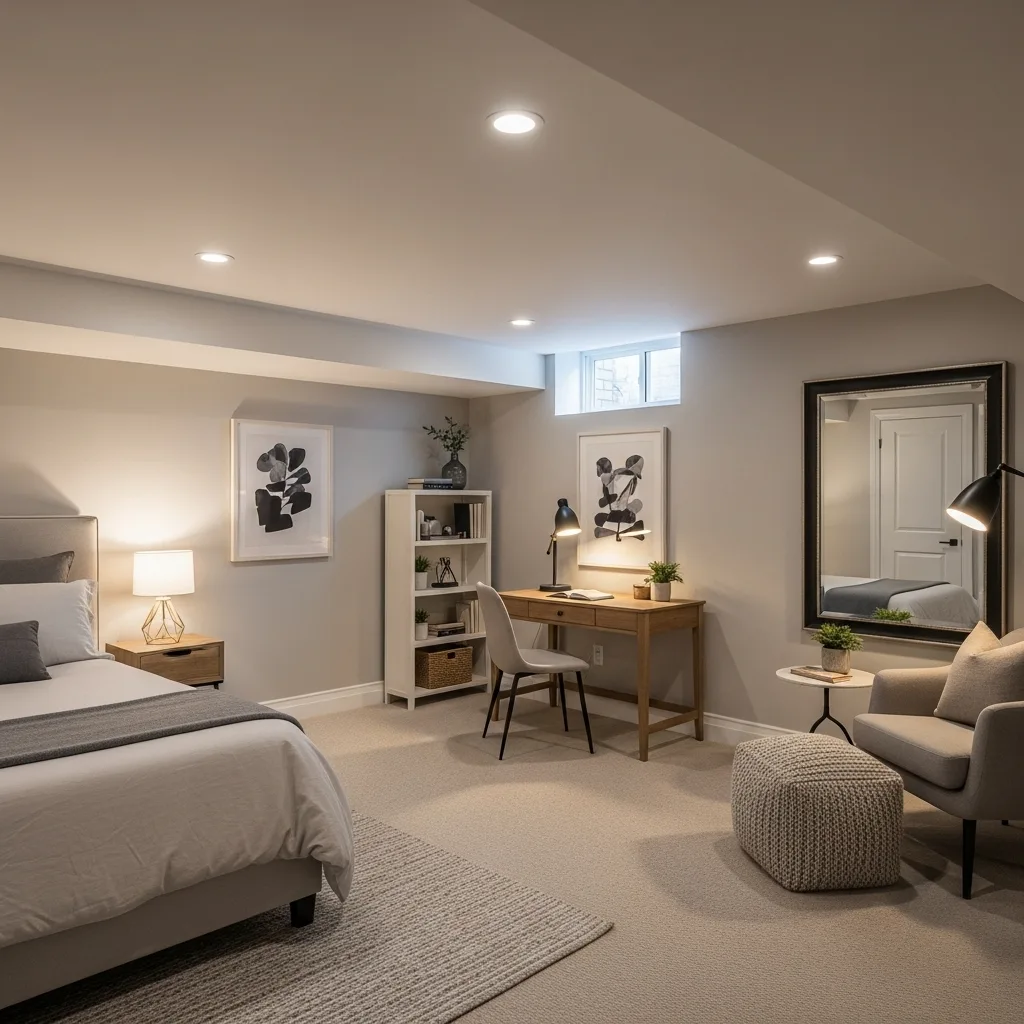
Basement bedrooms often serve more than one purpose. Guest room and office combinations are common and practical.
Imagine a bedroom with a small desk or seating area that still feels restful. Thoughtful zoning keeps the space functional.
This idea offers flexibility as needs change. Furniture placement and lighting define different areas. A common mistake is trying to do too much in one space. Another issue is not prioritizing sleep comfort.
Conclusion
A basement bedroom does not have to feel like a leftover space when it is designed with intention. Light colors, layered lighting, warm textures, and smart furniture choices work together to turn an underground room into a comfortable place to rest. When these elements are balanced, the space feels calm, inviting, and fully livable rather than dark or forgotten.
The real strength of basement bedroom ideas lies in flexibility. These rooms can adapt over time as guest spaces, private retreats, or multi-use rooms without losing comfort or style. By working with the basement’s natural characteristics instead of fighting them, you create a bedroom that feels purposeful, personal, and surprisingly cozy.
FAQs
1. Can a basement bedroom feel comfortable and bright
Yes, proper lighting, light colors, and thoughtful design make a big difference.
2. What flooring works best in basement bedrooms
Moisture-resistant flooring with rugs for warmth works best.
3. Are basement bedrooms good for guests
Yes, they offer privacy and quiet when designed well.
4. How do I handle humidity in a basement bedroom
Use moisture-resistant materials and consider a dehumidifier.
5. Do basement bedrooms need special ventilation
Good airflow and ventilation are important for comfort and air quality.