12 Common Raised Bed Garden Mistakes That Sabotage Your High-End Sanctuary
Think about your dream garden for a second. Is it a “mighty” architectural masterpiece, or is it a sagging wooden box leaking mud onto your expensive patio? I once visited a property where the owner spent thousands on cedar but filled the beds with “free” soil from a construction site, and honestly, the resulting stunted weeds looked more like a crime scene than a homestead. IMO, the biggest tragedy in modern gardening is engineering a beautiful structure only to kill the plants with basic tactical errors. You do not need a degree in botany to host a five-star agricultural show; you just need to stop making these twelve amateur moves that turn your luxury retreat into a high-maintenance headache.
I have spent a significant amount of time dissecting professional landscape failures to figure out why some beds thrive while others look like a “failed project” within six months. The secret to a professional-grade result is respecting the invisible mechanics—drainage, soil physics, and wood integrity. Whether you are building a tiny urban herb box or a grand vegetable grid, these insights will give your sanctuary that curated, professional feel. We are going to find a fix for everything from poor placement to “dead” soil while making your entire exterior look like a masterpiece of efficiency. Ready to turn your “mistake-prone” patch into a sanctuary of substance? Let us dive into these twelve secrets that every high-end developer knows but rarely shares.
1. Using Non-Durable or Untreated Softwoods
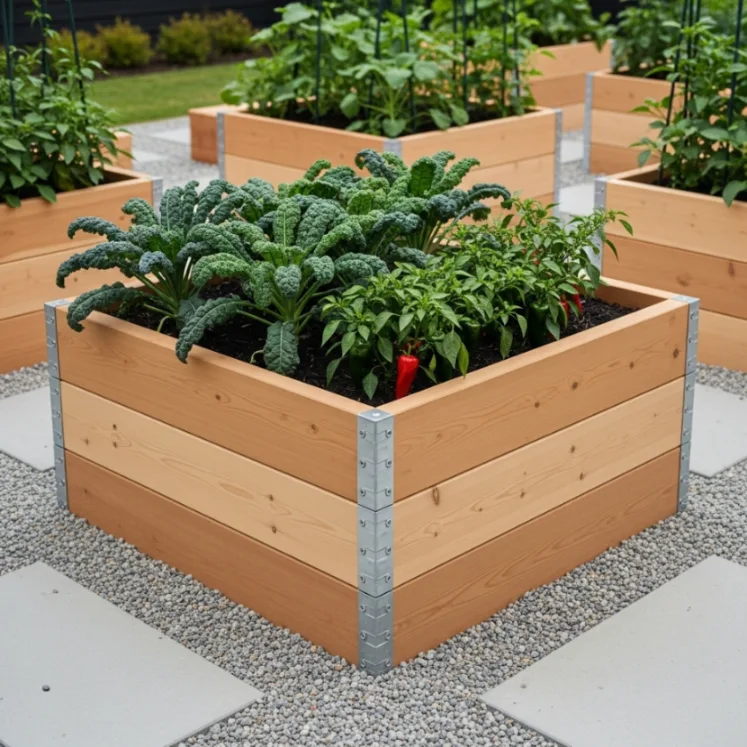
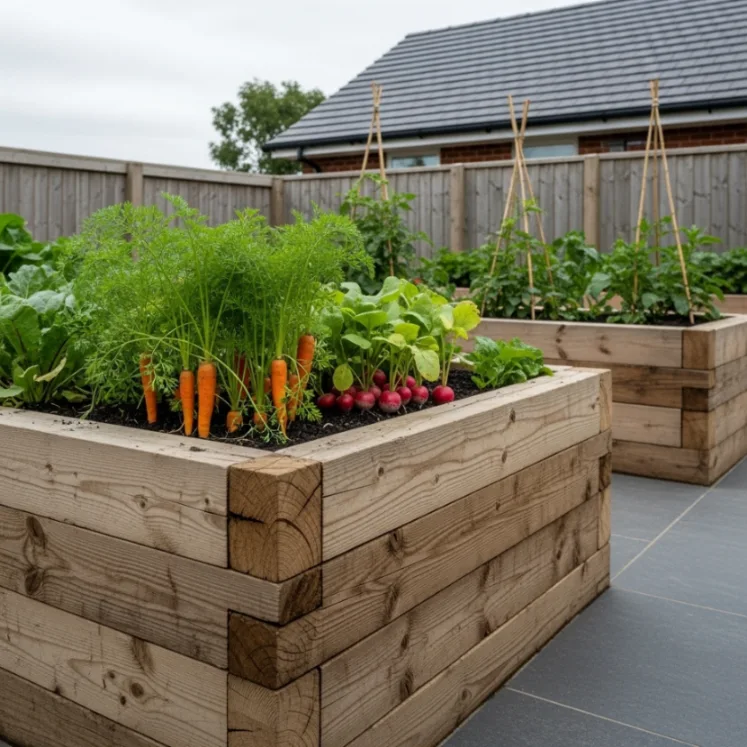
If you want to instantly signal that your home is a place of order and luxury, you cannot use cheap, untreated pine for your structures. I suggest investing in high-end, rot-resistant woods like Cedar, Redwood, or thermally modified timber. When you use cheap wood, it warps and rots within two seasons, creating a “mighty” mess that ruins the architectural integrity of your yard. It is a simple move that adds a layer of modern geometry and comfort to your daily garden routine.
Using the wrong wood is a staple mistake because it forces you to rebuild your entire garden sanctuary every few years. To keep it feeling luxury, avoid “pressure-treated” wood from big-box stores that can leach chemicals into your organic kale. This choice ensures your property maintains a professional-grade look across the entire space for a decade or more. It signals that your property was designed with a professional-grade eye for long-term structural integrity.
I personally love how the silver patina of aged cedar makes a garden look much more expansive and expensive over time. This tiny bit of extra engineering in the beginning saves you from the tragedy of a collapsing bed. FYI, if you want a truly permanent and “mighty” look, consider using stone or powder-coated metal instead of wood! 🙂 It turns a basic box into a sophisticated piece of luxury storytelling that greets you every afternoon.
2. Placing the Bed in a “Sun-Starved” Zone
Nothing says “amateur hour” like a vegetable garden tucked away in a dark, damp corner where nothing but moss can grow. I suggest tracking the sun for a full day before you bolt a single board together to ensure your sanctuary gets at least six to eight hours of direct light. By placing your beds in the “sweet spot” of your yard, you engineer a professional-grade growth rate that makes your plants look vibrant and lush. It is a sophisticated way to manage your land with a professional-grade aesthetic.
Sun-starved placement is a classic homestead design idea gone wrong because it leads to leggy, yellow plants that never produce. To keep it feeling luxury, avoid placing beds directly under the “drip line” of large trees or in the shadow of your house. It adds a layer of luxury storytelling that tells everyone you appreciate the balance of light and life. It turns a functional workspace into a masterpiece of home design that feels both professional and inviting.
I find that a sun-drenched garden makes the rest of your property feel much more expansive and “mighty” by creating a bright focal point. It provides everything you need for a curated, high-end look that feels very intentional and expensive. :/ It is a smart move that signals a high-end, carefully planned environment for your family. This approach ensures your sanctuary stays vibrant and functional throughout the entire growing season.
3. Engineering Beds That Are “Too Wide” to Reach
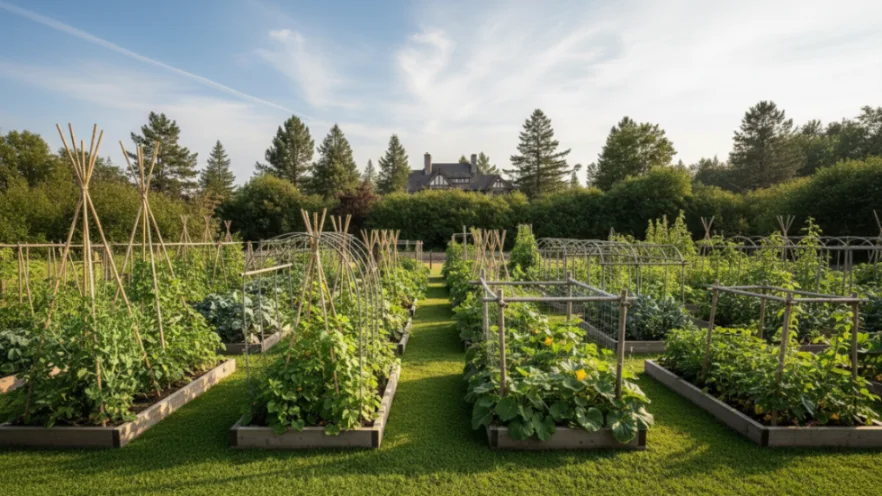
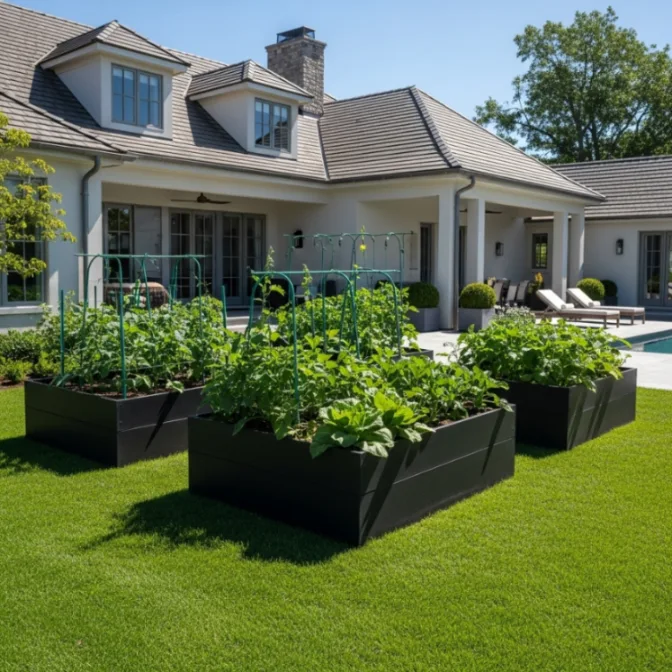
In a modern homestead, you should never have to step into your garden bed to reach a tomato in the center. I suggest keeping the width of your raised beds to exactly four feet or less so you can comfortably reach the middle from either side. When you build beds that are too wide, you end up compacting the soil with your feet, which ruins the “mighty” aeration you worked so hard to create. It is a sophisticated way to manage a small floor plan with a professional-grade eye for ergonomics.
Oversized beds are among the most frustrating mistakes because they turn a peaceful harvest into a physical struggle. To keep it feeling luxury, design your layout with wide, clear paths—at least three feet—between the beds to allow for easy movement. It adds a layer of luxury storytelling that tells everyone you value order even in the smallest technical details. It turns a standard food patch into a professional-grade design statement.
I personally love how narrow, structured beds make the act of gardening feel much more ritualistic and peaceful. It provides a sense of modern geometry and comfort by giving your body a structured workspace to follow. FYI, four feet is the “golden rule” for a reason—it is the average human reach from both sides! 🙂 It is a functional detail that signals a carefully curated and expensive taste.
4. Filling the Bed With “Dead” or Heavy Topsoil
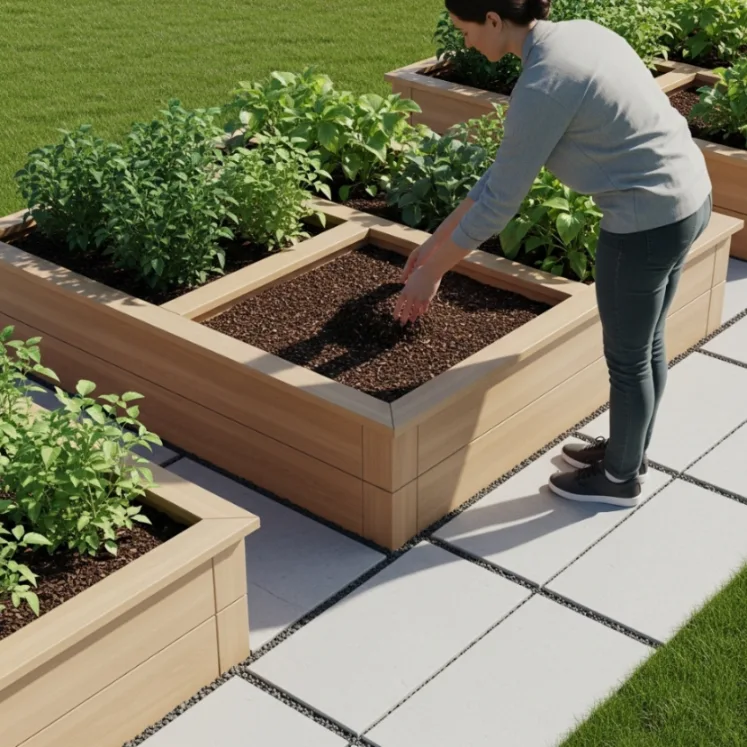
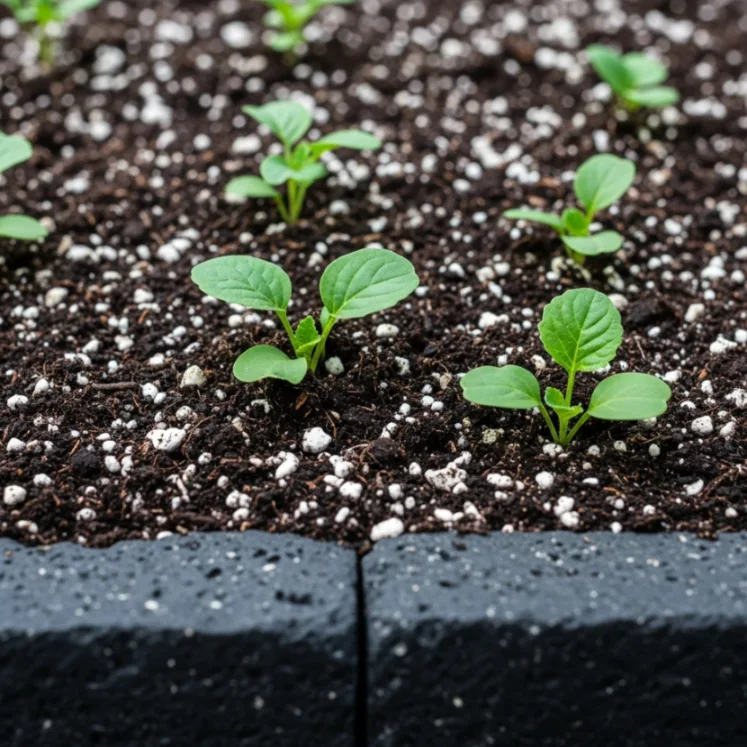
One of the easiest ways to kill a high-end garden project is to fill your beautiful new beds with heavy, compacted dirt from your own backyard. I suggest using a professional-grade “raised bed mix” that is one-third compost, one-third peat moss or coco coir, and one-third perlite or vermiculite. This creates a clean, sophisticated soil structure that allows roots to dive deep and fast, making your garden look expansive and healthy. It is a smart way to maximize your visual appeal while keeping the property looking grand.
Heavy soil is a “mighty” mistake because it suffocates the roots and prevents drainage, leading to root rot and stunted growth. To keep it feeling luxury, avoid “cheap” bagged topsoil that is often filled with weed seeds and rocks. It adds a layer of luxury storytelling that tells everyone you appreciate the fine details of professional soil science. It turns a simple garden box into a masterpiece of efficiency and growth.
I find that a fluffy, high-quality soil mix makes the entire gardening experience feel much more peaceful and less chaotic. It provides everything you need for a high-end atmosphere that feels both clean and vibrant regardless of the yard size. :/ It is a smart move that signals a high-end, carefully planned environment. This approach ensures your sanctuary stays vibrant and functional for every grand social session.
5. Forgetting the “Gopher and Root” Barrier
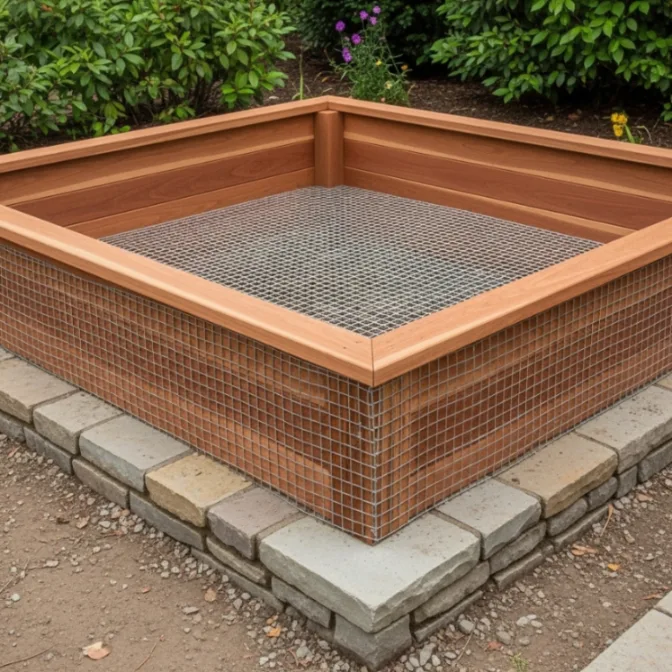
If you want to instantly signal that your home is a place of order, you need to protect your sanctuary from the “invisible” enemies underground. I suggest lining the bottom of your raised beds with a layer of heavy-duty hardware cloth or stainless steel mesh before adding soil. This prevents gophers, moles, and invasive tree roots from “hijacking” your professional-grade nutrients and destroying your plants. It is a sophisticated way to add a layer of luxury and depth to your house design.
Forgetting a barrier is a staple mistake that leads to “mighty” disappointment when your prize-winning carrots suddenly disappear overnight. To keep it feeling luxury, avoid using thin chicken wire, as determined pests can chew right through it in a single evening. It adds a layer of luxury storytelling that tells everyone you value the “invisible” beauty of structural integrity. It turns a standard garden into a professional-grade design statement.
I personally love how a protected bed makes the entire living experience feel much more peaceful and less like a battle against nature. It provides everything you need for a curated, high-end look that feels very intentional and expensive. :/ It is a smart move that signals a high-end, carefully planned environment. This choice tells everyone your homestead is a masterpiece of efficiency and security.
6. Neglecting Proper Drainage Holes
Sometimes the most “mighty” design statement is the one that allows the excess to flow away quietly. I suggest ensuring your raised beds—especially those on top of concrete or heavy clay—have significant drainage gaps or drilled holes at the base. When water sits at the bottom of a bed with nowhere to go, it creates a stagnant “swamp” that kills your high-end plants from the roots up. It is a sophisticated way to manage a functional homestead with a professional-grade aesthetic.
Poor drainage is a brilliant way to ruin a modern homestead design because it leads to sour soil and fungal diseases. To keep it feeling luxury, place a layer of coarse gravel or “drainage rocks” at the very bottom of the bed before the soil goes in. It adds a layer of luxury storytelling that tells everyone you appreciate the intersection of life and architectural design. It turns a basic box into a professional-grade design masterpiece.
I personally love how a well-drained bed stays fresh and vibrant even after a massive summer storm. It provides a sense of modern geometry and comfort by giving the water a structured path to follow out of your sanctuary. FYI, if your bed is on a slope, the drainage should always be engineered toward the downhill side! 🙂 It is a functional detail that signals a carefully curated and expensive taste.
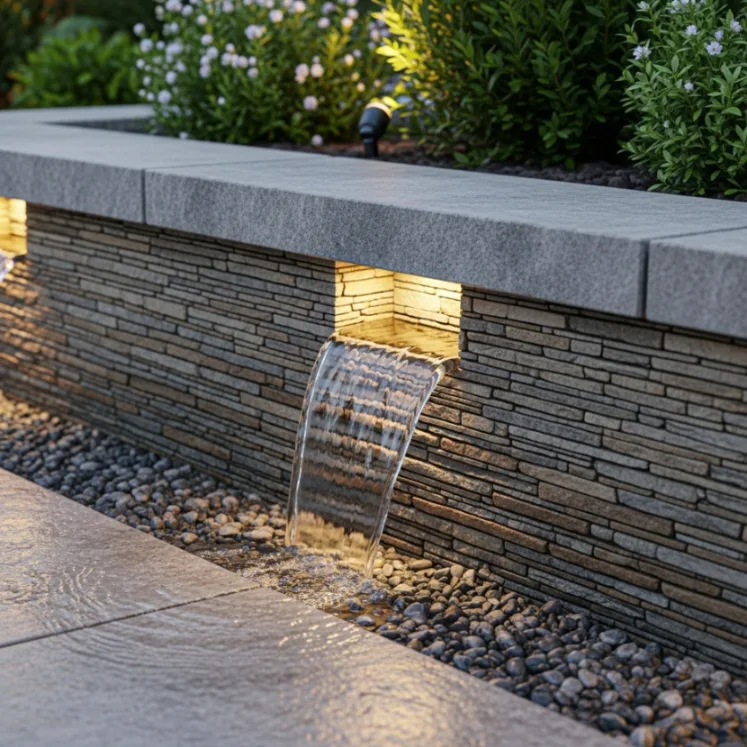
7. Walking Directly on the Garden Soil
In a professional-grade garden, your soil should be as fluffy and aerated as a high-end mattress. I suggest never stepping foot inside the bed once the soil is placed; instead, stay on your curated gravel or stone paths. When you walk on the soil, you compress the “mighty” air pockets that plants need to breathe, essentially turning your luxury bed into a hard brick. It is a sophisticated way to manage a large room with a professional-grade eye for detail.
Soil compaction is a “mighty” mistake that most beginners make without even realizing they are doing it. To keep it feeling luxury, use a “reach tool” or a long-handled hoe to manage the center of the bed from the sidelines. It adds a layer of luxury storytelling that tells everyone you value the small details that make a space feel “mighty” and lived-in. It turns a functional path into a professional-grade design statement.
I find that keeping your feet out of the dirt makes the entire gardening experience feel much more peaceful and ritualistic. It provides everything you need for a curated, high-end look that feels very intentional and expensive. :/ It is a smart move that signals a high-end, carefully planned environment. This approach ensures your sanctuary stays vibrant and functional for your evening social sessions.
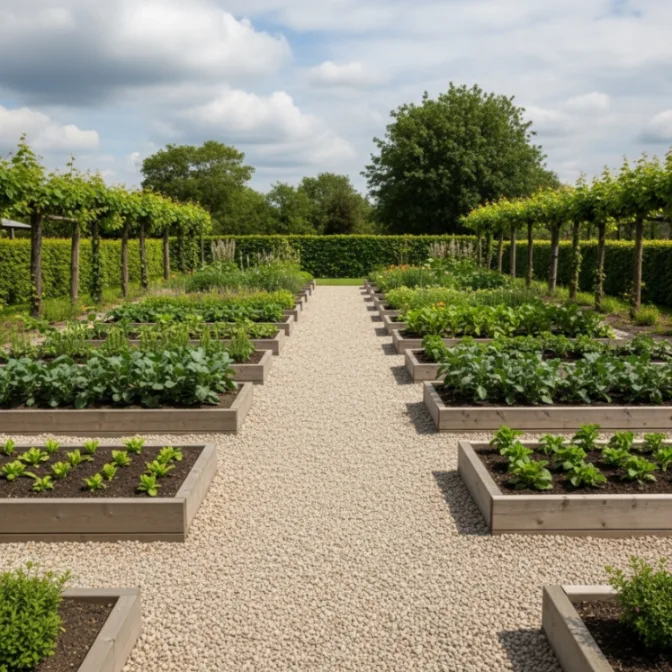
8. Planting Too Densely for the “Instant Look”
If you are fighting for space in a small yard, the temptation to “over-pack” your raised beds is a massive architectural risk. I suggest following the “square foot gardening” rules or the spacing guides on your seed packets with professional-grade discipline. When plants are too crowded, they fight for light and air, leading to a “mighty” mess of powdery mildew and stunted harvests. It is a sophisticated way to add a layer of luxury and depth to your house design.
Over-planting is a classic homestead design idea gone wrong because it makes the garden look cluttered and “cheap” rather than curated. To keep it feeling luxury, remember that a few perfectly spaced, healthy plants look much more “mighty” than twenty struggling ones. It adds a layer of luxury storytelling that tells everyone you appreciate the balance of light and space. It turns a standard entryway into a professional-grade design statement.
I find that proper spacing makes the entire living experience feel much more peaceful and less like a chaotic jungle. It provides everything you need for a high-end atmosphere that feels both clean and vibrant regardless of the yard size. :/ It is a smart move that signals a high-end, carefully planned environment. This choice tells everyone your homestead is a masterpiece of efficiency and artistic personality.
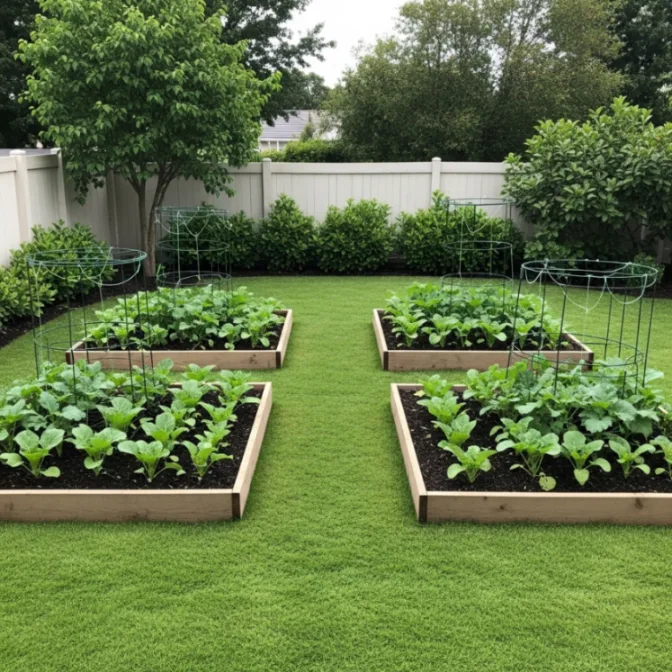
9. Forgetting the “Self-Watering” Engineering
Lighting and depth are everything, but in a raised bed, water is the literal lifeblood of your high-end design. I suggest installing a hidden drip irrigation system with an automatic timer before you finish the top layer of soil. When you rely on a hand-held hose, you inevitably miss a day, and a raised bed—which dries out much faster than the ground—will wilt in a “mighty” hurry. It is a sophisticated way to manage a year-round growing season with a professional-grade aesthetic.
Irregular watering is a brilliant way to stress your plants and invite pests into your sanctuary. To keep it feeling luxury, hide the black irrigation tubes under a layer of dark cedar mulch for a clean, “invisible” look. It adds a layer of luxury storytelling that tells everyone you appreciate the intersection of tech and nature. It acts as a powerful focal point that anchors the entire social zone of your yard.
I personally love how an automatic system makes even a busy homestead feel much more expansive and “mighty.” It provides a sense of modern geometry and comfort by giving your garden a predictable, high-end pulse. FYI, a “soaker hose” is the most efficient way to water without getting the leaves wet and causing disease! 🙂 It is a functional detail that signals a carefully curated and expensive taste.
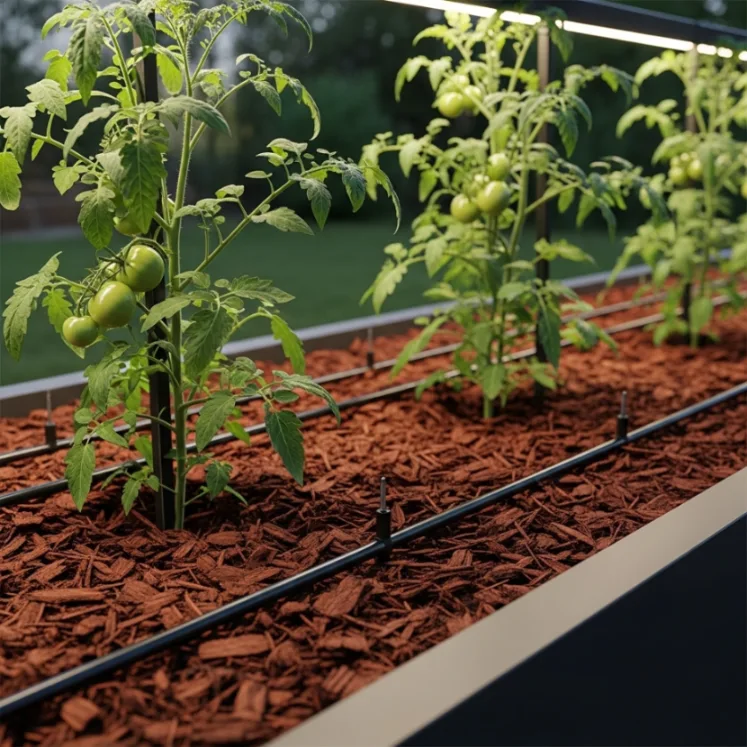
10. Skipping the “Luxury” Mulch Layer
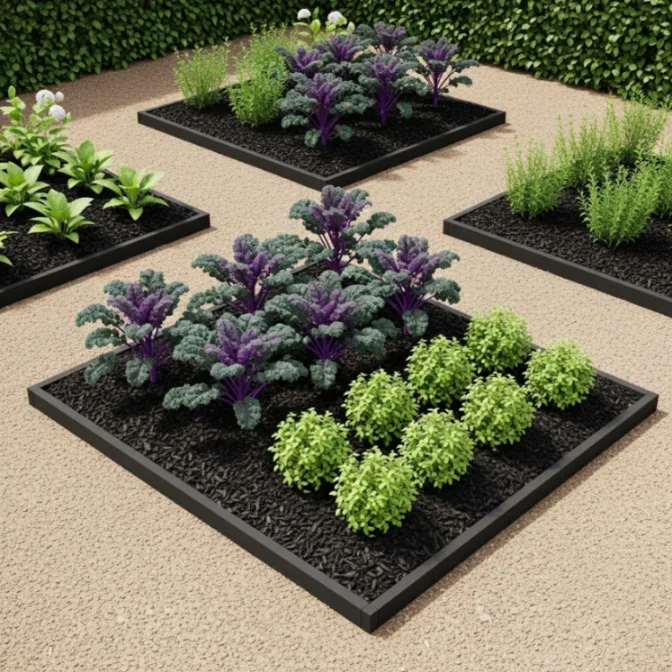
One of the easiest ways to make a garden look high-end and professional is to eliminate the sight of bare dirt. I suggest topping your raised beds with a two-inch layer of high-quality organic mulch, like shredded straw or bark. This creates a clean, sophisticated look that makes the kitchen garden feel much more expansive, calm, and expensive. It is a smart way to maximize your visual appeal while keeping the property looking grand and intentional.
Bare soil is a “mighty” mistake because it allows water to evaporate and weed seeds to take root in your sanctuary. To keep it feeling luxury, choose a mulch color—like a deep brown or soft tan—that complements your house architecture. It adds a layer of luxury storytelling that tells everyone you appreciate the fine details of professional landscape design. It turns a simple food patch into a masterpiece of home design.
I find that a mulched bed makes the entire living experience feel much more peaceful and less like a chore. It provides everything you need for a high-end atmosphere that feels both clean and vibrant regardless of the yard size. :/ It is a smart move that signals a high-end, carefully planned environment. This approach ensures your sanctuary stays vibrant and functional for every morning walk.
11. Ignoring “Crop Rotation” Logic
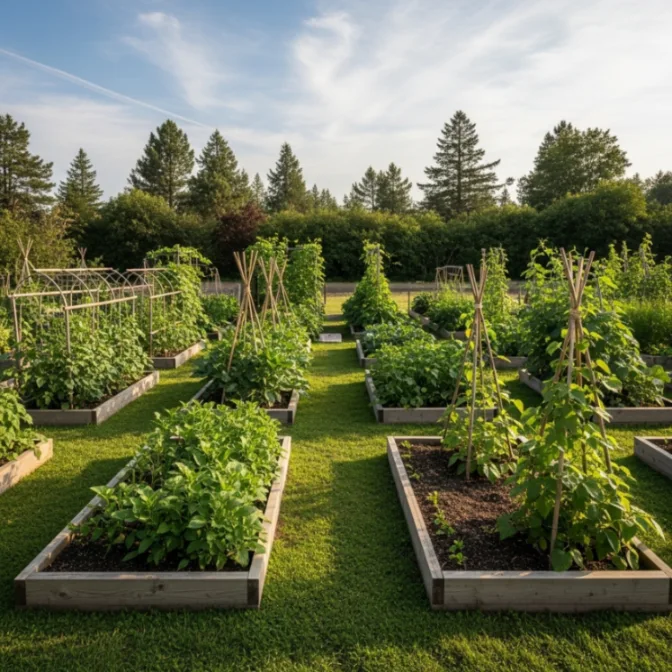
If you want your homestead to feel like a permanent estate, you cannot plant the same thing in the same box year after year. I suggest moving your “families”—like tomatoes and peppers—to a different raised bed every season to prevent “mighty” soil-borne diseases from building up. This draws the eye upward and adds a sense of permanence and professional-grade design to the homestead that feels very curated. It is a sophisticated way to manage a large amount of land with a professional-grade eye for detail.
Planting the same crops repeatedly is a classic mistake that exhausts the soil and invites specific pests to live in your sanctuary forever. To keep it feeling luxury, keep a simple “garden journal” or map to track your architectural moves over the seasons. It adds a layer of luxury storytelling that tells everyone you value order even in the smallest technical details. It turns a standard garden into a professional-grade architectural feature.
I find that rotating your crops makes the entire house feel much more grand and “mighty” by showing a deep understanding of nature. It provides everything you need for a high-end atmosphere that feels both safe and beautiful. FYI, planting “cover crops” like clover in the off-season is the ultimate luxury move for soil health! 🙂 It is a functional detail that signals a carefully curated and expensive taste.
12. Using Chemically-Treated Reclaimed Wood
In a professional-grade homestead, the materials you use for your food source should be as clean as the food itself. I suggest avoiding “found” railroad ties or old pallets that might contain “mighty” amounts of creosote or toxic arsenic. This creates a high-end focal point that feels like a piece of functional art without ever worrying about what is leaching into your carrots. It is a sophisticated way to manage a functional homestead with a professional-grade aesthetic.
Reclaimed wood is a brilliant mistake because it looks “rustic” but can be incredibly dangerous for an organic food sanctuary. To keep it feeling luxury, if you must use reclaimed wood, ensure it is heat-treated only and comes from a verified, high-end source. It adds a layer of luxury storytelling that tells everyone you value the intersection of life and architectural design. It turns a basic box into a professional-grade design masterpiece.
I personally love how using “clean” materials makes the entire living experience feel much more peaceful and ethical. It provides everything you need for a curated, high-end look that feels very intentional and expensive. :/ It is a smart move that signals a high-end, carefully planned environment. This approach ensures your sanctuary stays vibrant and functional for every grand social session.
Conclusion
Maximizing your property with these raised bed garden insights is all about honoring the architecture of your home while injecting it with your own sense of light and luxury. You have the perfect excuse to go bold with your cedar structures and automatic irrigation because a curated garden is the most flexible tool you have for a happy, healthy home. Whether you choose a dramatic stone grid or a simple monochromatic mulch layer, the key is to make every choice intentional. Think about how the organizational tools guide your eyes and how the surfaces of your home remain clear for daily movement. Don’t be afraid to start your garden project this weekend and see the difference it makes. Your sanctuary is waiting for its living, breathing, high-end glow-up. Remember, even the smallest yards can feed the biggest dreams. Stay creative and keep making your space yours.
FAQs
What is the biggest raised bed garden mistake for beginners? You should avoid using cheap, untreated wood and heavy backyard topsoil, as these will lead to rot and stunted growth within the first two seasons.
How do I prevent my raised bed garden from drying out? The secret is to install a hidden drip irrigation system and apply a thick layer of organic mulch to protect the soil from the sun’s heat.
Which wood is best for a long-lasting raised bed garden? Always prioritize rot-resistant high-end woods like Cedar or Redwood, or consider using stone or powder-coated metal for a permanent architectural look.
How wide should a raised bed garden be? You should never build a bed wider than four feet, ensuring you can reach the center from both sides without ever stepping on the soil and compacting it.
Do I need a liner at the bottom of my raised bed garden? Yes, I suggest using stainless steel hardware cloth to prevent gophers and tree roots from entering your professional-grade soil sanctuary.