13 Essential Organic Gardening Tips: Building a Self-Sustaining Green Sanctuary
Stop for a second and look at your garden—is it a thriving natural world or just a patch of grass dependent on a life-support system of blue liquids and plastic bags? For years, I was that gardener who panicked at the sight of a single beetle and reached for the nearest chemical spray, only to realize I was killing the very ecosystem I was trying to grow. It was a vicious cycle of synthetic fixes that left my soil dead and my plants weak. IMO, the shift to organic gardening isn’t just a “green” choice; it is an engineering masterstroke that turns your backyard into a luxury, self-regulating sanctuary where nature does 90% of the heavy lifting for you.
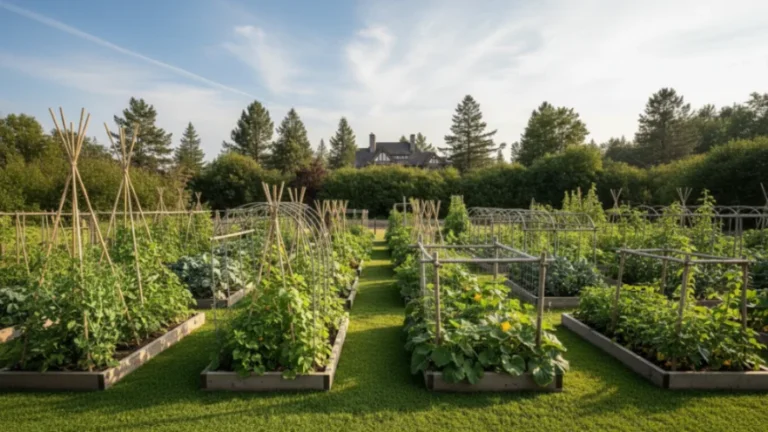
I have spent a significant amount of time studying sustainable landscapes to figure out how the pros achieve that deep, vibrant growth without ever touching a pesticide. The secret is moving away from “managing” plants and starting to “curate” the environment they live in. Whether you are working with a sunny balcony or a massive suburban plot, these thirteen tips are designed to be high-impact, easy to follow, and aesthetically pleasing. We are going to find a home for everything from beneficial insects to drip irrigation systems while making your entire property look like a curated masterpiece. Let’s dive into these organic gardening secrets that will transform your dirt into a powerhouse of productivity.
1. Kitchen Composting
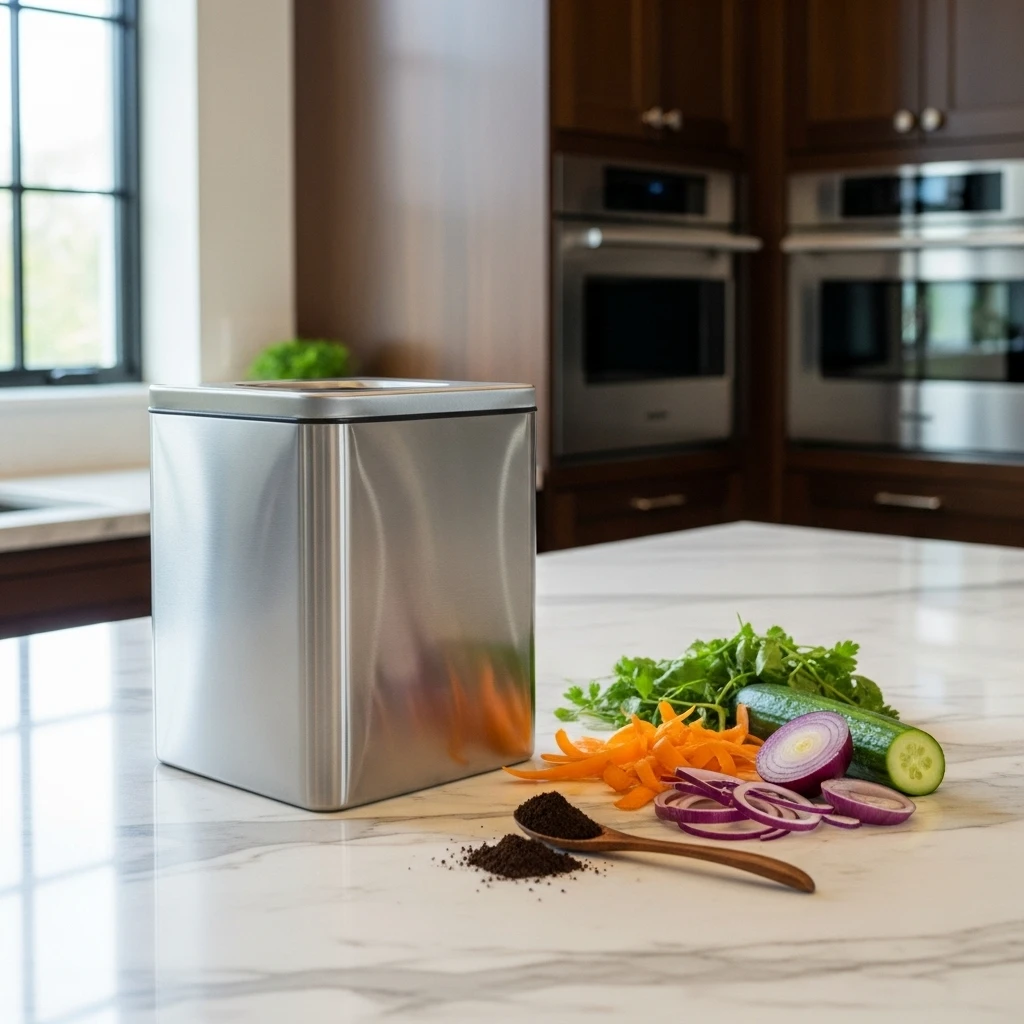
Your journey to professional-grade soil starts in your kitchen, not a store. I suggest creating a compost pile where you can collect organic waste like vegetable peels, fruit scraps, coffee grounds, and grass clippings. Over time, these materials decompose into dark, nutrient-dense compost that acts as the ultimate natural fertilizer for your beds.
To keep it feeling luxury, use a ventilated bin to avoid odors and remember to turn the pile regularly to speed up the decomposition process. Once the compost is ready, mix it into your soil to improve its texture and water retention. It turns your daily food scraps into a rich amendment that promotes healthy plant growth without any chemical additives.
I find that composting is the most satisfying part of the process because you are literally feeding your garden with your own leftovers. It provides everything you need for a fertile environment that stays productive year after year. It signals that your home is a place of sustainable abundance and zero waste.
2. Soil Testing
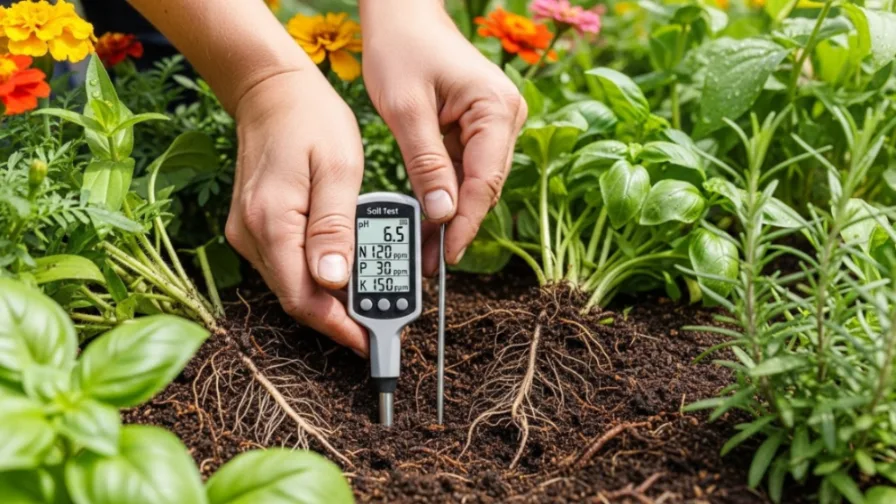
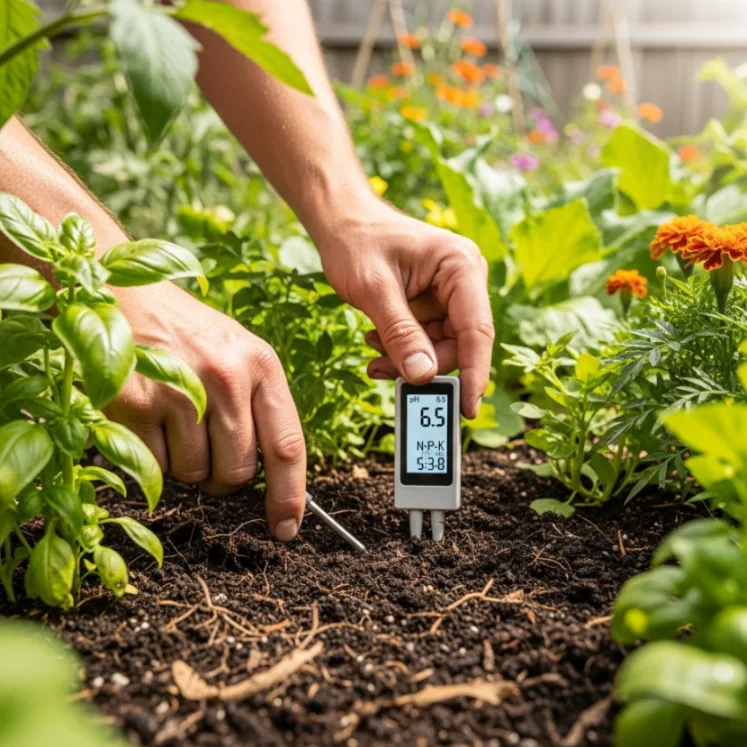
Before you waste money on amendments, you need to know what is actually happening beneath the surface. I suggest purchasing a soil test kit to determine your soil’s pH balance and levels of nitrogen, phosphorus, and potassium. Knowing these specific needs allows you to create a tailored plan for your garden’s optimal health.
Based on your results, you can add organic fertilizers or lime to adjust the pH exactly where your plants need it. This precision leads to healthier plants and much better yields than just guessing. It turns a boring dirt patch into a scientifically managed growing environment.
I personally love the clarity a soil test provides because it stops the guesswork. It provides a sense of modern geometry and comfort by ensuring every amendment is intentional and necessary. It is a smart way to maximize your garden’s health while keeping the ecosystem balanced.
3. Native Plants
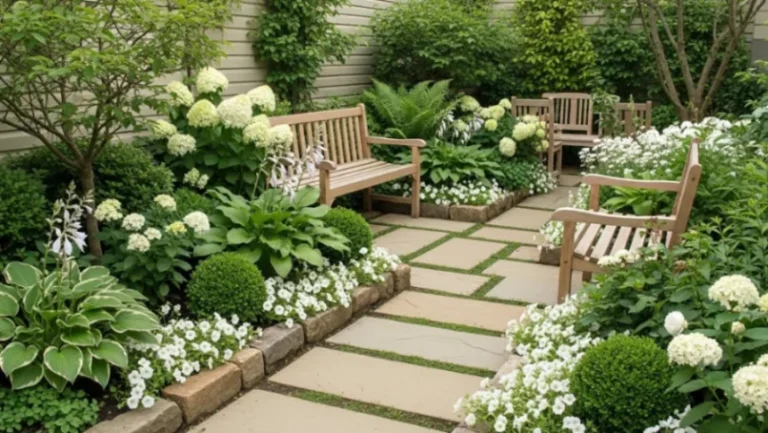
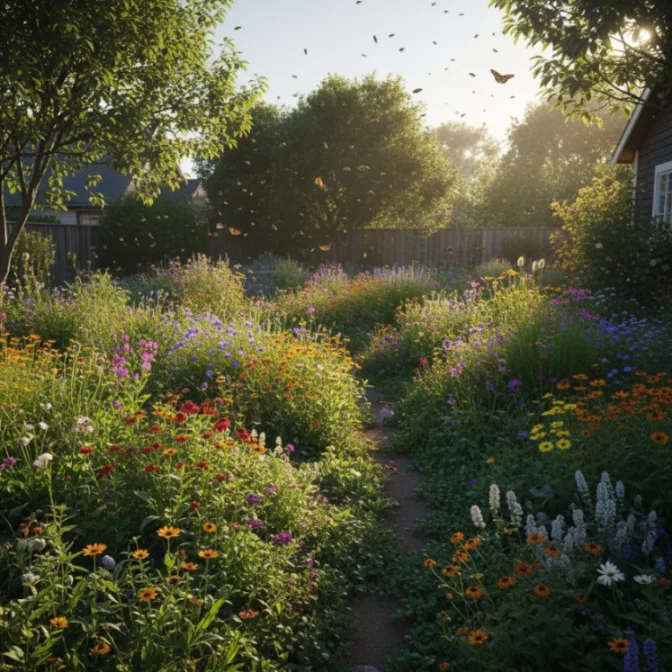
Choosing plants that have evolved in your specific region is the easiest way to have a low-maintenance, thriving landscape. I suggest choosing native species that are well-adapted to your local climate and soil conditions. These plants naturally require less water and fertilizer compared to non-native species.
Native plants also support local biodiversity by providing food and habitats for birds and beneficial insects. They are inherently more resistant to local pests, which means you won’t be reaching for the spray bottle. It turns your yard into a professional-grade sustainable habitat.
I find that native plants add a layer of authenticity to a garden that exotic species just can’t match. It provides everything you need for a resilient landscape that feels both ancient and fresh. It signals that your garden is a true part of the local environment.
4. Companion Planting
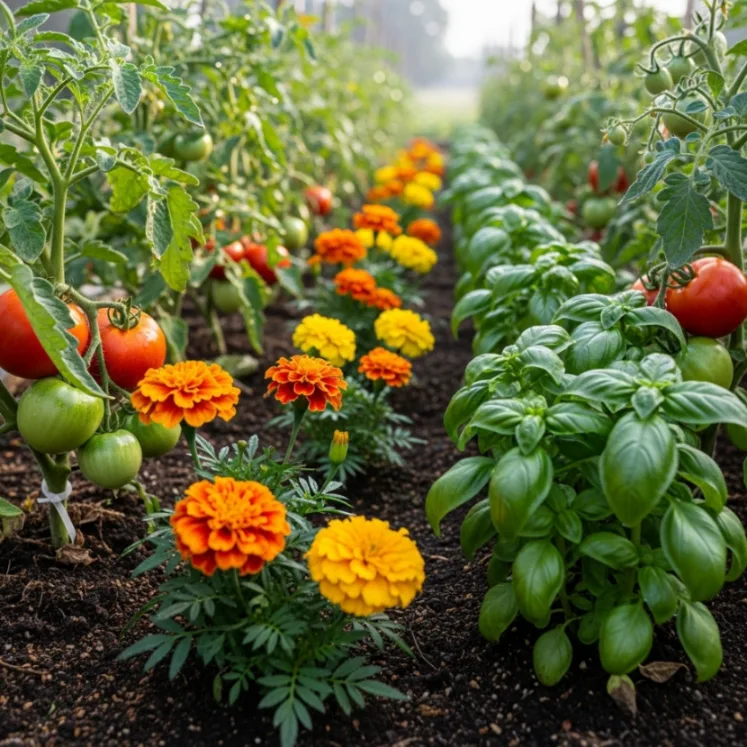
Strategic placement is the key to a healthy garden, and growing certain plants together can actually boost their growth. I suggest practicing companion planting, like growing basil near tomatoes to enhance flavor and repel pests like aphids. By placing plants with complementary traits together, you create a mutually beneficial environment.
You can also use marigolds to deter nematodes or plant beans with corn to naturally fix nitrogen in the soil. This technique maximizes your garden space and reduces the need for any chemical pesticides. It is a sophisticated way to manage garden health naturally.
I personally love the lush, full look that companion planting creates in a bed. It adds a layer of luxury storytelling that makes your home feel lived-in and intelligently designed. It signals that your garden is a place where every plant has a purpose.
5. Beneficial Insects
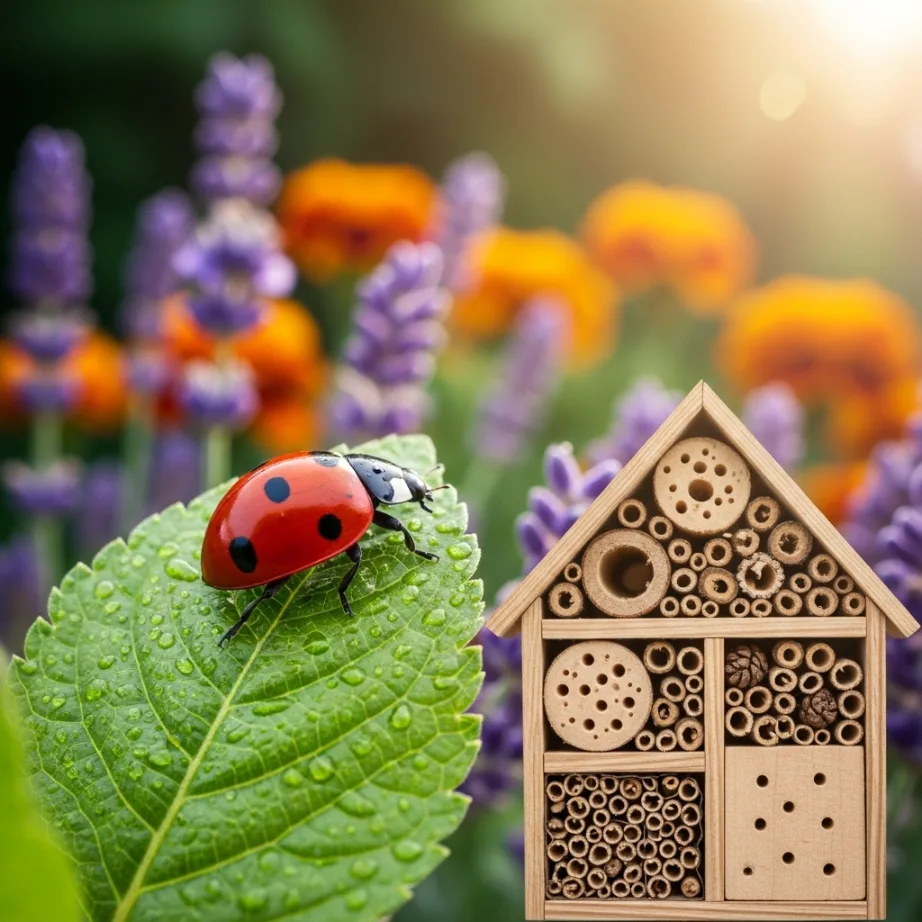
Your garden needs a natural police force to keep harmful pests from taking over your hard work. I suggest planting a variety of flowers like daisies and sunflowers to attract bees and ladybugs. Ladybugs are especially brilliant because they are natural predators of mites and aphids.
To keep these helpers around, provide habitats like insect hotels and shallow water sources to support their lifecycle. Avoid chemical pesticides at all costs, as they will harm these beneficial creatures. It turns your garden into a breathing sanctuary where nature handles the pest control.
I find that watching bees and ladybugs work is one of the most tranquil parts of the gardening experience. It provides a sense of modern geometry and comfort by creating a balanced, self-regulating environment. It is a smart move that turns a standard yard into a masterpiece of biodiversity.
6. Neem Oil
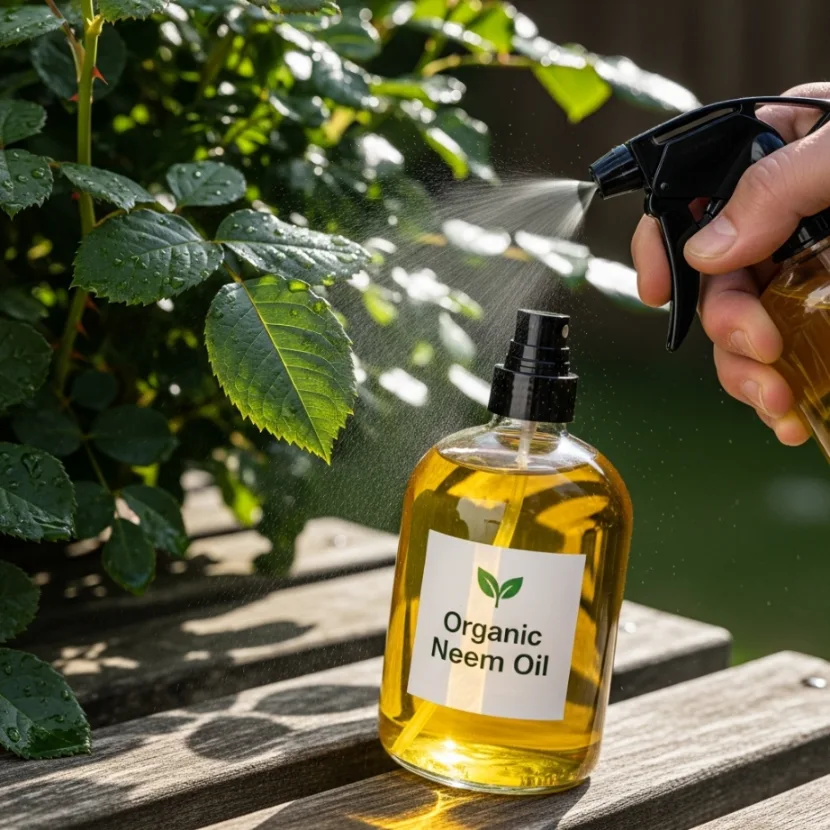
When pests do get out of hand, you need a solution that won’t ruin your organic integrity. I suggest using neem oil, a natural, biodegradable pesticide derived from the neem tree. It disrupts the growth of harmful insects like whiteflies and spider mites without harming bees or ladybugs.
To use it, mix the oil with water and a few drops of mild soap, then spray it on the tops and undersides of the leaves. It inhibits feeding and reproduction, making it an eco-friendly option for a pest-free garden. It signals that you value a healthy, chemical-free home.
I personally suggest keeping a bottle mixed and ready for the first sign of trouble so you can act quickly. It adds a layer of depth to your gardening toolkit and provides peace of mind. It is a functional detail that signals a serious commitment to sustainable living.
7. Organic Mulch
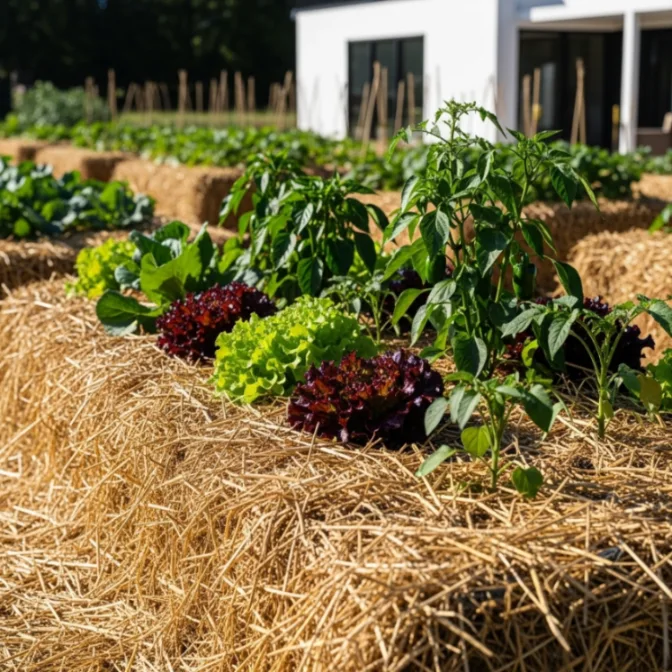
Keeping your soil covered is a critical step in maintaining moisture and suppressing unwanted weeds. I suggest spreading a 2-4 inch layer of organic mulch, such as straw, wood chips, or shredded leaves, around your plants. This helps retain soil moisture by reducing evaporation, meaning you have to water less frequently.
As the mulch decomposes over time, it enriches the soil with organic matter and improves fertility. Just be sure to keep it away from the plant stems to prevent rot. It turns a dusty garden bed into a professional, clean-looking landscape.
I find that mulching is the ultimate time-saver because it blocks sunlight and prevents weed growth. It provides everything you need for a low-maintenance garden that stays lush all summer. FYI, straw mulch looks particularly stunning in vegetable gardens for that “modern farm” vibe. 🙂
8. Drip Irrigation
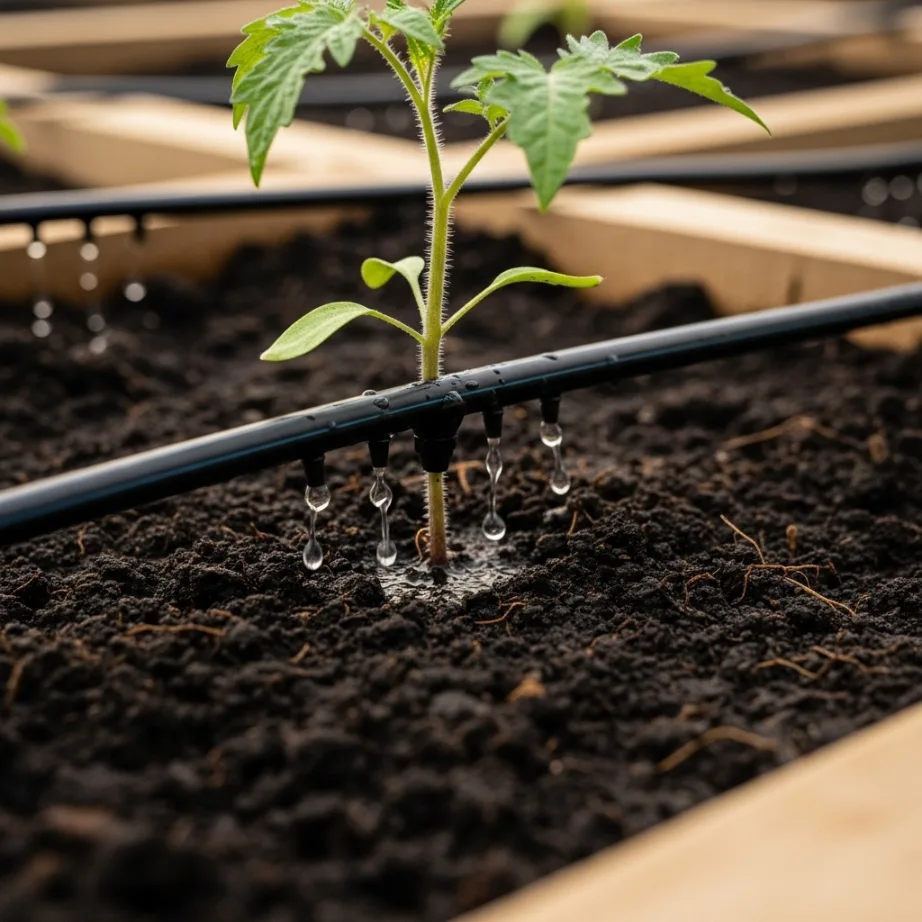
Watering by hand is often inefficient, but delivering water directly to the roots changes everything. I suggest using a drip irrigation system to provide a slow, steady supply of moisture. This method minimizes water waste and runoff, making it ideal for conserving resources in dry climates.
By delivering water directly to the base of the plants, you also keep the leaves dry, which reduces the risk of disease. It promotes healthier root development and improves your overall garden productivity. It turns a daily chore into an automated, professional engineering system.
I personally love how drip irrigation takes the guesswork out of watering during a busy summer. It provides a sense of modern geometry and comfort knowing your plants are being cared for properly. It is a sophisticated move that signals a carefully planned outdoor space.
9. Crop Rotation
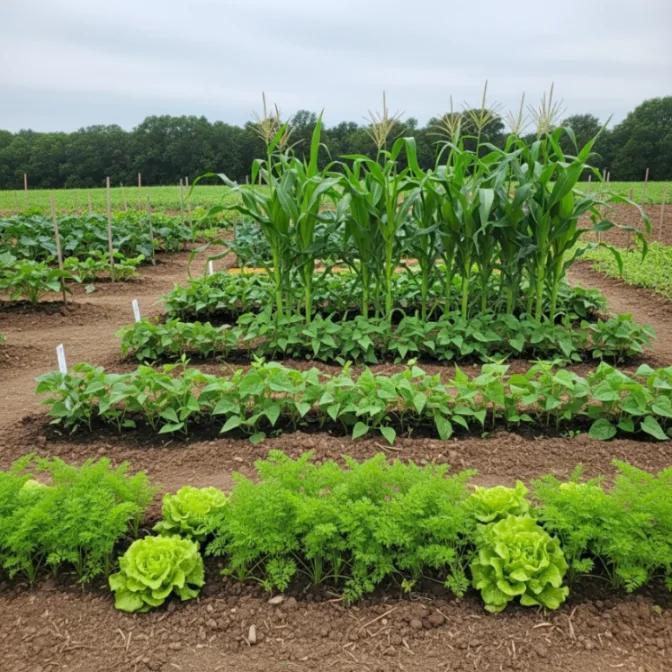
Planting the same thing in the same spot every year is a recipe for soil exhaustion and disease. I suggest practicing crop rotation by changing the types of crops grown in a specific area each season. This disrupts the life cycles of pests and prevents the soil from being depleted of specific nutrients.
For example, follow nitrogen-heavy feeders like corn with nitrogen-fixing plants like beans. Rotating root crops like carrots with leafy greens like lettuce keeps the soil balanced and healthy. It turns a standard garden plot into a professional-grade sustainable system.
I find that crop rotation keeps every growing season feeling like a fresh and exciting new project. It adds a layer of luxury storytelling that tells everyone you understand the long-term health of your land. It is a functional detail that signals deep respect for natural rhythms.
10. Nitrogen Fixers
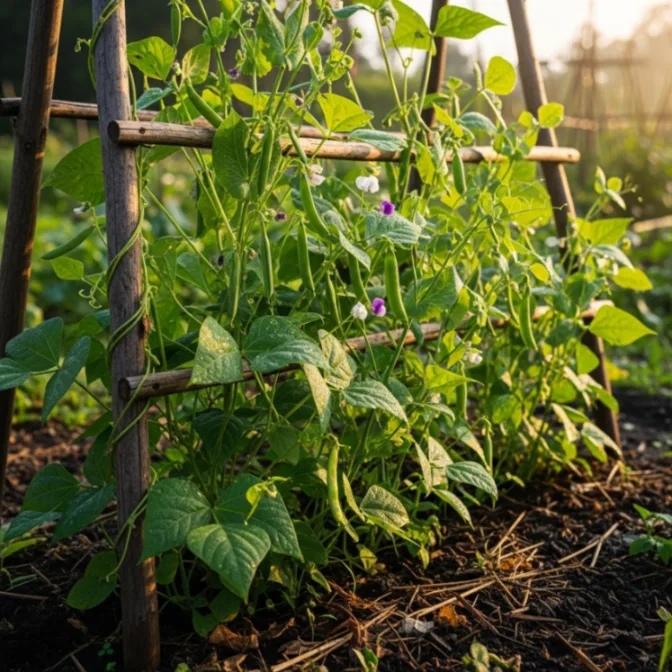
Some plants have the incredible ability to naturally enrich your soil by adding essential nutrients back into it. I suggest growing nitrogen-fixing plants like beans and peas to increase the nitrogen content of the dirt. These plants have a symbiotic relationship with soil bacteria that converts atmospheric nitrogen into a usable form.
Planting these legumes helps subsequent crops that have high nitrogen requirements, like leafy greens or corn. It is a professional soil hack that reduces the need for synthetic fertilizers. It signals that your home is a place of natural abundance.
I personally love the “double-duty” nature of these plants—you get a harvest while they are simultaneously healing your soil. It provides everything you need for a high-performing garden that feels both organic and smart. It is the ultimate tool for a self-sustaining green sanctuary.
11. Hand Weeding
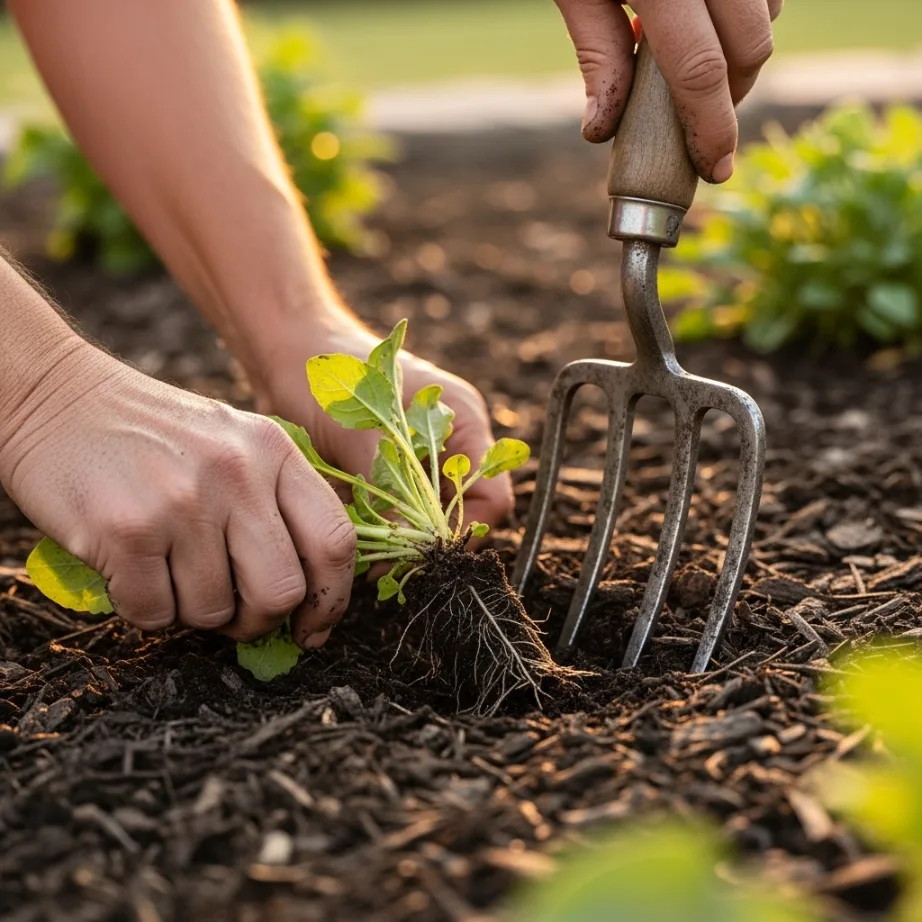
While it might seem old-fashioned, removing weeds manually is the best way to prevent competition with your plants. I suggest pulling weeds by the roots to ensure they don’t grow back and steal water or nutrients. Use tools like hoes or hand forks to make the task more efficient.
By avoiding chemical weed killers, you protect the structure of your soil and the health of the wildlife in your yard. It is a grounding task that keeps you connected to the actual health of every single plant. It signals a serious commitment to a chemical-free lifestyle.
I find that a quick ten-minute weeding session every few days keeps the garden looking clean and professional. It adds a layer of tranquility and comfort by keeping your outdoor space tidy. FYI, mulching around your plants is the best way to make this job much easier. 🙂
12. Cover Crops
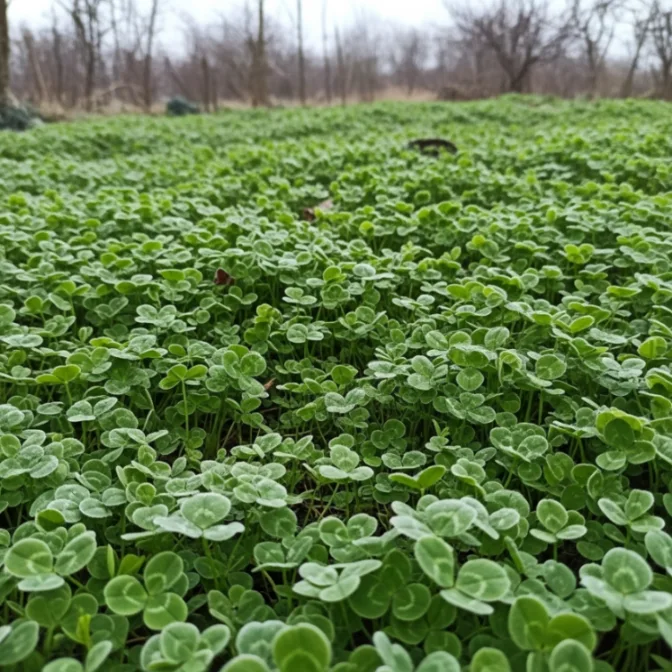
When a bed isn’t actively growing a main crop, you should never leave the soil bare and exposed. I suggest planting cover crops like clover or rye to suppress weeds and boost soil health during the off-season. These crops grow quickly and densely, preventing erosion and shading out weeds.
Clover fixes nitrogen in the soil, while rye improves soil structure with its extensive root system. Once they have grown, you can incorporate them back into the soil as green manure. It turns a “dead” season into a professional soil-building phase.
I personally love the look of a lush green cover crop during the winter when the rest of the yard is brown. It adds a touch of modern geometry and comfort to your yard even in the quietest months. It is a smart move that signals a high-end approach to land management.
13. Rainwater Harvesting
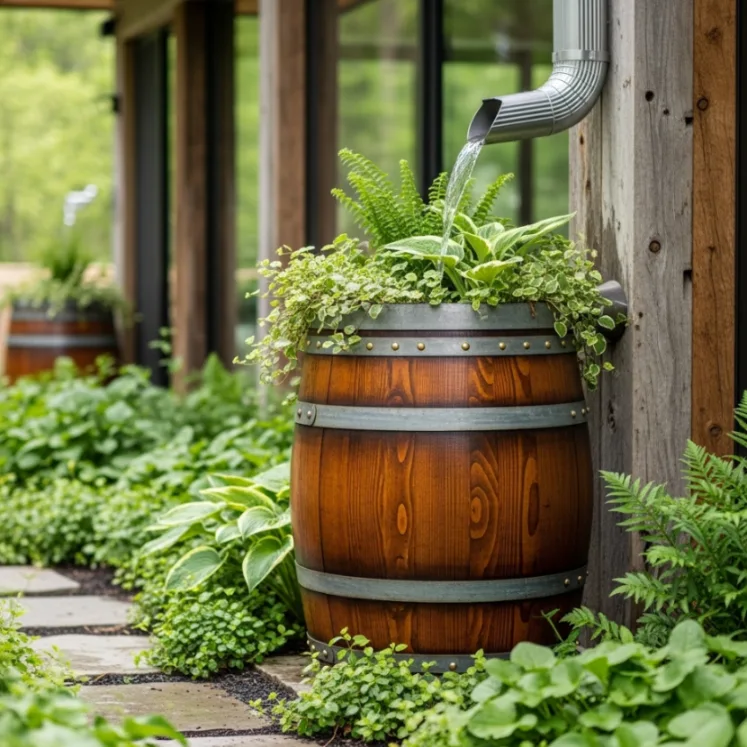
Conserving water is a major pillar of organic gardening, and the best water is free from the sky. I suggest installing rain barrels under your downspouts to collect runoff from your roof. This stored rainwater is free of the chemicals and salts found in tap water, making it ideal for plants.
Using collected rainwater during dry periods reduces your reliance on municipal supplies and lowers your bills. Just ensure your system has a screen to filter debris and prevent mosquito breeding. It turns a standard house into a professional-grade, self-sufficient ecosystem.
I find that rainwater harvesting makes you feel much more connected to the weather and the needs of your garden. It provides a sense of modern geometry and comfort by utilizing a free resource in a very smart way. It is a sophisticated detail that signals a commitment to sustainability.
Conclusion
Maximizing your organic garden is all about honoring the natural cycles of the earth while injecting them with your own sense of light and luxury. You have the perfect excuse to go bold with your soil building and companion planting because a healthy ecosystem is the most flexible design element you can have. Whether you choose a dramatic native plant border or a simple rain barrel setup, the key is to make every choice intentional. Think about how the compost enriches the earth and how the beneficial insects protect your hard work. Don’t be afraid to start your organic project this weekend. Your yard is waiting for its living, breathing sanctuary glow-up. Remember, even the smallest gardens can have the biggest style. Stay creative and keep making your space yours.
FAQs
How do I choose the best plant for a dark corner? Choose “shade-tolerant” native species or hardy plants like hostas that are well-adapted to low-light conditions. These plants evolved to thrive in the shadows of larger trees and require less direct sunlight to stay healthy. It’s always better to start with one of these “indestructibles” before trying something more finicky in a dark spot.
What is the most common mistake with organic gardening? The biggest mistake is overwatering or failing to provide proper drainage, which leads to root rot. I always suggest the “finger test” to check soil moisture before watering and using mulch to help regulate the water level. FYI, most plants would rather be a little too dry than a little too wet. 🙂
Can I use garden soil for my indoor pots? No, regular garden soil is usually too heavy for containers and can harbor pests or diseases that harm indoor plants. Instead, use a high-quality organic potting mix that is formulated to provide the right balance of air and moisture for roots. It is a simple step that keeps your indoor sanctuary healthy and professional.
How do I keep my plant’s leaves looking shiny? Dust can block a plant’s ability to “breathe,” so wipe large leaves with a damp cloth every few weeks for health. Keeping them clean ensures they can photosynthesize efficiently and look professional and vibrant in your home. It’s a health requirement that doubles as a luxury aesthetic detail.
Which plants are best for improving sleep? Lavender is famous for its soothing scent, while plants like snake plants filter toxins from the air at night. Having these on your nightstand creates a natural wellness retreat vibe that helps you wake up feeling much more refreshed. It’s a functional detail that signals a serious commitment to high-end self-care.