13 Serene Bedroom Paint Colors Ideas That Turn Rest Into a Daily Ritual
Your bedroom does not need to scream for attention. It needs to whisper. After long days, noise, screens, and endless scrolling, your bedroom should feel like the one place where your nervous system finally exhales. Paint color plays a bigger role in that feeling than most people realize. I have walked into bedrooms that instantly felt calm before I even noticed the furniture, and almost every time, the wall color was doing the quiet work behind the scenes.
This guide focuses on serene bedroom paint colors ideas that feel peaceful, timeless, and genuinely livable. No trendy shades that age badly. No cold hospital whites. Just colors that help your mind slow down and your body relax. I will walk you through thirteen options, how they feel, and why they work so well in real bedrooms. Grab a coffee, imagine your walls changing, and let’s find the color that finally lets your bedroom feel like a retreat.
1. Soft Warm White That Feels Gentle, Not Sterile
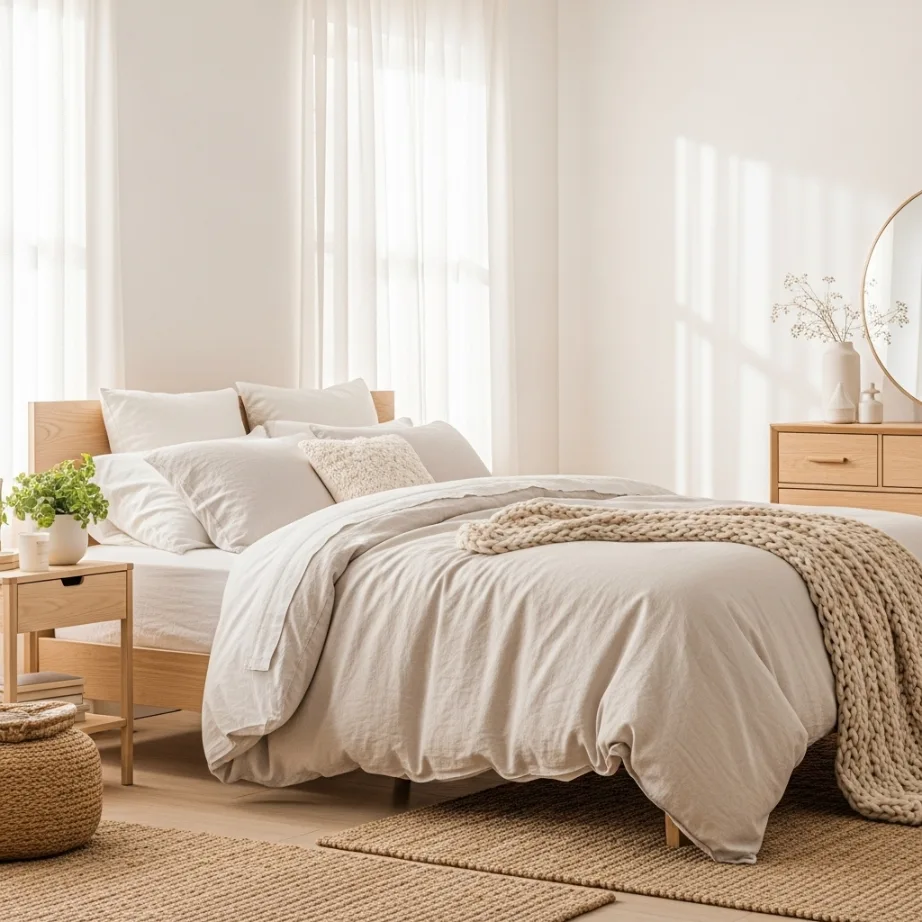
White can feel serene or stressful, depending on the undertone. A soft warm white wraps a bedroom in calm without feeling cold or empty. This is not the stark white you see in offices. It leans creamy, slightly buttery, and comforting.
Warm white works beautifully if you love natural light and minimal decor. It reflects light softly and makes the room feel open without feeling exposed. I like this color when paired with layered textures like linen bedding, wood furniture, and woven rugs. The walls become a quiet backdrop that lets everything else breathe. If your brain needs visual rest, warm white is a safe and soothing choice. IMO, it is perfect for people who want calm without committing to color.
2. Pale Greige for a Balanced, Modern Calm
Greige sits right between gray and beige, and that balance is what makes it so serene. It feels grounded without being heavy and neutral without being boring. Pale greige bedrooms feel composed and effortless.
This color works well in both modern and classic spaces. It adapts to different lighting conditions and shifts subtly throughout the day. Morning light brings out warmth, while evening light makes it feel cozy. I love greige for bedrooms with upholstered headboards and soft textiles. It supports a calm atmosphere while still feeling polished. If you struggle to choose between warm and cool tones, greige solves that problem quietly.

3. Muted Sage Green for a Nature-Inspired Escape
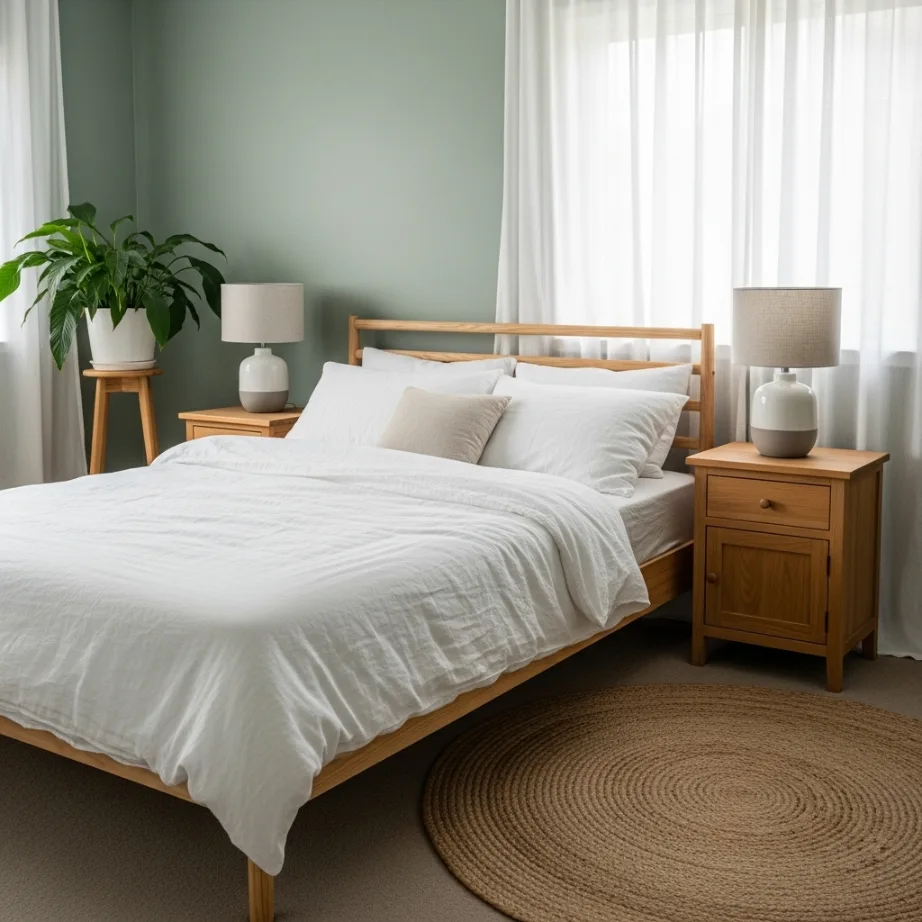
Sage green feels like nature brought indoors. It has a calming effect that feels almost instinctive. Muted sage tones soothe the eyes and help the mind slow down, which is exactly what a bedroom needs.
This color pairs beautifully with natural wood, white bedding, and soft neutrals. It works especially well in bedrooms that get good daylight. Sage green does not shout. It hums quietly in the background. I find this color especially comforting during stressful seasons. It feels grounding and peaceful without feeling dull. If you want your bedroom to feel like a breath of fresh air, sage green delivers every time.
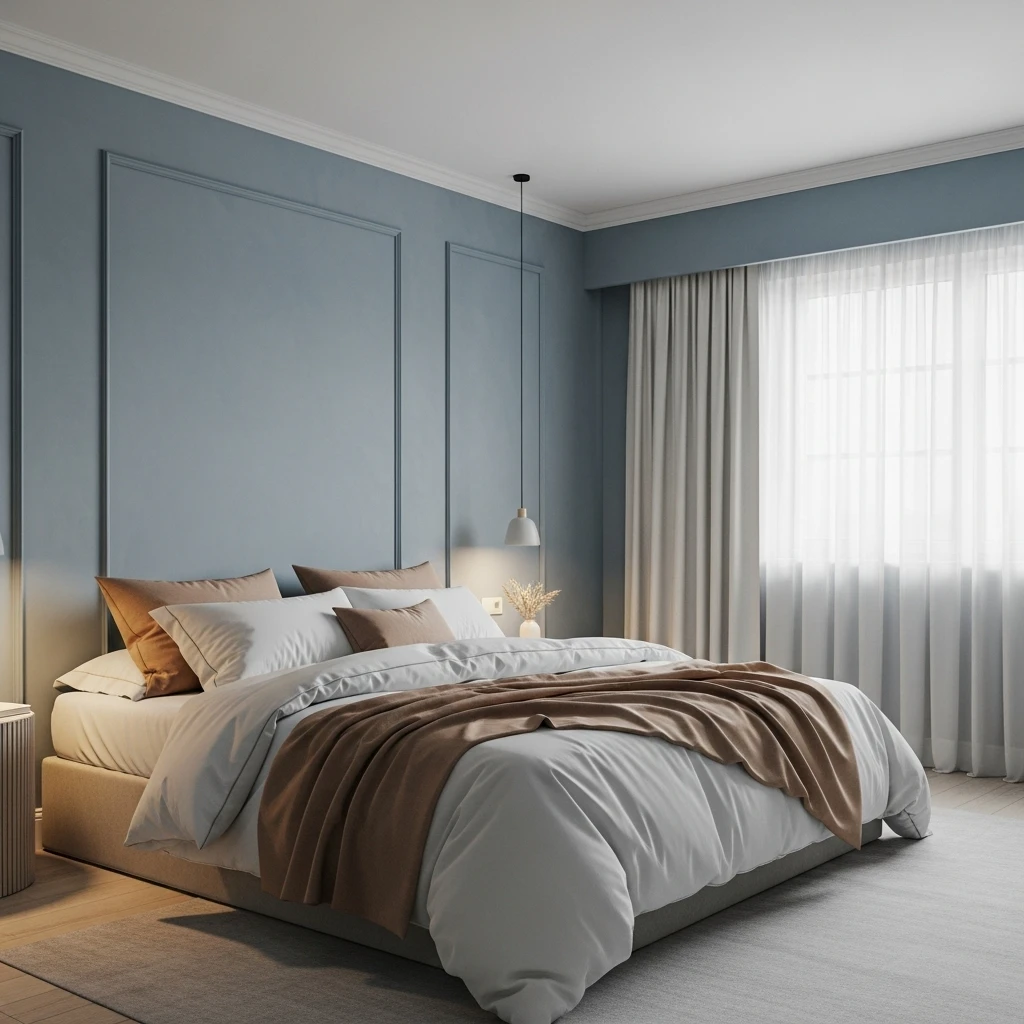
4. Dusty Blue That Encourages Deep Rest
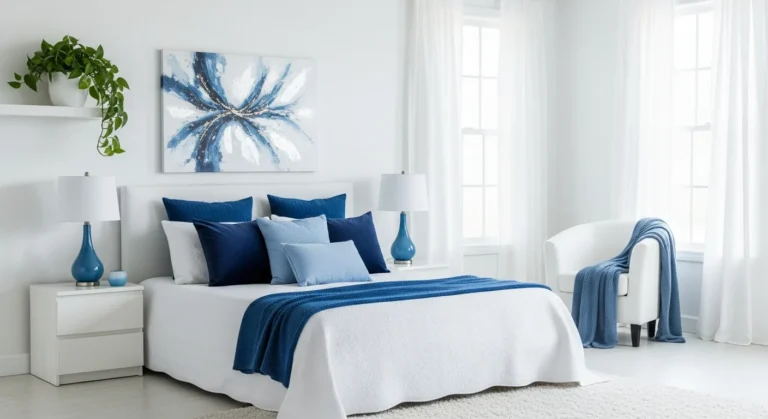
Blue is known for its calming properties, but bright blues can feel cold. Dusty blue solves that problem. It feels soft, slightly faded, and incredibly soothing.
This color reminds me of early morning skies or distant horizons. It creates a sense of space and quiet that supports sleep. Dusty blue works well with white, sand, and light gray accents. I love it in bedrooms where you want to feel cocooned but not closed in. It is especially beautiful with layered bedding and soft lighting. FYI, this is one of the best colors for people who struggle to unwind at night.
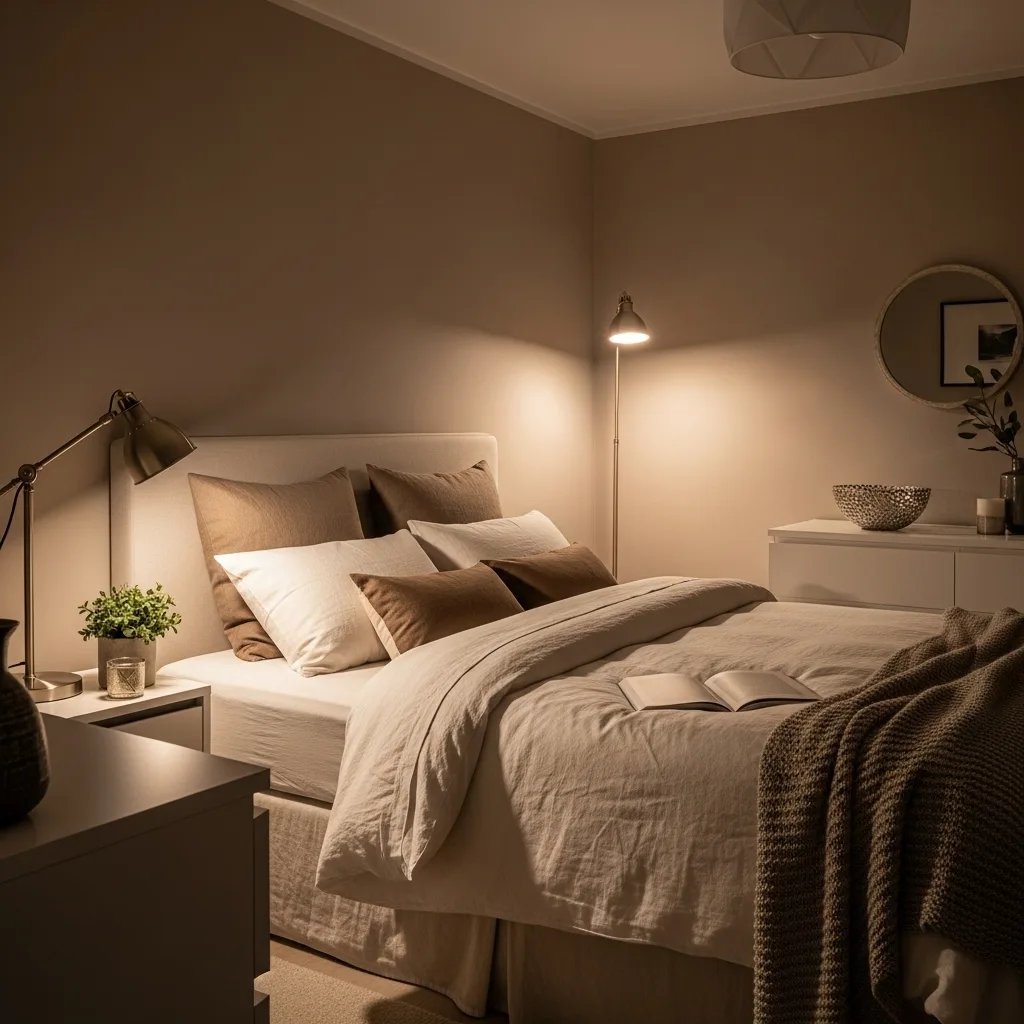
5. Warm Taupe That Feels Cozy and Secure
Taupe is often overlooked, but it deserves more love. A warm taupe bedroom feels cozy, grounded, and deeply restful. It wraps the room in warmth without feeling dark or heavy.
This color works beautifully in bedrooms with low or moderate light. It creates an intimate atmosphere that feels safe and calm. I like pairing taupe with creamy whites, soft browns, and muted metals. It feels mature and timeless. If you want your bedroom to feel like a soft hug at the end of the day, warm taupe does that quietly and consistently.
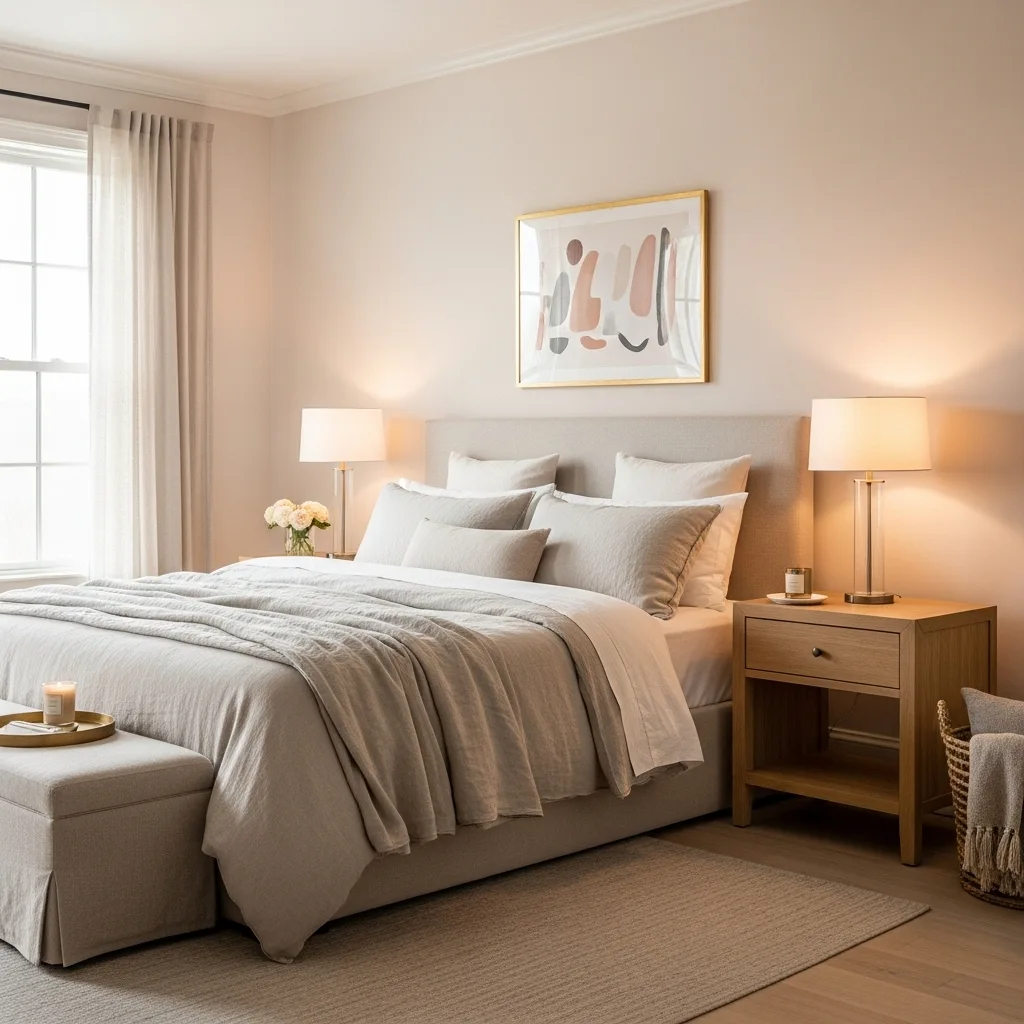
6. Soft Blush for a Gentle, Romantic Calm
Blush does not have to feel sweet or childish. When done right, soft blush tones feel serene, warm, and comforting. This color brings warmth to the room without overwhelming it.
Soft blush works best when it leans neutral rather than pink. Think barely-there warmth with a hint of color. I love this shade in bedrooms that need a bit of softness without drama. Pair it with linen bedding, warm woods, and subtle metallic accents. It feels calming, flattering, and surprisingly versatile. If white feels too cold but beige feels boring, blush offers a gentle middle ground 🙂
7. Light Clay Beige for Earthy Tranquility
Clay-inspired beige tones feel natural and grounding. They bring an earthy calm that feels deeply relaxing. This color connects the bedroom to nature without going green or brown.
Light clay beige works beautifully with textured walls, wood furniture, and organic fabrics. It feels warm and comforting without feeling dark. I find this color especially soothing in bedrooms where you want to unplug and slow down. It creates a sense of stability and calm that lasts. If you love neutral palettes but want something richer than basic beige, clay tones are worth exploring.

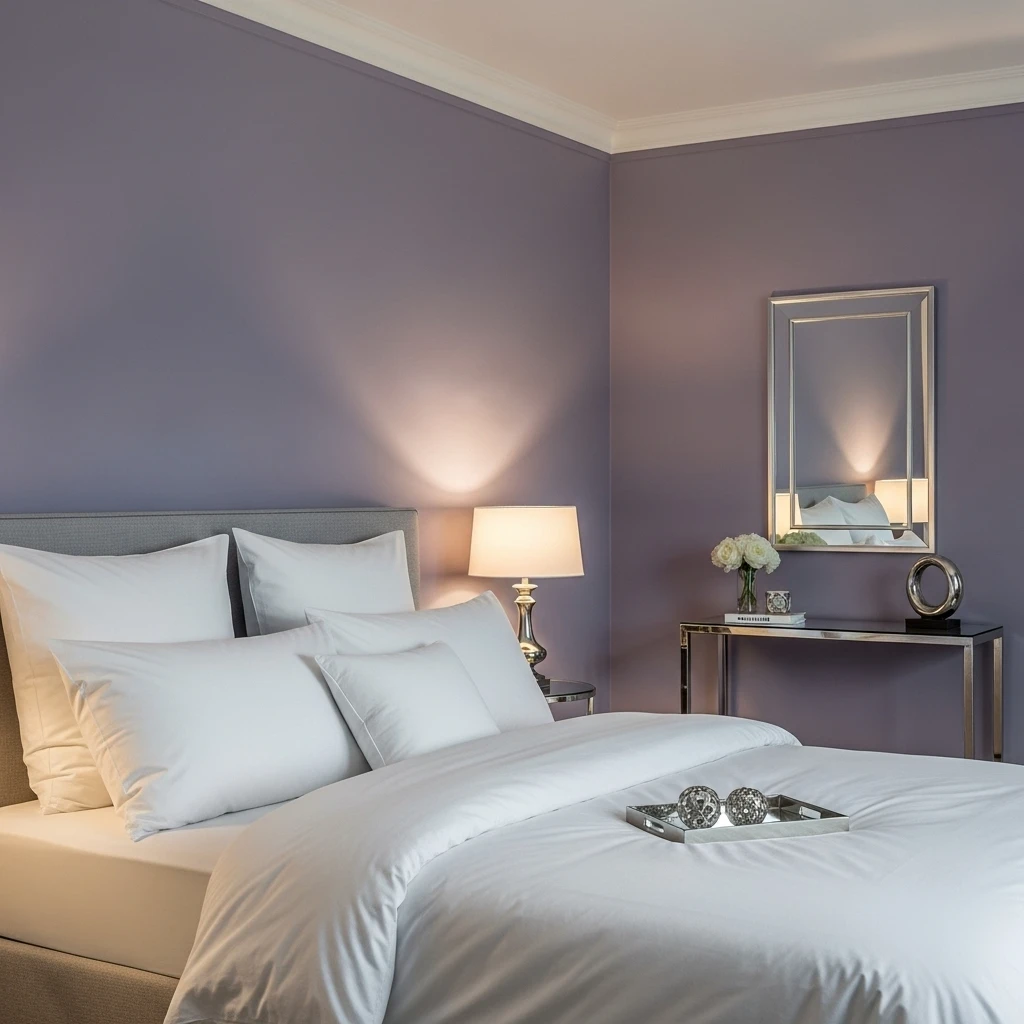
8. Soft Lavender With a Gray Base
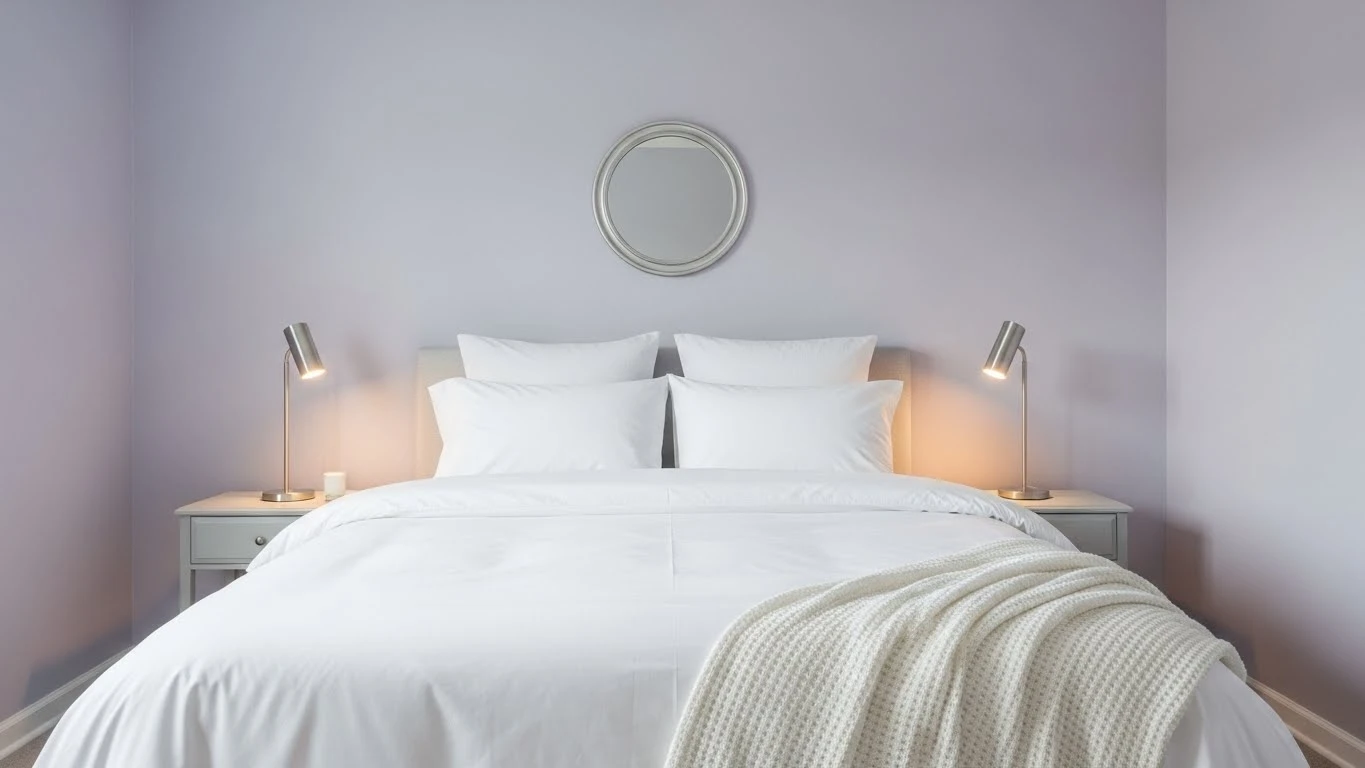
Lavender gets a bad reputation for feeling too floral or dramatic, but soft lavender with a gray base feels completely different. It feels calming, subtle, and elegant.
This shade works best when it leans muted and dusty. It creates a peaceful atmosphere that supports relaxation without feeling themed. I like this color in bedrooms with soft lighting and simple decor. It pairs well with white, gray, and silver accents. Lavender can help quiet a busy mind, especially when used sparingly. If you want something unique but still serene, this shade offers quiet personality.
9. Pale Sand for a Light, Airy Bedroom Feel
Sand tones bring warmth and lightness at the same time. A pale sand bedroom feels open, breezy, and calm. It reminds me of quiet coastal spaces without leaning beachy.
This color works well in bedrooms with natural light and simple furnishings. It pairs beautifully with white, soft blues, and natural textures. I love sand tones because they feel relaxed and timeless. They do not compete for attention. They simply exist and support the room. If your bedroom feels heavy or dark, pale sand can lift it instantly without feeling stark.

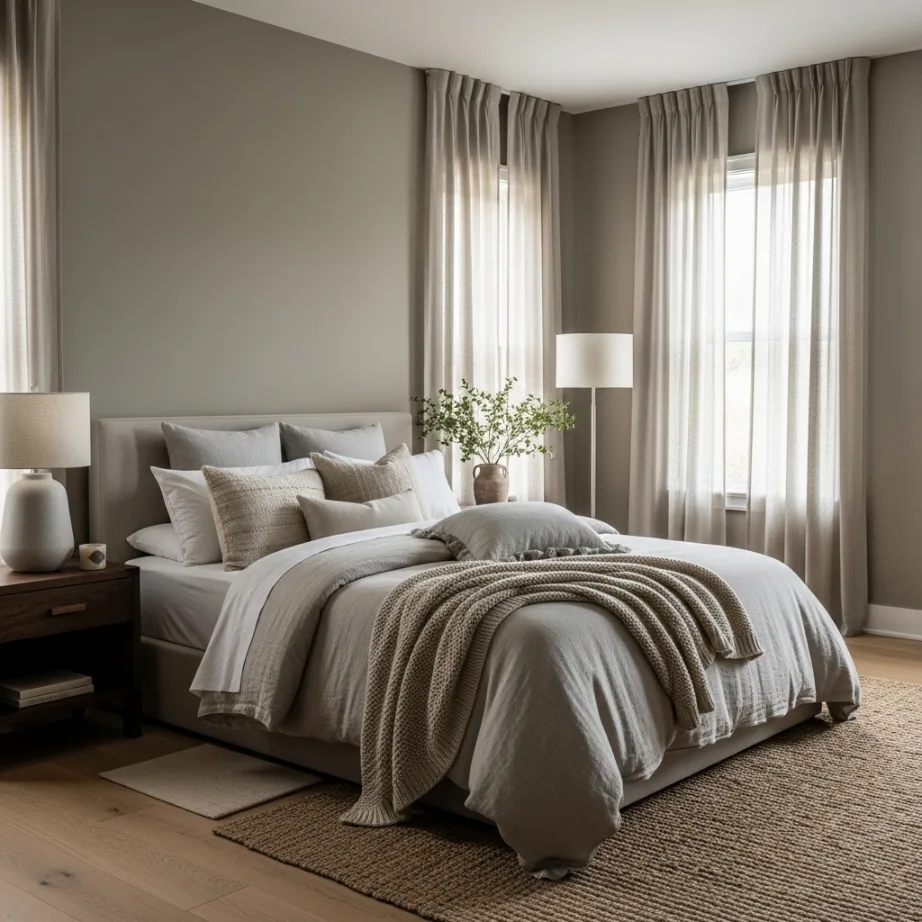
10. Soft Mushroom Gray for Understated Calm
Mushroom gray sits between warm gray and taupe. It feels soft, slightly earthy, and incredibly calming. This color is perfect for people who love neutrals but want depth.
Soft mushroom gray works well in bedrooms with layered textures and subtle contrast. It adapts beautifully to different lighting and always feels balanced. I like this shade because it feels modern but not cold. It creates a calm foundation that allows furniture and decor to shine quietly. If you want serenity with sophistication, mushroom gray delivers without trying too hard.
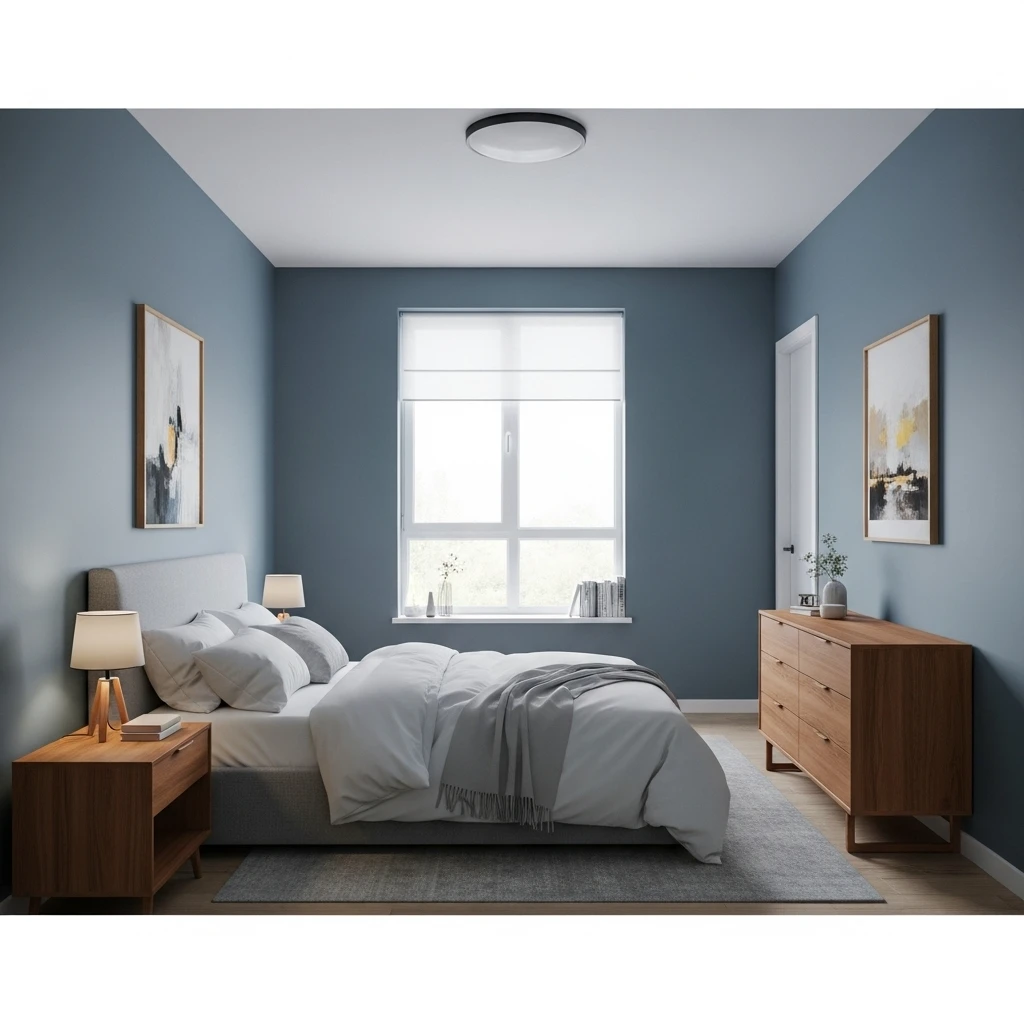
11. Muted Blue Gray for a Calm, Modern Look
Blue gray combines the calming effect of blue with the grounding quality of gray. When muted, it feels serene and grown-up. This color works beautifully in modern and transitional bedrooms.
Muted blue gray creates a peaceful atmosphere that supports rest without feeling dull. It pairs well with white bedding, warm woods, and soft textiles. I find this color especially effective in bedrooms that need structure and calm at the same time. It feels composed and steady. If bright colors overwhelm you but pure gray feels cold, blue gray offers a perfect balance.
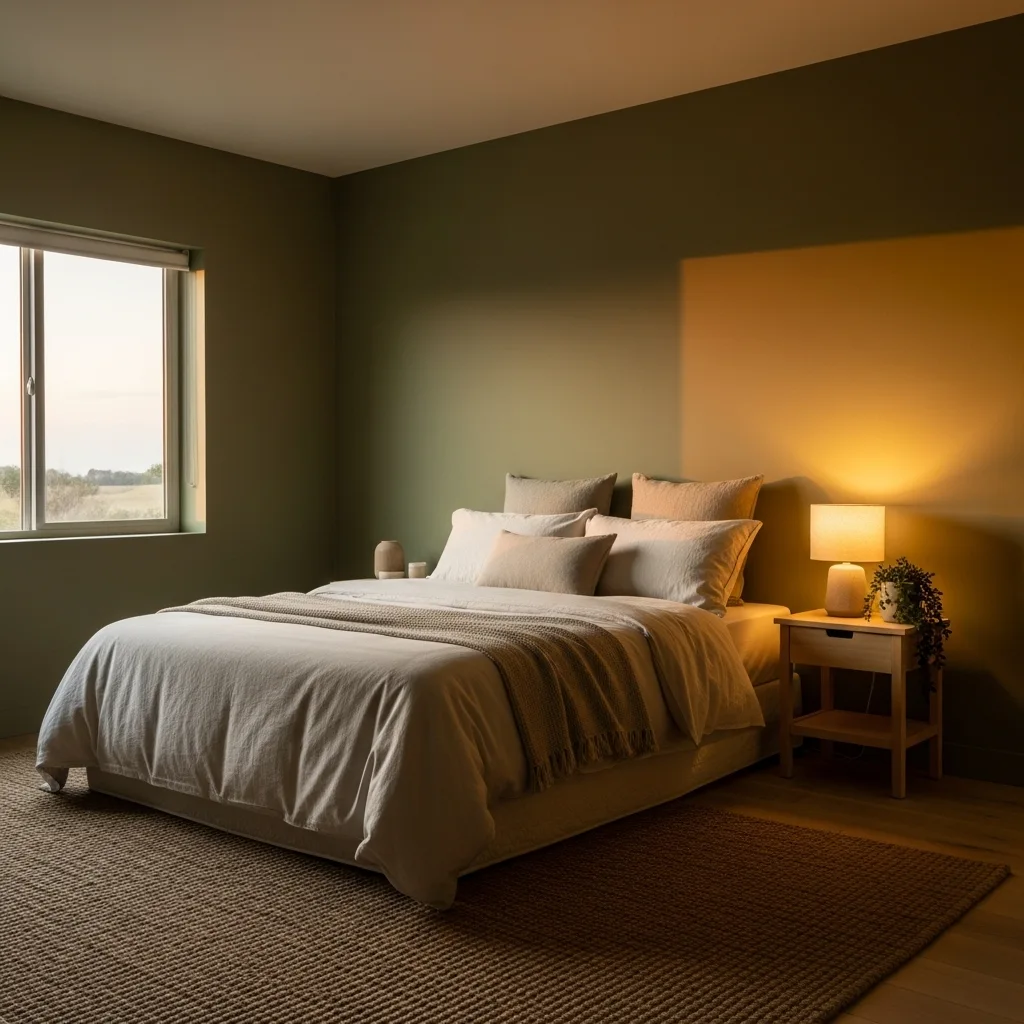
12. Soft Olive for a Cozy, Restful Mood
Olive green bedroom brings warmth and depth without feeling heavy. A soft olive bedroom feels cozy, grounded, and deeply calming. It connects the space to nature in a subtle way.
This color works well with natural wood, warm metals, and neutral bedding. It feels especially soothing in bedrooms where you want to feel protected and relaxed. I love olive tones for evening light. They glow softly and create a comforting atmosphere. If sage feels too light and forest green feels too dark, olive lands right in the middle.
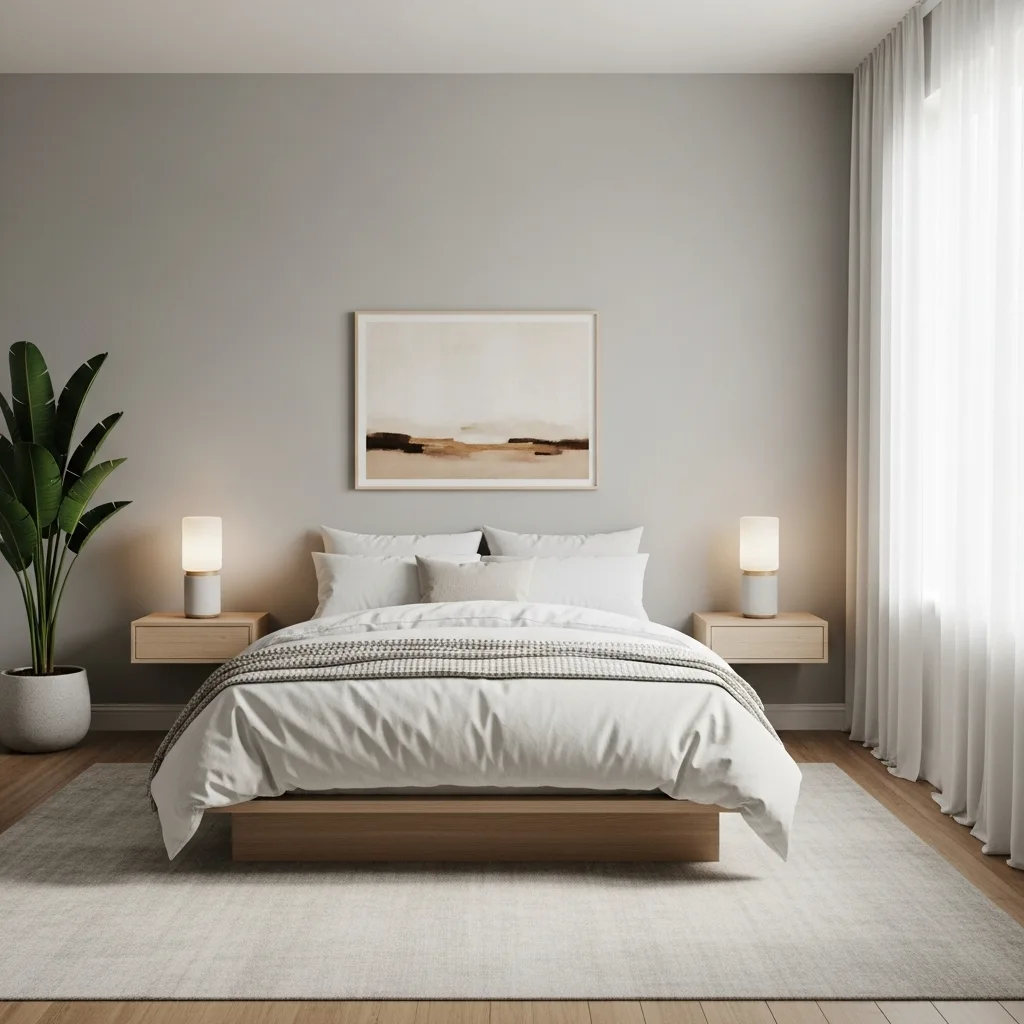
13. Whisper Gray With Warm Undertones
Not all grays feel calm. Whisper gray with warm undertones feels soft, quiet, and comforting. It avoids the cold, industrial vibe that many grays bring.
This color works beautifully in bedrooms where you want simplicity without starkness. It pairs well with almost any decor style and lighting condition. I like whisper gray for people who want flexibility. It allows you to change bedding and accents without repainting. The room always feels calm and composed. Sometimes the best colors are the ones that quietly support everything else.
Conclusion
Choosing a serene bedroom paint color is about more than trends. It is about how you want to feel when you wake up and when you go to sleep. The right color supports rest, calms the mind, and makes your bedroom feel like a true retreat. Whether you lean toward warm neutrals, soft greens, or gentle blues, serenity lives in subtlety. Trust colors that feel quiet and grounding. When your bedroom finally feels peaceful, everything else slows down with it. And honestly, that kind of calm is priceless.
FAQs
1. What is the most calming paint color for a bedroom?
Soft neutrals, muted blues, and gentle greens are the most calming bedroom paint colors. They help reduce visual noise and support relaxation.
2. Are dark colors good for serene bedrooms?
Yes, when they have warm or muted undertones. Dark colors like taupe or olive can feel cozy and calming when balanced with proper lighting.
3. Should bedroom paint be warm or cool?
Warm or neutral tones usually feel more serene. Cool tones can work if they are softened and not overly bright.
4. Can white paint be relaxing in a bedroom?
Yes, as long as it has warm undertones. Stark white can feel harsh, while soft warm white feels calming and inviting.
5. How do I choose the right serene color for my bedroom?
Consider natural light, furniture tones, and how you want the space to feel. Test samples and notice how they make you feel at different times of day.